Secret histories of English rhymes
Global melodies and historical echoes
The brain science of baby beats
Nursery rhymes in modern media
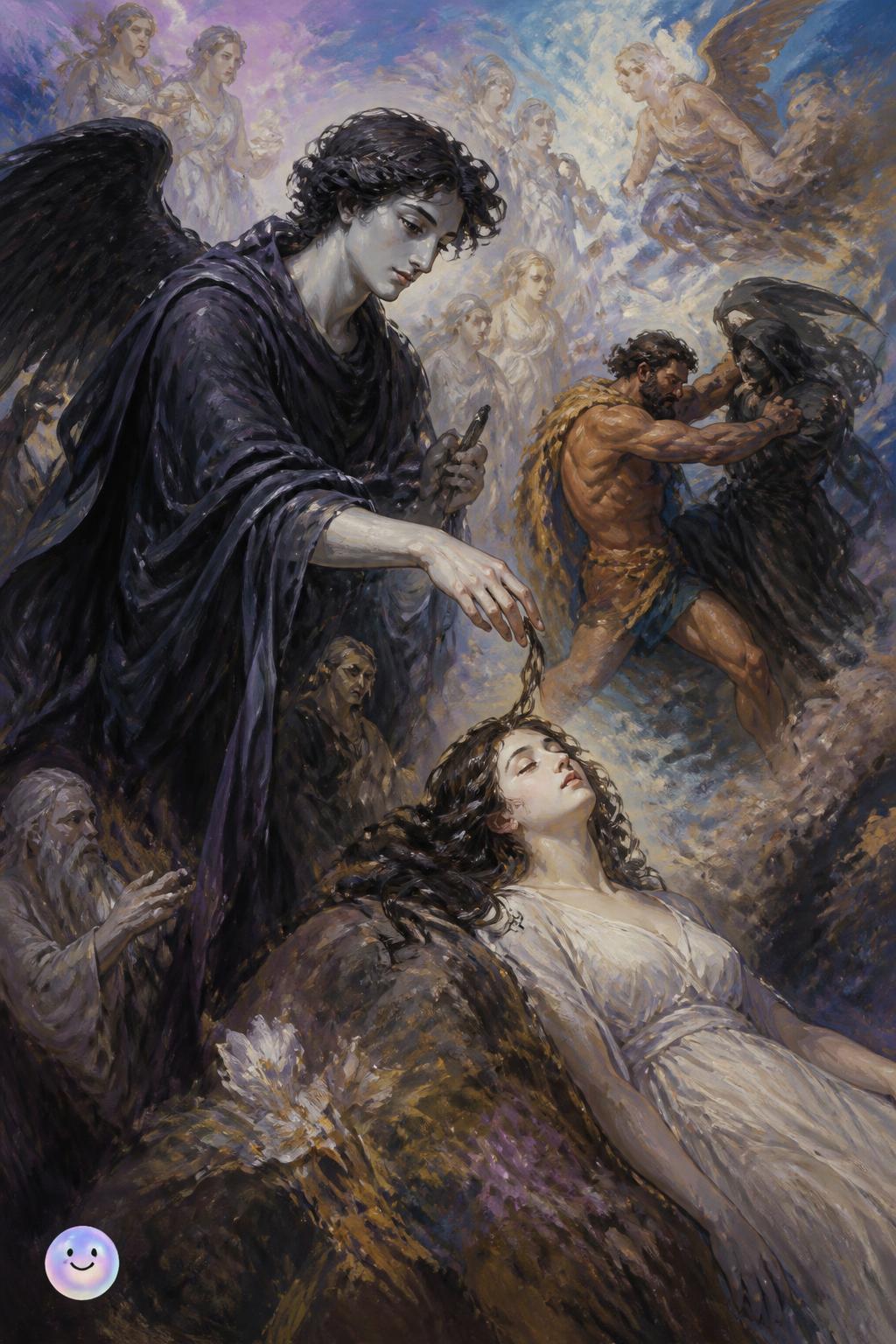
schopenhauer Since the late Edo period, Japanese children circle a blindfolded demon player. Eerie interpretations of the lyrics range from tragic miscarriages to prisoners awaiting execution.

Which famous classical composer included the tune of 'Frère Jacques' in his First Symphony?
The Latin American lullaby 'Duerme Negrito' historically reflects the struggles of workers in which fields?
In which century was the song that became 'Mambrú se fue a la guerra' first composed?

schopenhauer Match global melodies to historical eras to discover the secret origins of nursery rhymes.
schopenhauer First published in 1811, this simple tune likely originated as a Protestant satire mocking the laziness of Dominican friars during the Reformation.
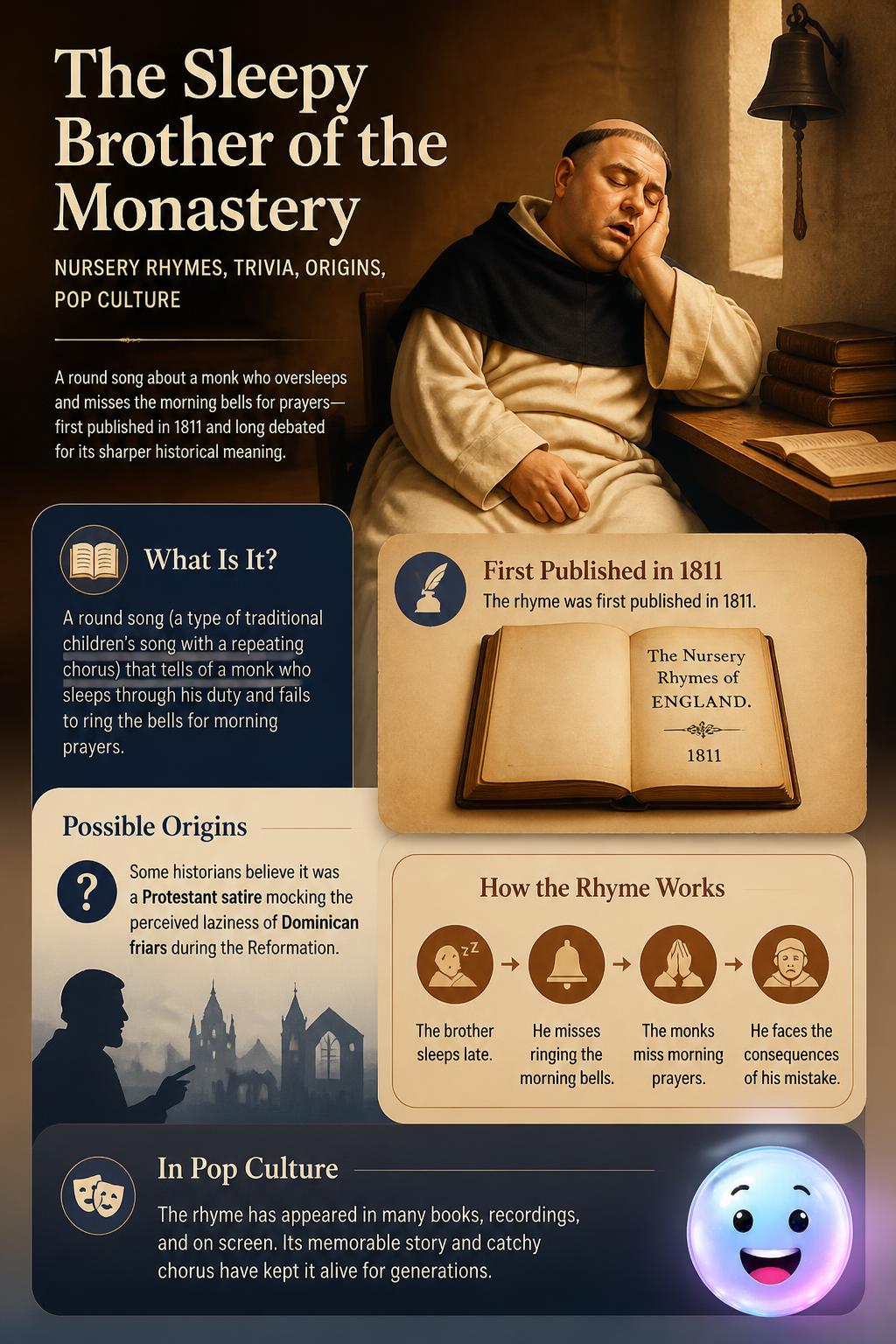
schopenhauer A sleepy monk dozes in bed while the morning monastery bells hang silent
Who was the real 'Mambrú' from the Spanish nursery rhyme 'Mambrú se fue a la guerra'?
What role does the child in the center play in the Japanese game 'Kagome Kagome'?
schopenhauer Twinkle Twinkle Little Star Melody
That starry little tune was born as a classic French melody
schopenhauer Archival footage and music show how Mercedes Sosa popularized this song in the 1970s. It describes a mother working grueling hours in the fields while her baby sleeps.
Which animals, representing long life in Japanese culture, 'slip' in the lyrics of Kagome Kagome?
Which legendary Argentine singer popularized 'Duerme Negrito' worldwide in the 20th century?
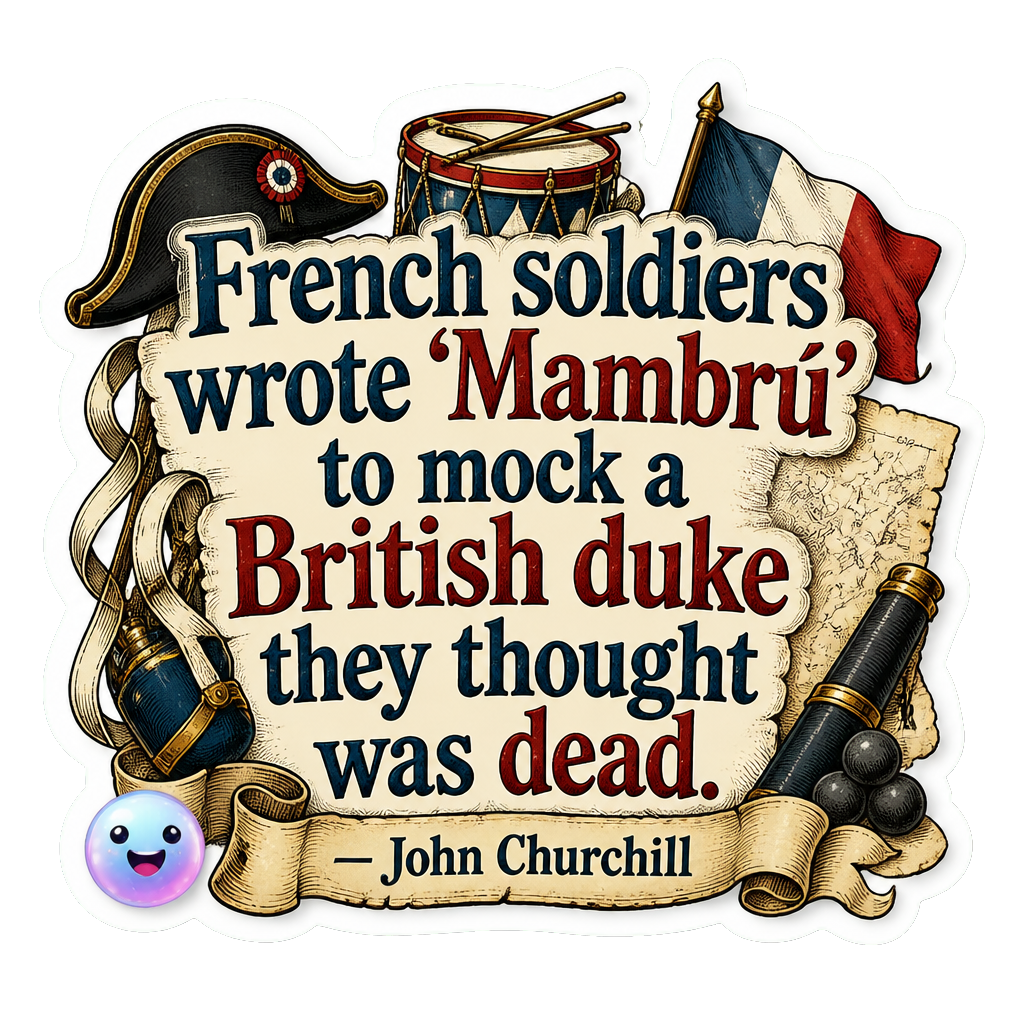
Mambrú's real identity: The character Mambrú was actually the British Duke of Marlborough, whose name French soldiers mispronounced in their mocking war song.
A short, traditional poem or song written for young children. Many of these traditional verses, like 'Three Blind Mice' from 1609, originated as political satire.