
Chapter 1
The pet retention revolution
Chapter 2
Designing the ultimate pet service menu
Chapter 3
Decoding animal behavior and safety
Chapter 4
Launching your compassionate pet business
Ch 3 · Decoding animal behavior and safety
kenai Cats express fear and discomfort through subtle ear, tail, and pupil movements that sitters must recognize.

BETA
kenai Decode pet body language to discover what animals need to stay happy in their homes.
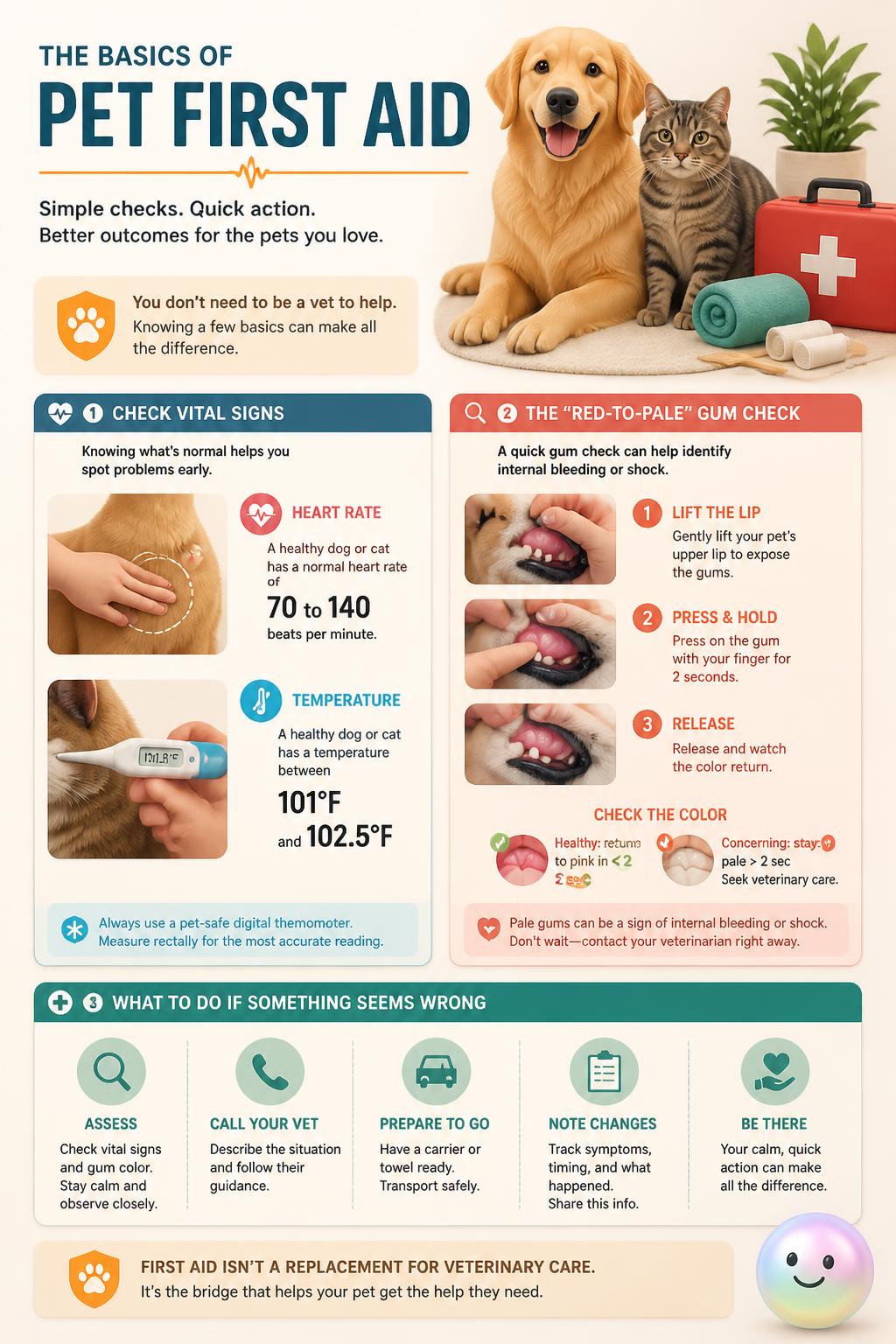
kenai Knowing how to check vital signs and perform basic CPR can save a pet's life during an emergency.
Quiz
How should a pet sitter handle feeding times in a multi-pet household to prevent food aggression?
Quiz
What percentage of dogs in multi-pet homes are estimated to show resource-guarding behaviors?
kenai Dog Tail-Wag Asymmetry
A shift to the right means a happy dog, but watch for a left-side tilt when they're nervous.
kenai Professional sitters feed dogs in separate, closed rooms and monitor toy sharing. This technique prevents sudden pack conflicts caused by resource guarding, which affects one in five dogs.
Quiz
What does a dog displaying 'whale eye' (showing the whites of their eyes) typically indicate?
Fun Fact
Cat stress signals: A cat wagging its tail is usually expressing high stress or frustration, which is the exact opposite meaning of a dog's happy tail wag.
Glossary
body language (noun)
The conscious or unconscious gestures and postures by which animals and humans communicate nonverbally. In 1997, Turid Rugaas published her study on calming signals, a vital form of canine body language.
The conscious or unconscious gestures and postures by which animals and humans communicate nonverbally. In 1997, Turid Rugaas published her study on calming signals, a vital form of canine body language.