Surviving the wave: the power of immediate evacuation
Millions of miles away: the cosmic lag of space
Trust on the frontline: the military shift to mission command
The choreography of the wild: swarm intelligence in nature

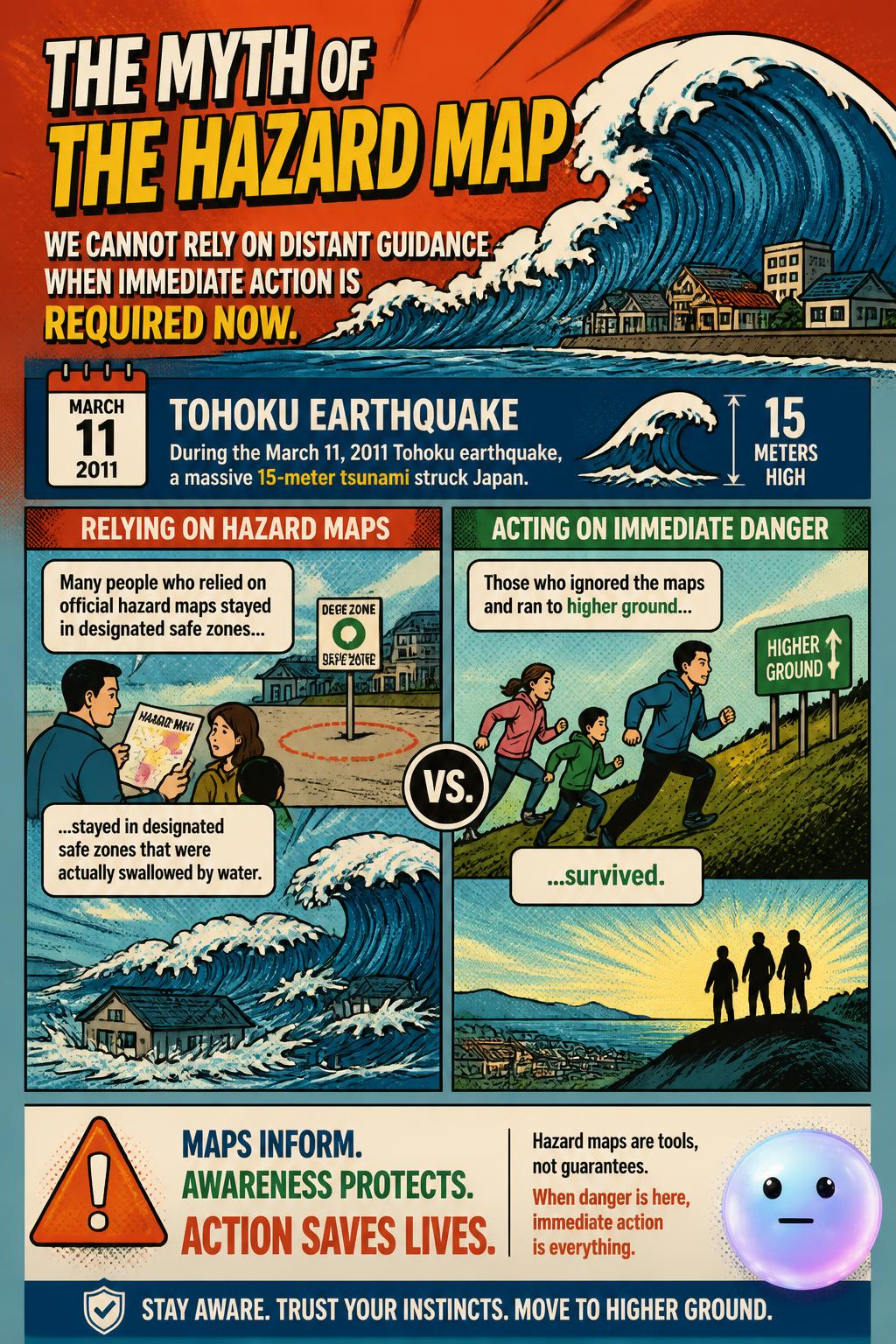
007skaty On March 11, 2011, a 15-meter tsunami swallowed Japan's designated safe zones, proving that immediate action saves lives when official guidance fails.
Why did some survivors in Kamaishi decide to flee past the designated safe zones shown on hazard maps?
On what date did the Tohoku earthquake and tsunami strike Japan, testing the limits of official hazard maps?
007skaty Disaster education prepared Kamaishi City students to survive a major tsunami.

007skaty The Kamaishi Miracle demonstrates why immediate local action must override waiting for instructions.
Which university professor helped design the disaster prevention program that trained Kamaishi's children to think independently?
What percentage of school-age children survived the 2011 tsunami in Kamaishi due to their rapid, independent evacuation?
Kamaishi survival: During the 2011 tsunami, Kamaishi students carried elderly neighbors on their backs and pulled carts to help them reach safety.
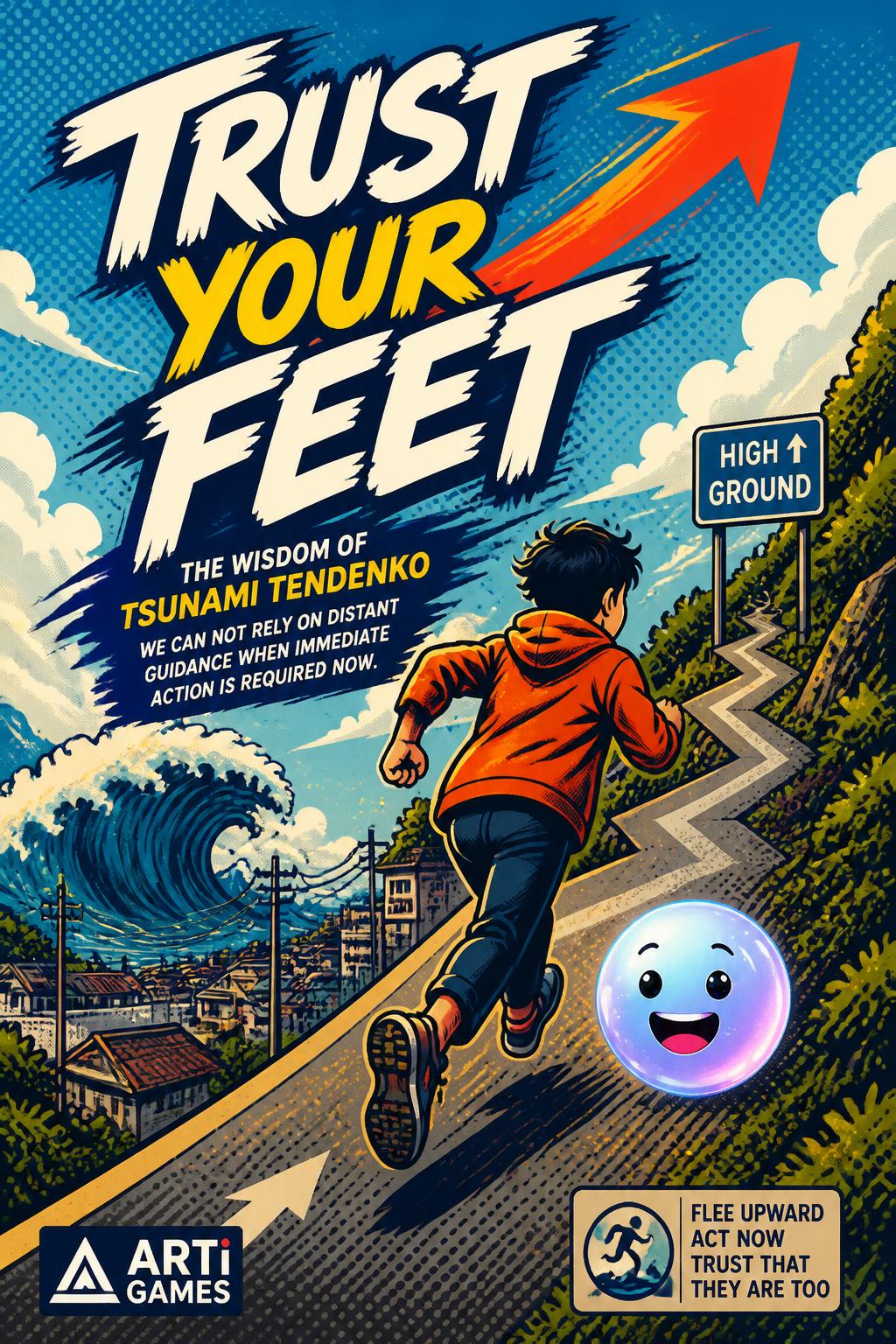
007skaty Step on the moving tiles to learn why immediate action beats waiting for distant guidance.
In which region of Japan did the cultural concept of tsunami tendenko originate to save lives from frequent waves?
What does the traditional Japanese phrase 'tsunami tendenko' literally encourage individuals to do?
The act of moving people from a place of danger to a safer location. During the 2011 Tohoku earthquake, 570 Kamaishi students survived by immediately fleeing to high ground.
In what year did the massive earthquake strike Mexico City, prompting citizens to form the rescue group 'Los Topos'?
What does the name of the Mexican volunteer rescue brigade 'Los Topos' translate to in English?