The ancient foundations of partnership
The comedic and loyal foils of the Renaissance
The Victorian detectives and chroniclers
Fantasy companions and the ultimate loyalists
Sidekicks of the comic book golden age to modern day
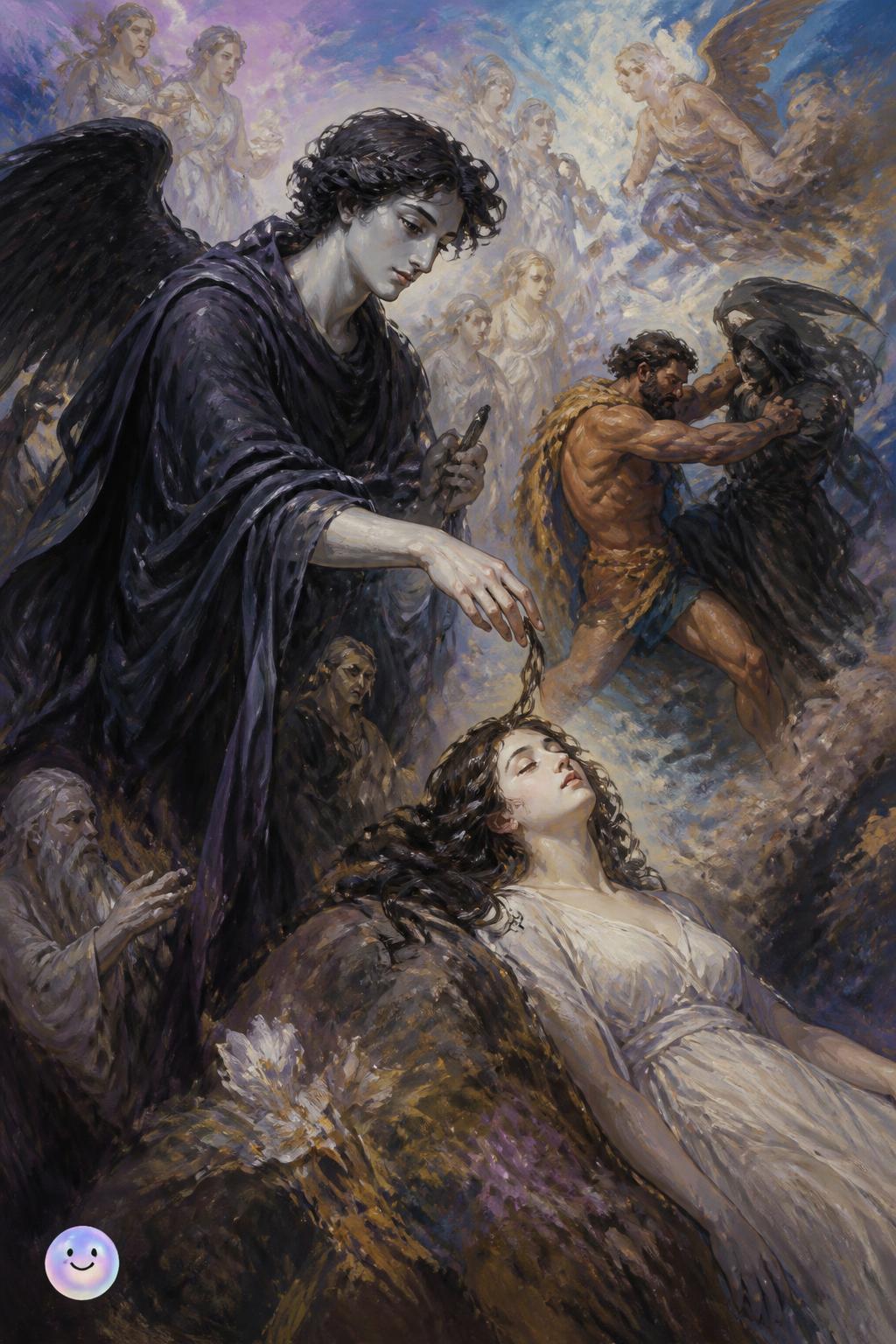
schopenhauer In 1605, Sancho Panza's realistic perspective balanced Don Quixote's fantasies and pioneered the literary foil dynamic.
Why was Zhu Bajie banished from heaven to Earth as a pig monster in Journey to the West?
What was Sancho Panza's original occupation before joining Don Quixote as a squire?
schopenhauer Explore the comedic and loyal sidekicks of Renaissance literature. Watch how these classic foils influenced storytelling from antiquity to pop culture.
schopenhauer The lazy pig monster Zhu Bajie is a greedy, rake-carrying sidekick in classical Chinese literature.

schopenhauer The half-pig, half-human companion in Journey to the West provides comic relief and moral lessons.
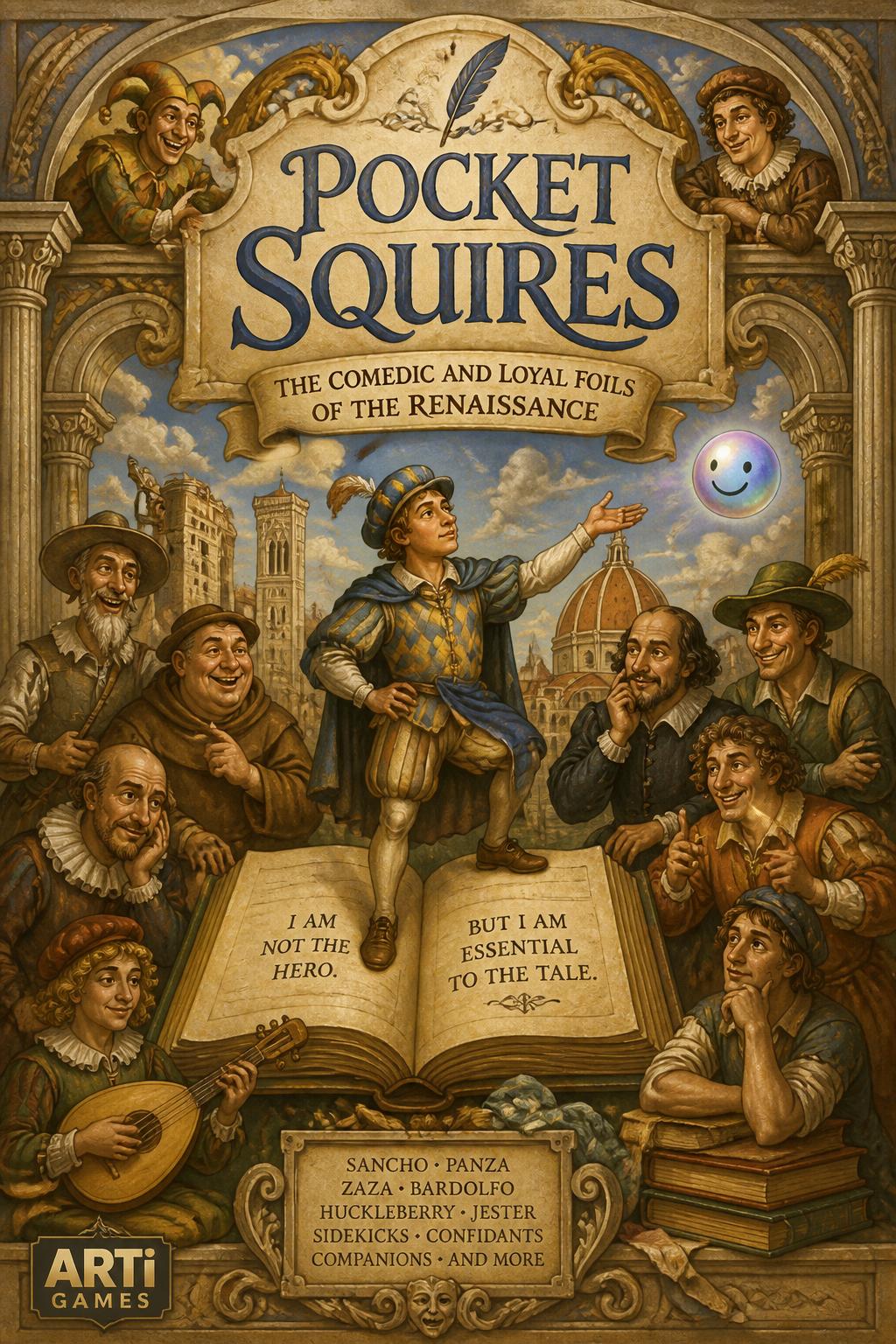
schopenhauer Sort famous sidekicks into their proper eras to learn how heroic companions evolved over time.
schopenhauer In King Lear, the Fool uses jokes to show the king's madness, turning sidekicks into truth-tellers.
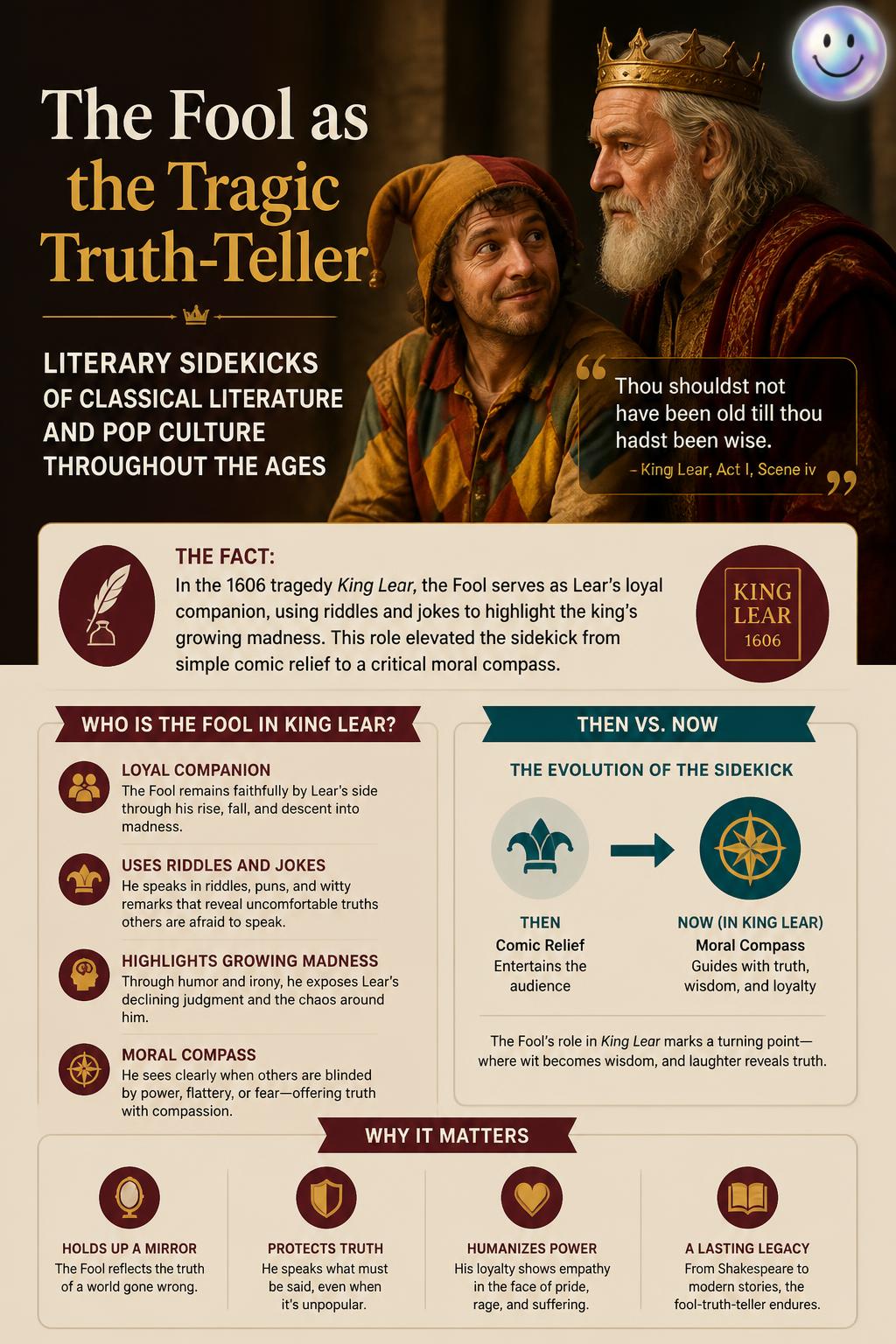
schopenhauer Shakespeare's court jesters act as sidekicks who speak hard truths to powerful, blind leaders.
Which loyal sidekick acts as a tragic truth-teller in Shakespeare's King Lear?
schopenhauer Renaissance Literary Foils
Like a shiny foil, backing up a gem, making heroes shine!
Don Quixote's impact: The word 'quixotic,' meaning foolishly impractical, was coined directly from Cervantes's famous delusional knight.
A person or thing that contrasts with and emphasizes the distinctive characteristics of another. Sancho Panza acts as a realistic, humorous companion to the delusional protagonist in Cervantes' 1605 masterpiece.