The hunt for alien worlds
The leading candidates
The great exomoon debate
The future of alien moon hunting
YOUR GOAL
Master of The search for our first alien moon
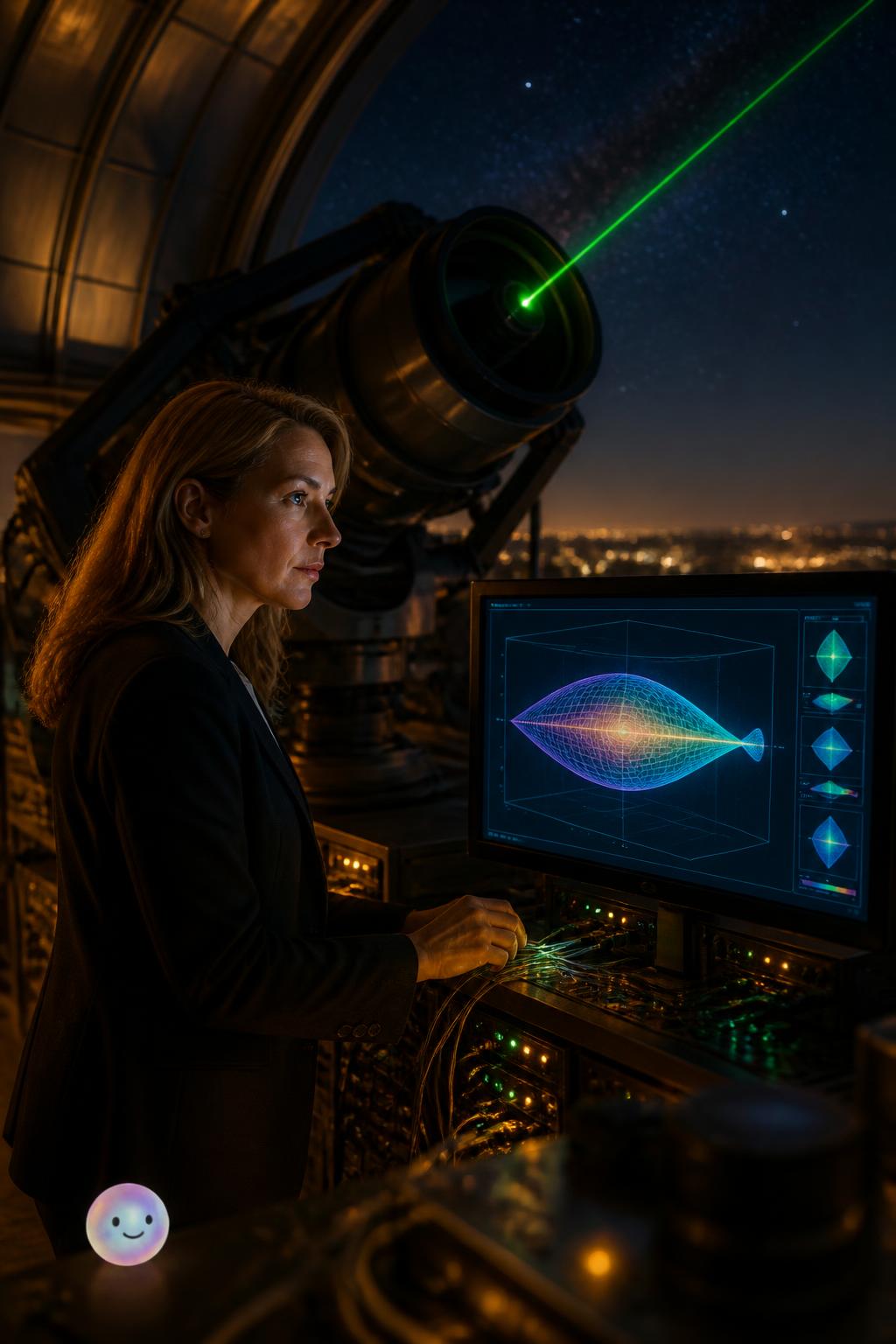
007skaty The Hunt for Alien Worlds
Deep in the starry dark where giant planets spin, We found a hidden moon that’s Neptune's cosmic twin!
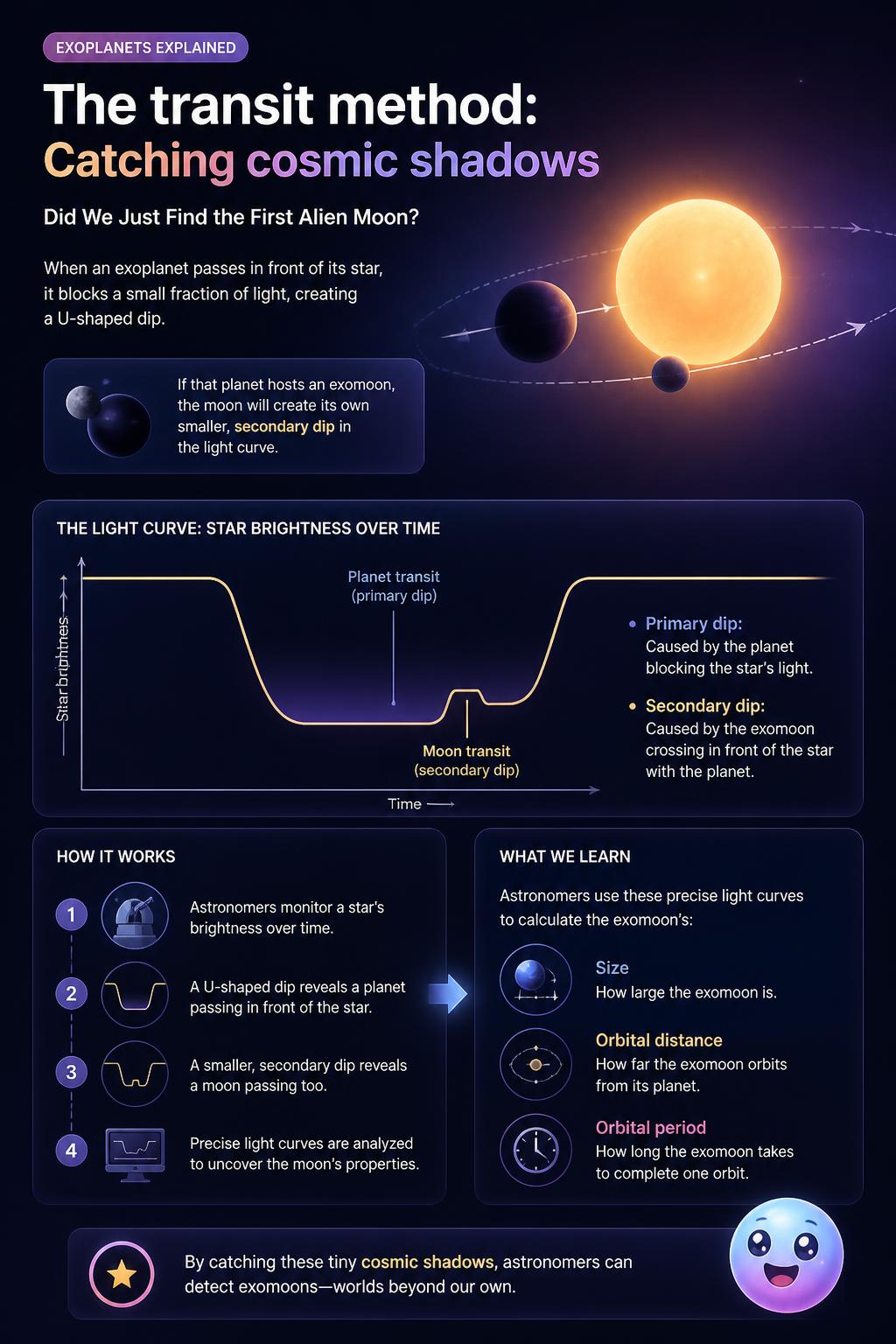
007skaty When an exoplanet and its exomoon block starlight, their U-shaped dips allow astronomers to calculate the moon's size,
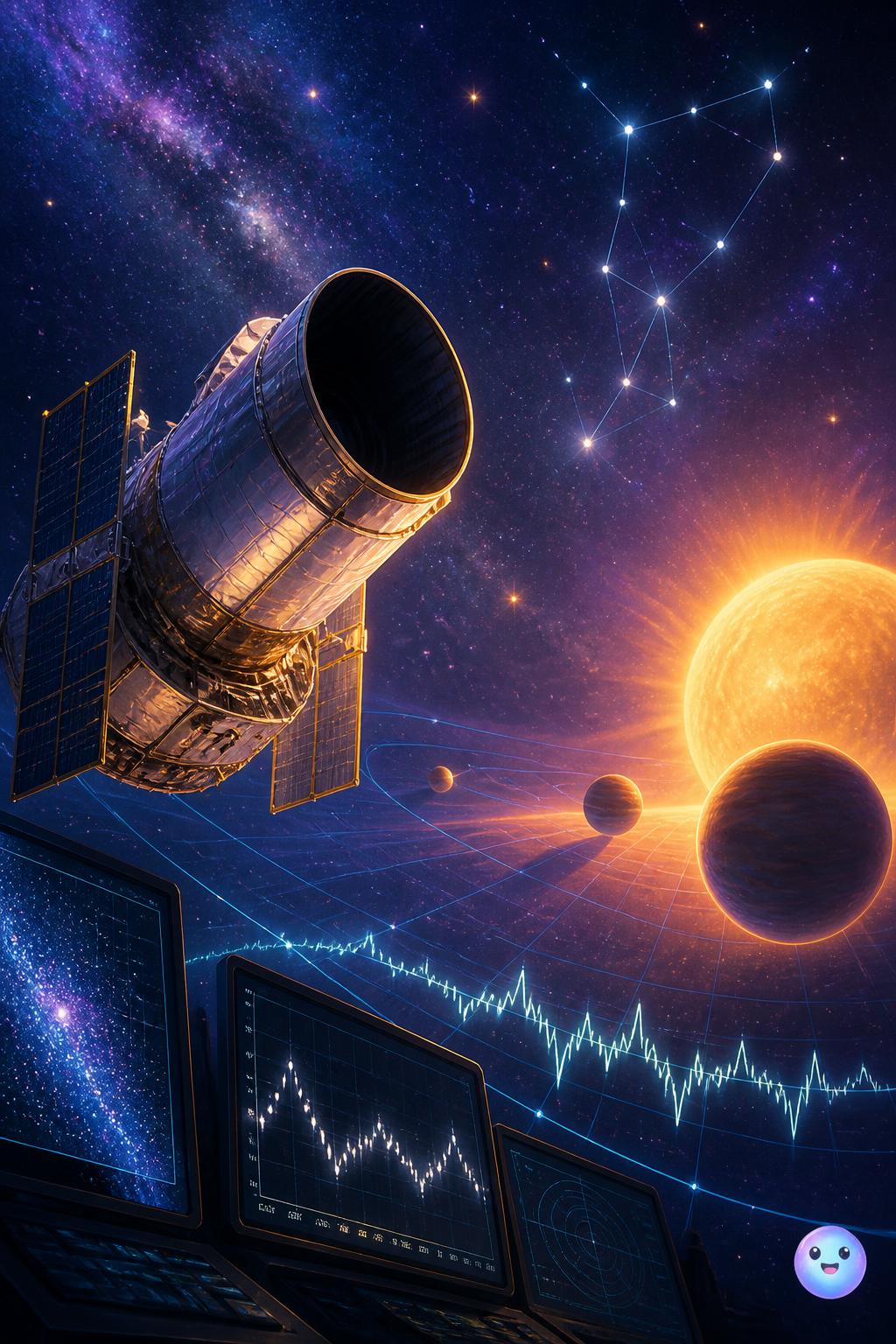
007skaty Columbia University astronomers analyze high-precision light curves to detect tiny alien moon shadows.
007skaty Spot the extra shadow to discover how astronomers hunt for the first alien moon.
Exomoon abundance: While we haven't confirmed any exomoons yet, scientists estimate there could be billions of them in our Milky Way galaxy alone.
A natural satellite that orbits a planet located outside of the solar system. In 2018, Columbia University astronomers analyzed Kepler-1625b data to identify a potential Neptune-sized candidate.
In astronomy, what is the term for the gravitational boundary region around a planet where it can successfully hold onto a moon?
Why are the first suspected exomoons giant, gas-rich worlds rather than small, rocky bodies like our own Moon?
What is the name of the astronomical method that detects exomoons by measuring the tiny dip in starlight as they pass in front of a star?
How many confirmed exomoons—moons orbiting planets outside our solar system—have been universally agreed upon by scientists as of 2026?
Which NASA space telescope, launched in 2009, provided the primary transit data used to identify the first major exomoon candidates?
How many moons are currently known to exist within our own Solar System, acting as the inspiration for finding exomoons?
What does the letter 'i' represent when astronomers write the name of a candidate exomoon like Kepler-1625b I?