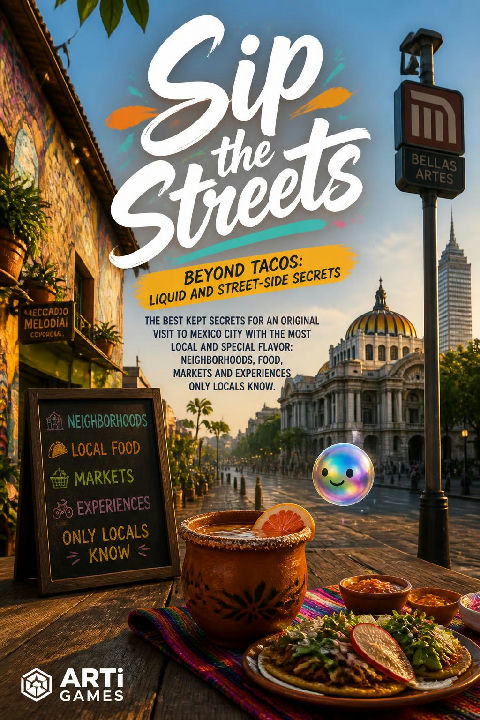
Sip the Streets Educational Game
Play the Sip the Streets educational game. Challenge yourself and learn through this interactive street-themed gameplay experience.
The neighborhoods time forgot
Beyond tacos: Liquid and street-side secrets
Tianguis and magic: Markets the tourists miss
Ancient green lungs of the city

airbnb Central Mexicans shaped these blue corn pockets thousands of years before Spanish arrival. Today, cooks top them with fresh nopales cactus, vibrant salsa, cilantro, and crumbled cotija cheese.
airbnb In 1950s Tlaxcala, cooks layered hot fillings with boiling oil inside a basket. This insulated wicker container traps the heat to steam the tacos for hours.
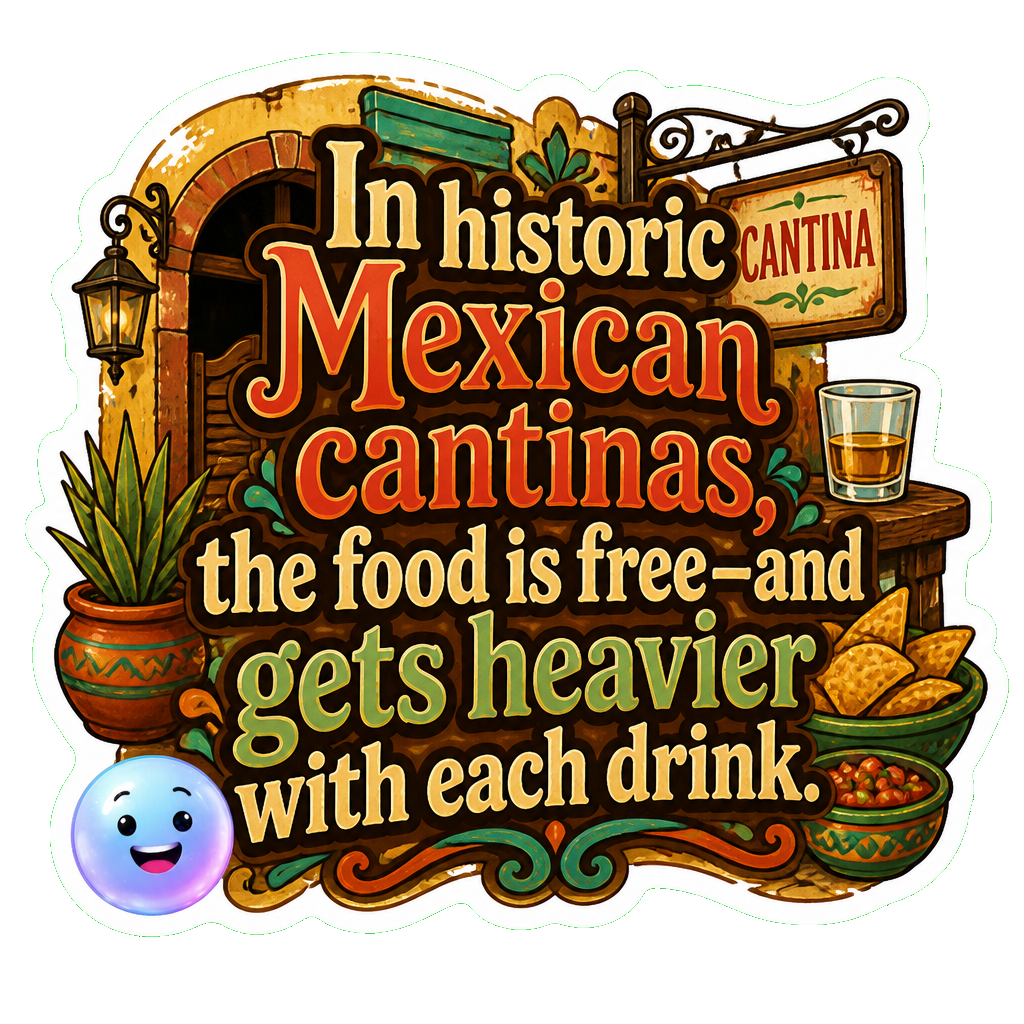
airbnb At La Peninsular, founded in 1872, patrons receive increasingly larger dishes like warm broth and slow-cooked stews for every drink they buy.
airbnb Aztecs revered this sap as a sacred drink of the gods. Today, young chilangos in Mexico City revive historic taverns with fruit-flavored versions called curados.
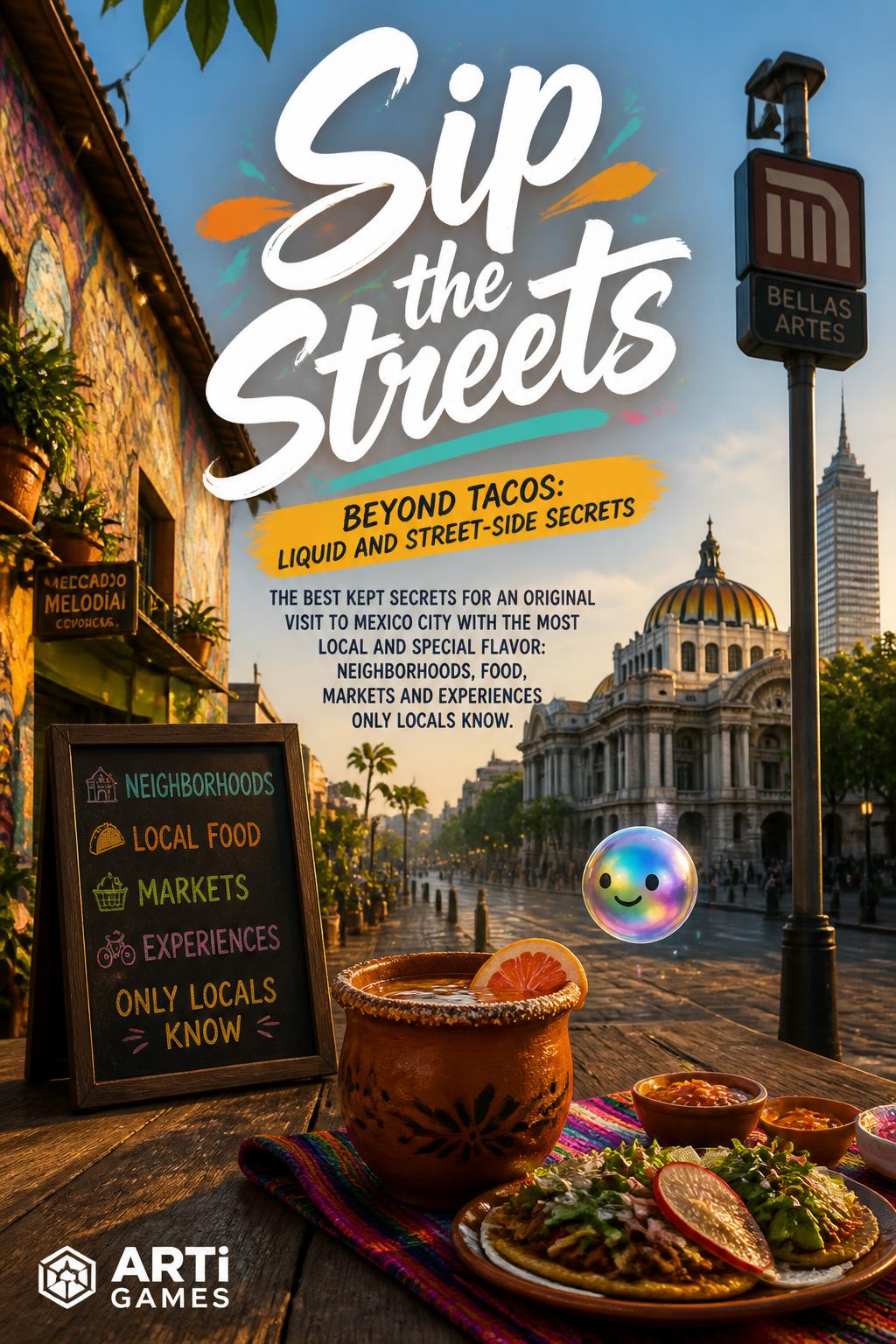
airbnb Swipe the correct street drinks to discover the hidden flavors of Mexico City's neighborhoods.
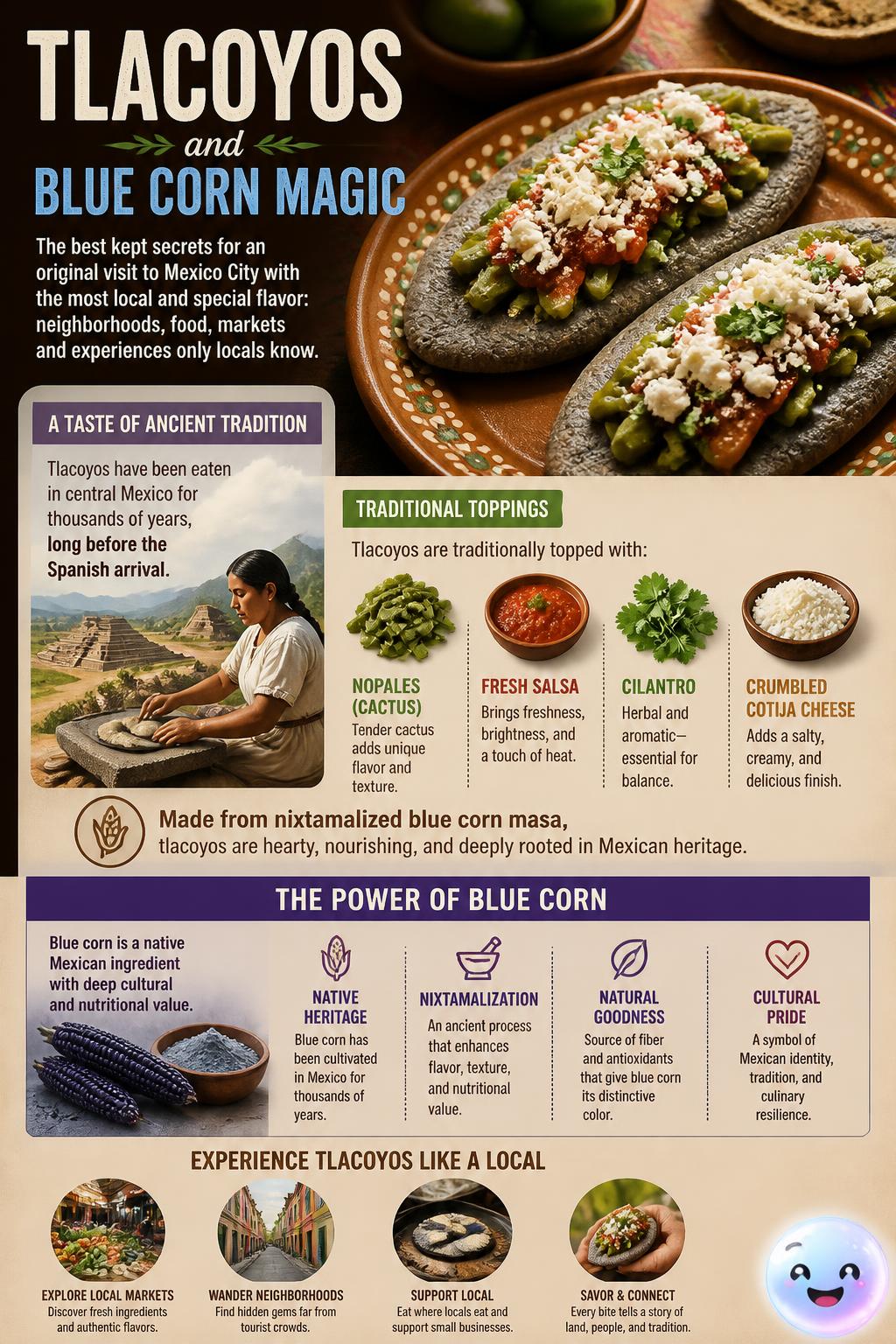
airbnb Oval-shaped pre-Hispanic patties made of blue corn dough, stuffed with beans or cheese, and cooked on a comal.
Sacred sap: Pulque is fermented from the sap of the maguey plant, which takes up to twelve years to mature before it can be harvested.
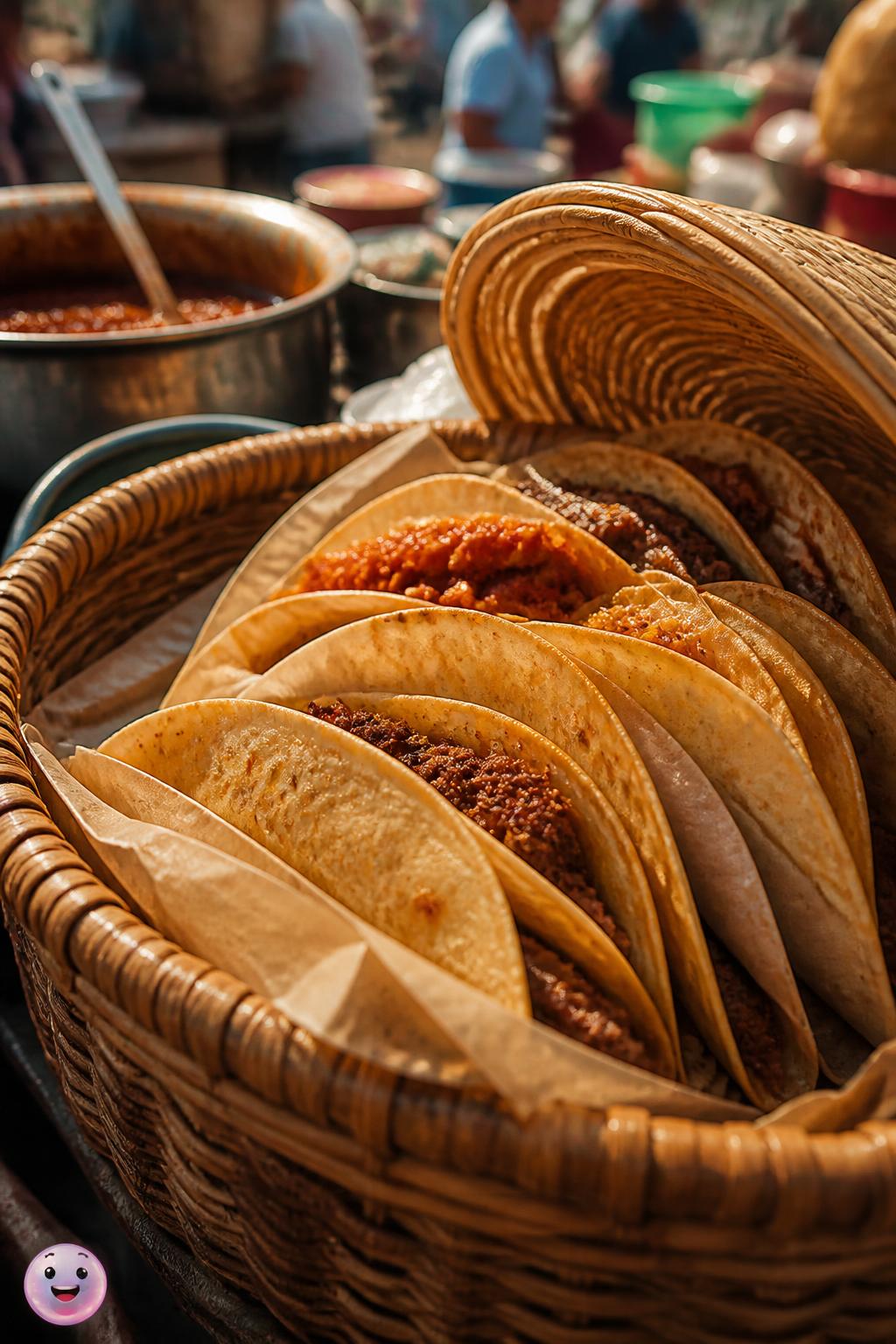
airbnb Steaming, sweat-cooked tacos transported in cloth-lined wicker baskets that are a staple of morning commuters.
A traditional Mexican alcoholic beverage made by fermenting the sap of the maguey plant. Dating to the Aztec empire, this viscous beverage remains a staple in Mexico City's historic neighborhood pulquerías.
In traditional Mexico City cantinas, what is the term for the complimentary food served with drinks?
What is the traditional shape of a tlacoyo, the ancient blue corn street food found in Mexico City?
What keeps traditional Mexican tacos de canasta warm and soft during street transport?
From which Mexican state did the famous 'tacos de canasta' (basket tacos) sold in Mexico City originate in the 1950s?
What are flavored versions of the traditional Mexican drink pulque, mixed with fruits, nuts, or celery, called?