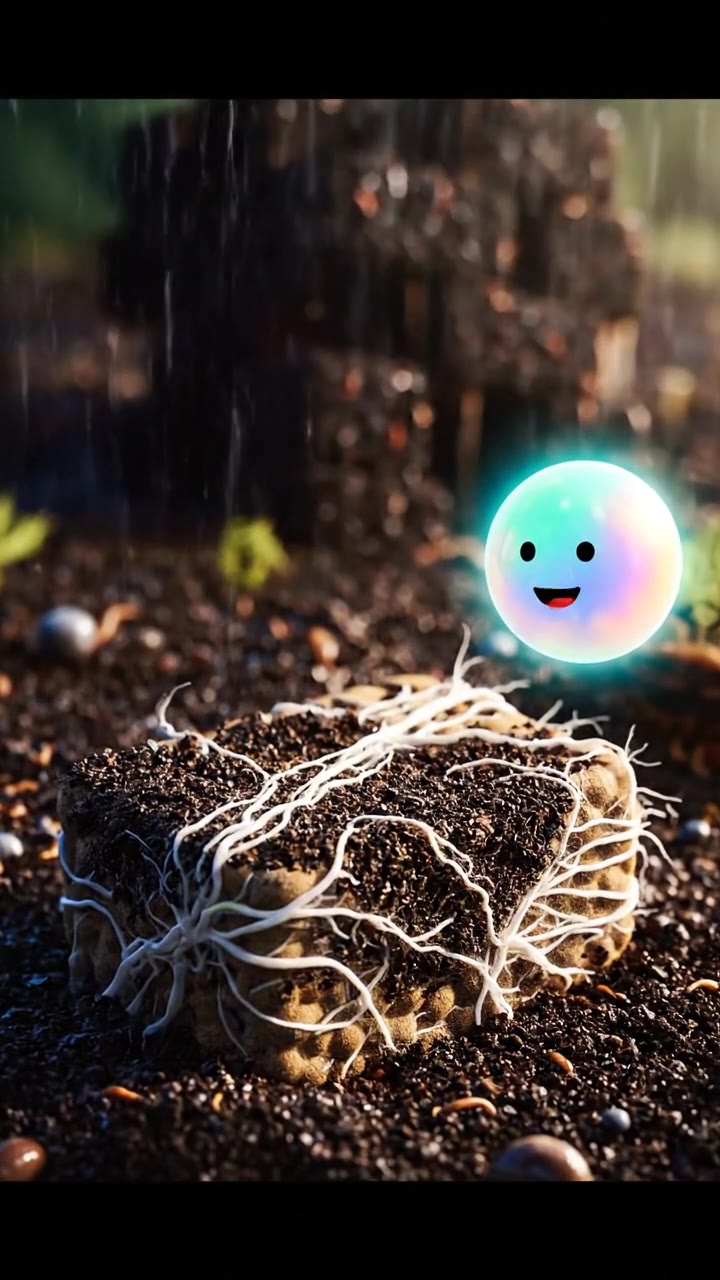
Mushroom Tower: Fungi-Led Design
In 2014, architect David Benjamin built the 'Hy-Fi' tower at MoMA PS1 in New York using 10,000 grown mycelium bricks. The 40-foot-tall structure stood for the summer, proving that organic bricks can withstand wind and weather. At the end of the exhibition, the entire tower was composted and distributed to local community gardens.
Nature's ultimate glue
Replacing plastic and packaging
Building the future with fungi
Cleaning the earth and circular systems

sonia Watch how researchers are using fungi-led design to grow sustainable homes on Mars. Explore the future of space habitats and biotechnology.
sonia Discover how fungi-led design is shaping the future of architecture with self-healing concrete and sustainable fungal walls in this video.
sonia Watch how a tower grown from mushrooms is built and explore the future of sustainable architecture through innovative fungi-led biodesign.
sonia Designers grow non-toxic mycelium wall tiles that absorb sound waves better than irritating fiberglass panels.
sonia Mycelium Architecture
We built a towering monument out of mushroom bricks, then let it melt back into the earth.
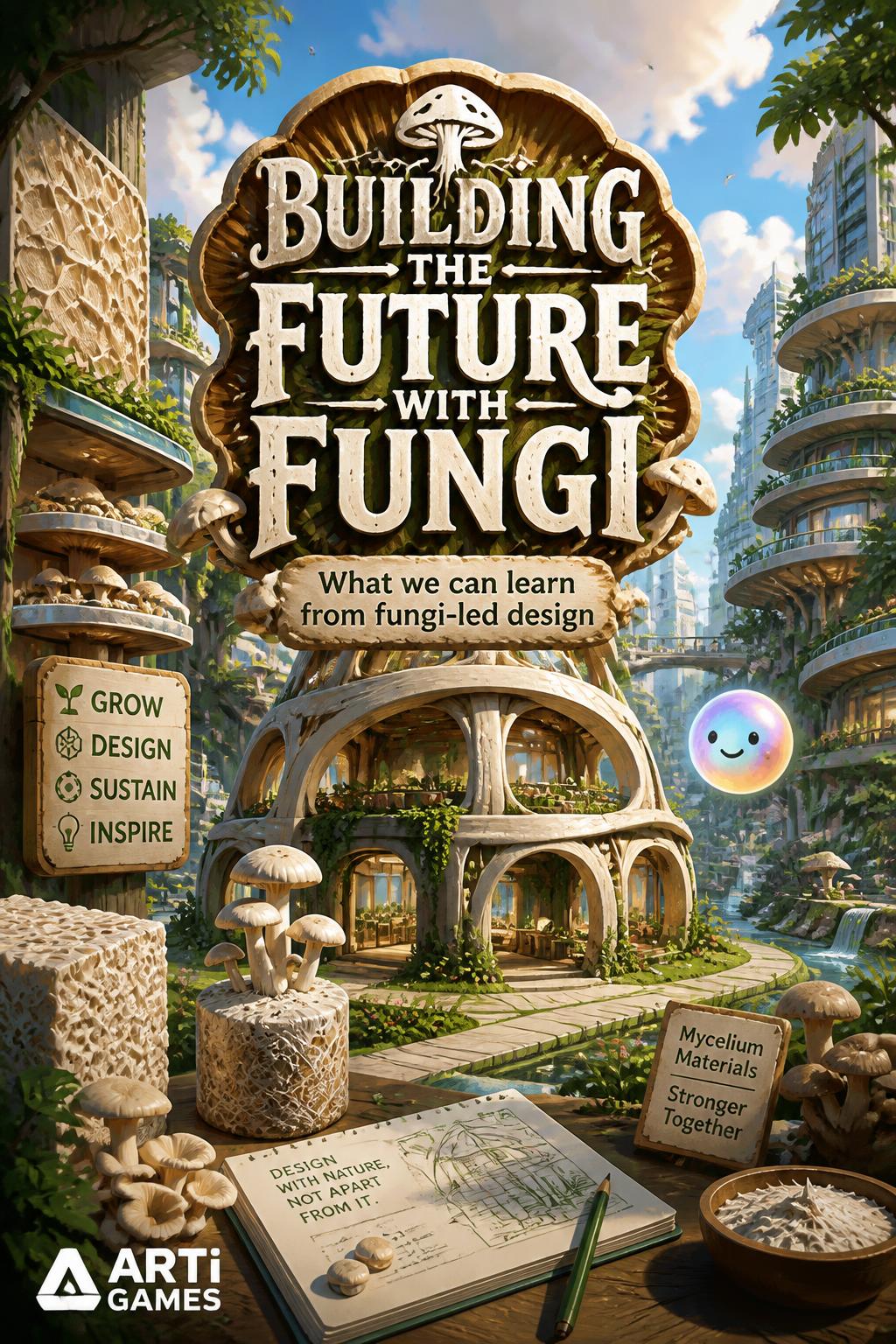
sonia Stack mycelium bricks to discover how fungi-led design builds a sustainable future.
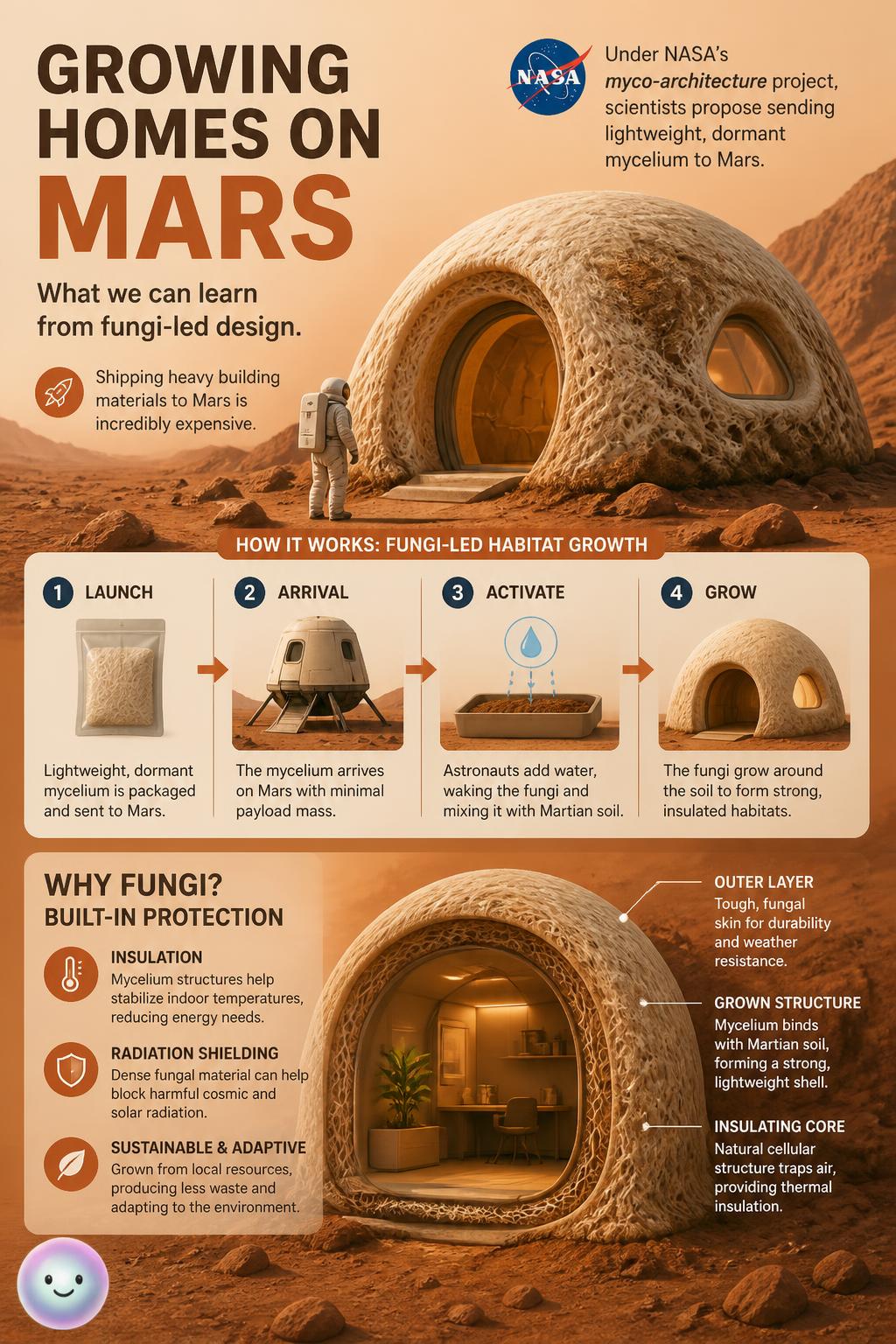
Martian mushroom homes: NASA is testing mycelium structures because fungi can survive extreme radiation, making them perfect shields on Mars.
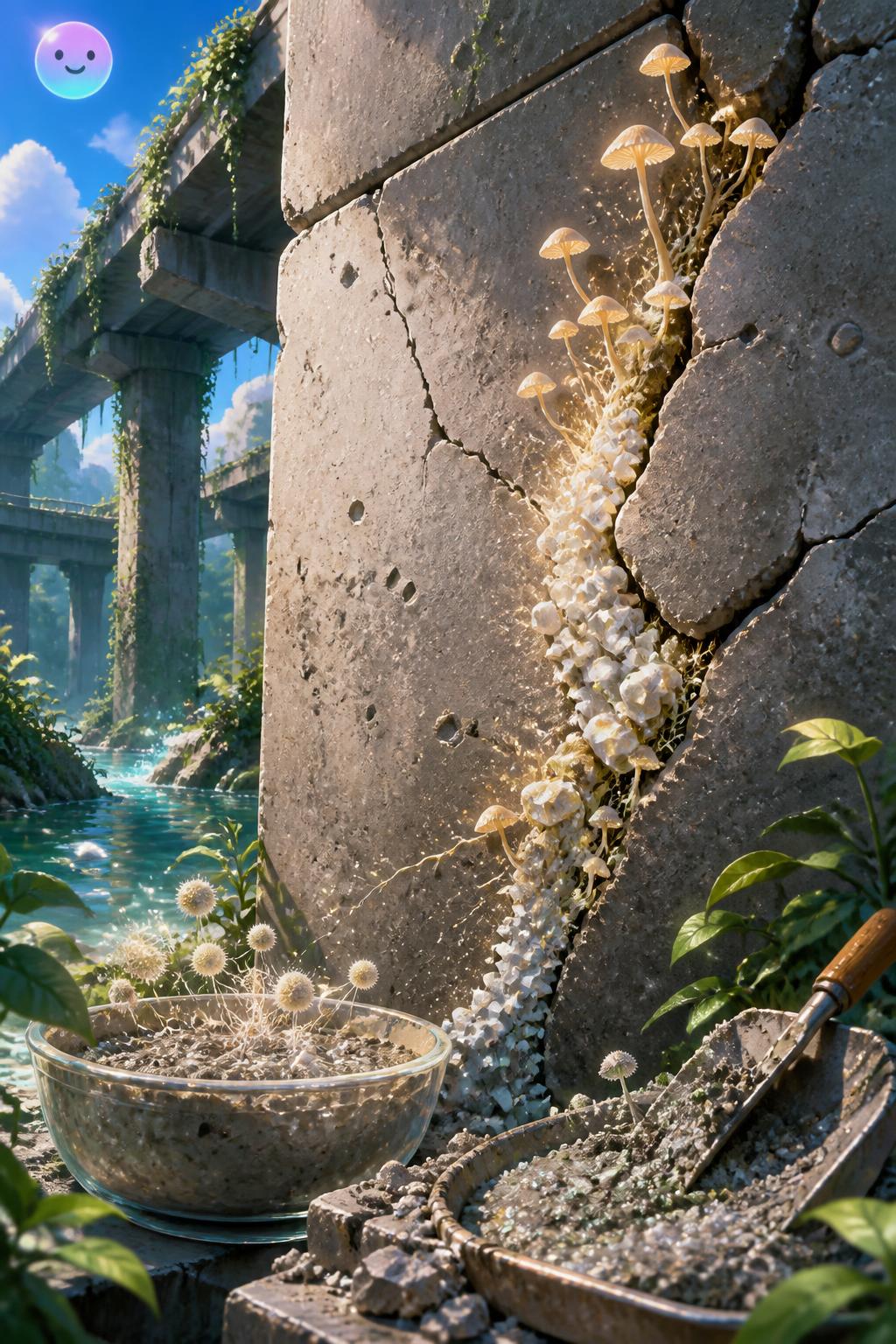
sonia Scientists are developing fungal concrete that can automatically repair its own cracks.
The vegetative part of a fungus, consisting of a network of fine branching filaments. Syracuse University professors Zhao Qin and Nina Sharifi model this organic network for sustainable architectural applications.