The art of river crossings and grids
Ancient riddles and philosophical paradoxes
Lateral thinking and creative loopholes
Game theory and probability traps
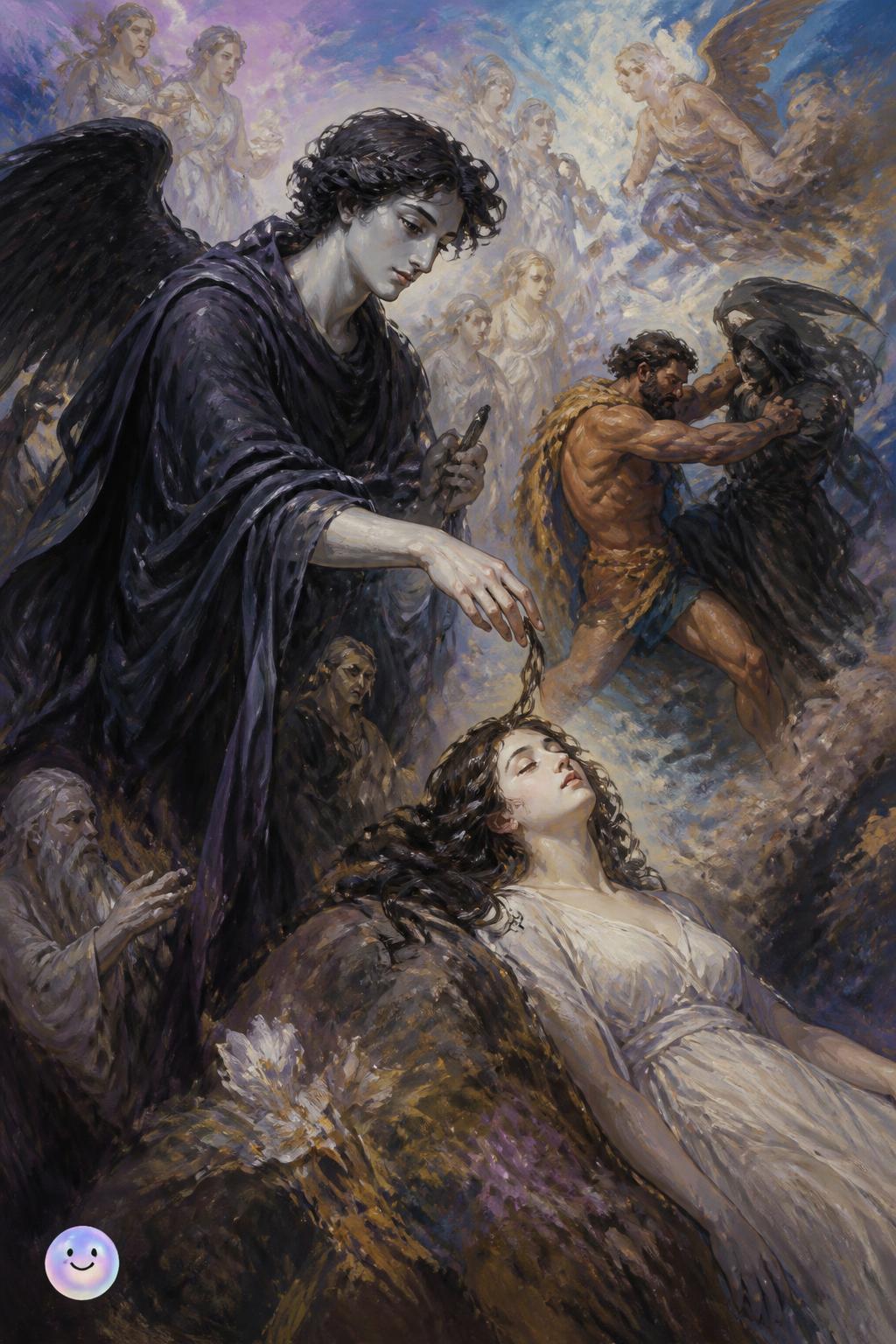
In the famous riddle where a bartender points a gun at a customer asking for water, what was the customer's actual ailment?
Which type of reasoning draws a general conclusion from specific observations, unlike deductive logic?
schopenhauer Lateral Thinking
Outside the box, outside the box! Just draw your lines outside the box!
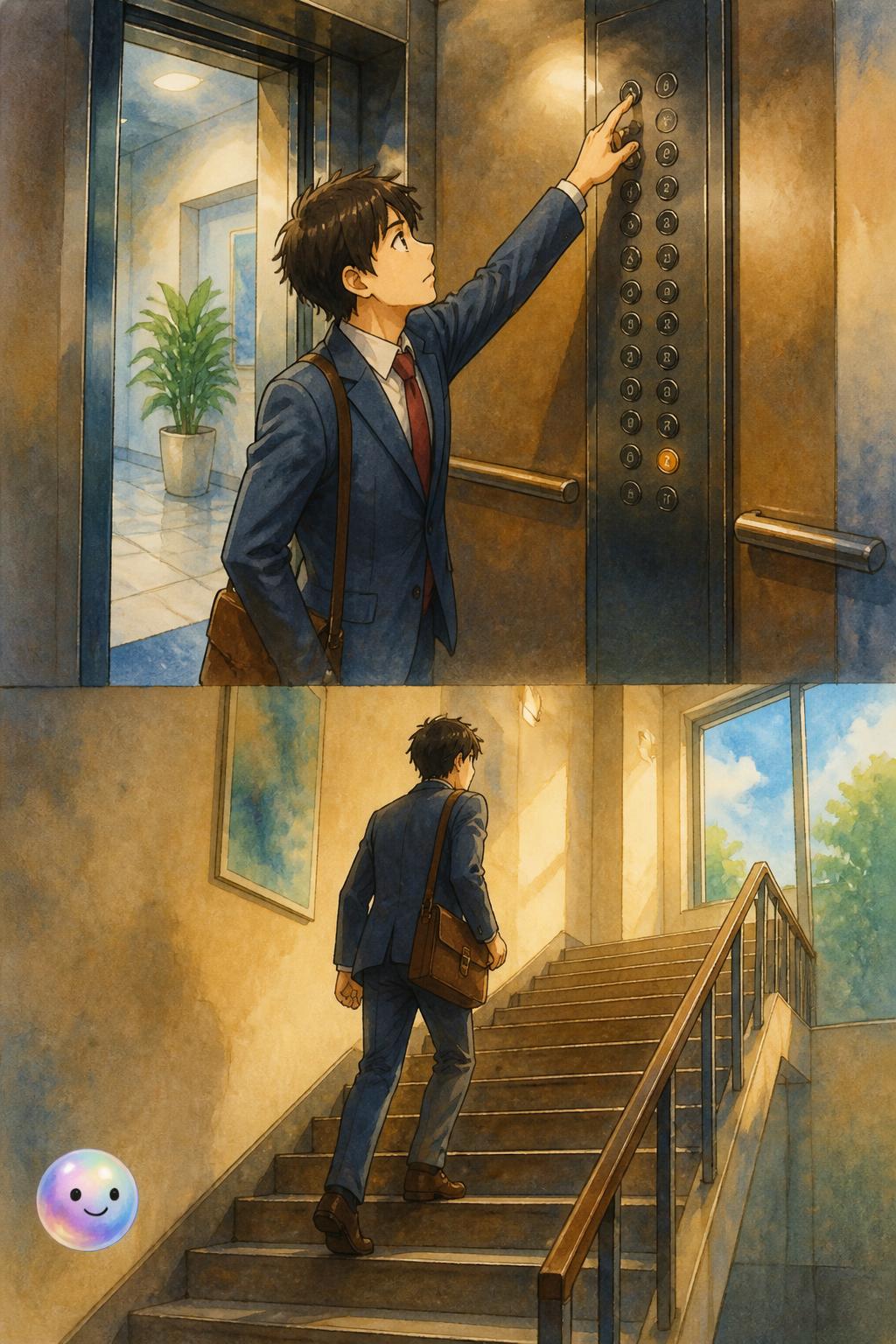
schopenhauer This famous riddle about a short man's elevator habits exposes how easily our brains overlook simple physical constraints.
Who coined the term 'lateral thinking' in 1967 to describe solving problems through creative, indirect methods?
In the 'surgeon and son' riddle, what historical bias did the puzzle originally exploit to trick listeners?
Lateral thinking: The term 'lateral thinking' was coined by Maltese psychologist Edward de Bono in 1967 to describe solving problems through unorthodox, creative reasoning.
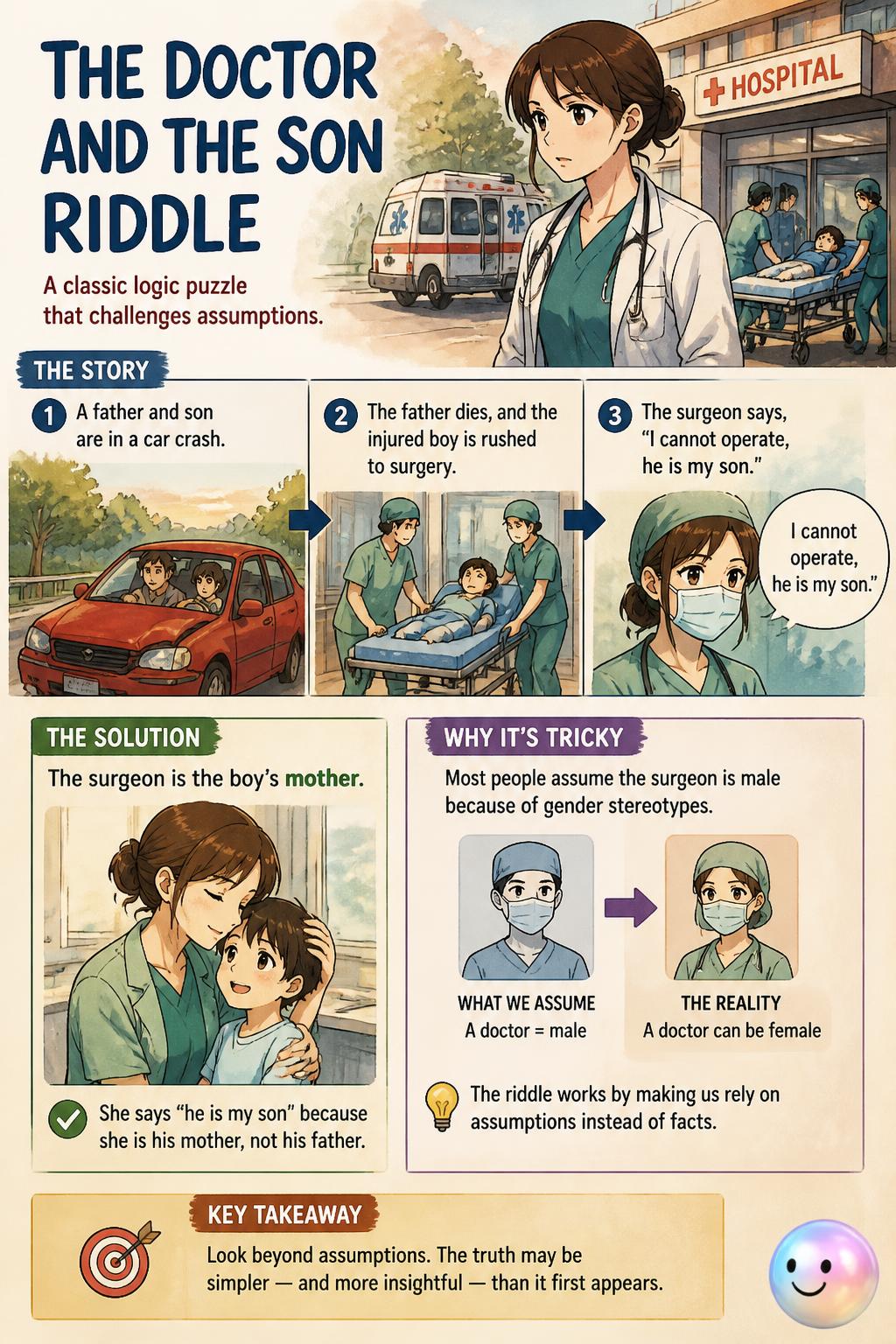
schopenhauer This riddle targets cognitive biases and cultural assumptions, revealing how our brains jump to conclusions.
In a classic lateral thinking puzzle, why does a short man take the elevator only to the 10th floor instead of his 15th-floor home?
What cognitive bias causes people to focus heavily on the first piece of information they encounter when making decisions?
A method of solving problems by using an indirect and creative approach, typically through unconventional logic. Edward de Bono coined the term in 1967, explaining how unconventional reasoning solves complex logic puzzles.
If you have a 4-minute hourglass and a 7-minute hourglass, what is the minimum total time needed to measure exactly 9 minutes?

schopenhauer Flip the hourglasses at the perfect moment to master classic sand timer logic puzzles.
In the classic 'two doors guarded by two truth/lie keepers' puzzle, what must you ask to find the safe door?