Secrets hidden in our food
Words born from ancient myths
Words created by accident
Global travelers in English
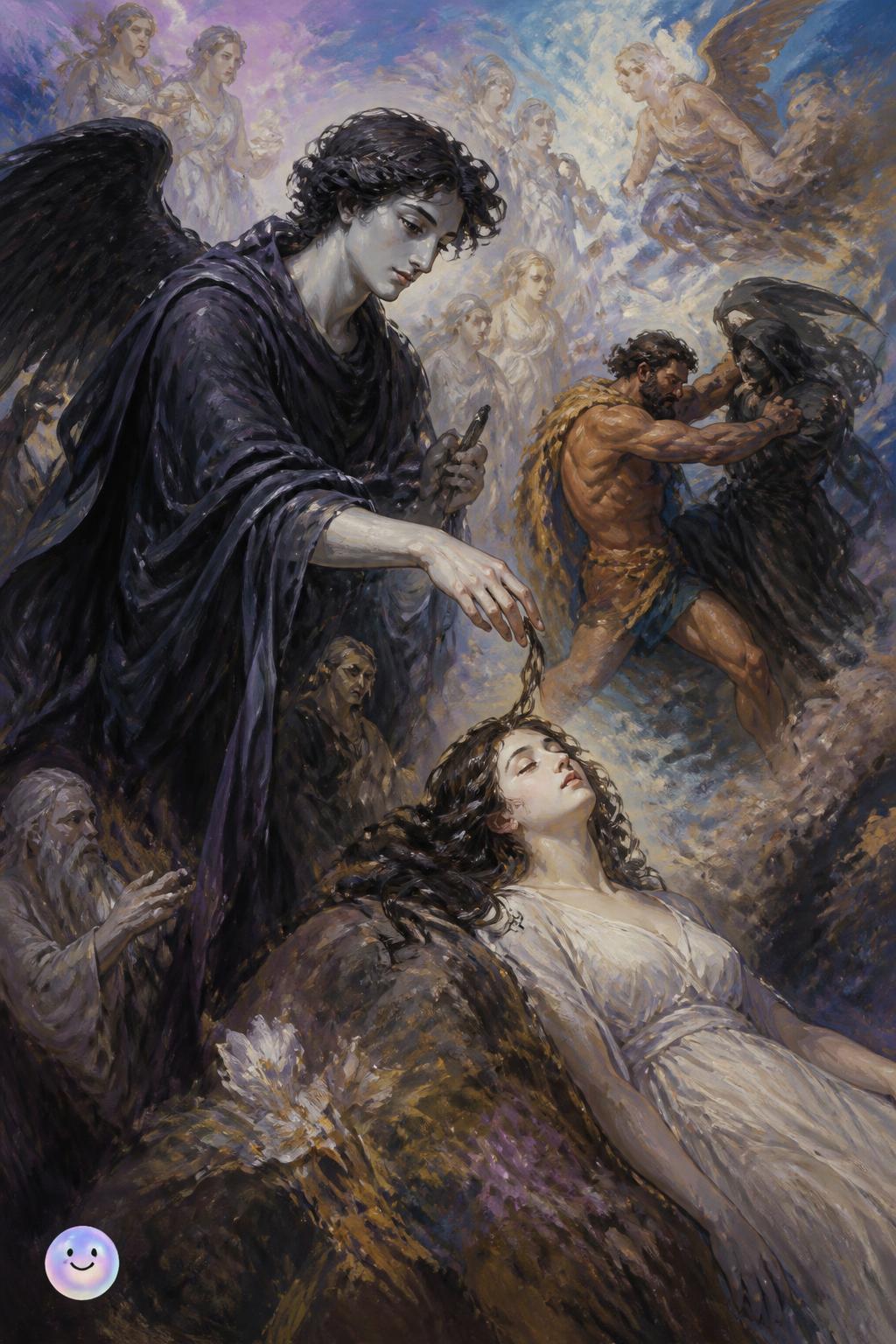
schopenhauer Travelers attributed unexplained woodland noises to the god Pan, coining panikon to describe sudden, overwhelming fear.
Which word for a long, adventurous journey comes from the name of a Greek hero who spent ten years traveling home?
The word 'clue' originally referred to what physical object used in the myth of the Minotaur?
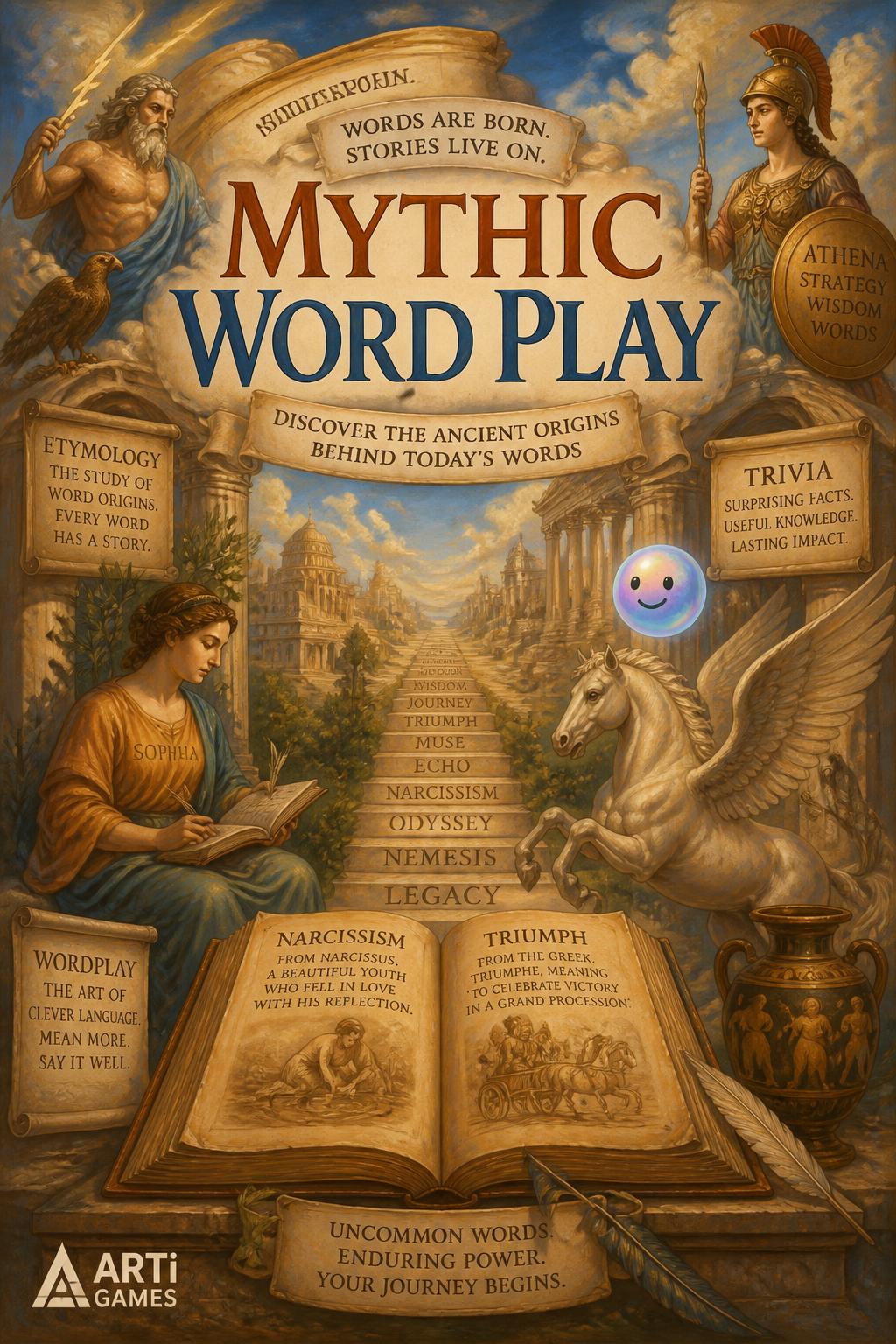
schopenhauer Match modern words to ancient myths to discover the surprising origins of everyday vocabulary.
schopenhauer Uncover the surprising mythological origin of the word cereal. Watch to learn fascinating etymology trivia and high-yield vocabulary.
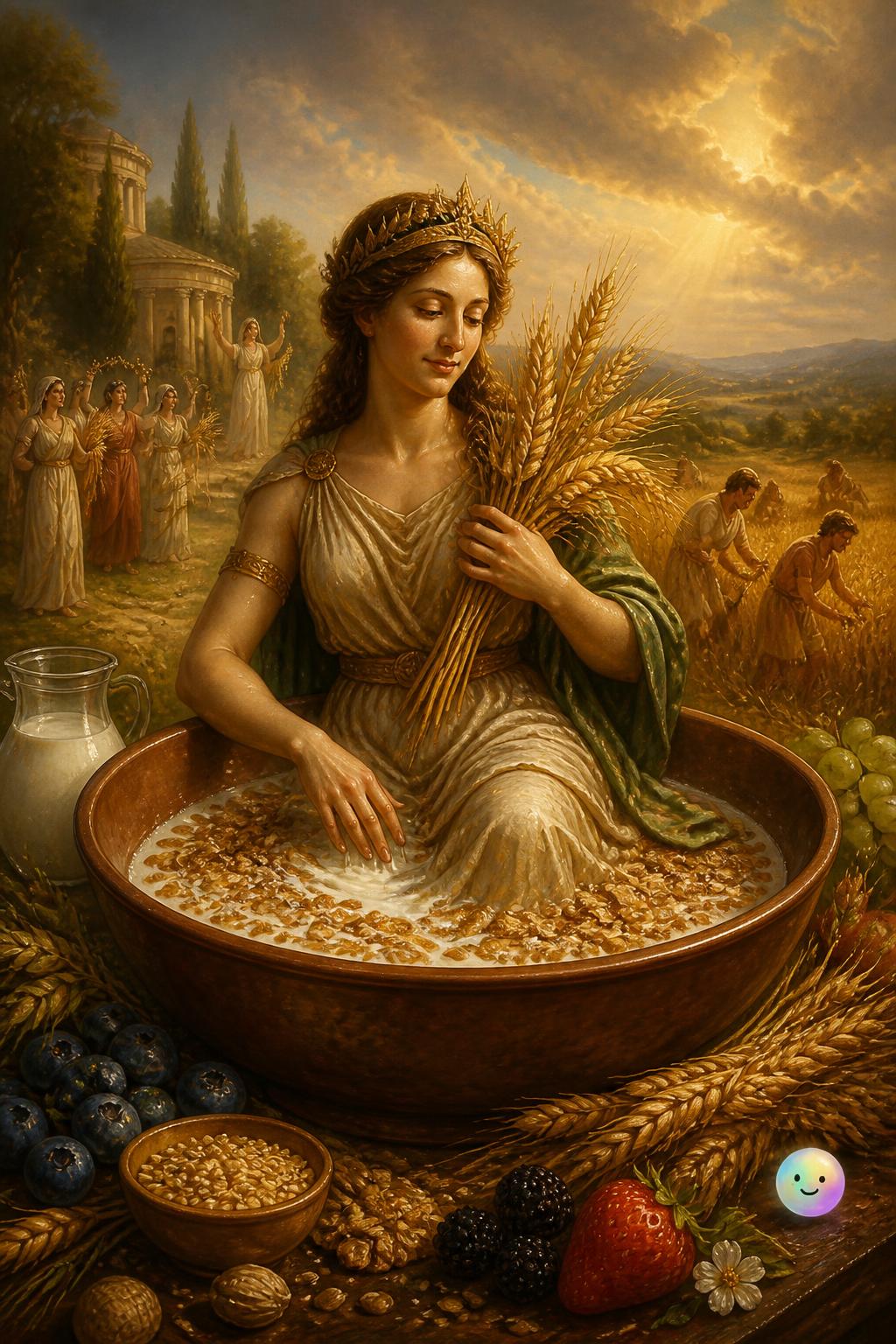
schopenhauer The word 'cereal' honors Ceres, the Roman goddess of agriculture, grain crops, and motherly love.
Which mythological king was punished with eternal hunger and thirst, inspiring the word 'tantalize'?
schopenhauer Word Origins from Myth
Ariadne's red thread, mapping the maze, now it's a clue!
schopenhauer Uncover the fascinating origin of the word "mentor." Explore the history, wordplay, and trivia behind this term for a trusted guide.
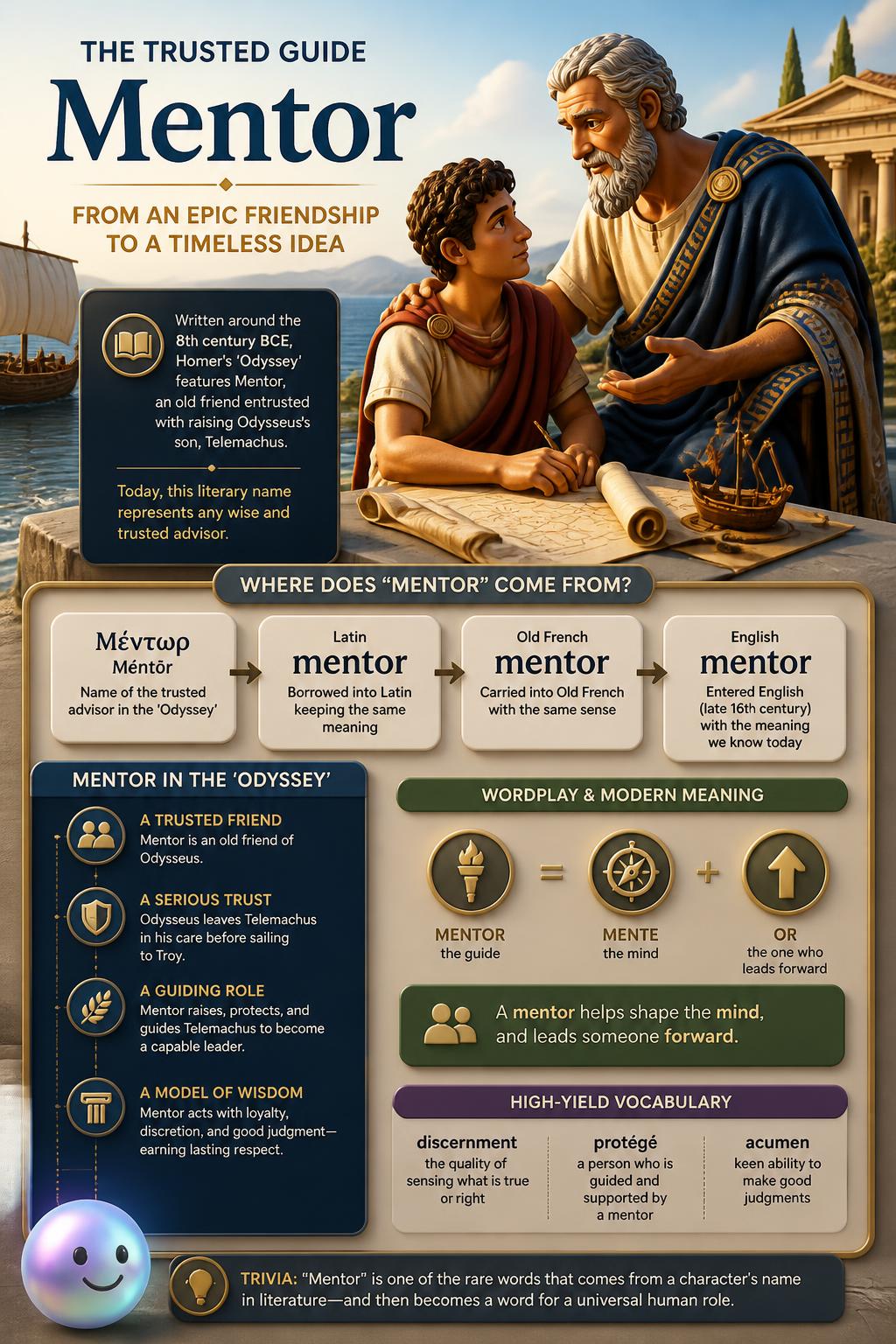
schopenhauer The word 'mentor' was originally a specific character in Homer's epic poem who guided a young prince.
Echo's myth: The word echo comes from a Greek nymph cursed by Hera to only repeat the last words spoken to her.
schopenhauer Punished with receding food and water, Greek mythology's Tantalus inspired the 16th-century English word 'tantalize'.
To torment or tease someone with the sight or promise of something that is unobtainable. The word originates from King Tantalus, whom Zeus punished with eternally receding food and water.