BETA

On December 17, 1903, Orville and Wilbur Wright achieved the first powered, controlled flight of a heavier-than-air aircraft in Kitty Hawk, North Carolina. Their glider-like Flyer stayed airborne for 12 seconds, traveling 120 feet, and fundamentally revolutionized global transportation and warfare.
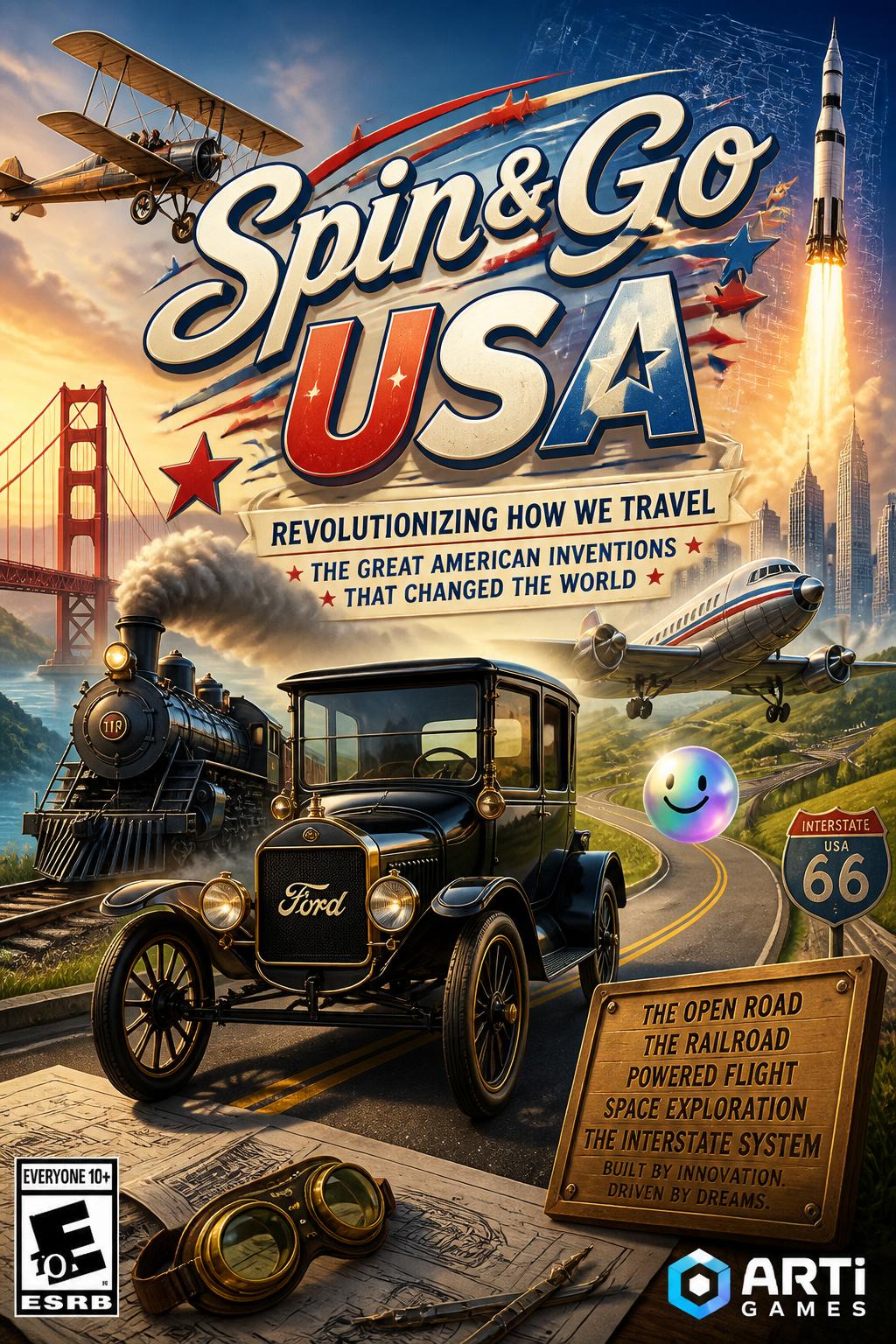
sloane Spin the wheel to discover the great American inventions that changed the world.
sloane In 1926, Robert Goddard launched the first liquid-fueled rocket, proving principles that enabled space exploration.
sloane Ford Model T
Henry Ford's design, a game-changer true, Made the open road accessible to you!
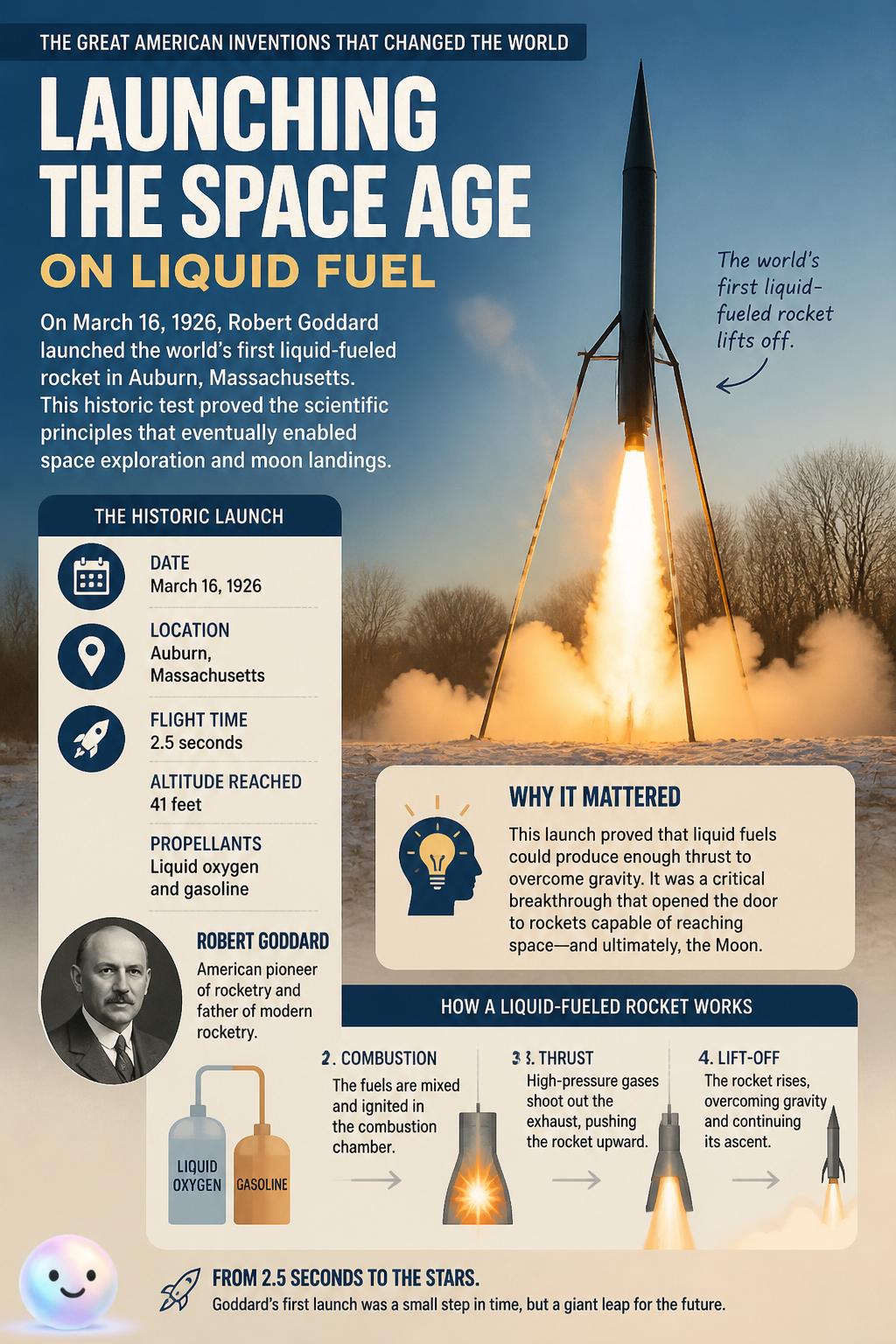
sloane Robert Goddard launched the first liquid-fueled rocket, proving the technology required for future space travel.
Airplane wings: The Wright brothers used lightweight muslin cotton, typically used for ladies' underwear, to cover the wings of their historic 1903 flyer.
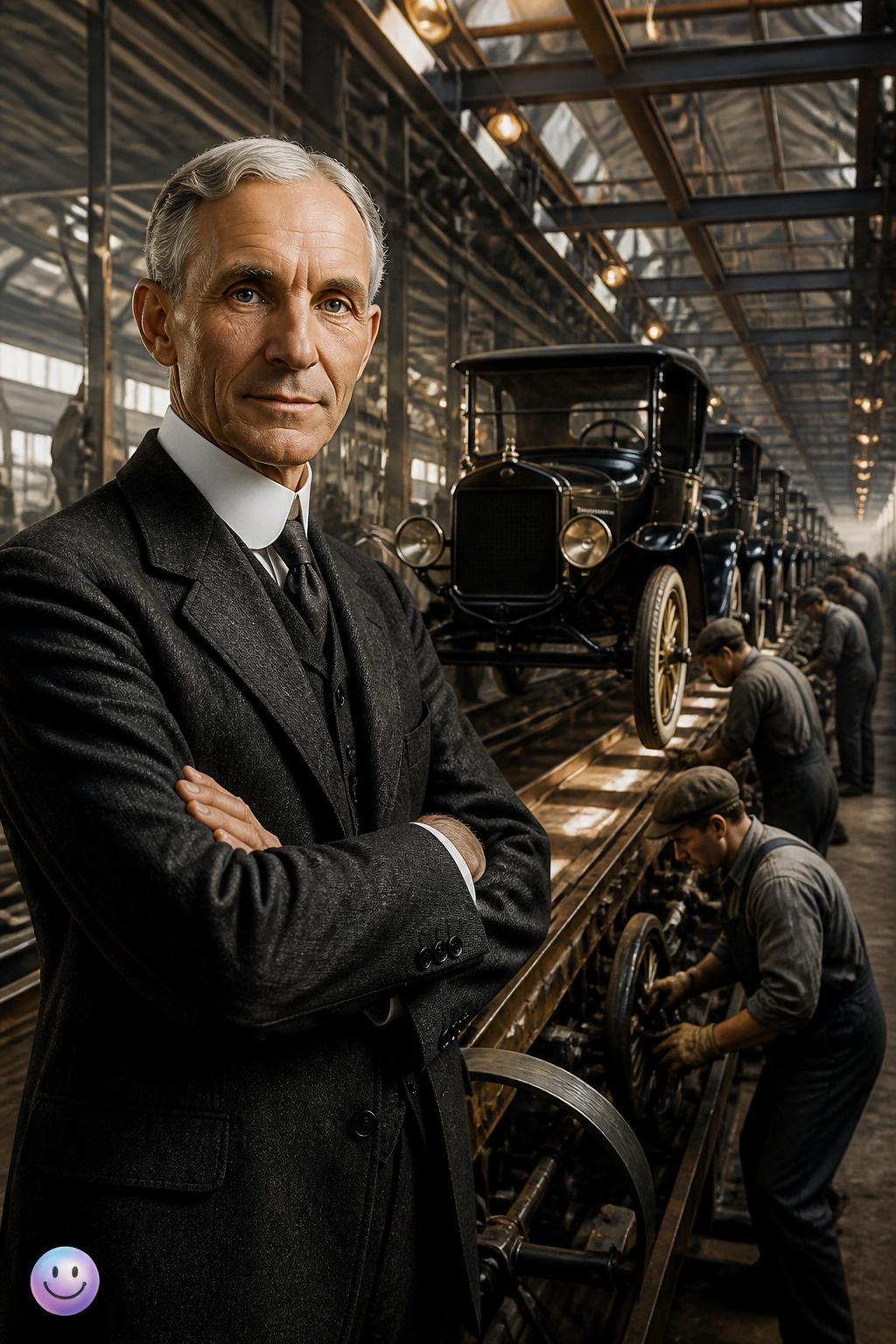
sloane Henry Ford's moving assembly line revolutionized manufacturing, making automobiles affordable for everyday working families.
On what exact date did the Wright brothers make their first successful powered airplane flight?
What was the nickname given to Henry Ford's affordable, mass-produced automobile introduced in 1908?
How much did Henry Ford's moving assembly line reduce the assembly time of a Model T car in 1913?
In which state did the Wright brothers conduct their historic first powered flights?
What crucial feature did Garrett Morgan add to his 1923 traffic signal patent to improve road safety?
Who launched the world's first liquid-fueled rocket in Auburn, Massachusetts, in 1926?