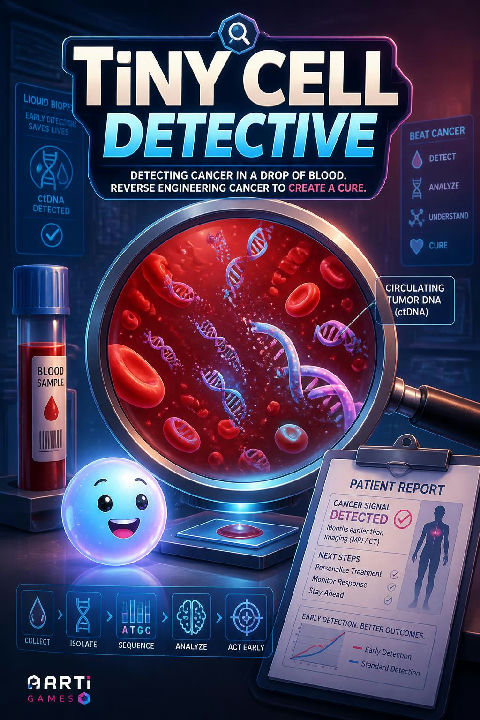
The blueprint of a rogue cell
Reading the enemy's master code
Reprogramming the body's defenders
The next frontier of precision weapons

007skaty Oncologists classify tumors by their genetic mutations instead of organ locations.
007skaty Tissue-Agnostic Cancer Therapy
Not where it started / but the broken gene / is what we target
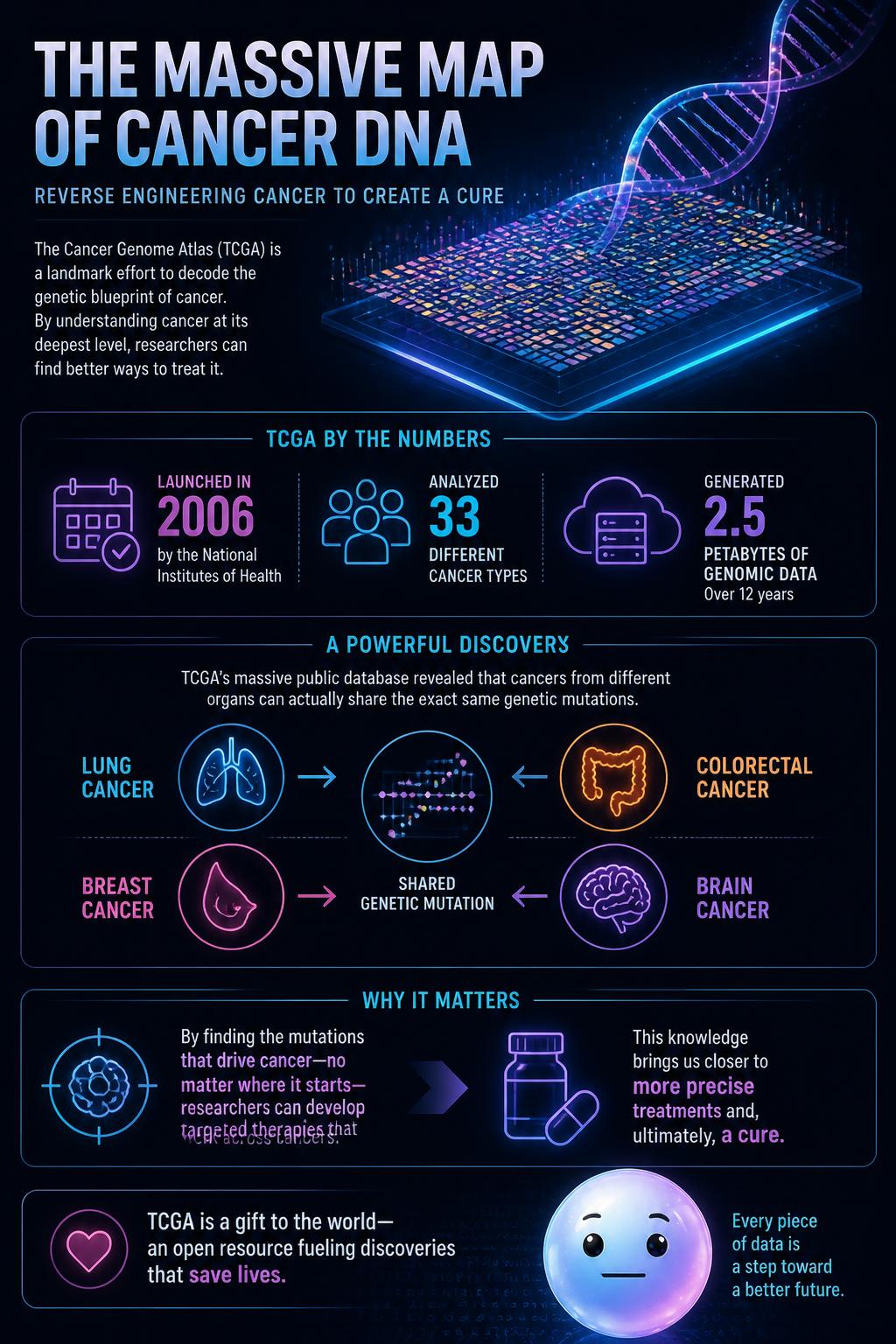
007skaty In 2006, the National Institutes of Health started mapping 33 cancer types, generating 2.5 petabytes of data over 12 years.
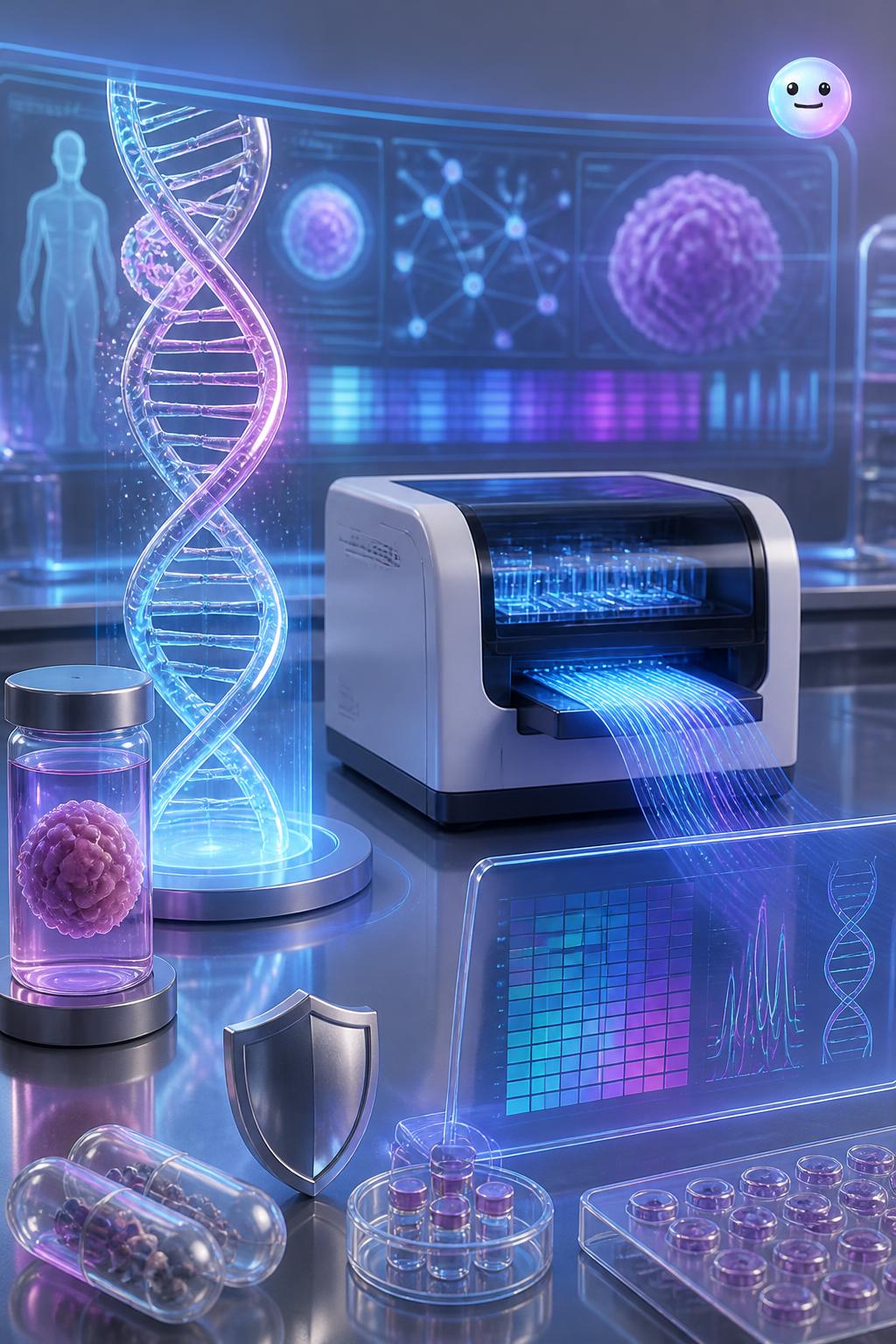
007skaty Doctors now routinely sequence tumor genomes to pinpoint specific cancer mutations.
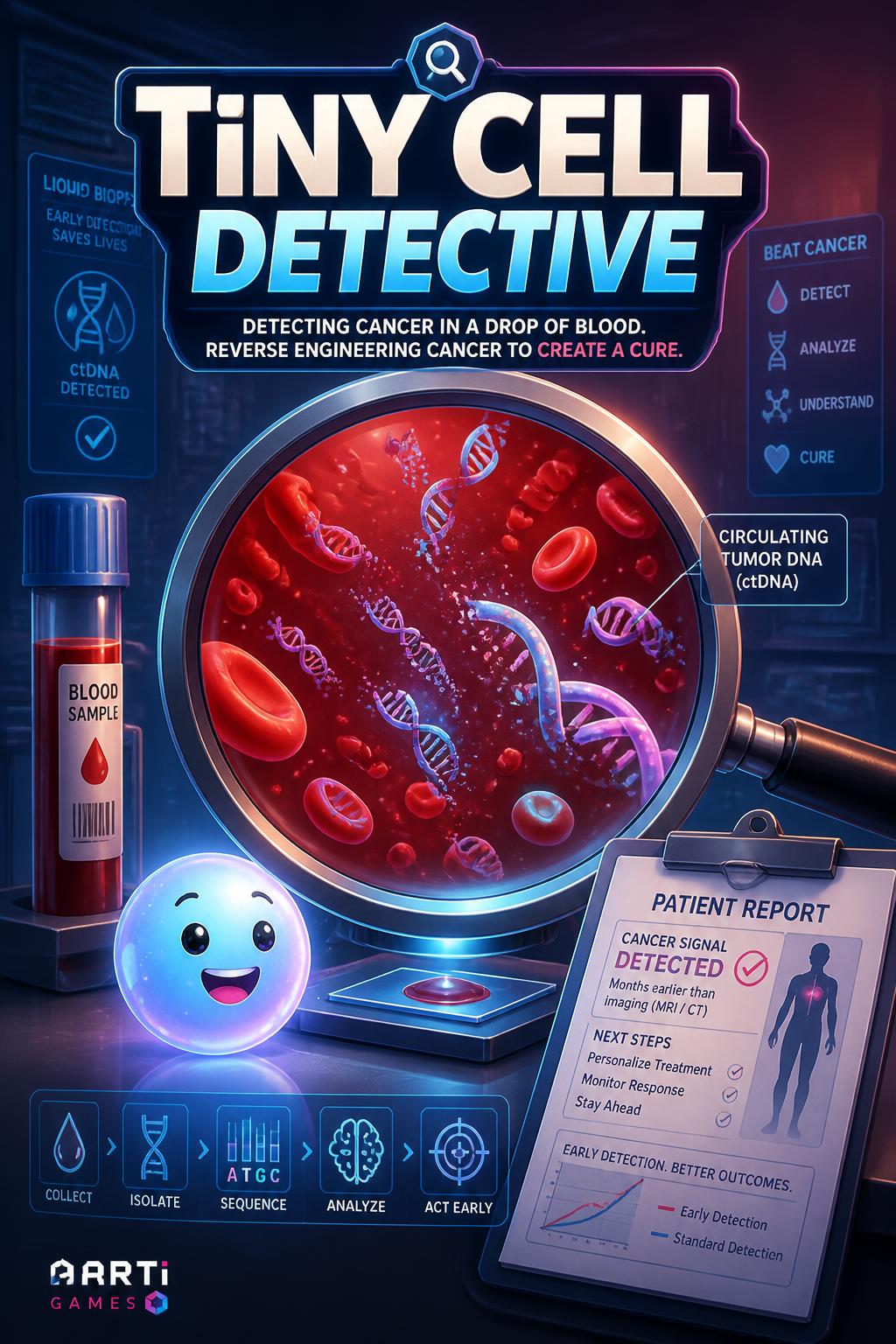
007skaty Decode mutated cells to discover how scientists reverse engineer a cure for cancer.
Data heavy: The Cancer Genome Atlas generated 2.5 petabytes of data, which is equivalent to playing high-definition video continuously for over 100 years.
How many different types of cancer did The Cancer Genome Atlas comprehensively map during its 12-year run?
In what year was the landmark genomic mapping project, The Cancer Genome Atlas, officially launched?
What is the approximate cost of sequencing a human genome using modern next-generation sequencing technology?
How much did it cost to sequence the first human genome during the Human Genome Project completed in 2003?
What is the medical term for the tiny fragments of genetic material that dying cancer cells shed into the blood?
What is a major clinical advantage of a liquid biopsy over a traditional tissue biopsy?
Which gene mutation is commonly found in both breast and gastric cancers, allowing them to be treated with the same targeted drug?