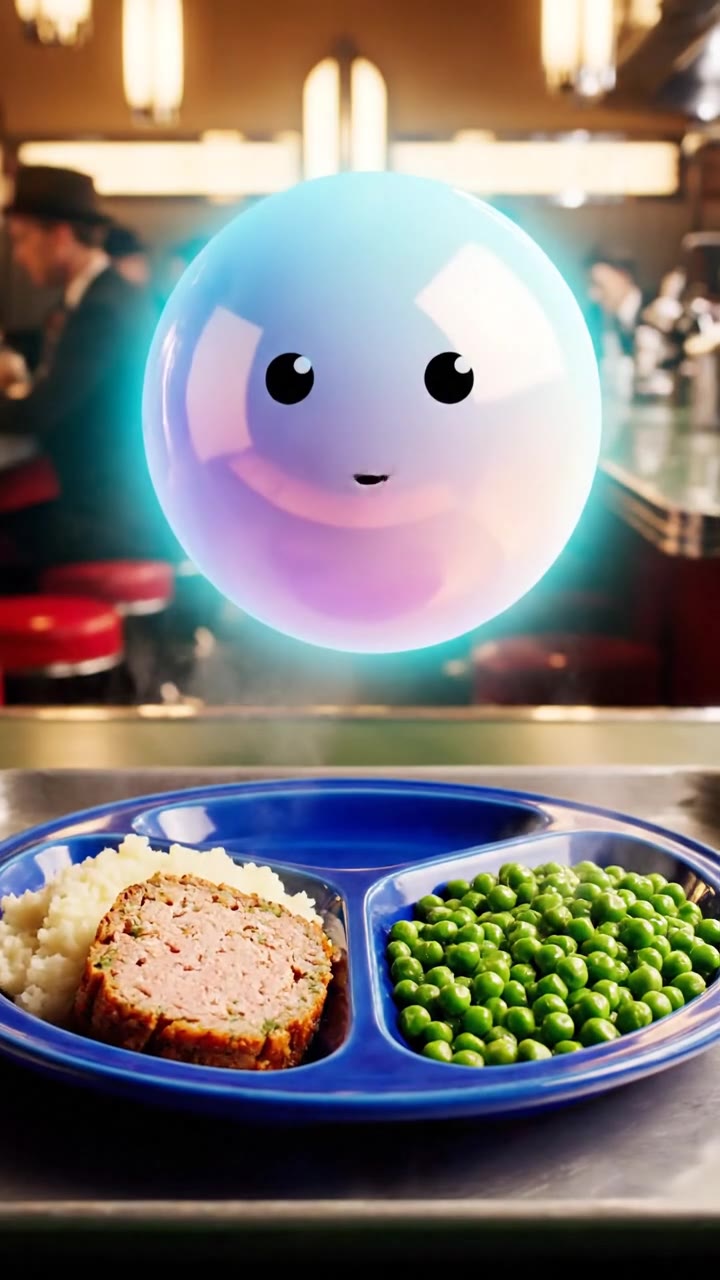
Survival food and the blue-plate special
During the 1930s, diners kept struggling Americans fed with the 'blue-plate special.' This cheap, pre-portioned meal featured a meat and three sides served on a single divided plate. This design saved water on washing dishes and allowed diners to serve hearty comfort food at rock-bottom prices.
From horse carts to lunch wagons
Prefabricated architecture on wheels
Food, folks, and the blue-plate special
The roadside revival
hank Explore the fascinating history of the American diner, a unique cultural institution that has offered food and community to everyone, 24 hours a day.
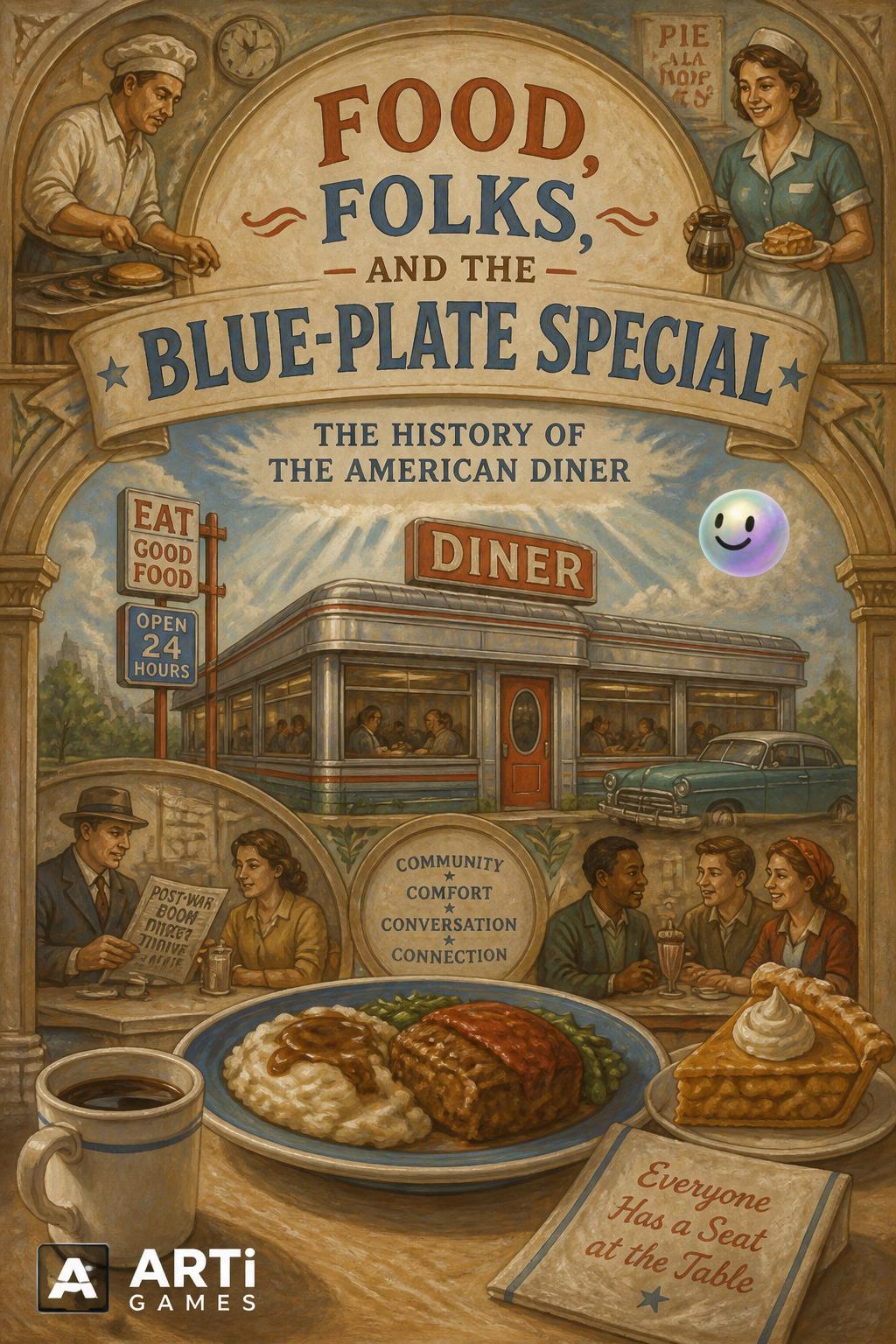
hank Drag ingredients to build blue plate specials to learn how diners fed working class families.
hank American Diner Story
From a simple wagon, Serving hot, quick food, The American diner, always good!
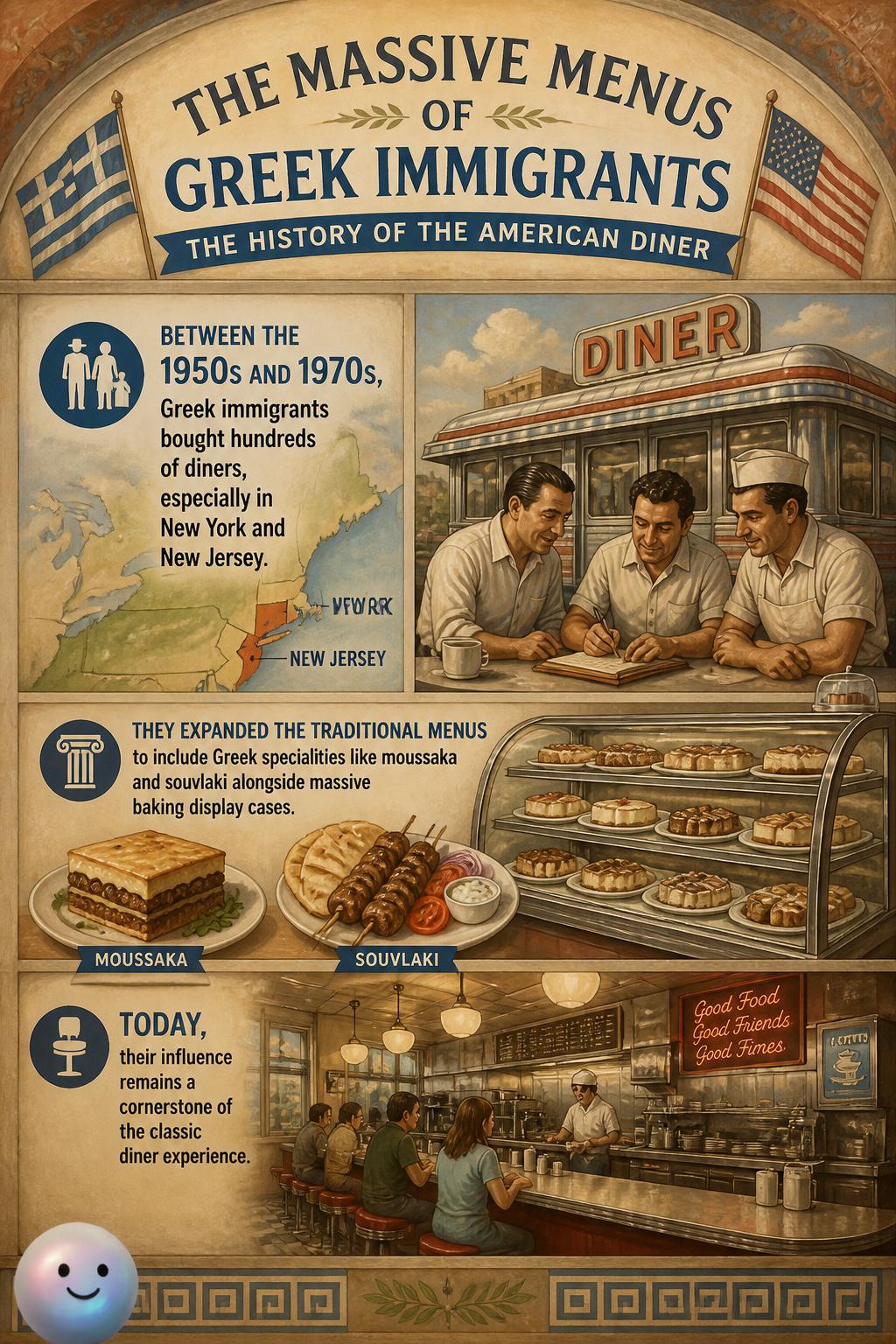
hank Greek immigrants purchased hundreds of diners between the 1950s and 1970s, introducing massive, diverse menus.
Diner hat collateral: Late-night lunch wagon pioneer Walter Scott would snatch the hats of customers who tried to run away without paying, keeping them as insurance.
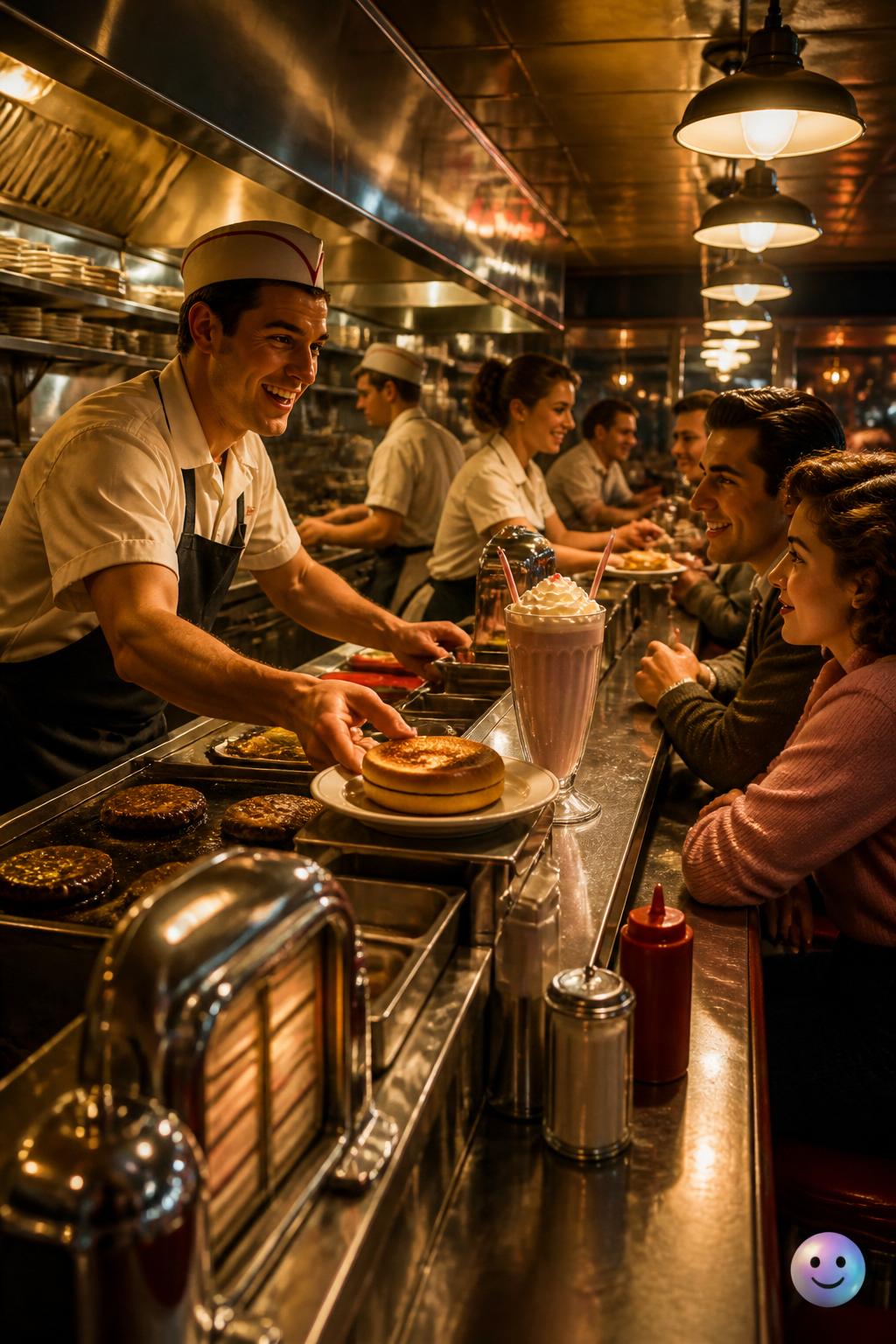
hank Short-order cooks and waitstaff developed rapid-fire slang to communicate orders quickly in busy, open kitchens.
A budget-priced restaurant meal that features a main course and sides changing daily. During the 1920s, American diners popularized these inexpensive daily meals to attract working-class customers.
Which immigrant group heavily influenced American diner culture from the 1950s to the 1970s, especially in the New York area?
Which of these is a classic Greek dish that became a staple of Greek-owned American diners?