Chapter 1
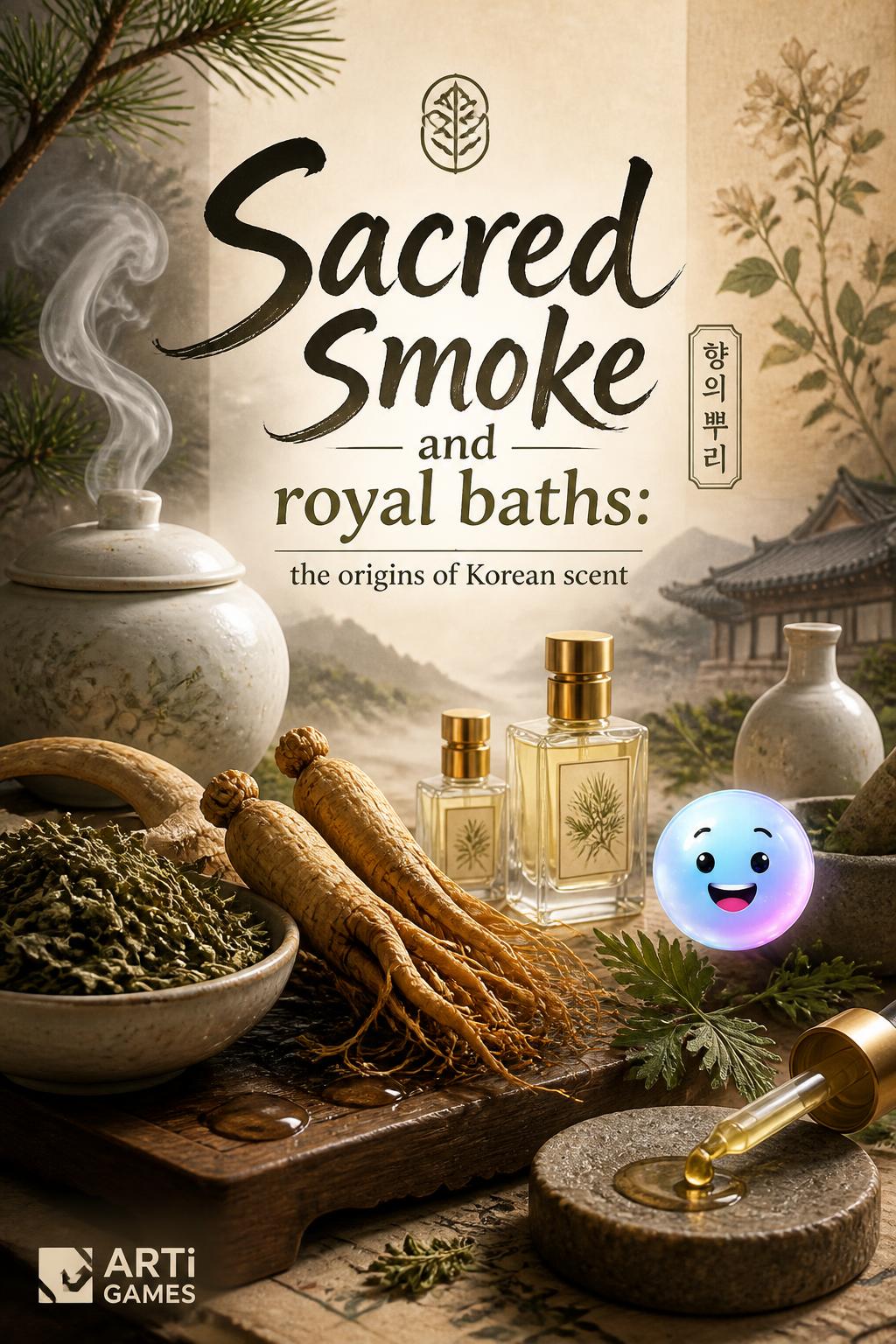
Sacred smoke and royal baths: the origins of Korean scent
Chapter 2
The botanical library: earth, roots, and pine
Chapter 3
The modern alchemy: bottling hanbang for the global nose
Ch 1 · Sacred smoke and royal baths: the origins of Korean scent
elorea Ancient Korean Scent Origins
Breathe the herbal smoke and keep your silk pouch close, Dipped in warm ginseng, the sweetest royal dose.
BETA
elorea Match botanicals to royal baths and sacred smoke to discover the origins of Korean scent.
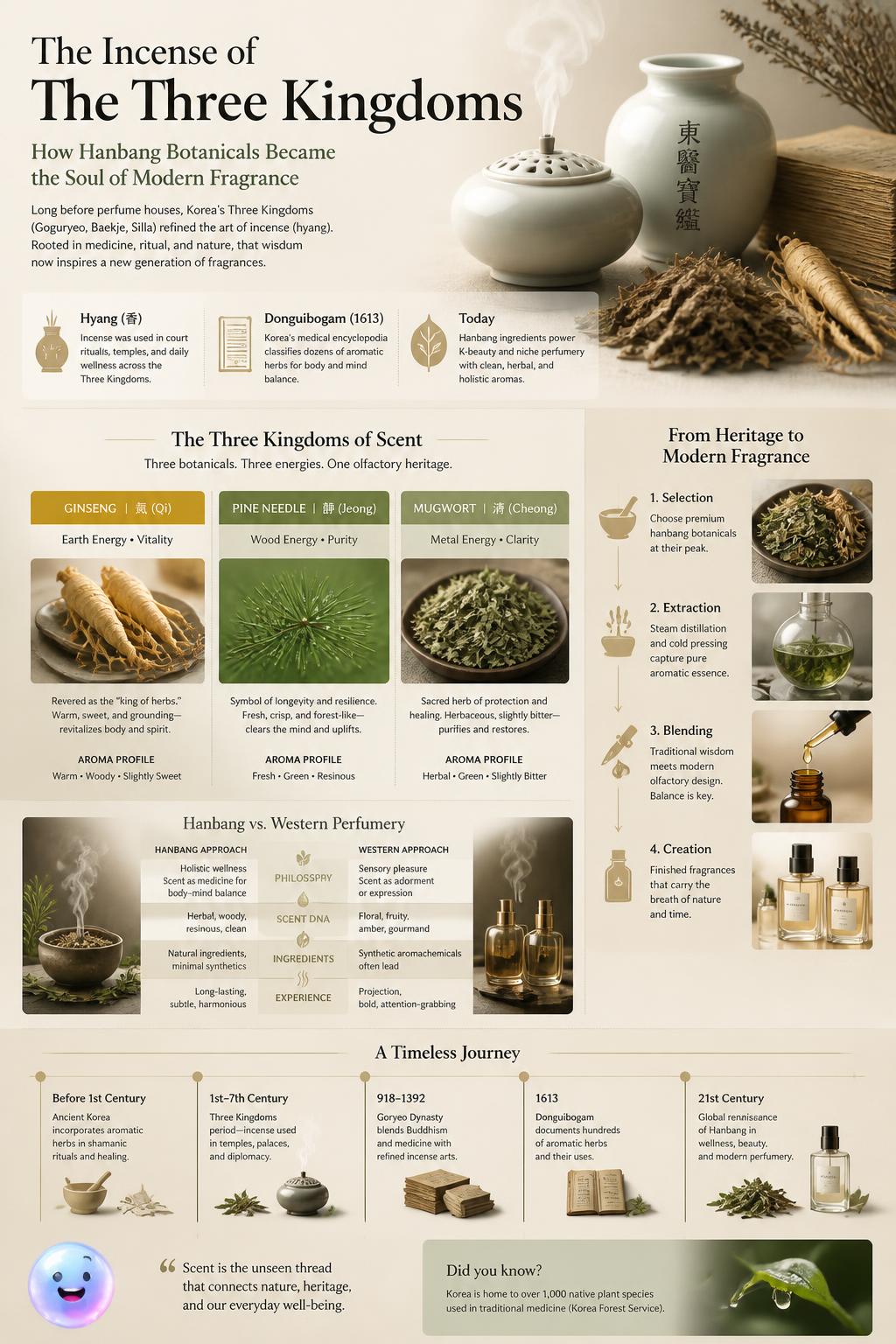
elorea Between 57 BCE and 668 CE, royalty blended agarwood and sandalwood into sacred hyang, burning it in bronze burners to cleanse minds.
Quiz
Which ancient Korean kingdom is famous for creating the magnificent Gilt-Bronze Incense Burner, a masterpiece of metalwork used for burning sacred herbs?
Quiz
In ancient Korea, what was the primary spiritual purpose of burning traditional incense, known as hyang?
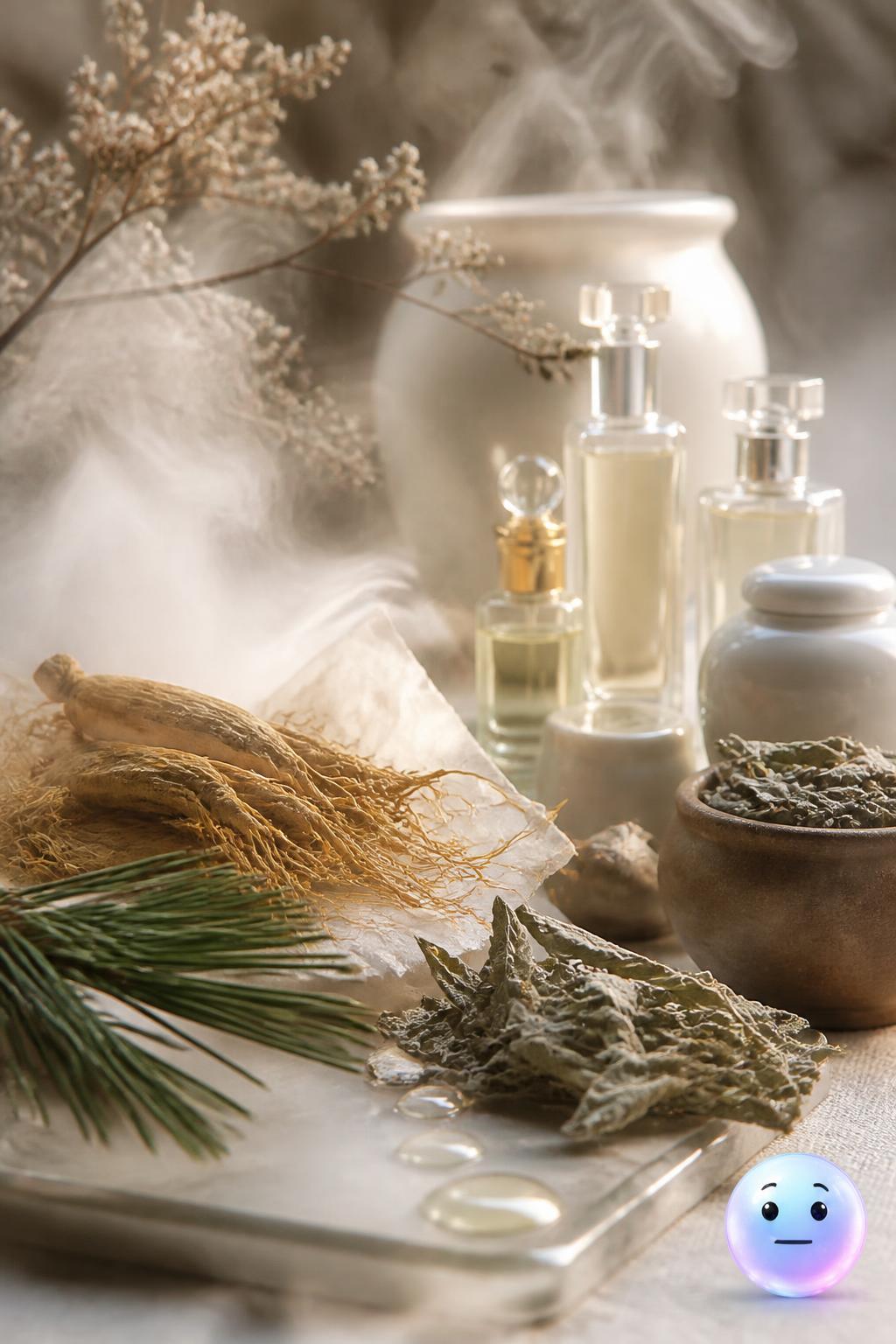
elorea Joseon herbalists used ginseng and mugwort to pioneer traditional Korean medicinal scent therapy.
Quiz
What is the traditional term for Korean herbal medicine that balances the body's energy using native botanicals?
Quiz
Who was the royal physician who wrote the 1613 Korean medical encyclopedia Dongui Bogam, detailing the wellness benefits of aromatic herbs?
Fun Fact
Ancient scent secrets: Joseon-era women used ground mung beans as a scent-free, gentle daily facial cleanser that naturally brightened the skin.
Quiz
What were the traditional embroidered silk scent pouches worn by Joseon dynasty royalty called?
Quiz
Which of these dried botanicals was commonly placed inside a Joseon-era hyangnang scent pouch for its strong, spicy aroma?
Glossary
incense (noun)
A substance that is burned to produce a fragrant odor, typically during religious or ritual ceremonies. Ancient Korean royalty and Buddhist monks burned sandalwood to cleanse ritual spaces and prepare purifying baths.
A substance that is burned to produce a fragrant odor, typically during religious or ritual ceremonies. Ancient Korean royalty and Buddhist monks burned sandalwood to cleanse ritual spaces and prepare purifying baths.
Quiz
During which traditional Korean spring holiday do people wash their hair in sweet flag water, known as changpo?
Quiz
What is the primary cosmetic benefit that ancient Koreans sought by washing their hair in changpo (sweet flag) water?