Bug eyes and super sensors
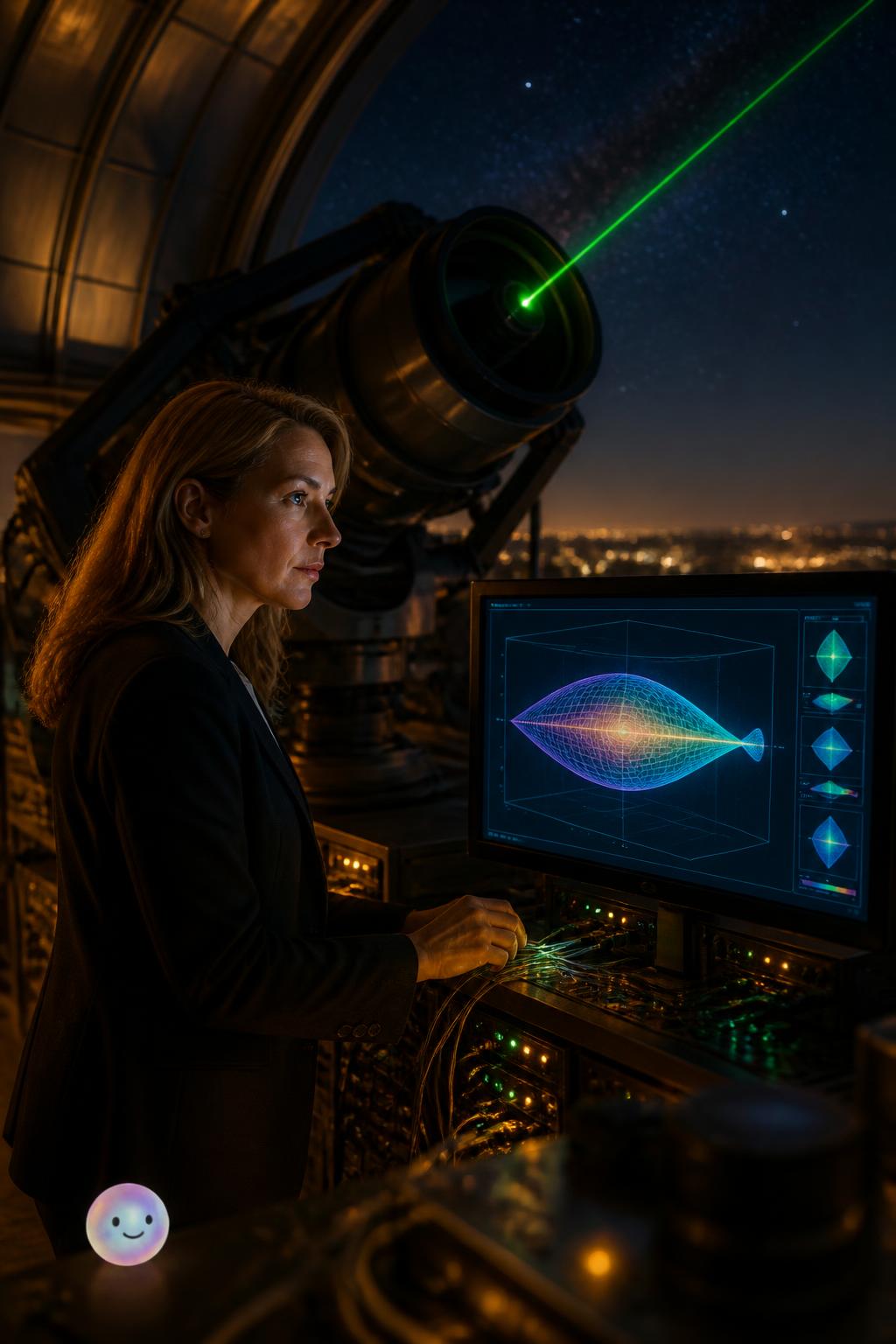
Shadows, lasers, and nocturnal hunters
Moving without a map
Cameras that work like brains
YOUR GOAL
Master of How nature taught computers to see
007skaty Neuromorphic Event Cameras
Only when it changes, only when it changes / No frames, just the motion of the light
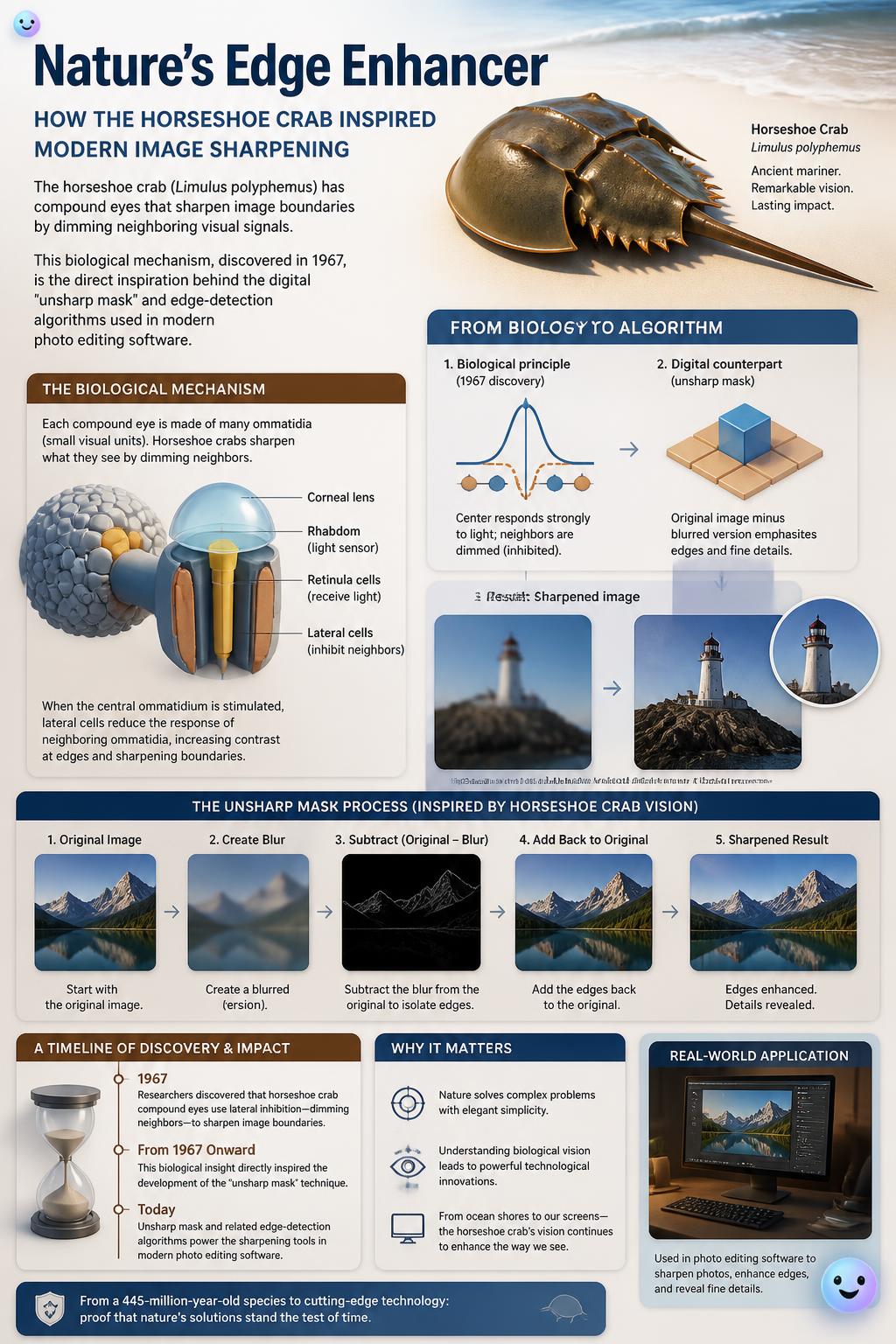
007skaty Discovered in 1967, the Limulus polyphemus compound eye sharpens images by dimming neighboring signals, shaping modern digital edge-detection

007skaty An isometric 3D render of a chrome camera lens with precise biomimetic labels.
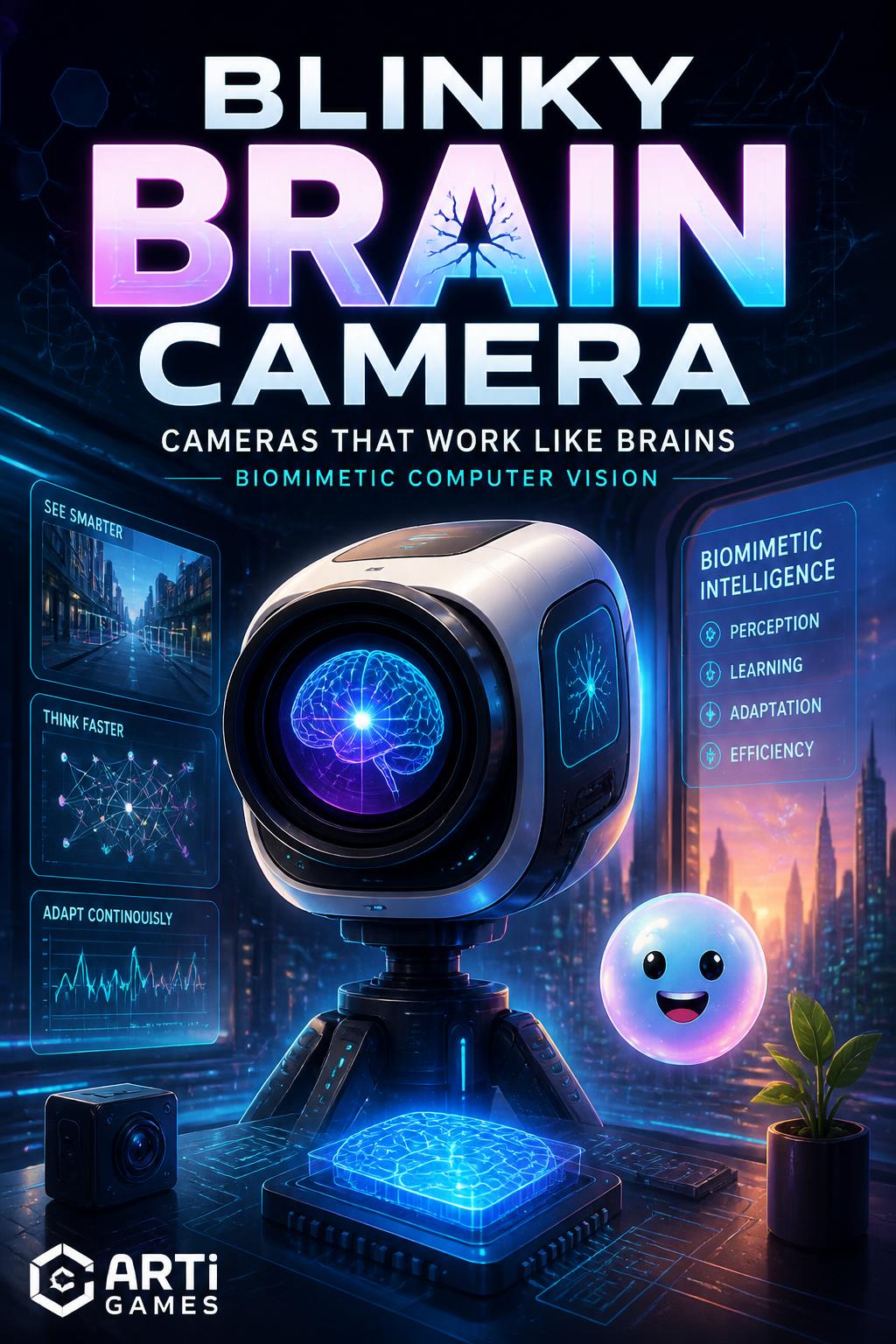
007skaty Capture moving targets to figure out how biomimetic cameras mimic the human brain.
Pigeon radiologists: Pigeons can be trained to spot microscopic cancer cells on medical slides just as accurately as professional human doctors.
An integrated circuit designed to replicate the structure and signal-processing capabilities of a biological eye's light-sensitive layer. Misha Mahowald developed the first functional prototype of this sensor at Caltech in 1988.
In what year did Zurich-based scientists develop the first commercial 'silicon retina' event-based camera?
What is the primary operational difference between an event-based camera and a standard camera?
By how much can event-based 'silicon retina' cameras reduce data transmission compared to standard cameras?
Which marine creature's compound eyes inspired the edge-sharpening contrast filters used in modern software?
In a famous 2015 study, pigeons were trained to identify which medical anomaly on mammograms?
Which two famous artists' styles were pigeons trained to distinguish between, proving their visual pattern recognition?