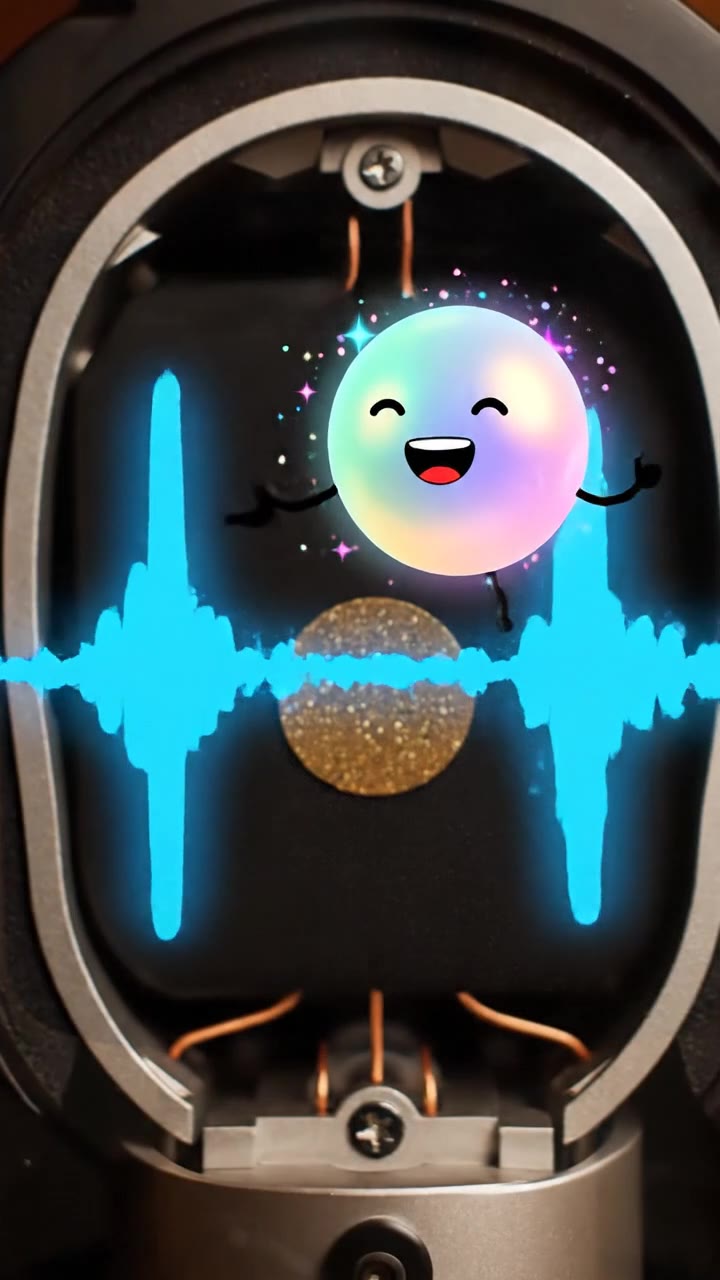
How Microphones Capture Vocal Sound Waves
When a host speaks, they create physical sound waves that strike a tiny diaphragm inside the microphone. In dynamic microphones, this movement moves a coil within a magnetic field to generate an electrical signal. This analog signal is then converted into digital data that computers can record.
The accidental birth of the podcast
How sound travels to your ears
A world of voices
Mic check, one two
chachi In 1993, researchers finalized the MP3 format using psychoacoustic compression. This technique removes hidden sound frequencies to shrink audio files by ninety percent for fast streaming.
chachi Podcast hosts update a simple text file with new audio locations. Your favorite app constantly checks this file to download new episodes automatically.
chachi Sound waves vibrate a tiny internal diaphragm, pushing a copper coil through a magnetic field. This physical movement generates the electrical currents that computers record as digital data.
chachi Sound Waves in the Ear
Tiny bones shake, tiny bones shake, turning vibrations into what you hear.
chachi Hard walls bounce sound waves to create muddy echoes. Hanging thick blankets absorbs these reflections, instantly giving your voice the dry, intimate depth of a professional podcast.

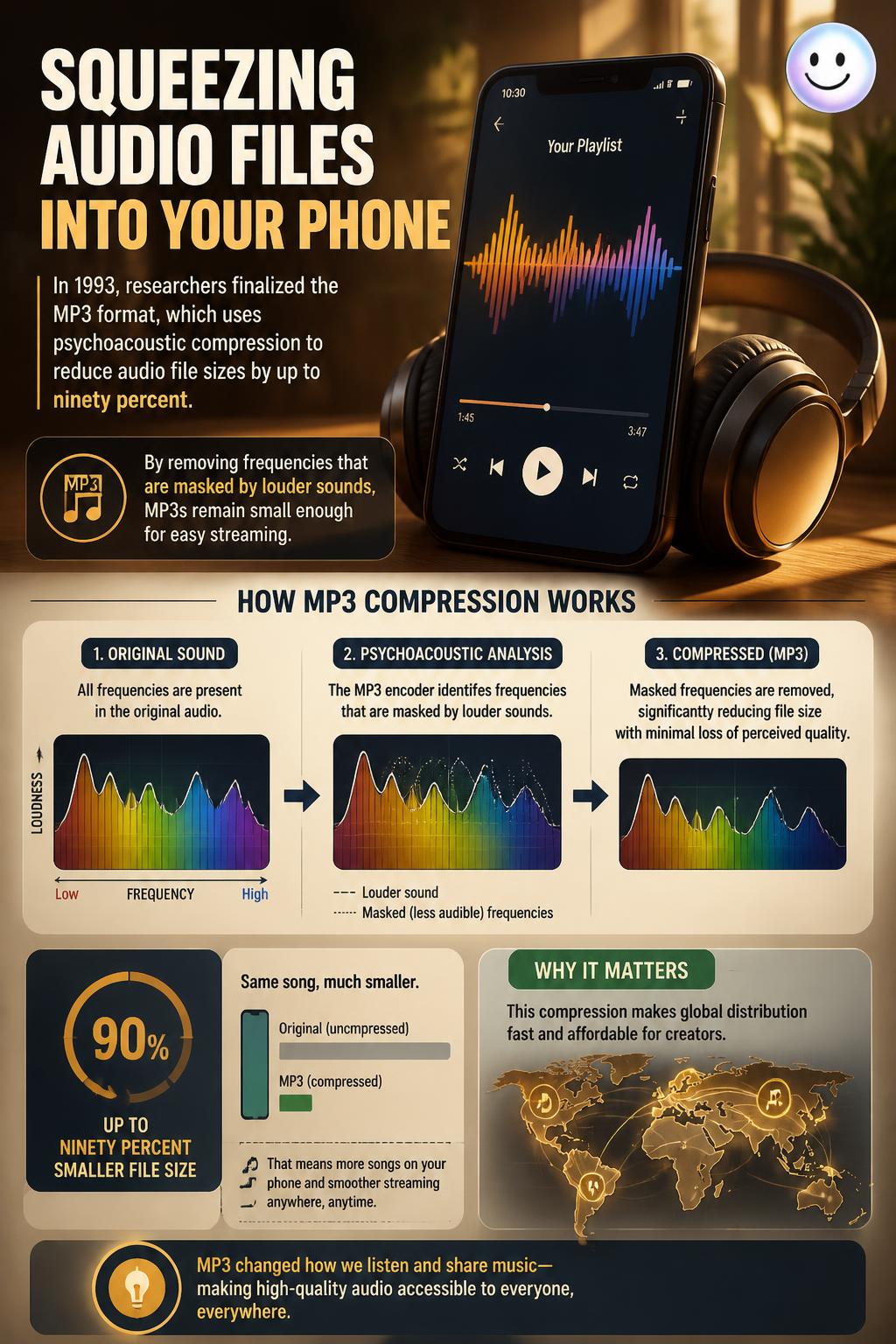
chachi The MP3 format compresses audio files by removing sounds humans cannot easily hear.
Closet recording studios: Many professional podcasters record inside closets because hanging clothes are incredibly effective at absorbing room echoes.

chachi Really Simple Syndication feeds act as the automated delivery system for every show.
A spiral-shaped, fluid-filled cavity in the inner ear that plays a vital role in the sense of hearing. This snail-shaped organ contains roughly 15,000 sensory hair cells that convert physical vibrations into neural signals.
Where are podcast audio files actually stored so that listeners can access them anytime?
Which thin, flexible part of a condenser microphone vibrates in response to sound waves?
What type of microphone is best for recording podcasts in a room with background noise?
Why do podcasters avoid recording in rooms with bare tile floors and concrete walls?