
The Victorian toys that tricked our eyes
The ink and paint revolution
The tactile world of stop-motion
From hand-drawn anime to computer code


disney Spin the slotted wheel to discover how still drawings create the illusion of motion.
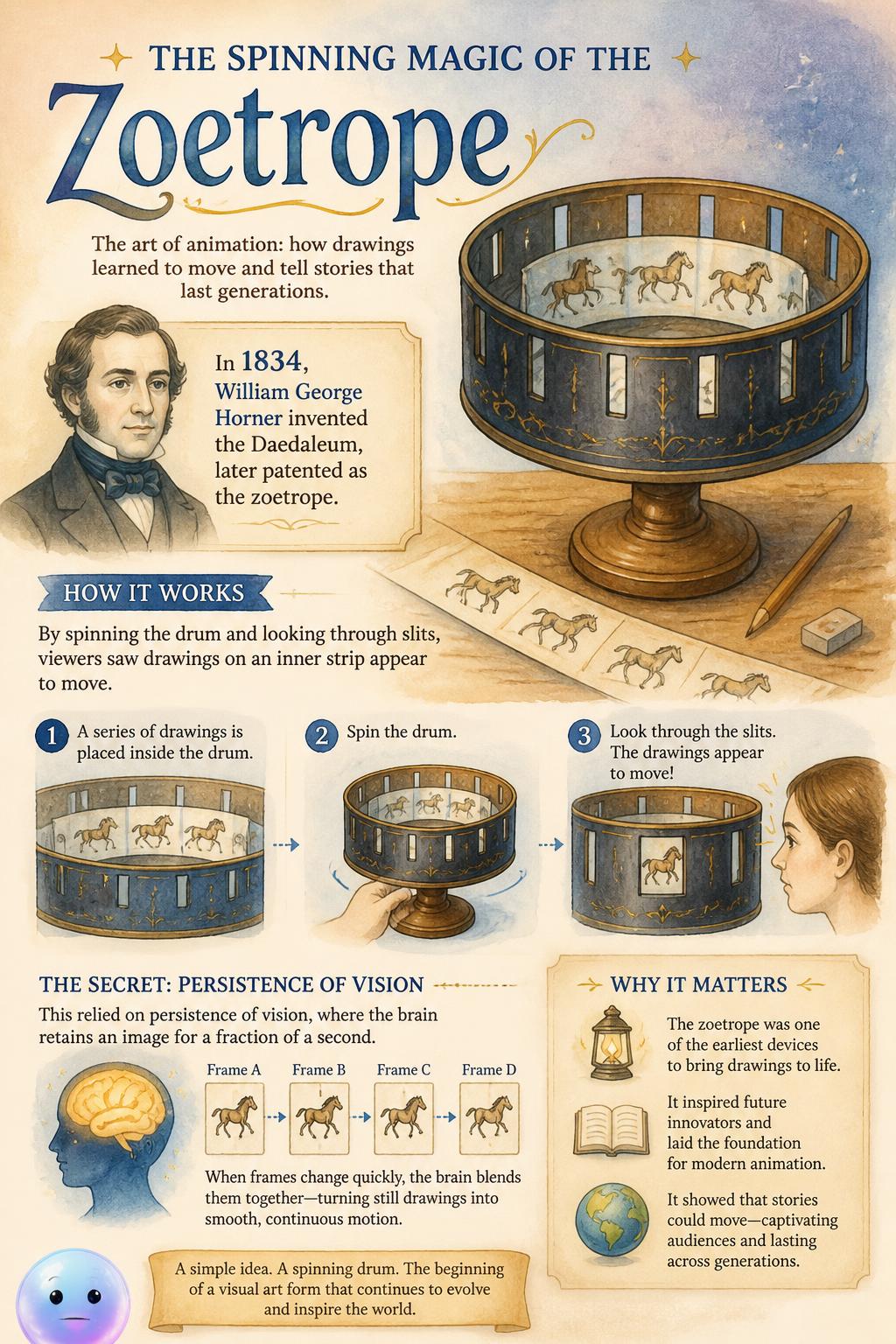
disney Viewers looking through slits in the spinning zoetrope drum see moving drawings because the brain retains images for a fraction of a second.
What did inventor William George Horner originally call his 1834 spinning drum invention before it was renamed the zoetrope?
What scientific principle allows our brains to perceive continuous movement from a series of fast-spinning still images in a zoetrope?
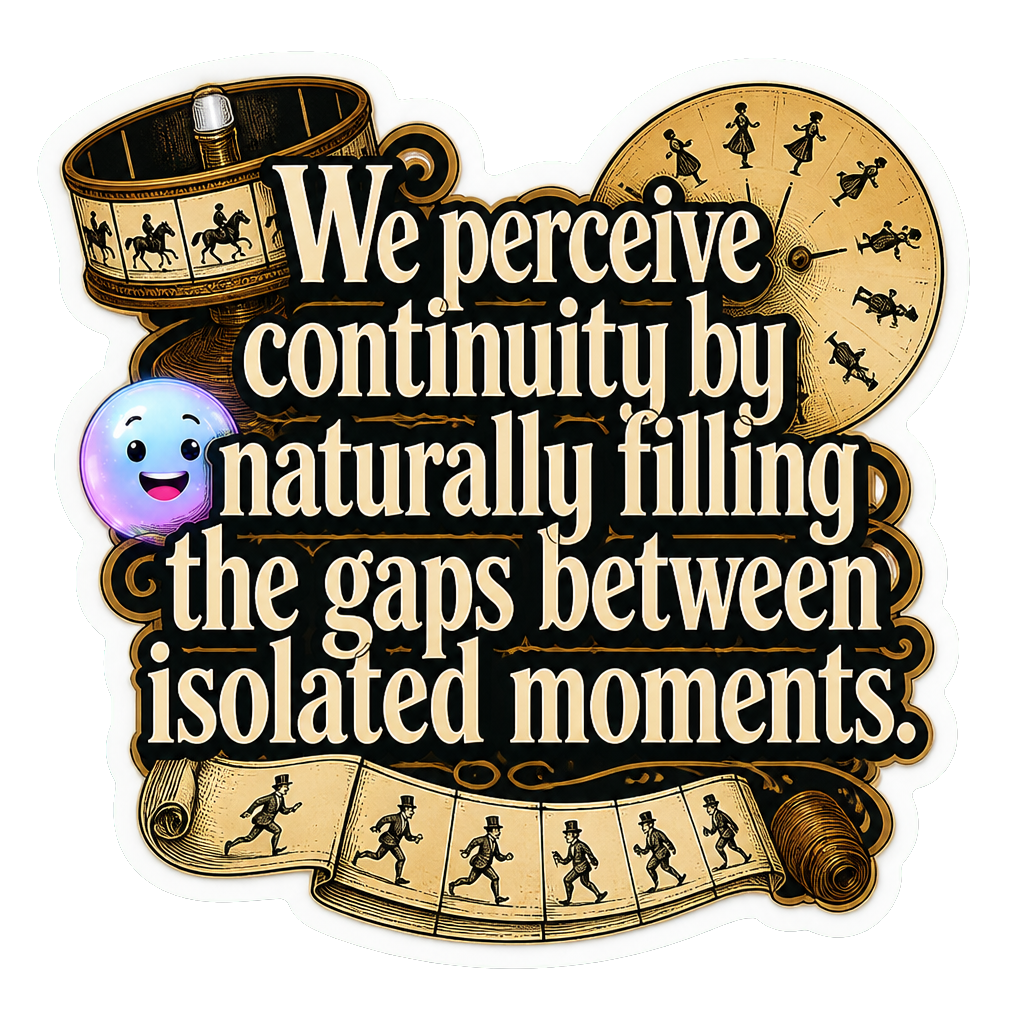
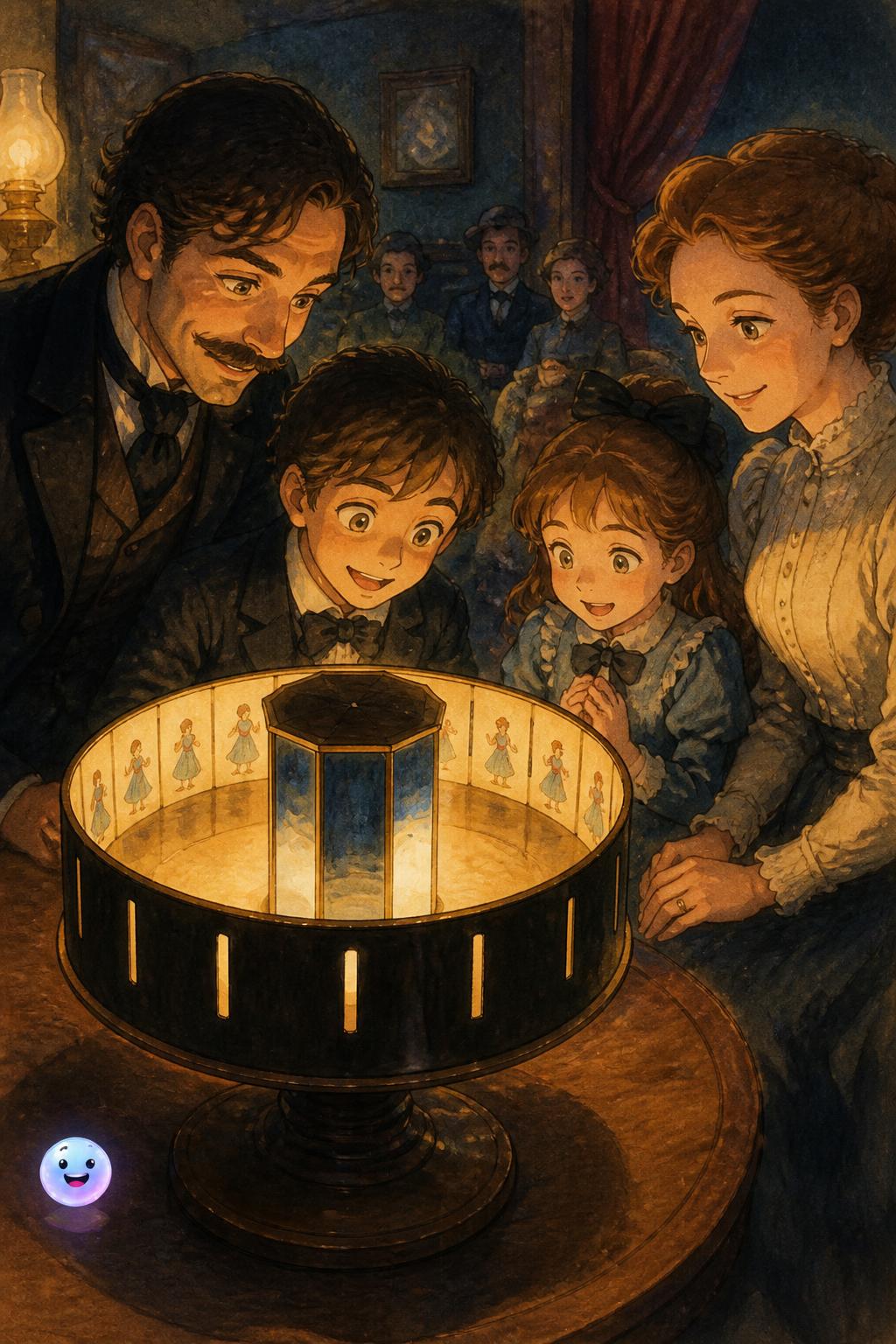
disney Inner mirrors reflected drawings outward, giving families a brighter, clearer view of early animation.
In 1892, Émile Reynaud expanded his praxinoscope technology to project the first public animated films using what system?
Which optical element did Émile Reynaud add to the center of his 1877 praxinoscope to make the animated images appear brighter and clearer?
Early animation: Before film, the thaumatrope, a simple disc on strings with drawings on both sides, merged two images like a bird and a cage when spun.
Under what name did John Barnes Linnett patent the first pocket-sized flipbook in 1868?
Which finger is traditionally used to hold and rapidly release the pages of a flipbook to activate the animation?
A pre-cinema animation device consisting of a cylinder with vertical slits that creates the illusion of motion. William George Horner invented this revolving drum device in 1834 to display sequential drawings in motion.
Approximately how many individual hand-drawn frames did Winsor McCay and his assistant ink to bring Gertie the Dinosaur to life?
Which interactive stunt did cartoonist Winsor McCay perform live on stage during screenings of his 1914 film Gertie the Dinosaur?