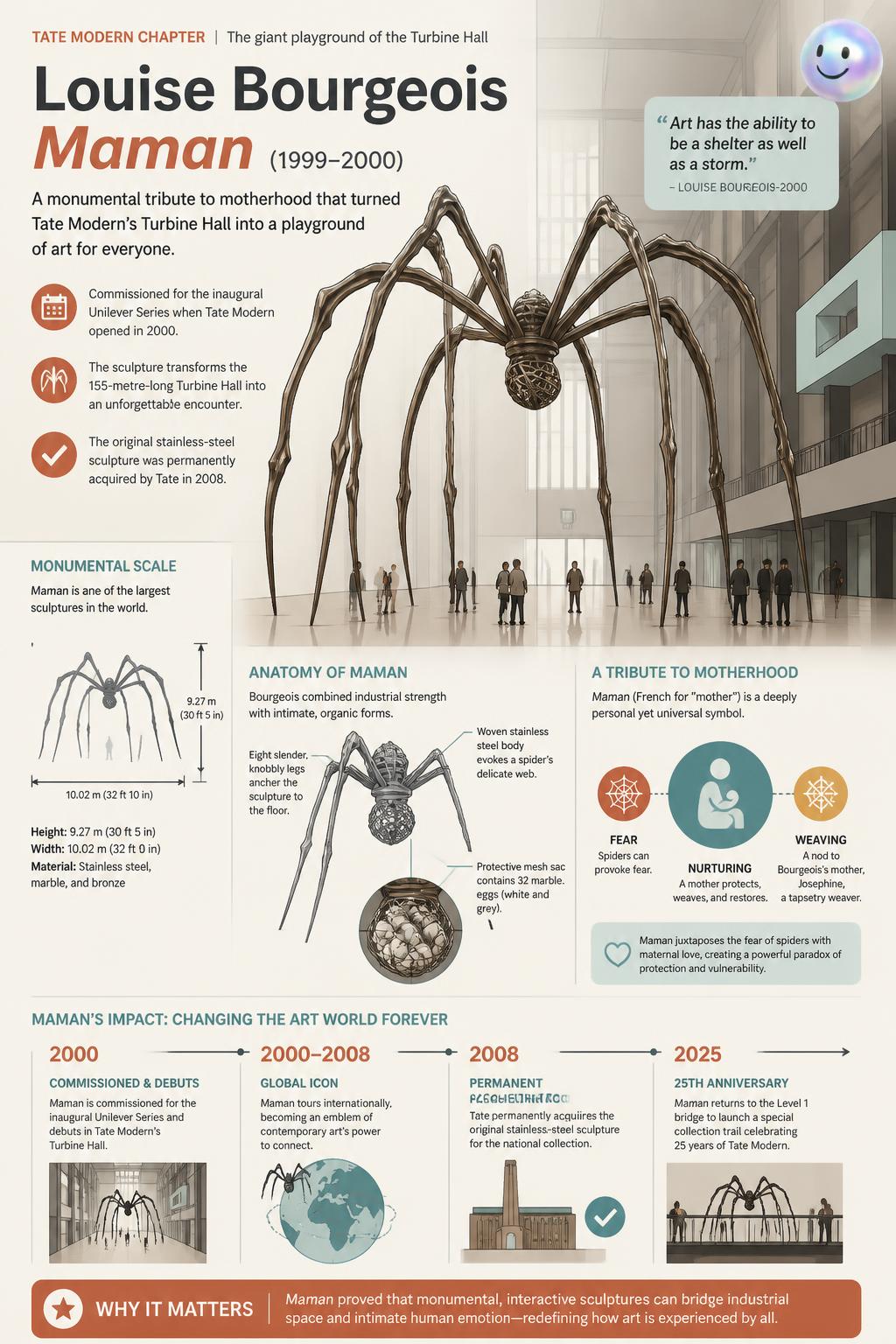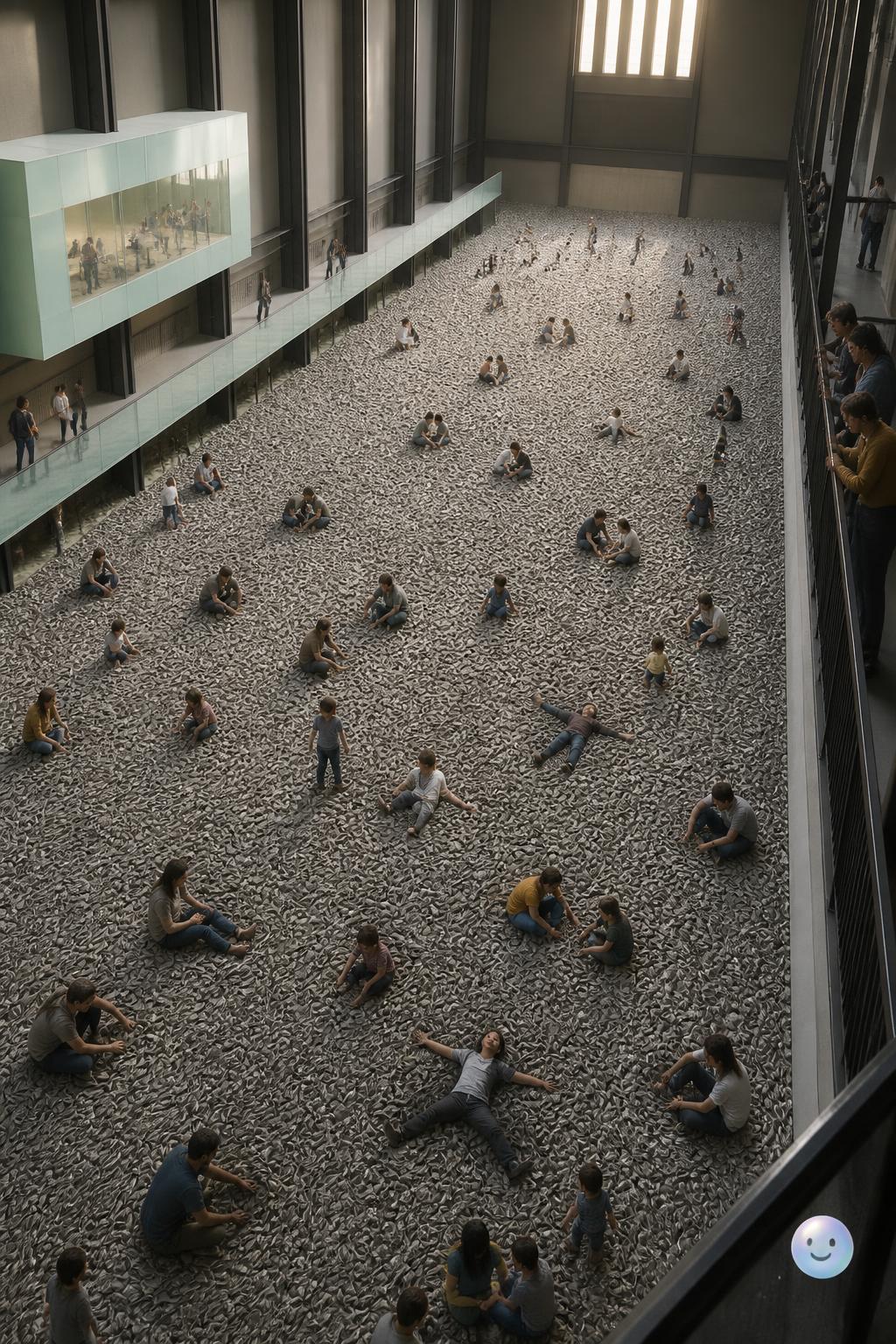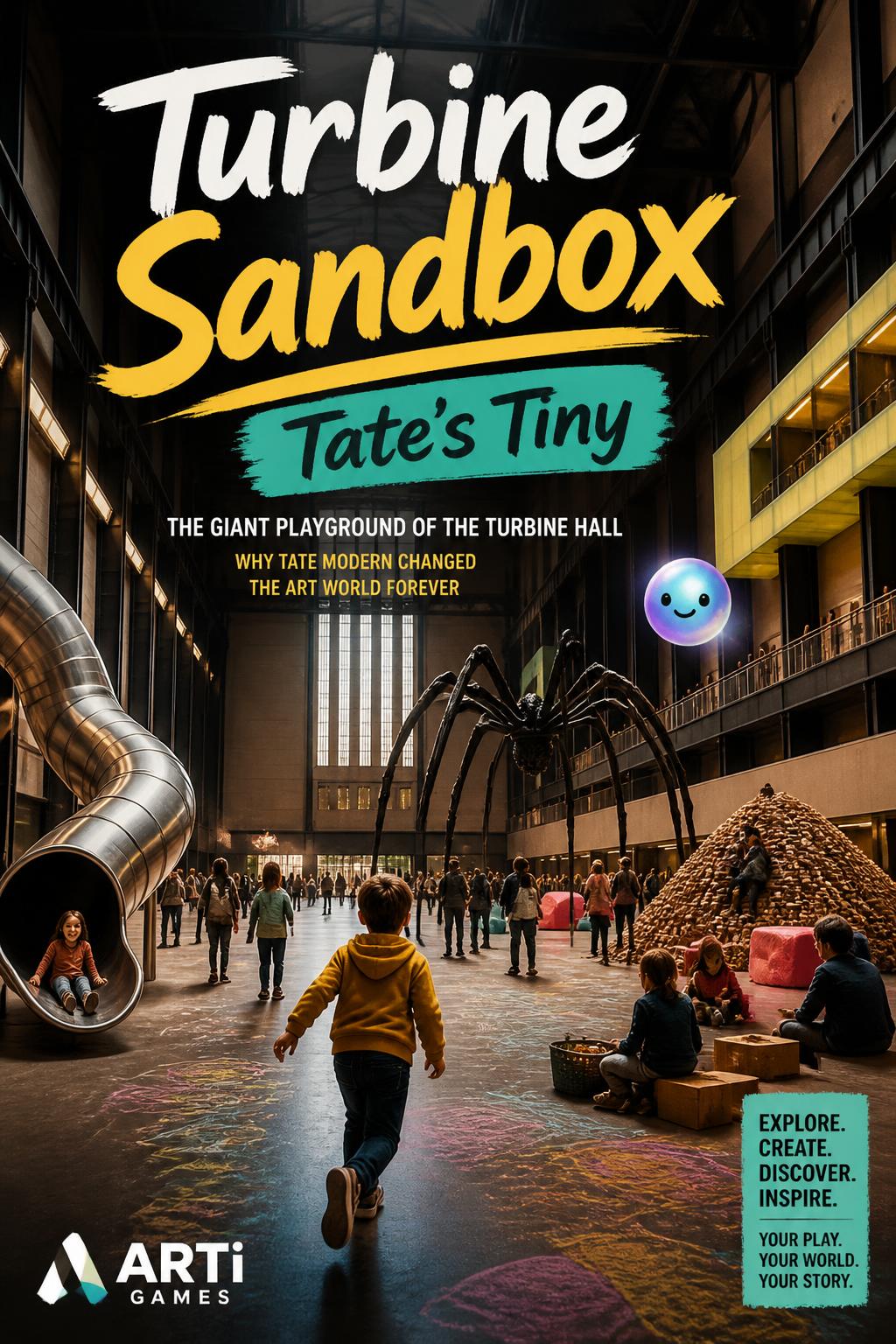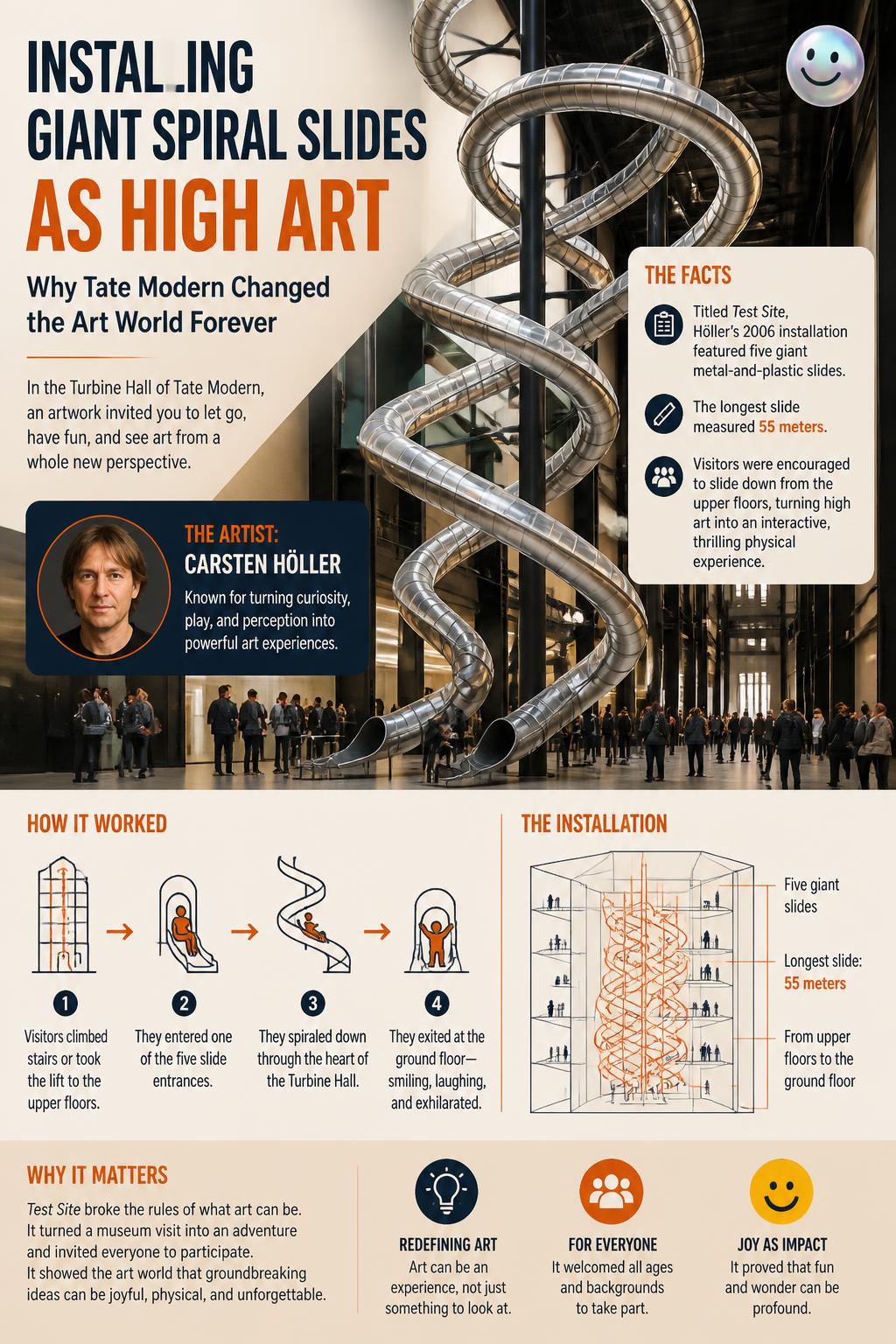

In 2006, artist Carsten Höller transformed the cavernous Turbine Hall at London's Tate Modern into a giant interactive playground with his famous installation 'Test Site.' What did this installation feature to allow visitors to travel from the museum's upper floors to the ground floor?

From power station to art powerhouse
View / Create
Answer
Shaking up how we view art
View / Create
Answer
The giant playground of the Turbine Hall
View / Create
Answer
YOUR GOAL
Master of How Tate Modern changed art
In 2006, artist Carsten Höller transformed Tate Modern's massive Turbine Hall into an interactive playground by installing 'Test Site.' What did this famous artwork invite visitors to use?
In 2006, artist Carsten Höller transformed Tate Modern's massive Turbine Hall into a literal playground by installing which of the following giant, interactive structures?
A Museum Scar: Turning the Turbine Hall's giant playground into a dramatic statement, Doris Salcedo's 167-meter-long concrete crack changed how the art world views museum spaces forever.

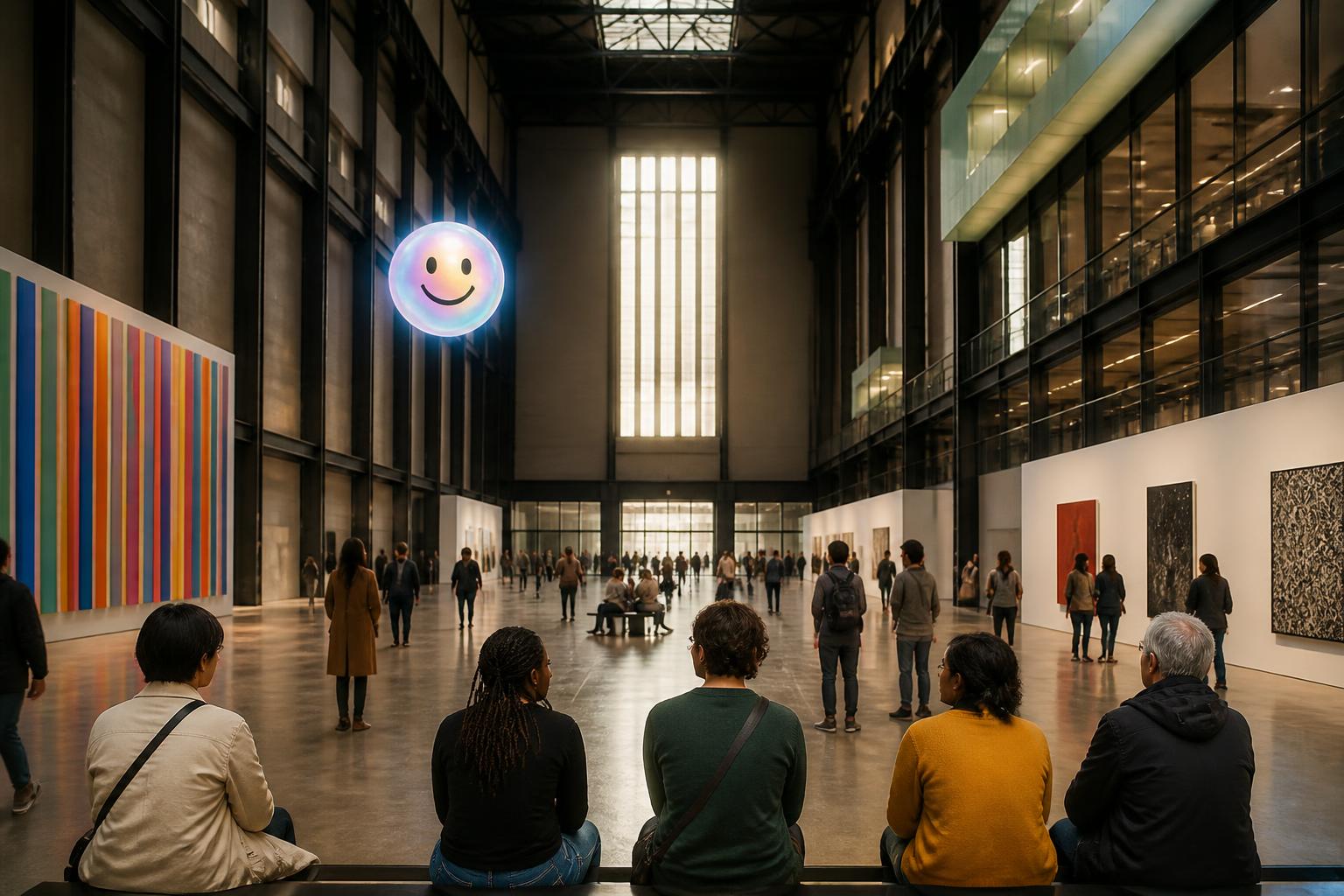
choko The Turbine Hall
We're sliding down the giant hall! (Yeah, slide down!) / We're swinging on a count of three! (One, two, three!)

choko Artist Carsten Höller installed massive, functioning spiral slides in the Turbine Hall in 2006.
Shifting the floor: In 2007, Doris Salcedo created a 167-meter-long crack in the Turbine Hall floor.


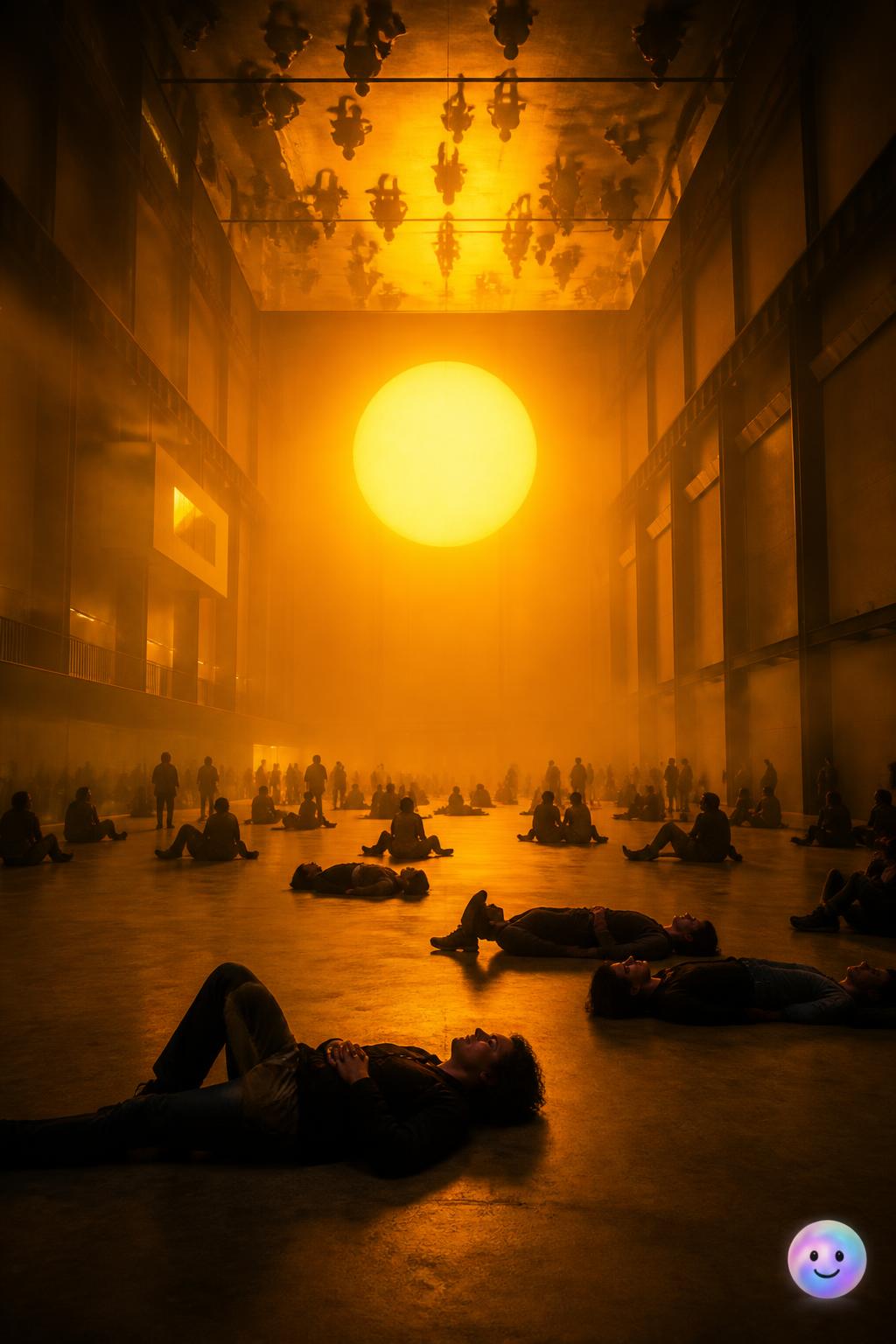
choko In 2003, Olafur Eliasson brought an artificial sun inside the museum, drawing over two million visitors.
An outdoor area designed for children to play on, typically equipped with slides and swings. In 2006, artist Carsten Höller transformed Tate Modern's former engine room using five colossal steel slides.

Which artist created the giant indoor sun for the 2003 Tate Modern installation 'The Weather Project'?
What did Colombian artist Doris Salcedo create in the Turbine Hall floor for her 2007 Tate Modern installation 'Shibboleth'?