
Supercomputer History: Origin of the Word Super
In 1964, the Control Data Corporation 6600, designed by Seymour Cray, became widely recognized as the first successful supercomputer. It performed about three million calculations per second, a staggering feat for its era.
Chapter 1
From ancient Rome to high-flying Latin
Chapter 2
The comic book explosion and the heroic noun
Chapter 3
Extreme science and the power of the prefix
Chapter 4
The slang revolution and modern hyperbole
Ch 3 · Extreme science and the power of the prefix

sonia The Scientific Prefix Super
At zero viscosity, superfluid helium climbs right up the glass.
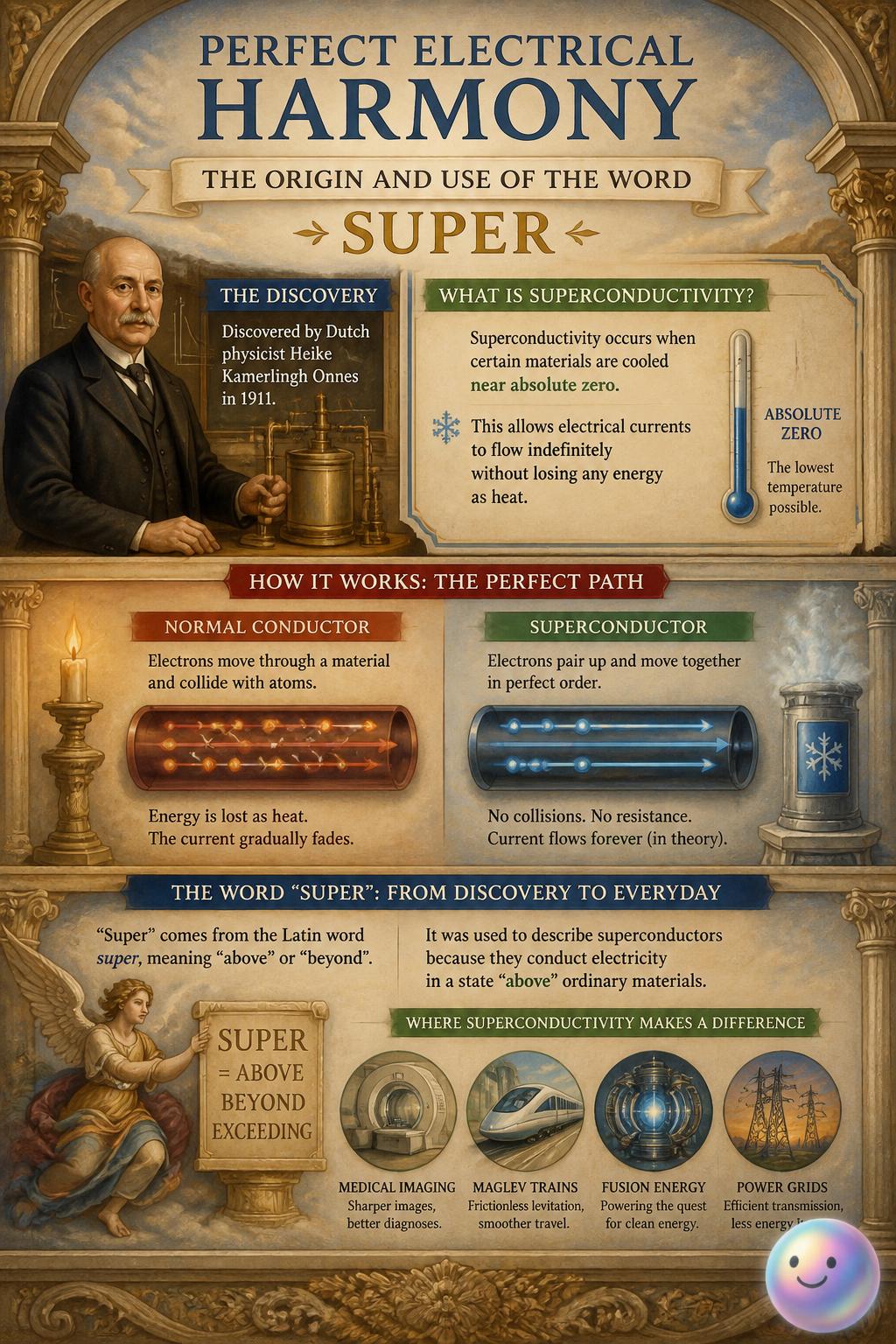
sonia Superconductivity describes materials that can conduct electricity with zero resistance.
Fun Fact
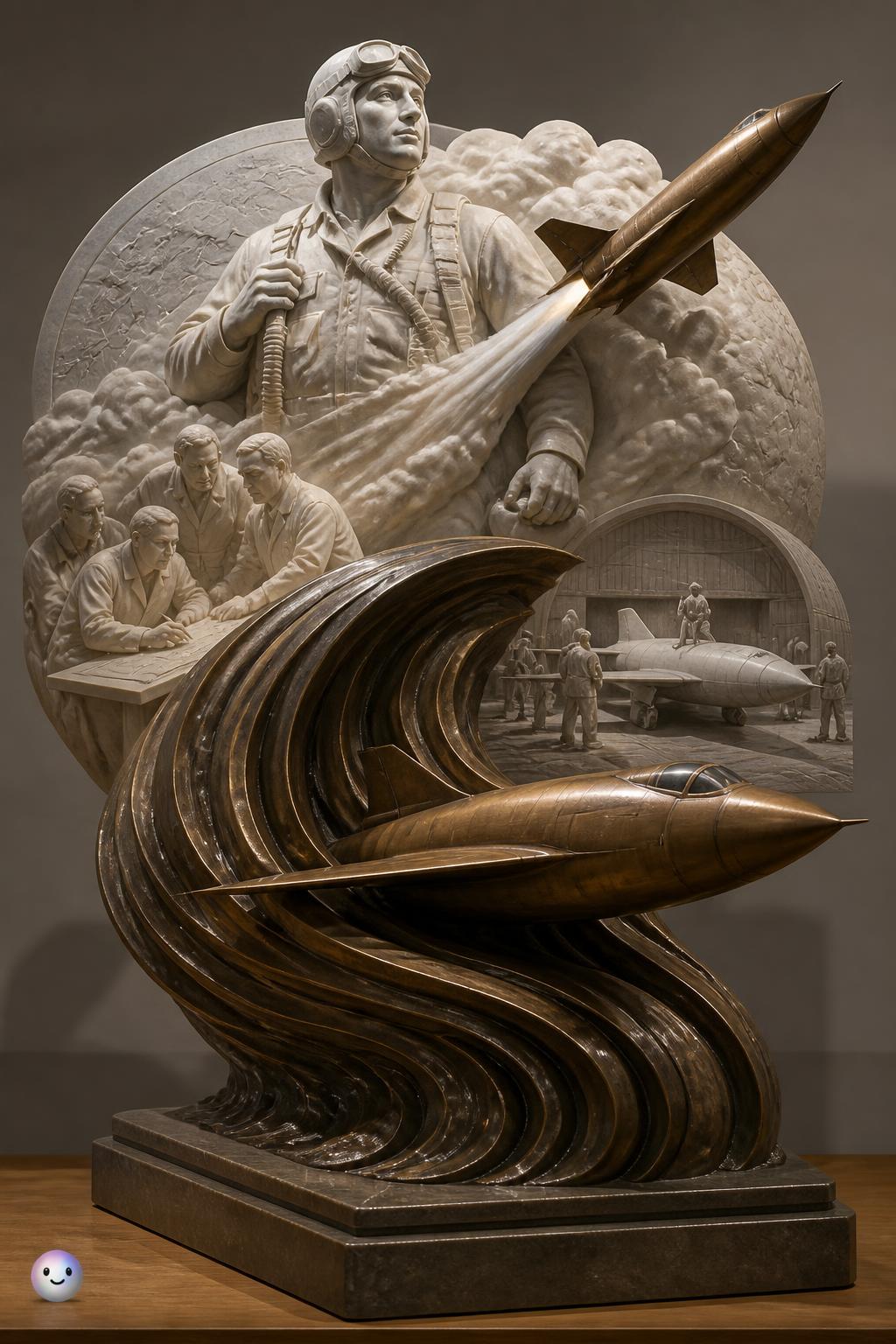
Star power: A single supernova explosion can briefly outshine an entire galaxy containing billions of individual stars.
Glossary
superconductivity (noun)
A state of zero electrical resistance occurring in certain materials when cooled below a critical temperature. Dutch physicist Heike Kamerlingh Onnes first discovered this phenomenon in 1911 while studying mercury.
A state of zero electrical resistance occurring in certain materials when cooled below a critical temperature. Dutch physicist Heike Kamerlingh Onnes first discovered this phenomenon in 1911 while studying mercury.
BETA
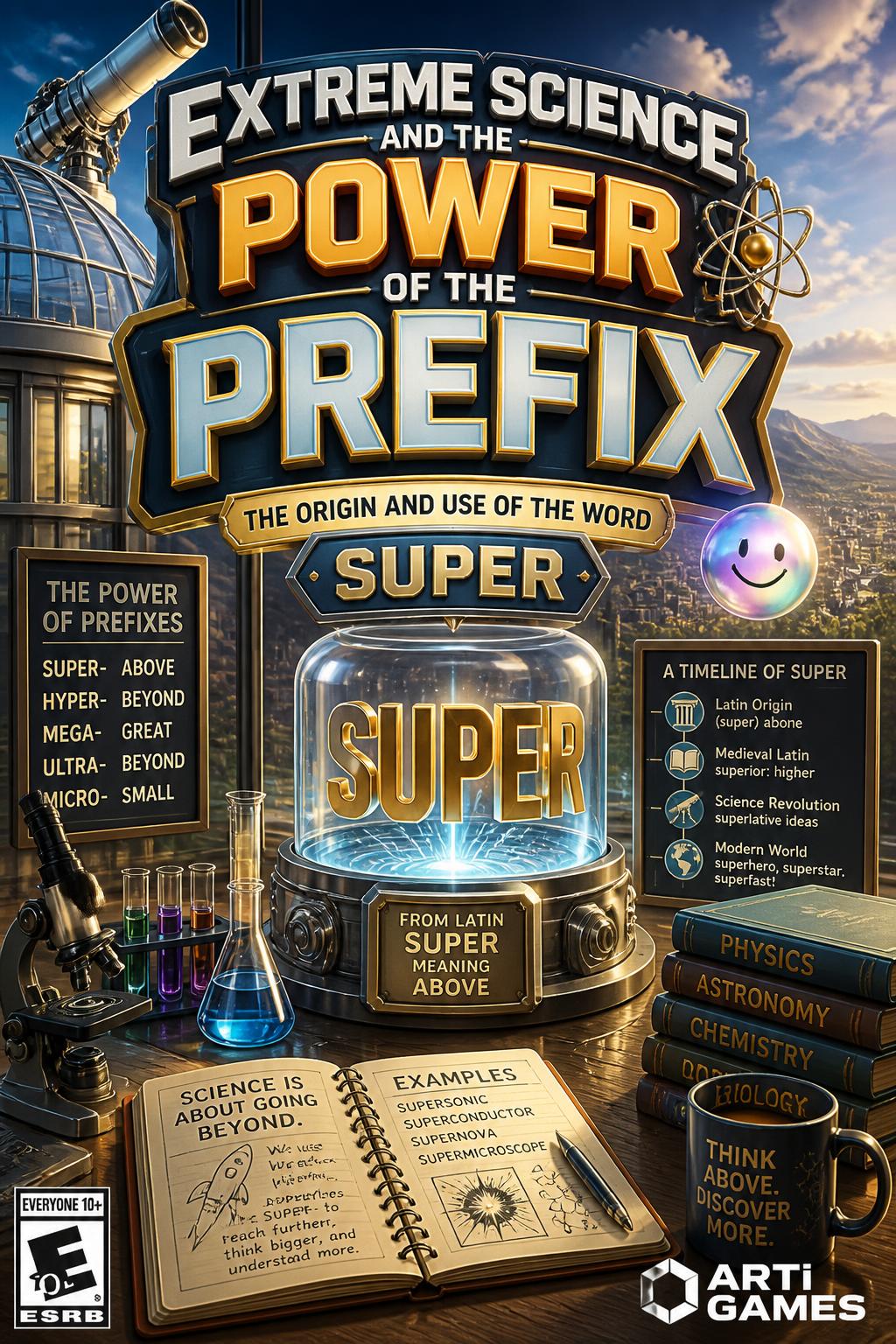
sonia Drag prefixes onto scientific words to discover how they supercharge the scale of discoveries.
Quiz
Which machine is widely considered the world's first successful supercomputer, released in 1964?