Bluetooth Audio Compression Explained
Bluetooth speakers use codecs like SBC or aptX to compress audio files. Invented in the late 20th century, these algorithms remove frequencies the human ear can't easily hear, reducing data size for seamless wireless transmission.
Designing the future with wearable AI
The physics of DIY sound
The chemistry of the perfect butter chicken
The psychology of the comment section
hazeker999 Wooden boxes stop colliding sound waves from canceling each other out. Ported designs use tuned tubes to boost bass, while sealed boxes deliver precise audio.
hazeker999 Alternating electrical currents pulse through a copper voice coil, interacting with a permanent magnet. This motion pushes and pulls a flexible cone to vibrate the air.
hazeker999 Lansing founded JBL in 1946 using his cinema speaker designs. His field-coil loudspeaker innovations still power today's rock concerts and home audio systems.
hazeker999 Animation reveals how late 20th-century codecs like SBC and aptX delete hidden sound frequencies. This clever data reduction enables seamless wireless streaming to your speaker.
hazeker999 DIY Speaker Physics
Run the current down / Push the magnet back / Make the paper sing

hazeker999 Choose the loudest post to discover how gossip and hype spread online.
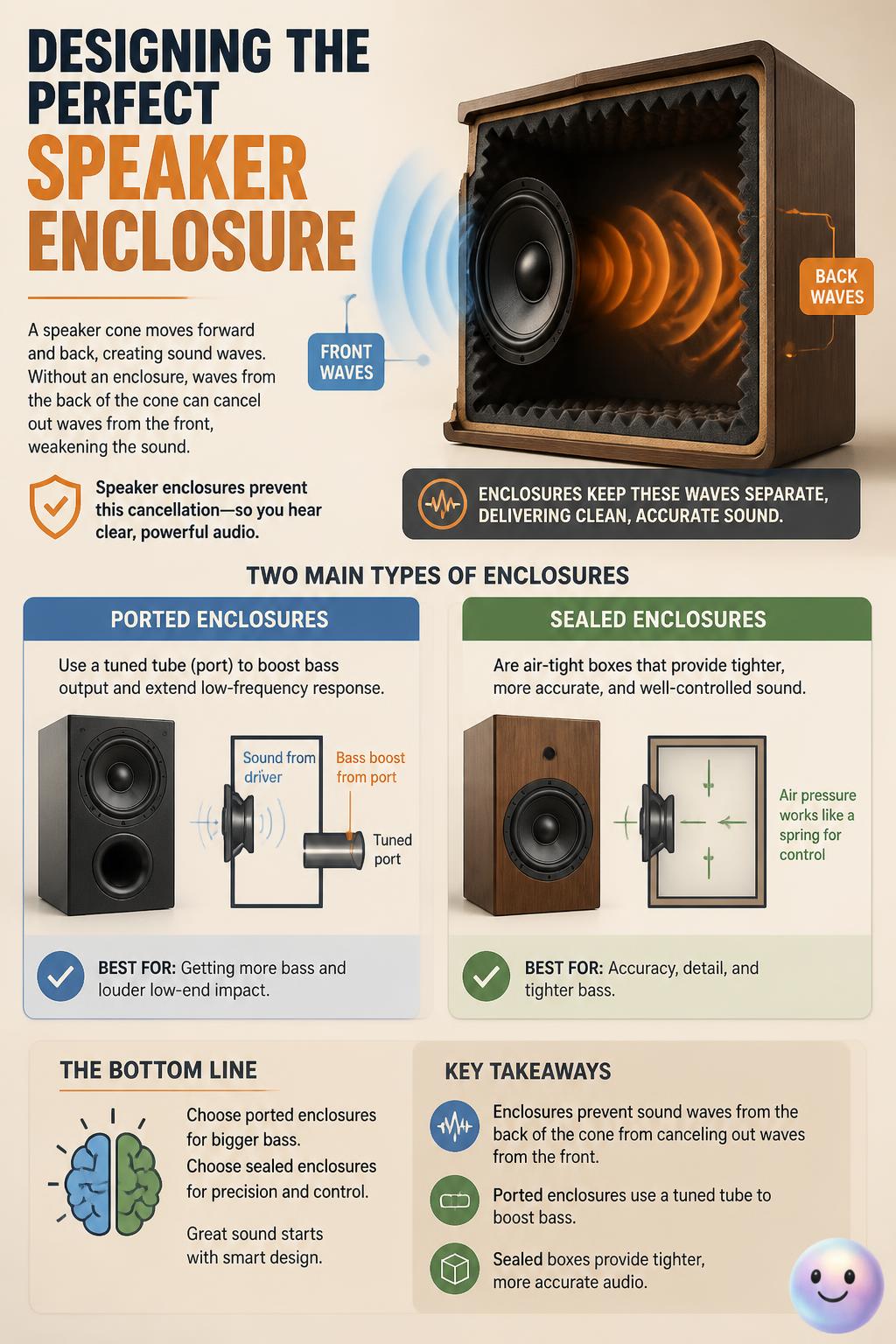
hazeker999 Speaker boxes prevent sound wave cancellation and dramatically shape the audio output.
Loudspeaker history: The first moving-coil loudspeaker was invented in 1925 by Edward Kellogg and Chester Rice.
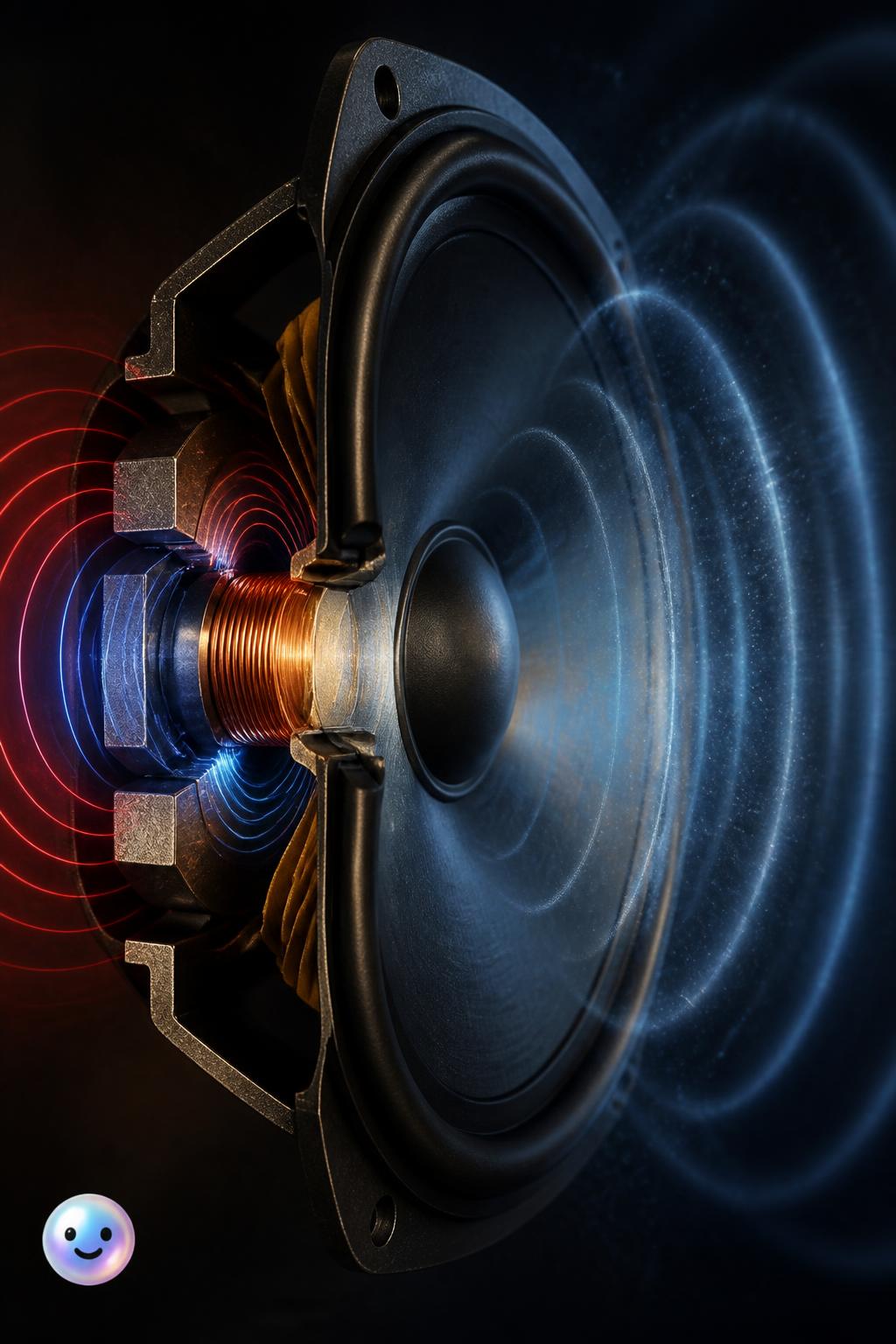
hazeker999 Electromagnetic speakers turn electrical currents into physical sound waves using magnets.
A device that changes electrical signals into sound. Hobbyists construct homemade JBL versions using simple materials like copper coils and paper cups.