Chapter 1
Designing the future with wearable AI
Chapter 2
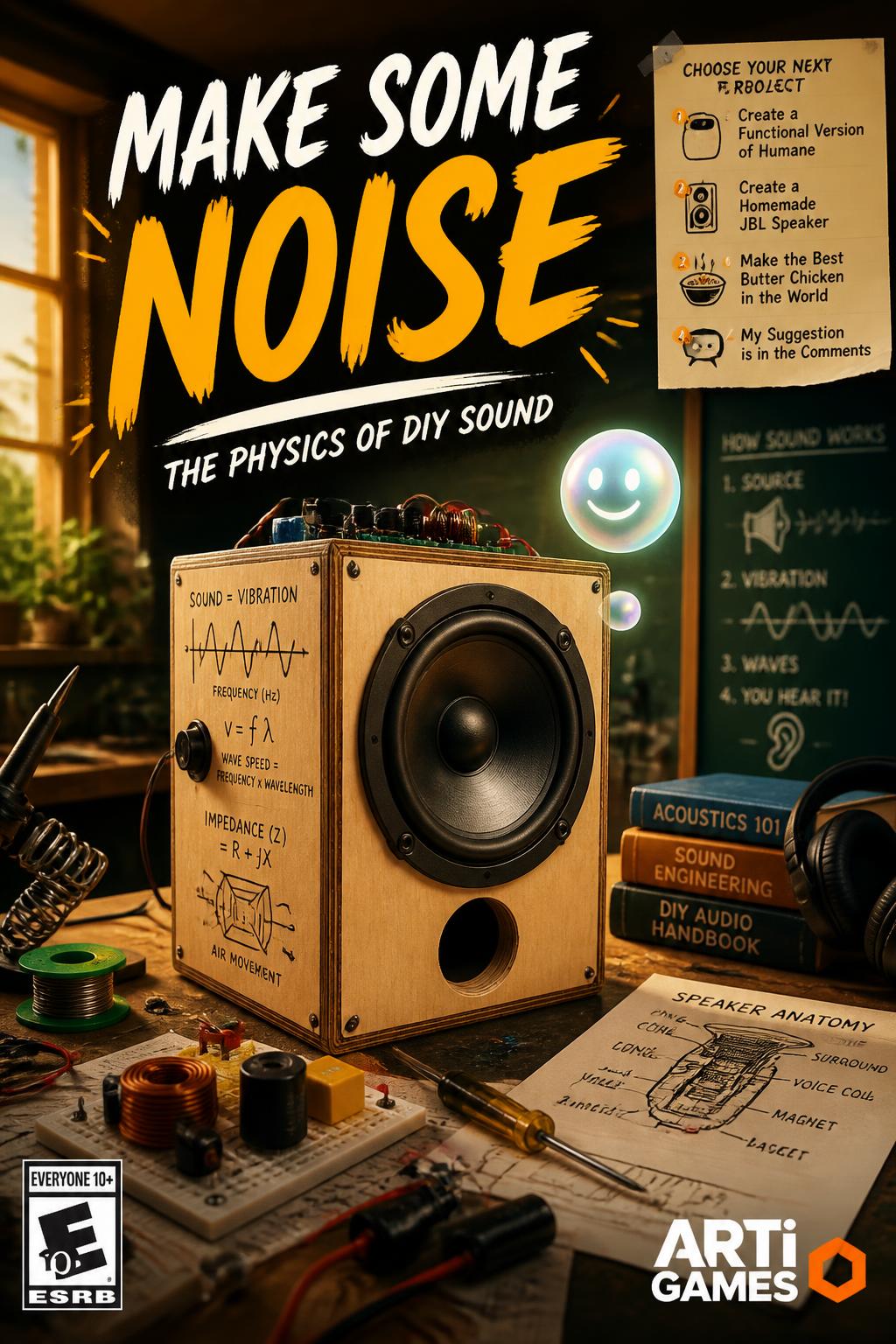
The physics of DIY sound
Chapter 3
The chemistry of the perfect butter chicken
Chapter 4
The psychology of the comment section
YOUR GOAL
Master of How to build a speaker, an AI pin, and the perfect butter chicken
Ch 2 · The physics of DIY sound
hazeker999 DIY Speaker Physics
Run the current down / Push the magnet back / Make the paper sing
hazeker999 Electromagnetic speakers transform electrical currents into audible sound waves.
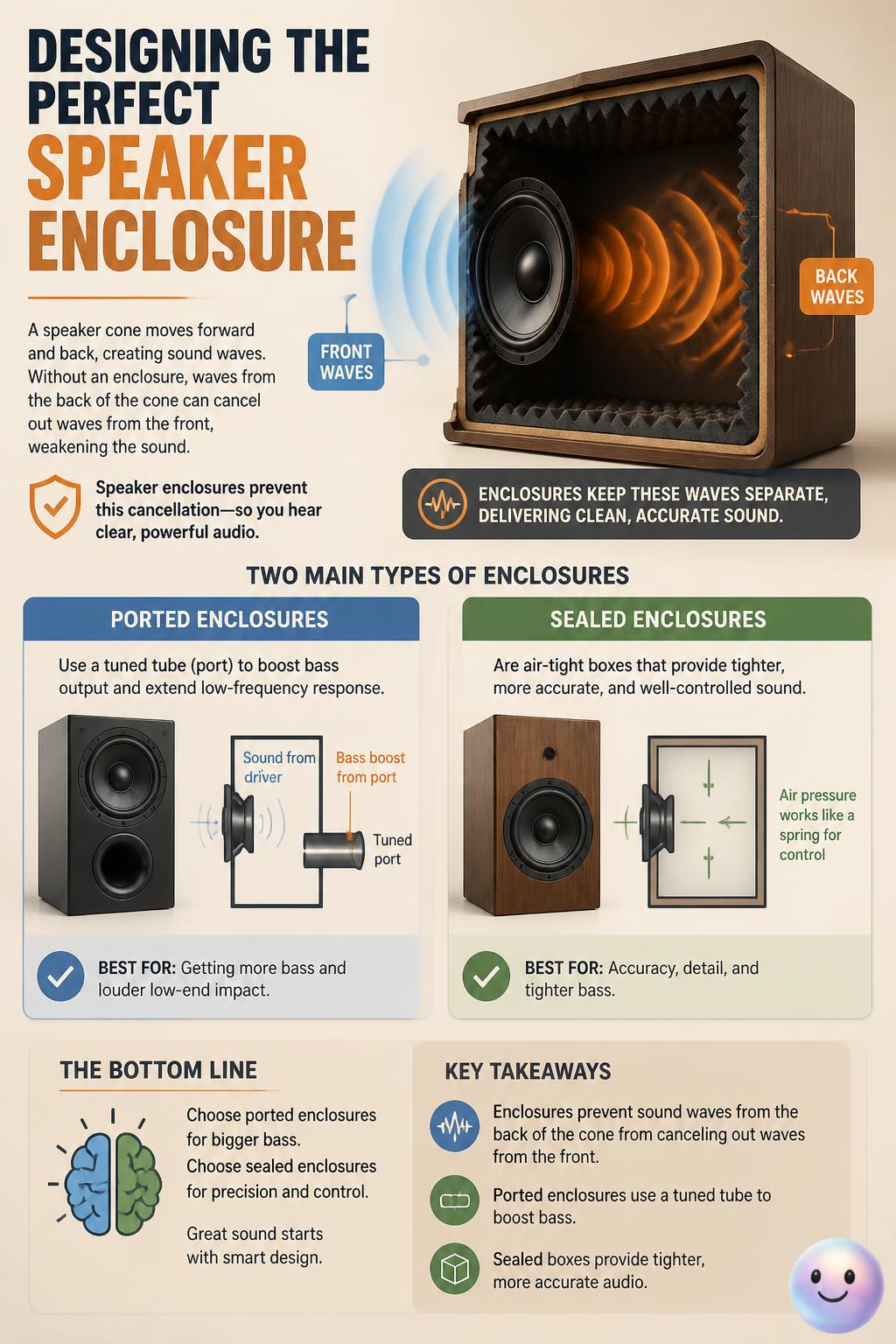
hazeker999 Speaker boxes prevent sound wave cancellation and dramatically shape the audio output.
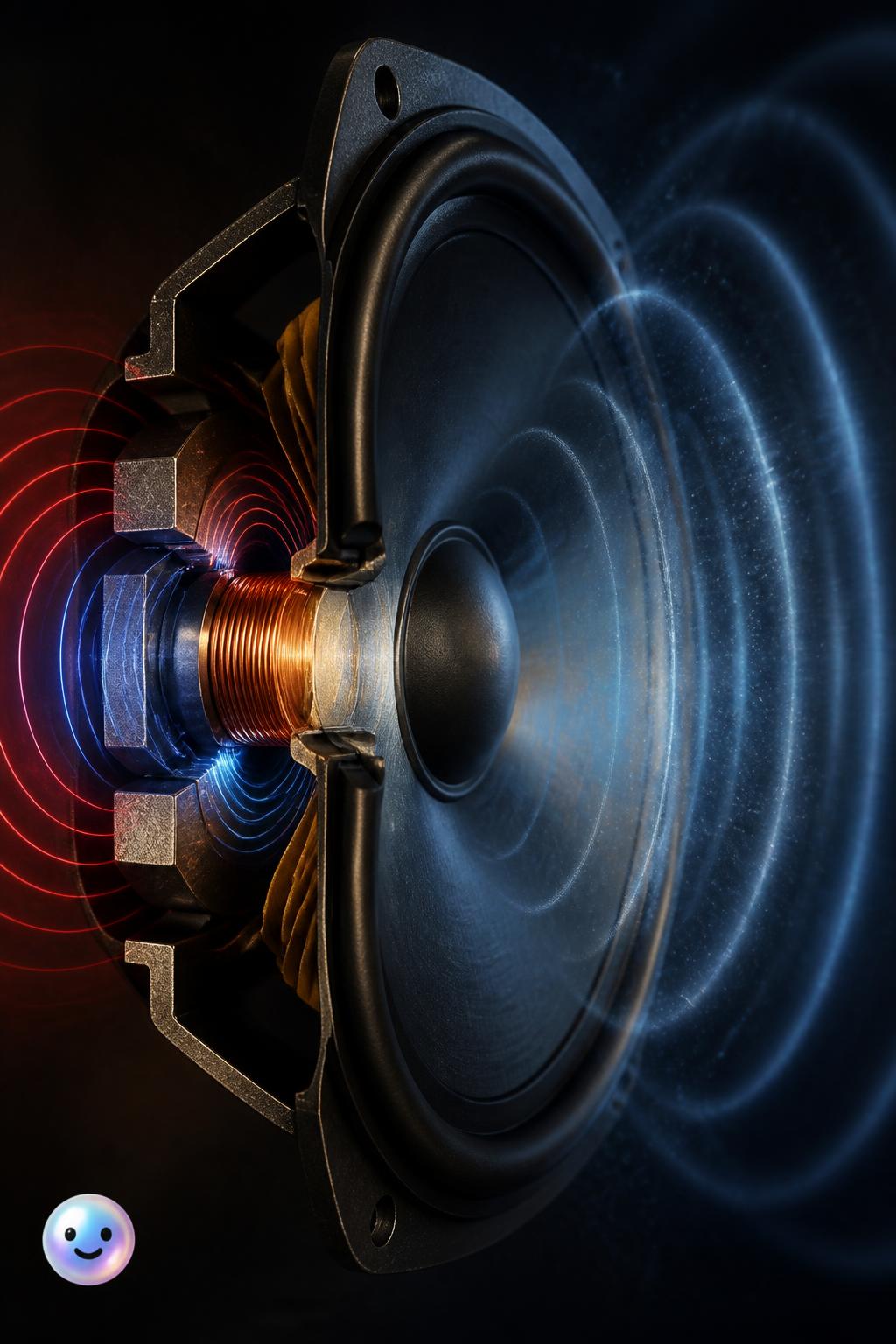
hazeker999 Electromagnetic speakers turn electrical currents into physical sound waves using magnets.
BETA
hazeker999 Choose the loudest post to discover how gossip and hype spread online.
Fun Fact
Loudspeaker history: The first moving-coil loudspeaker was invented in 1925 by Edward Kellogg and Chester Rice.
Glossary
speaker (noun)
A device that changes electrical signals into sound. Hobbyists construct homemade JBL versions using simple materials like copper coils and paper cups.
A device that changes electrical signals into sound. Hobbyists construct homemade JBL versions using simple materials like copper coils and paper cups.
hazeker999 James Bullough Lansing pioneered the technology behind modern loudspeakers.