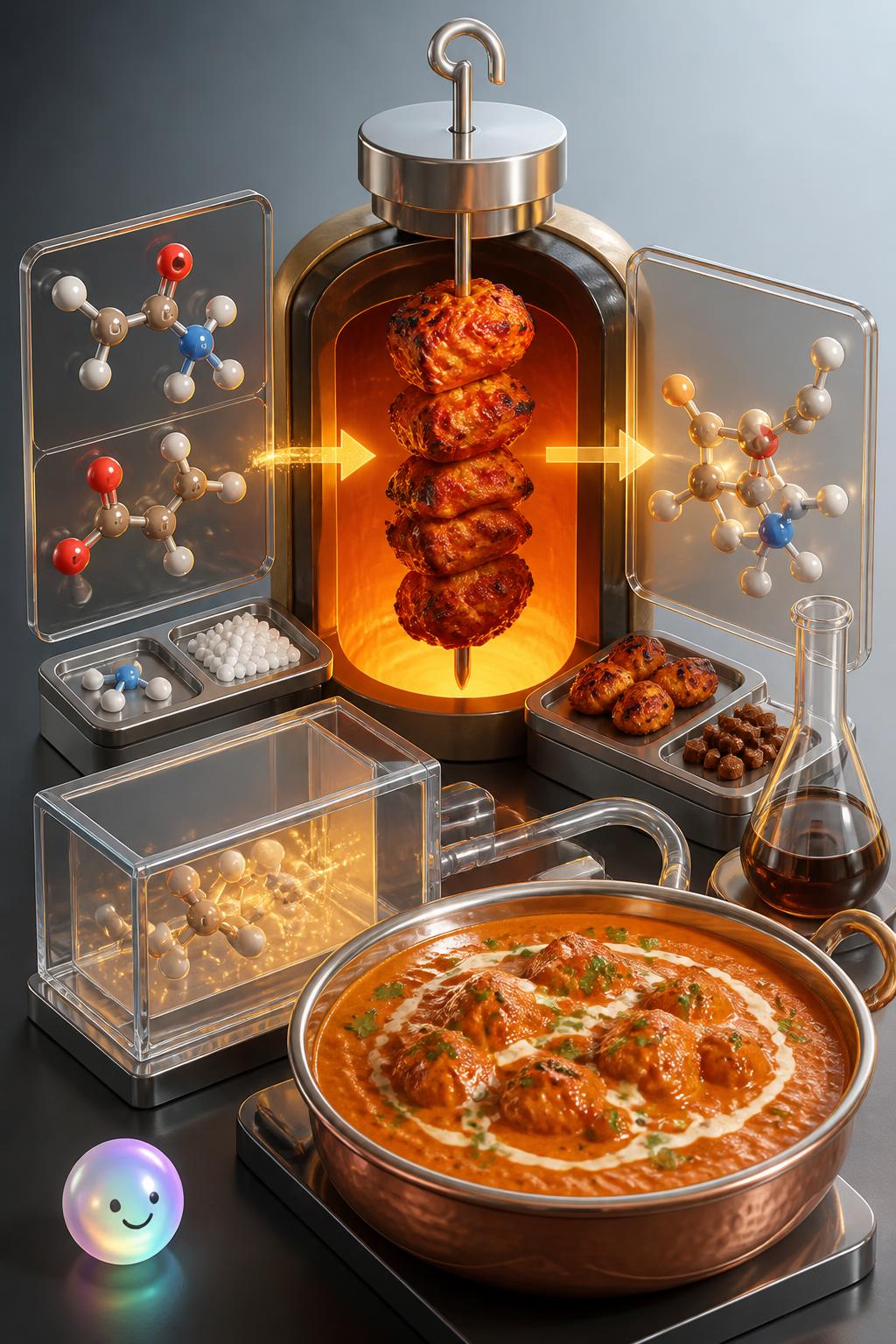
Maillard Reaction Magic: Science of Food Browning
Intense clay oven heat triggers chemical reactions that brown meat and lock in flavor.
Designing the future with wearable AI
The physics of DIY sound
The chemistry of the perfect butter chicken
The psychology of the comment section
hazeker999 Whisking cold butter into warm spiced tomatoes releases milk proteins that bind the ingredients. This simple kitchen technique prevents greasy oil from separating in the pan.
hazeker999 Baking tandoori chicken at 900 degrees Fahrenheit triggers a reaction between amino acids and sugars. This intense heat browns the meat to build delicious, complex flavors.
hazeker999 Perfect Butter Chicken Chemistry
Add in the cashews to bind the cream (oh, lock it in!), making the butter a silky dream (yeah, silky dream!)
hazeker999 Heating cumin and fenugreek in hot butter dissolves their fat-soluble flavor compounds. This technique releases volatile gases that instantly intensify the aroma of the dish.
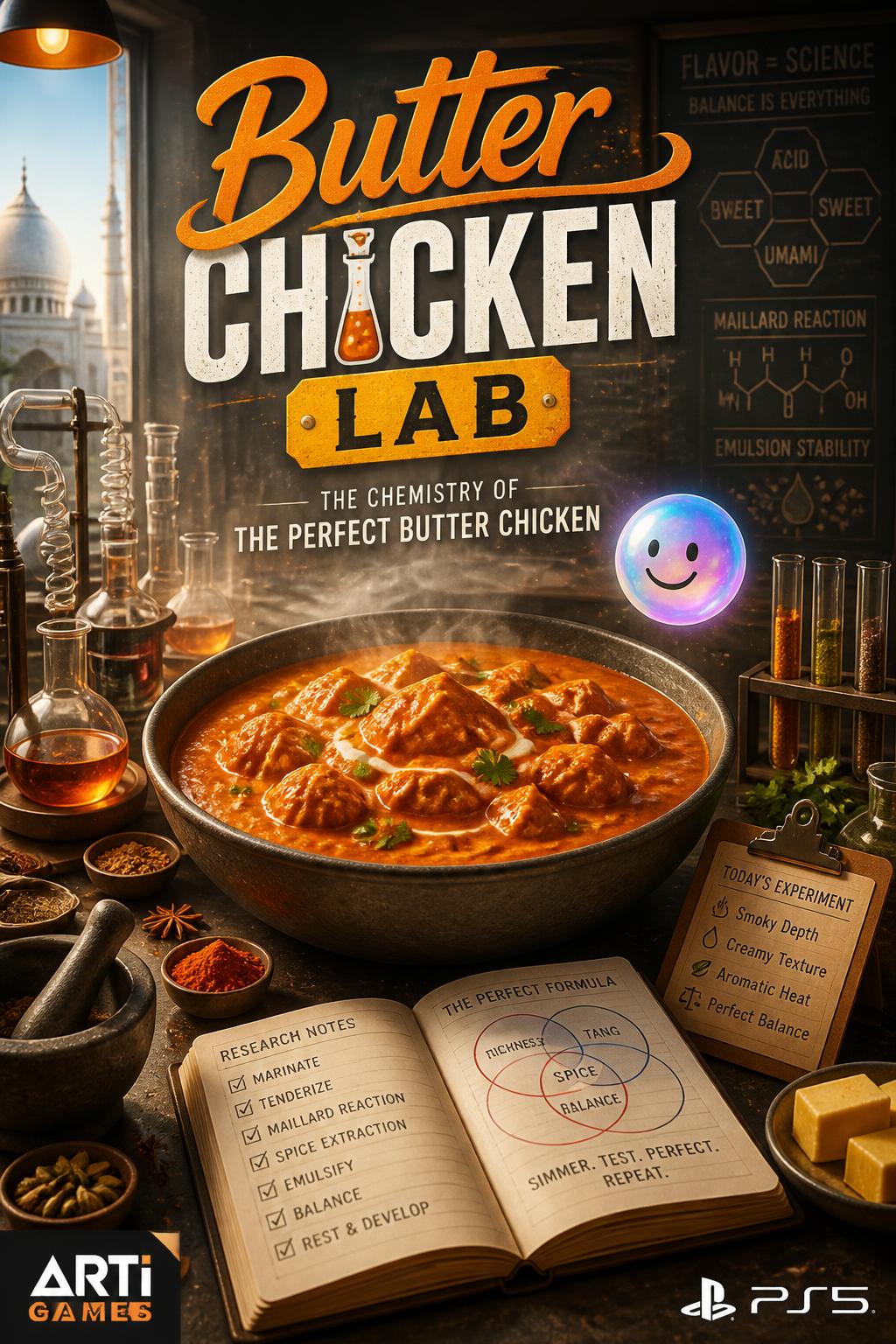
hazeker999 Mix the ultimate recipe to discover how viral food posts spark social media gossip.
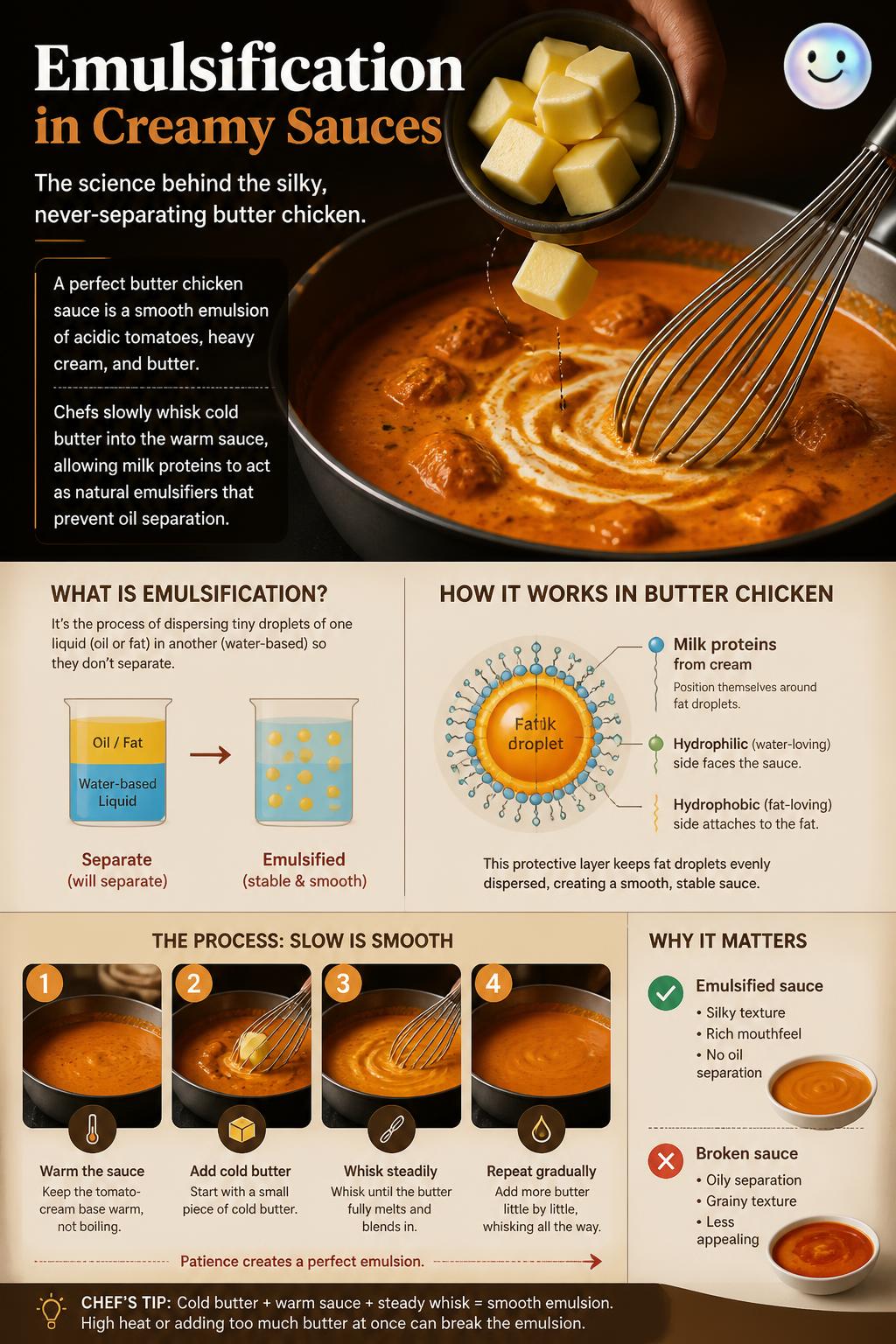
hazeker999 Milk proteins act as natural emulsifiers to bind fat and water in sauces.
Butter chicken color: The iconic orange-red color comes naturally from Kashmiri chili powder, which is mild but highly pigmented.
hazeker999 Intense clay oven heat triggers chemical reactions that brown meat and lock in flavor.
A syrupy organic acid produced in sour milk and during muscle activity. In 1948, Delhi's Kundan Lal Gujral used yogurt's tenderizing lactic acid to keep his grilled chicken juicy.