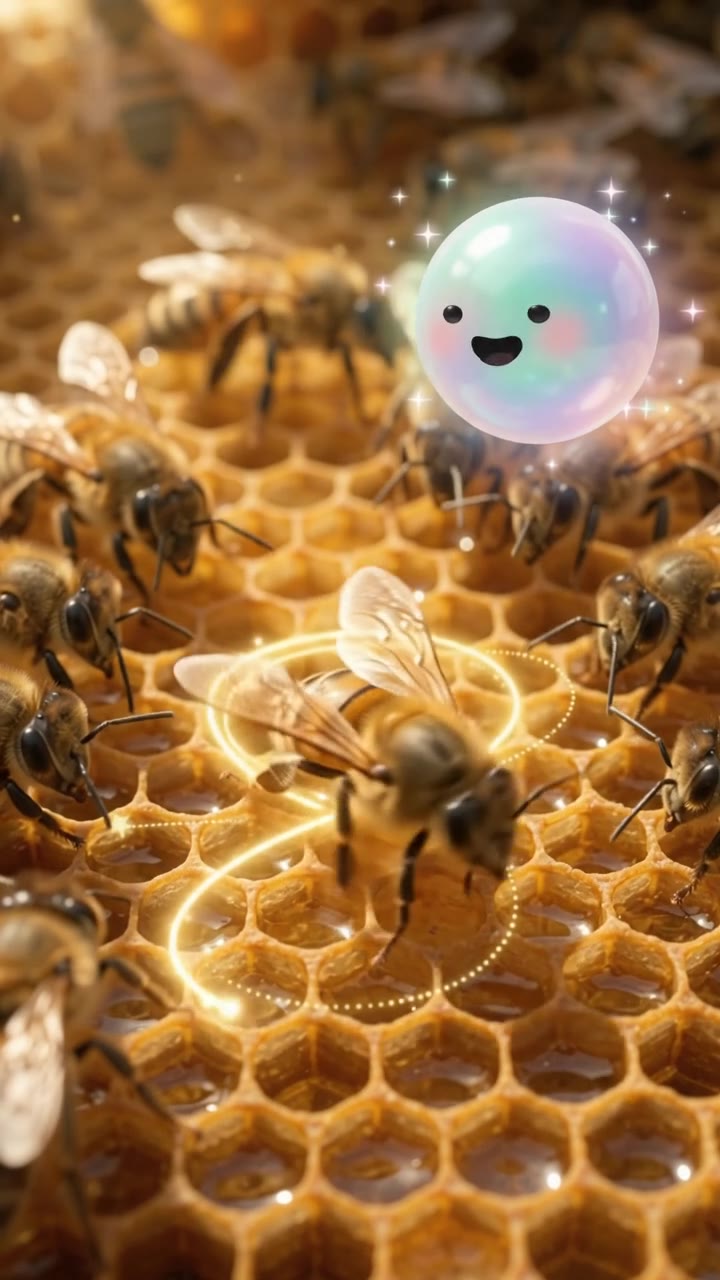
Dancing the Directions in Biosemiotics
Discovered by Austrian ethologist Karl von Frisch, who won a Nobel Prize in 1973, the 'waggle dance' is a complex symbolic language. The angle of the bee's dance relative to vertical indicates the direction of the food relative to the sun, while the duration of the waggle run communicates the distance. This allows the hive to coordinate foraging over miles.
The secret language of cells
Whispering woods and talking trees
The animal chatterbox
Microbe meetings and fungal internets

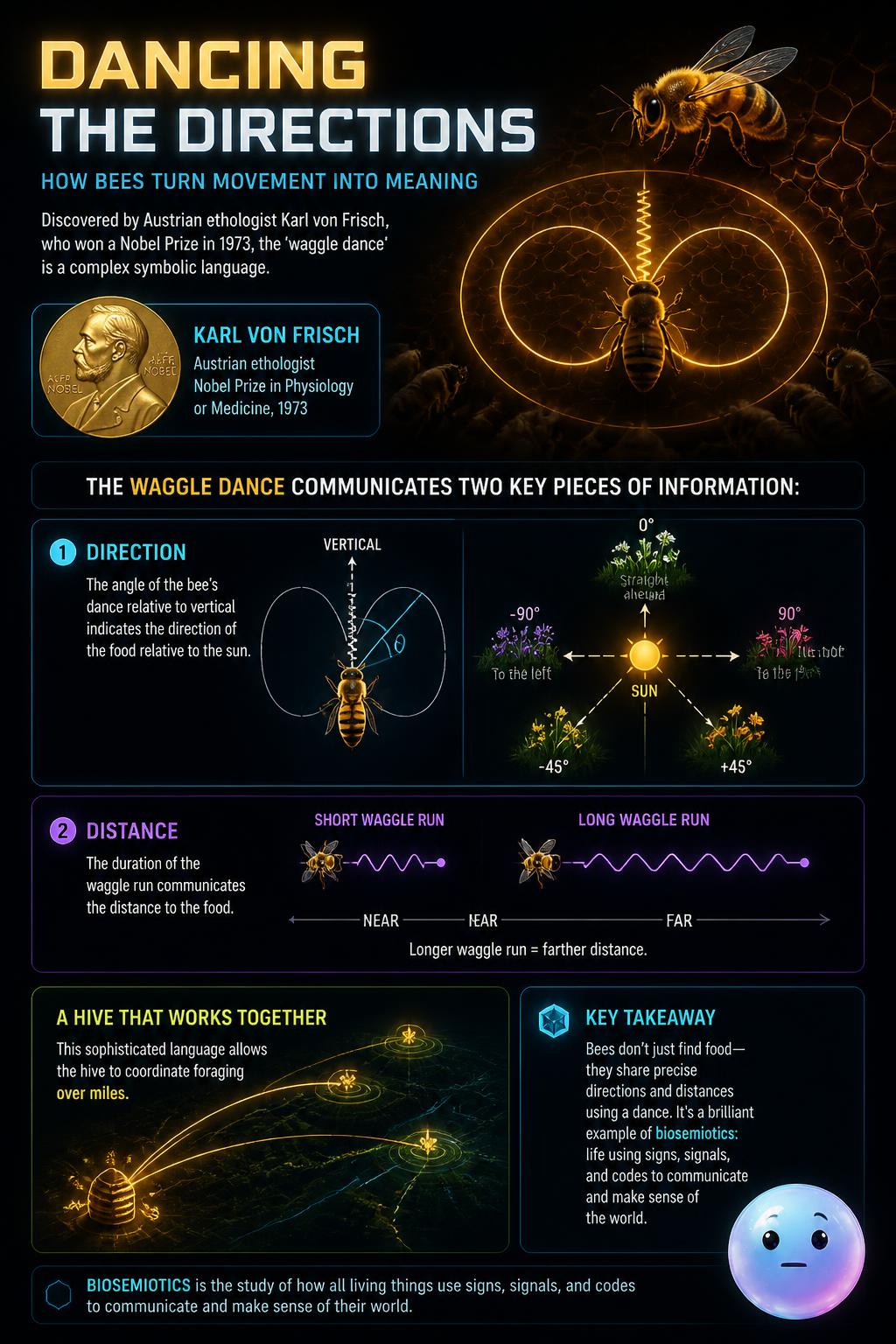
sonia A bee's waggle dance uses angles relative to vertical to show food direction from the sun, and run duration to communicate distance.
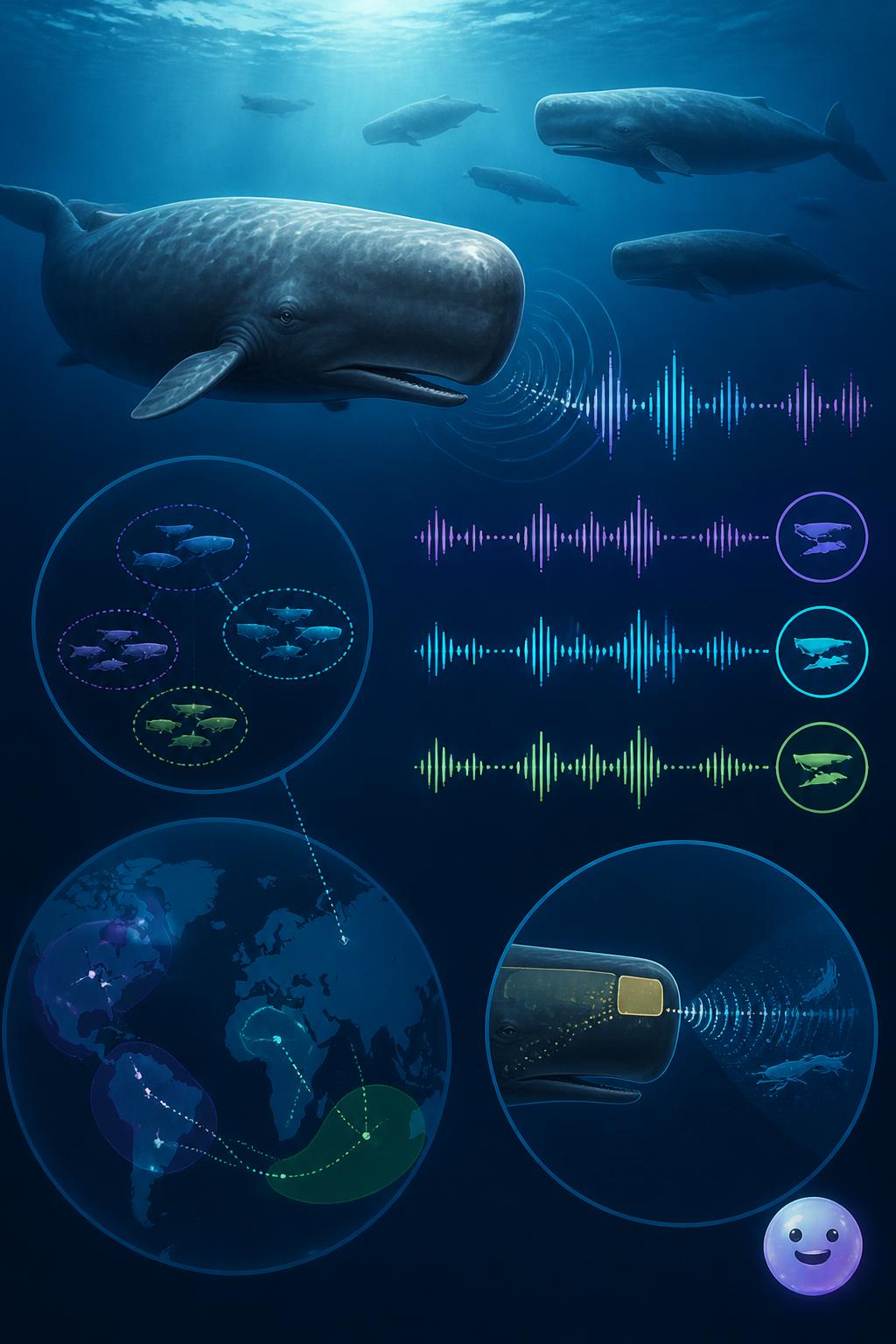
sonia Marine biosemiotics shows that cetacean vocalizations are culturally transmitted languages, not instincts.
What is the term for the rhythmic patterns of clicks used by sperm whales to identify their group?
Prairie dog warnings: Prairie dogs have specific alarm chirps that describe a predator's size, shape, color, and speed to their colony.

The study of semiotic processes, signs, and communication among non-human animals. American semiotician Thomas Sebeok coined the term in 1963 to analyze how animals exchange signals.
sonia The Master of Animal Signs
The master of animal signs! (Oh, the master of signs!) / An atomic priesthood to guard the shrines! (To guard the shrines!)