
Chapter 1
Microscopic monsters that munch on our trash
Chapter 2
Sucking carbon from the sky
Chapter 3
Sweeping the oceans clean
Chapter 4
Microscopic shields and magnetic dust
YOUR GOAL
Master of How to wash a planet with futuristic tech
Ch 4 · Microscopic shields and magnetic dust
007skaty Microscopic Shields and Magnetic Dust
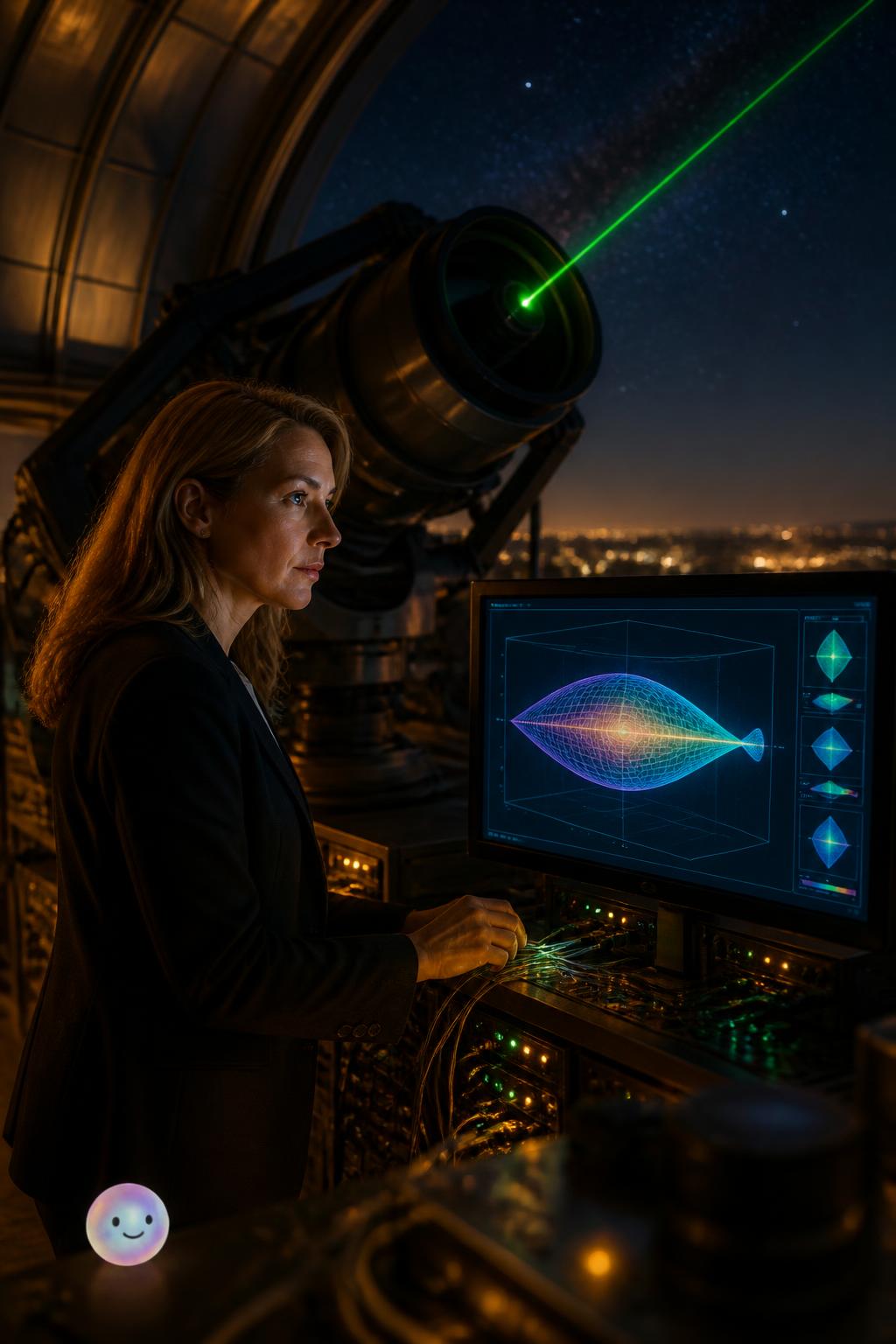
Microscopic shields wash the stains away, and magnetic dust pulls the plastic out.
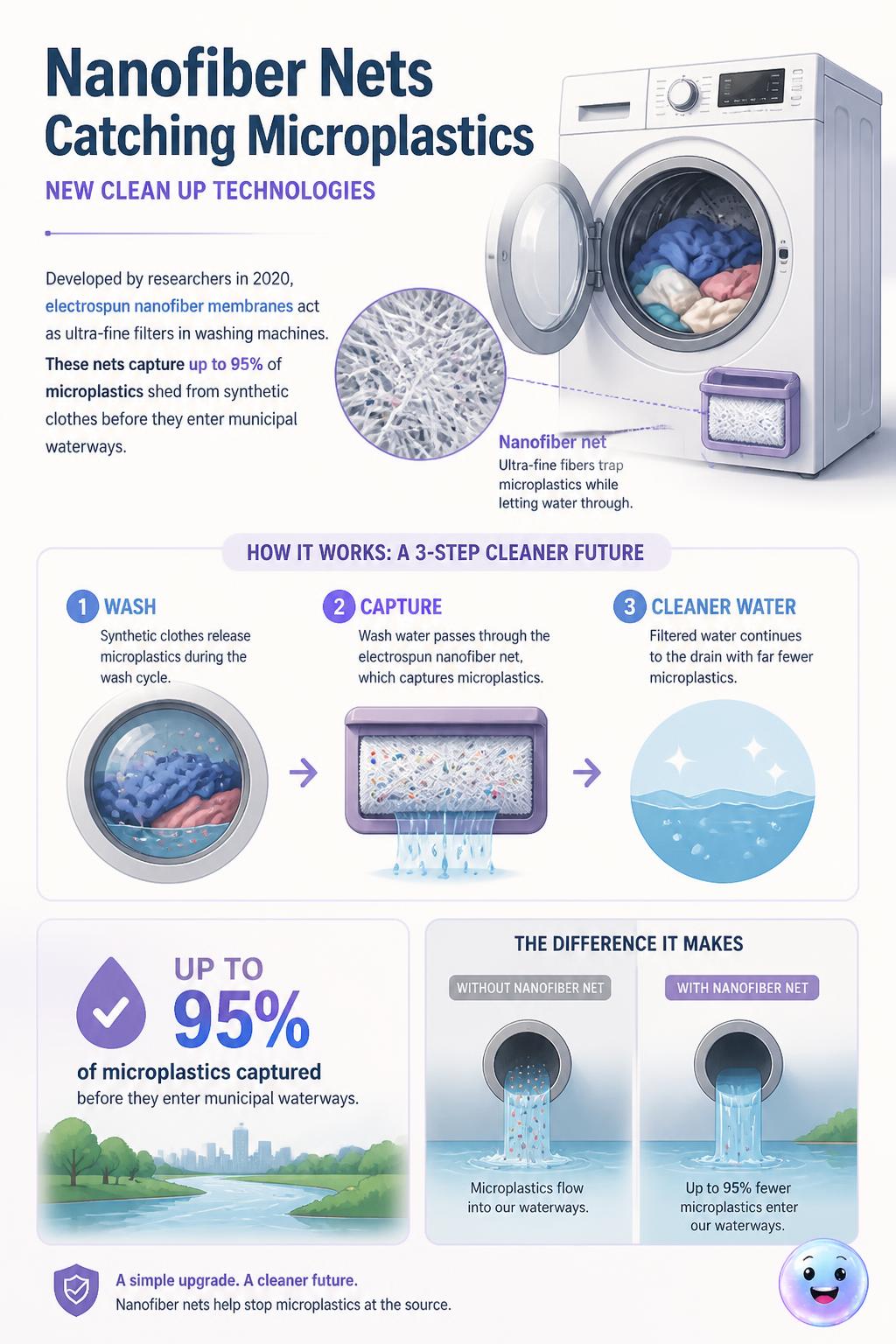
007skaty Developed in 2020, electrospun nanofiber membranes act as ultra-fine washing machine filters to block microplastics from entering municipal
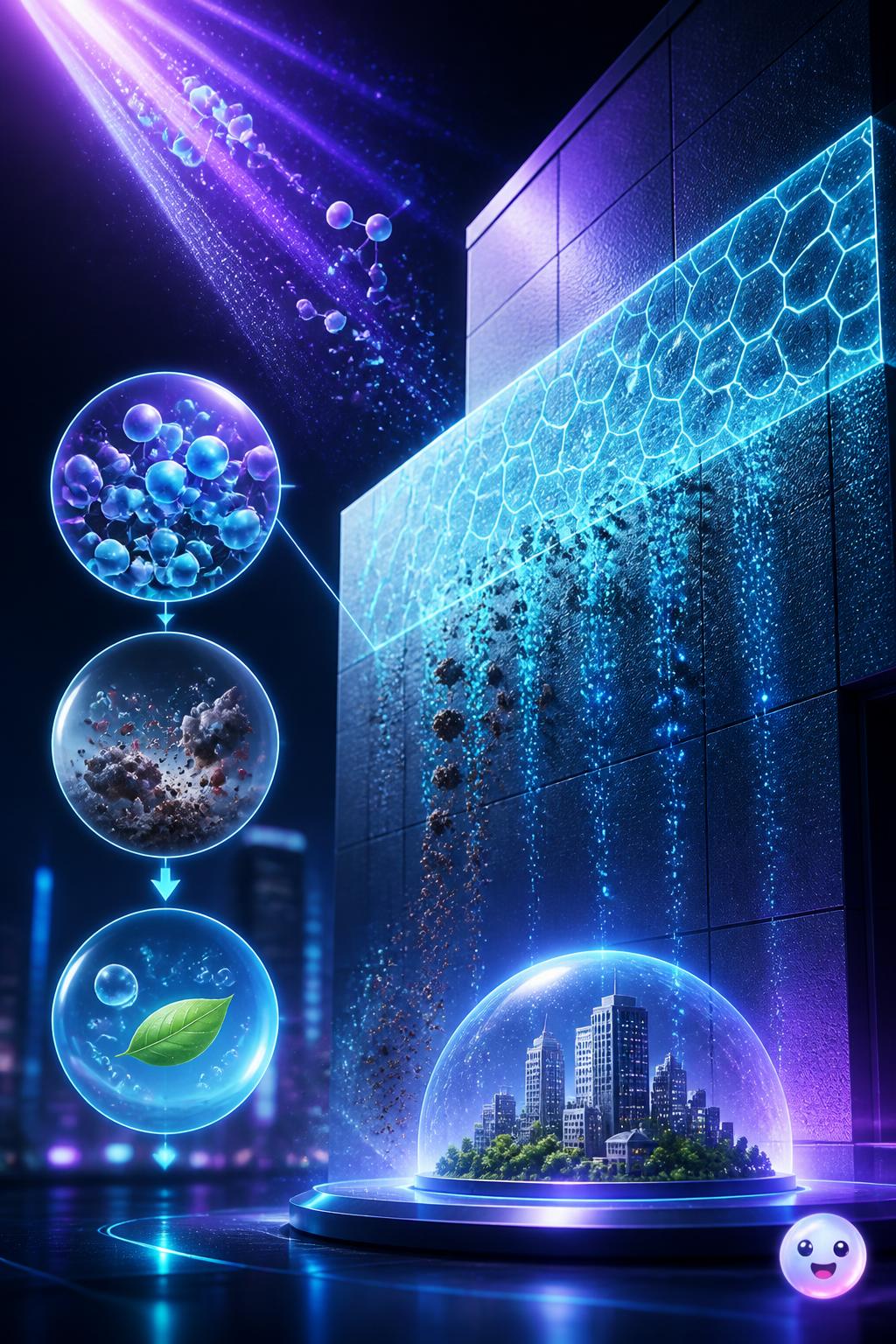
007skaty Holographic light highlights self-cleaning titanium dioxide nanocoatings on a dark building facade
BETA
007skaty Deploy nano-filters to learn how advanced technologies capture microscopic dust.
Fun Fact
Smart sponges: The OHM sponge can absorb 30 times its weight in oil while completely repelling water, allowing it to be reused.
Glossary
nanoparticle (noun)
A microscopic particle of matter that has at least one dimension of less than 100 nanometers. In 2012, MIT researchers used water-repellent magnetic nanoparticles to separate spilled oil from ocean water.
A microscopic particle of matter that has at least one dimension of less than 100 nanometers. In 2012, MIT researchers used water-repellent magnetic nanoparticles to separate spilled oil from ocean water.
Quiz
What type of light triggers the chemical reaction in titanium dioxide self-cleaning coatings?
Quiz
Which chemical compound is used in self-cleaning nanocoatings to break down smog using sunlight?
Quiz
Which university developed the OHM sponge that absorbs 30 times its weight in oil?
Quiz
What percentage of microplastics can electrospun nanofiber washing machine filters capture?
Quiz
In what year did MIT researchers demonstrate the use of magnetic nanoparticles to separate oil from water?