Shinto, the ancient way of the kami
Buddhism arrives and blends
Yokai, yurei, and folk monsters
Modern rituals and everyday superstitions
YOUR GOAL
Master of Japanese spiritual traditions
renaissanceman Japan's Unlucky Number Four
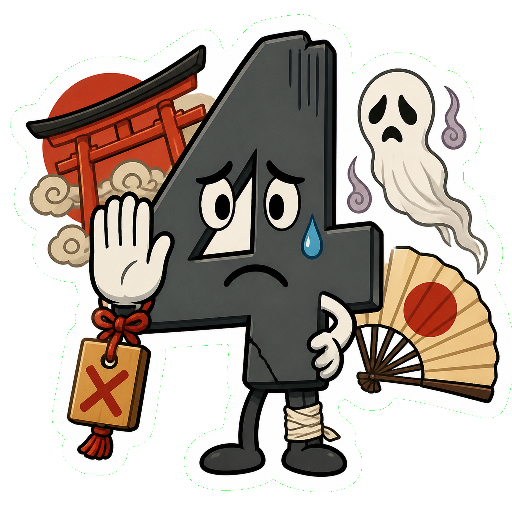
Why do some rooms skip, (Oh-oh!) the number four? (Yeah!) It sounds just like the word for death, (So it's avoided!) you see!
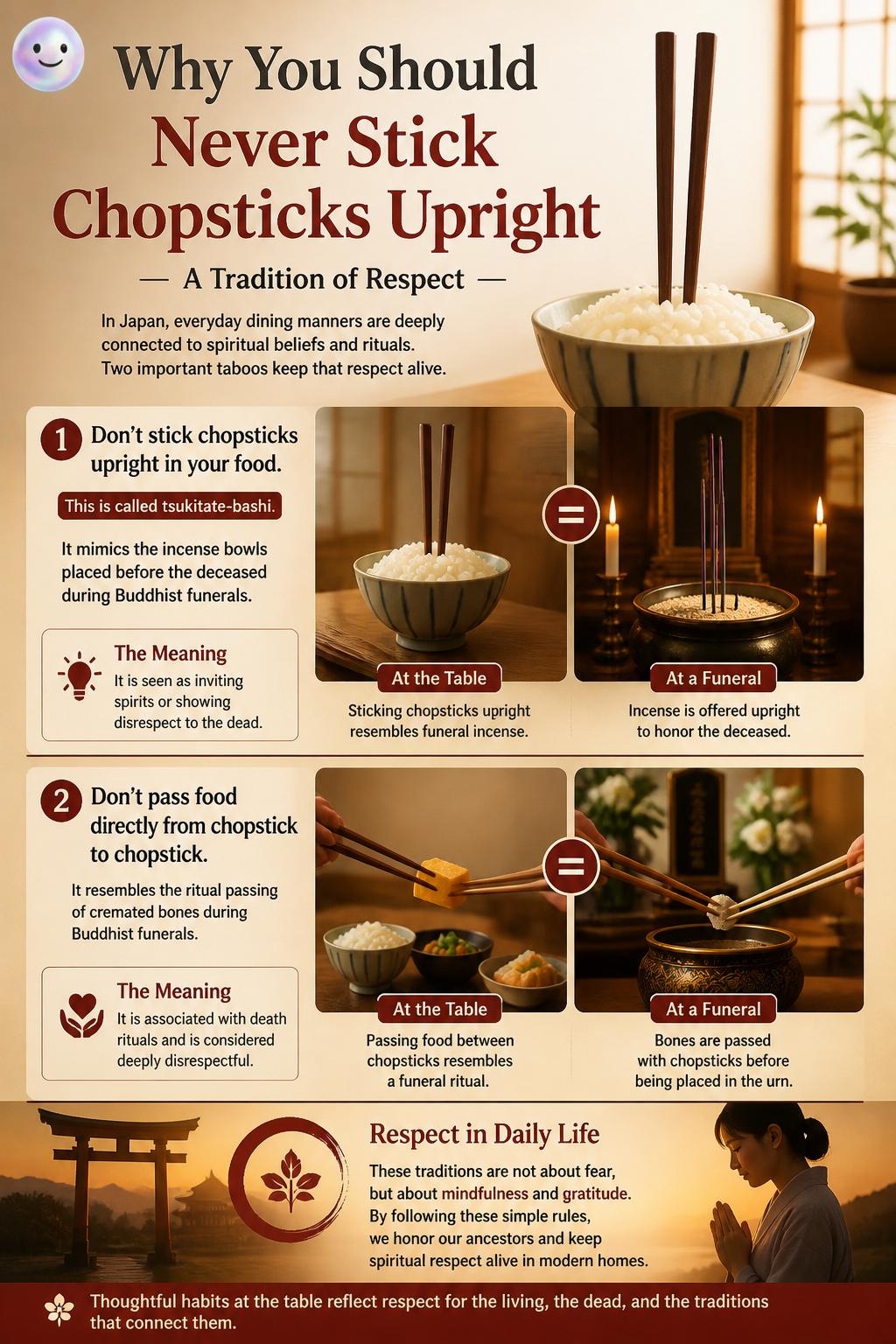
renaissanceman Sticking chopsticks vertically into a bowl of rice is a major taboo associated with Buddhist funeral rituals.
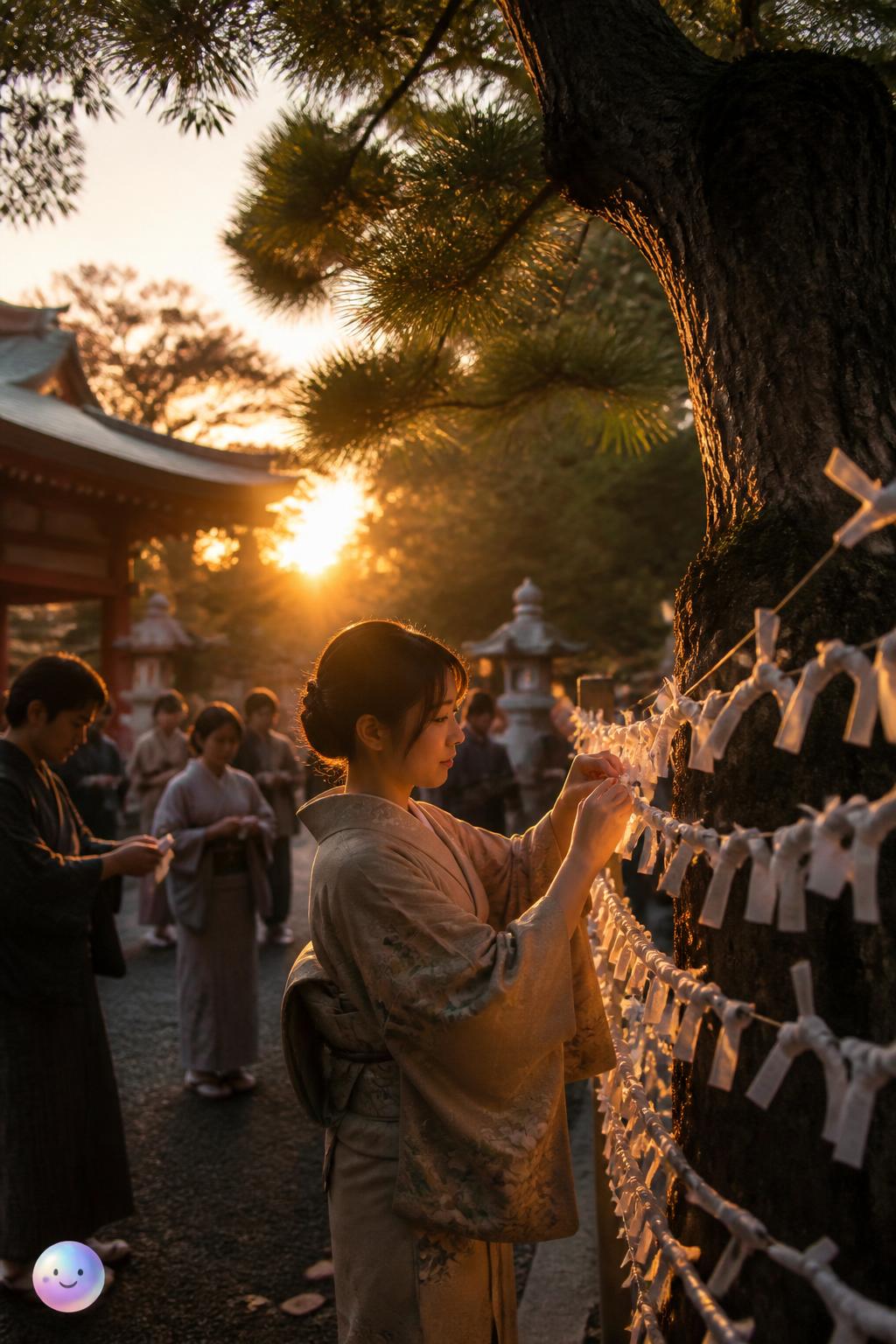
renaissanceman Visitors draw fortune-telling paper slips at shrines to learn their luck in love, health, and studies.
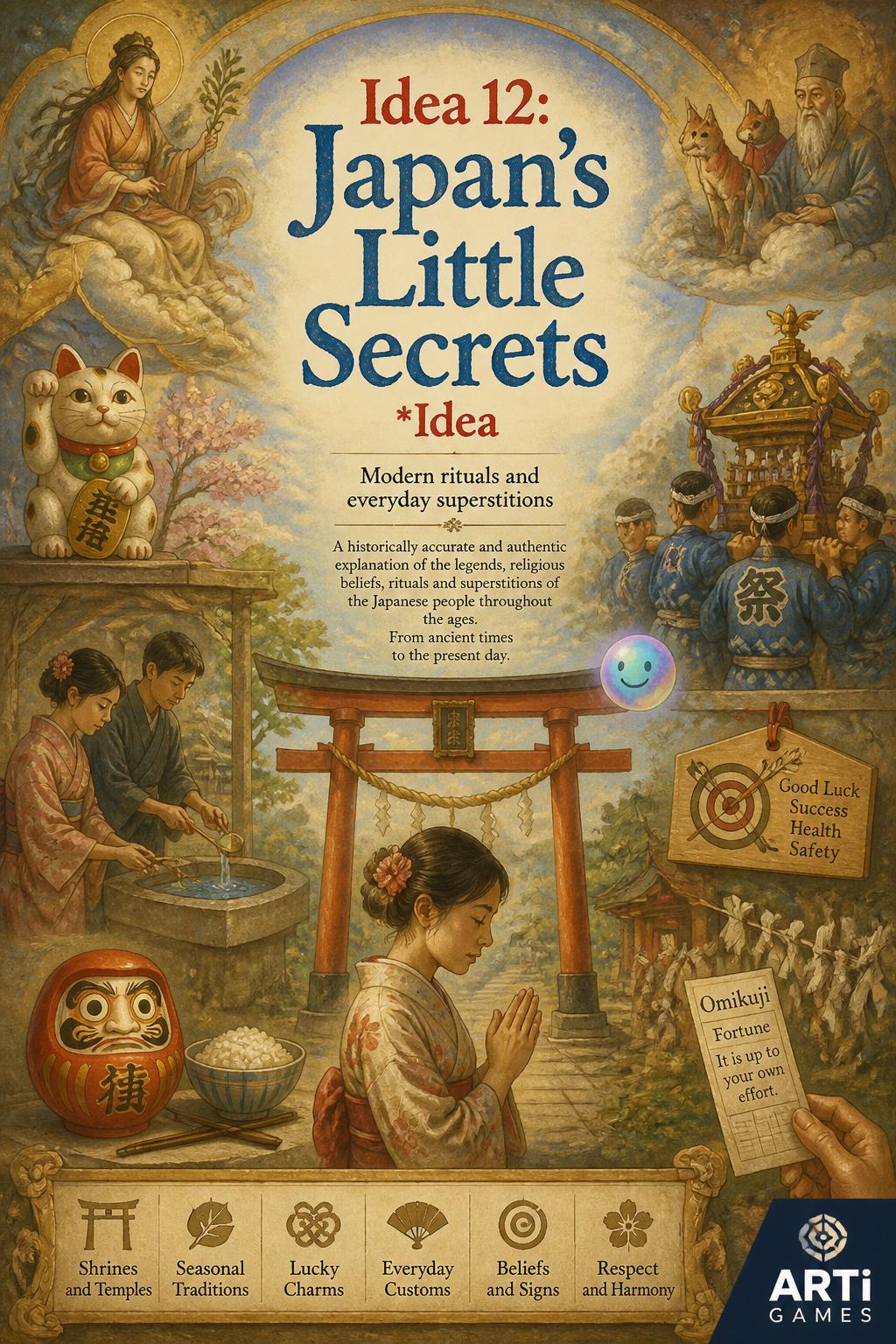
renaissanceman Sort legendary spirits and sacred items to discover the secrets behind Japanese superstitions.
Unlucky number four: The number four is considered highly unlucky in Japan because its pronunciation, shi, sounds exactly like the Japanese word for death.
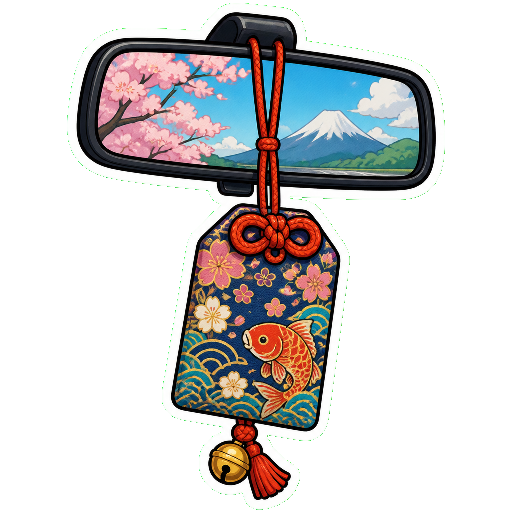
A Japanese amulet or talisman dedicated to Shinto deities or Buddhist figures, carried for protection or good luck. Today, many Japanese commuters hang these colorful fabric packets in their cars to prevent traffic accidents.
If you receive a bad fortune slip (omikuji) at a Japanese shrine, what should you do to avoid the bad luck?
What is the Japanese term for the first shrine or temple visit of the New Year, typically done between January 1st and 3rd?
What is the purpose of the round, white papier-mâché 'Daruma' doll with blank eyes?
Why is the number four (4) traditionally considered unlucky in Japanese culture?
Why is sticking chopsticks vertically into a bowl of rice considered a strict taboo in Japan?
What is inside a colorful silk 'omamori' amulet sold at Japanese shrines and temples?
What seasonal ritual involves throwing roasted soybeans out the door to drive away demons and welcome good fortune?