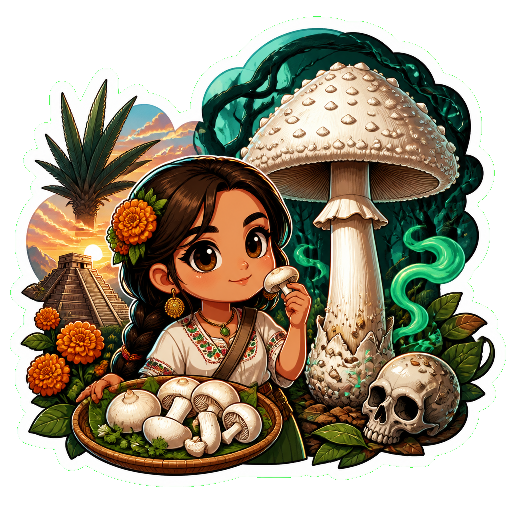

A dusty, natural stamp created by leaving a mushroom cap on paper overnight to collect its microscopic reproductive spores. In the study of Mexico's diverse mushroom kingdom, making these colorful powdery patterns is a crucial survival science technique used to safely tell delicious edible fungi apart from their deadly lookalikes.
The sacred mushroom ceremonies of Oaxaca
View / Create
Answer
Edible forest gold and cornfield delicacies
View / Create
Answer
Deadly lookalikes and fungal survival science
View / Create
Answer
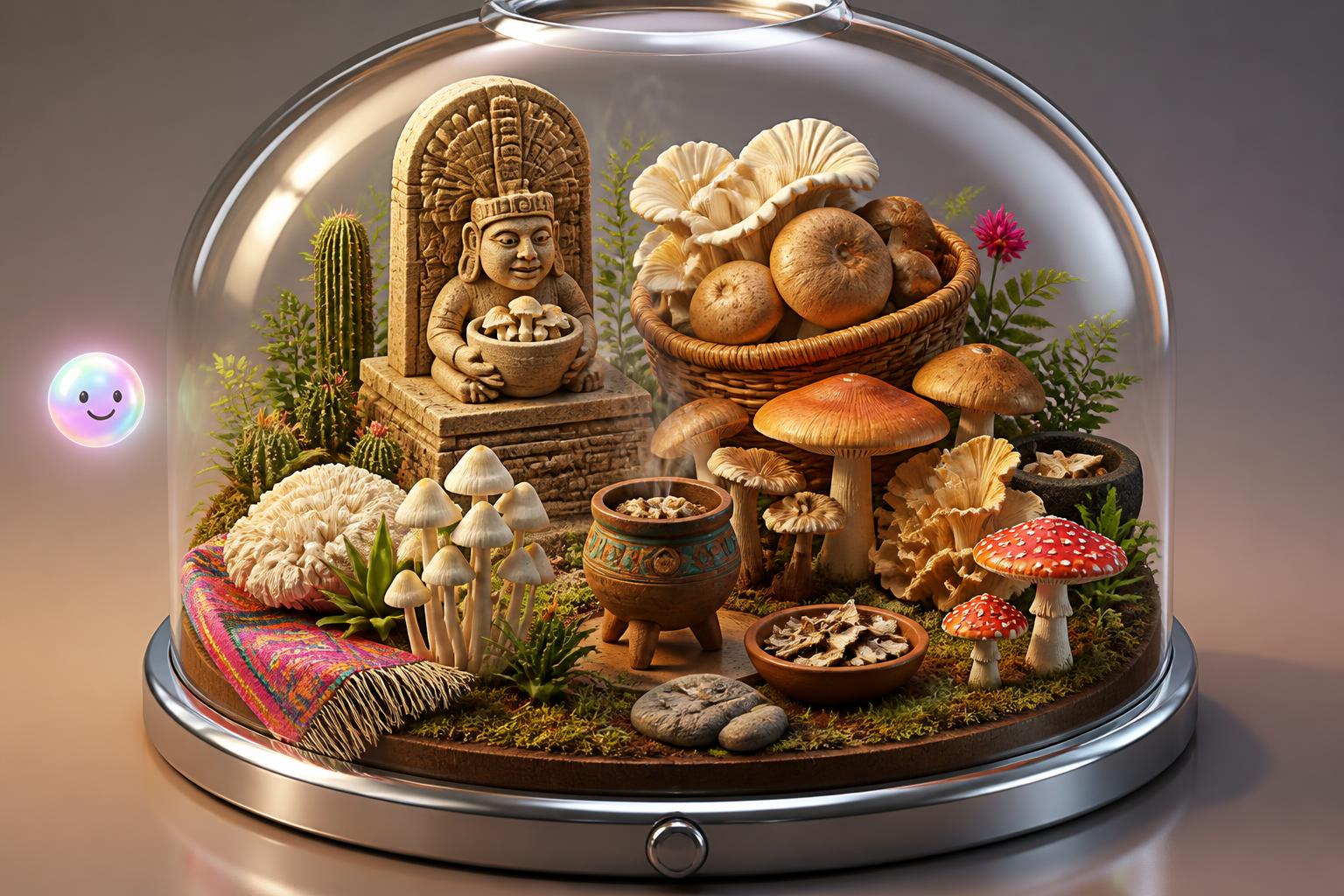
From ancient rituals to modern medicine
View / Create
Answer
YOUR GOAL
Master of Mexico's mushroom kingdom
A dusty, natural stamp created by leaving a mushroom cap on paper overnight to collect its microscopic reproductive spores. In the study of Mexico's diverse mushroom kingdom, making these colorful powdery patterns is a crucial survival science technique used to safely tell delicious edible fungi apart from their deadly lookalikes.
choko Deadly Mushroom Lookalikes
That pretty cap might look the same (look the same) / But those amatoxins can't be tamed (cannot be tamed)

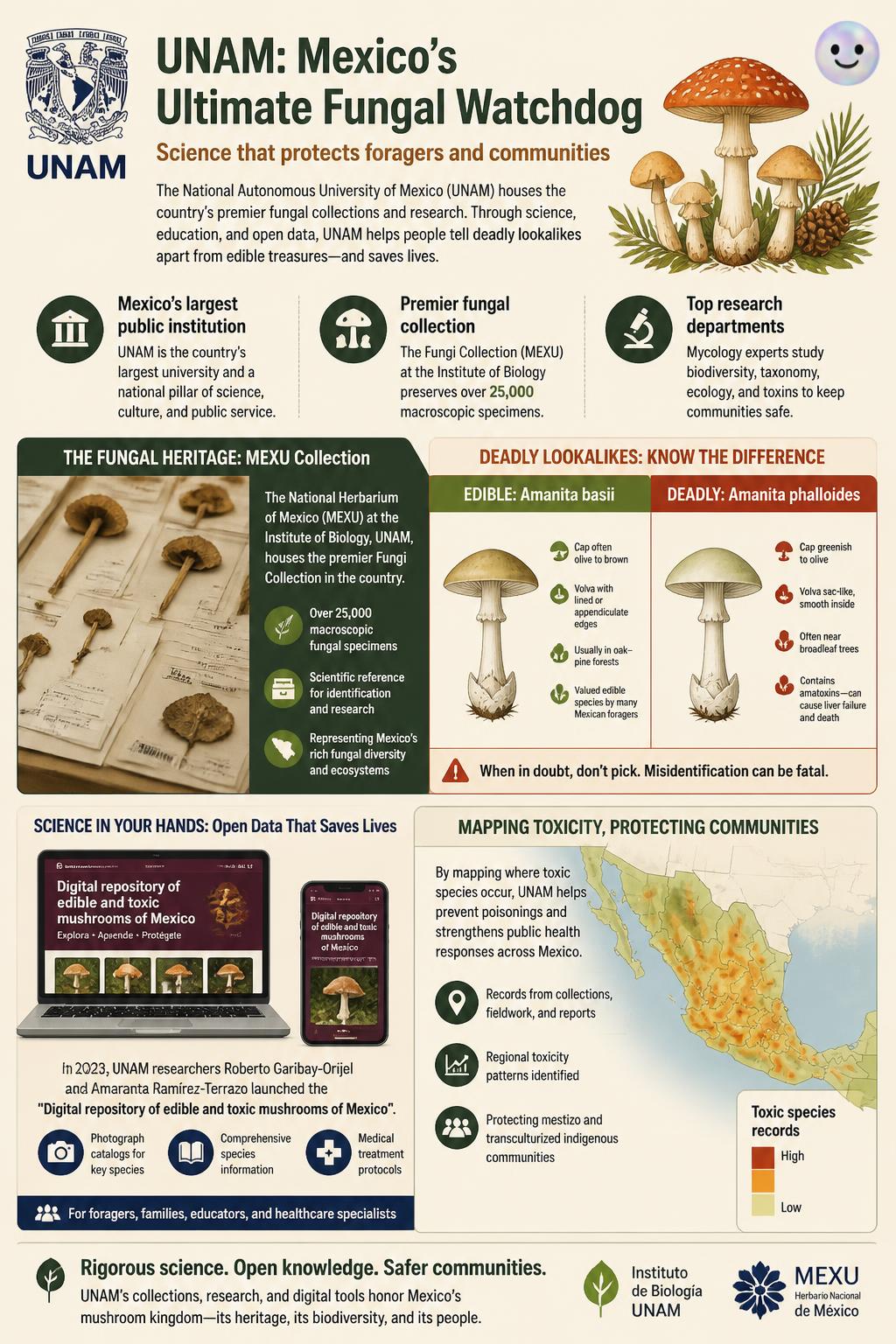
choko UNAM's premier national fungarium collection displays mapped zones of dangerous species.

choko Sort Mexican mushrooms by their features to discover which are sacred, edible, or deadly.
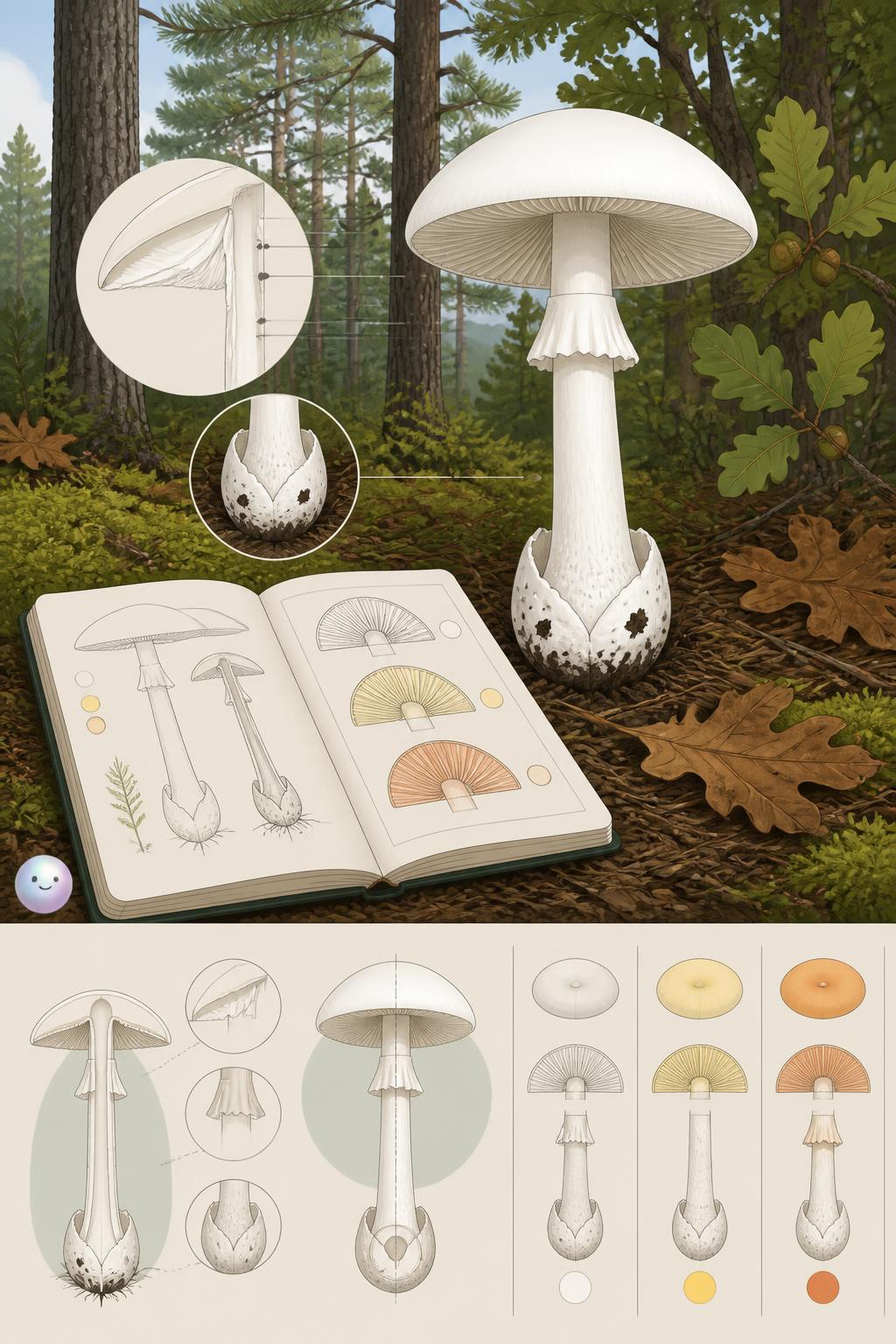
Slowing down death: The deadly destroying angel mushroom tastes pleasant and mild, meaning victims have no sensory warning that they have consumed a lethal poison.

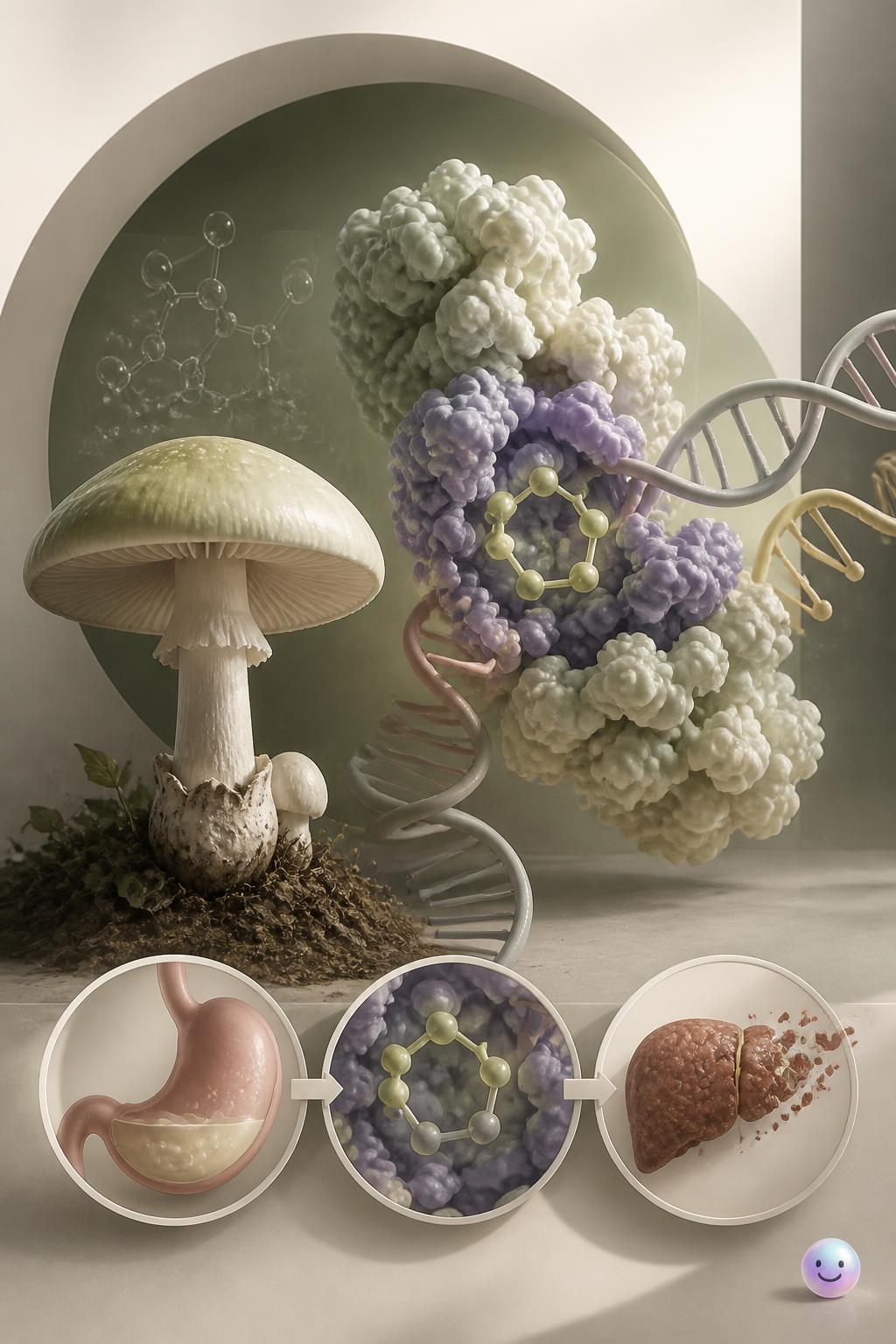
Any of a group of highly toxic peptides found in several species of mushrooms, notably the death cap. These lethal compounds occur in Amanita arocheae, a species documented in Mexican oak forests since 1992.

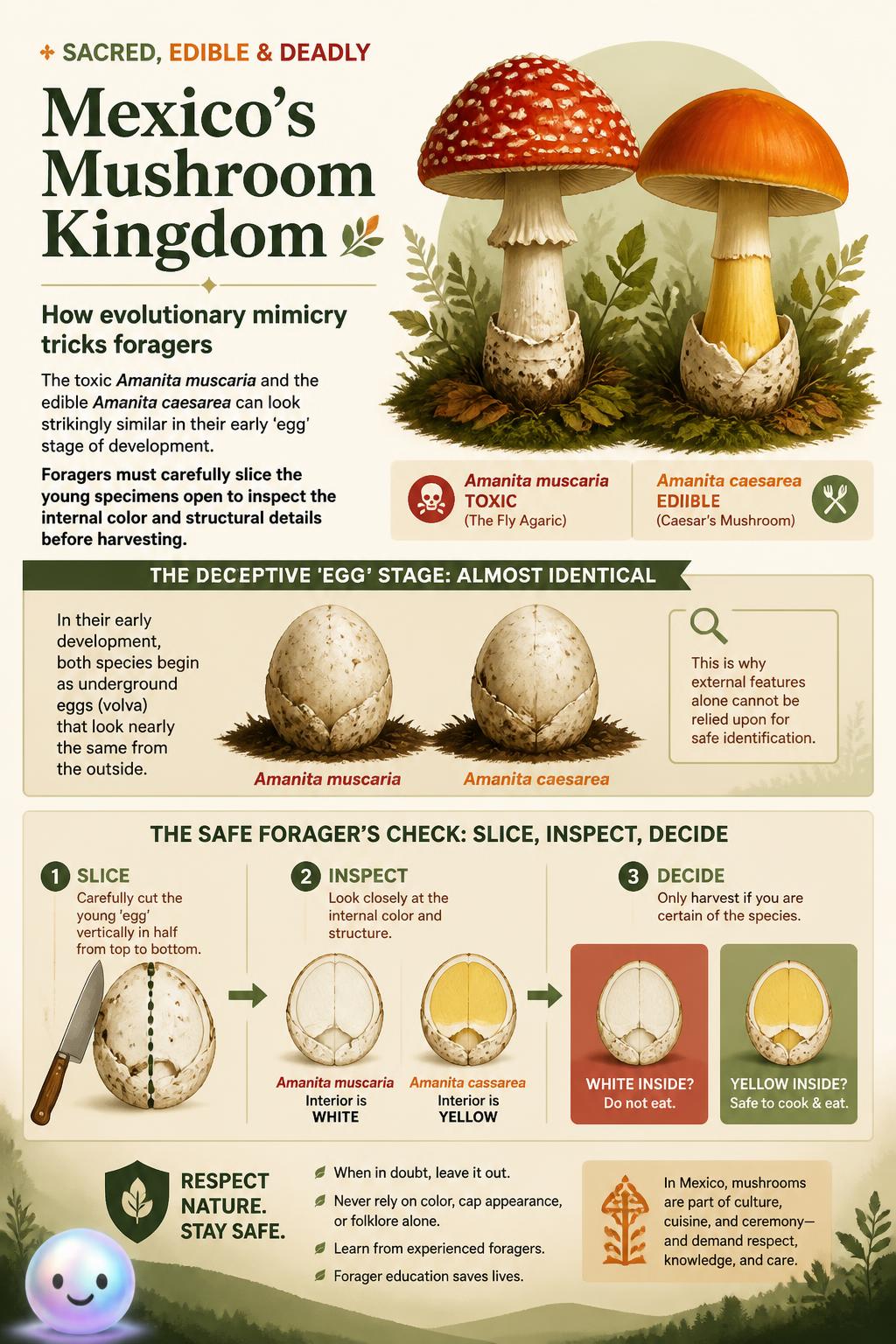
choko Some toxic mushrooms closely mimic the appearance, smell, and habitat of prized edible species.

choko Amatoxins are incredibly resilient molecules that survive cooking, freezing, and human digestion.
Approximately how long after eating a destroying angel mushroom do the first symptoms of poisoning usually appear?
Which major Mexican university maintains extensive databases to track and map toxic mushroom species?
Why can the young 'egg' stages of toxic and edible Amanita mushrooms easily fool foragers?
Which deadly toxic mushroom is commonly known as the 'destroying angel' in North America and Mexico?