
Chapter 1
The plant world's cleverest tricksters
Chapter 2
Giants, stinkers, and survivors of the extremes
Chapter 3
Plants that move, groove, and explode
Ch 2 · Giants, stinkers, and survivors of the extremes

schopenhauer Rafflesia arnoldii
I've got no leaves but I bloom so wide, With a rotten smell to draw the flies inside!
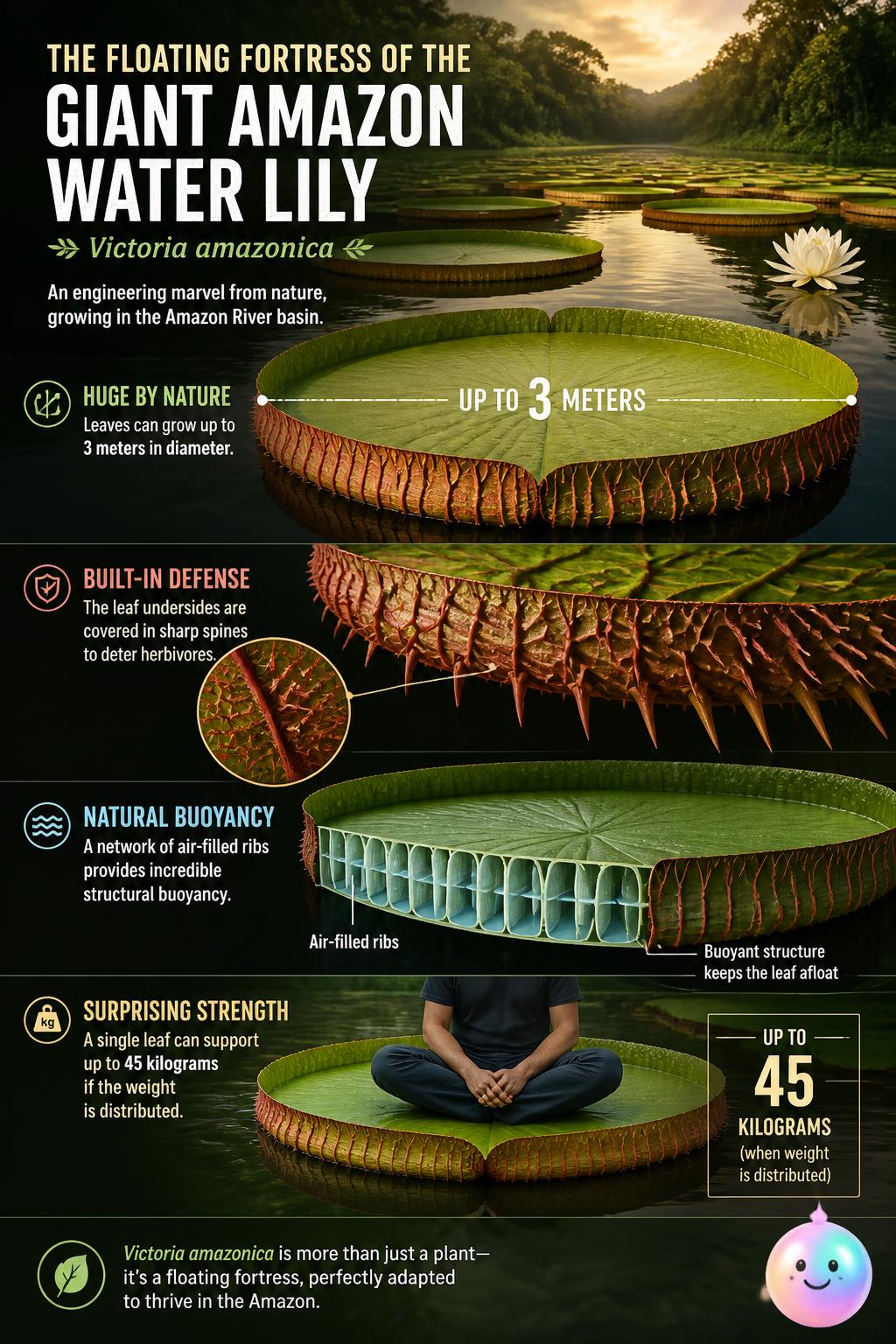
schopenhauer Giant water lilies produce massive circular leaves that can support the weight of a small child.
Fun Fact
Corpse flower heat: The corpse flower chemically generates its own heat to mimic a warm, fresh animal carcass.
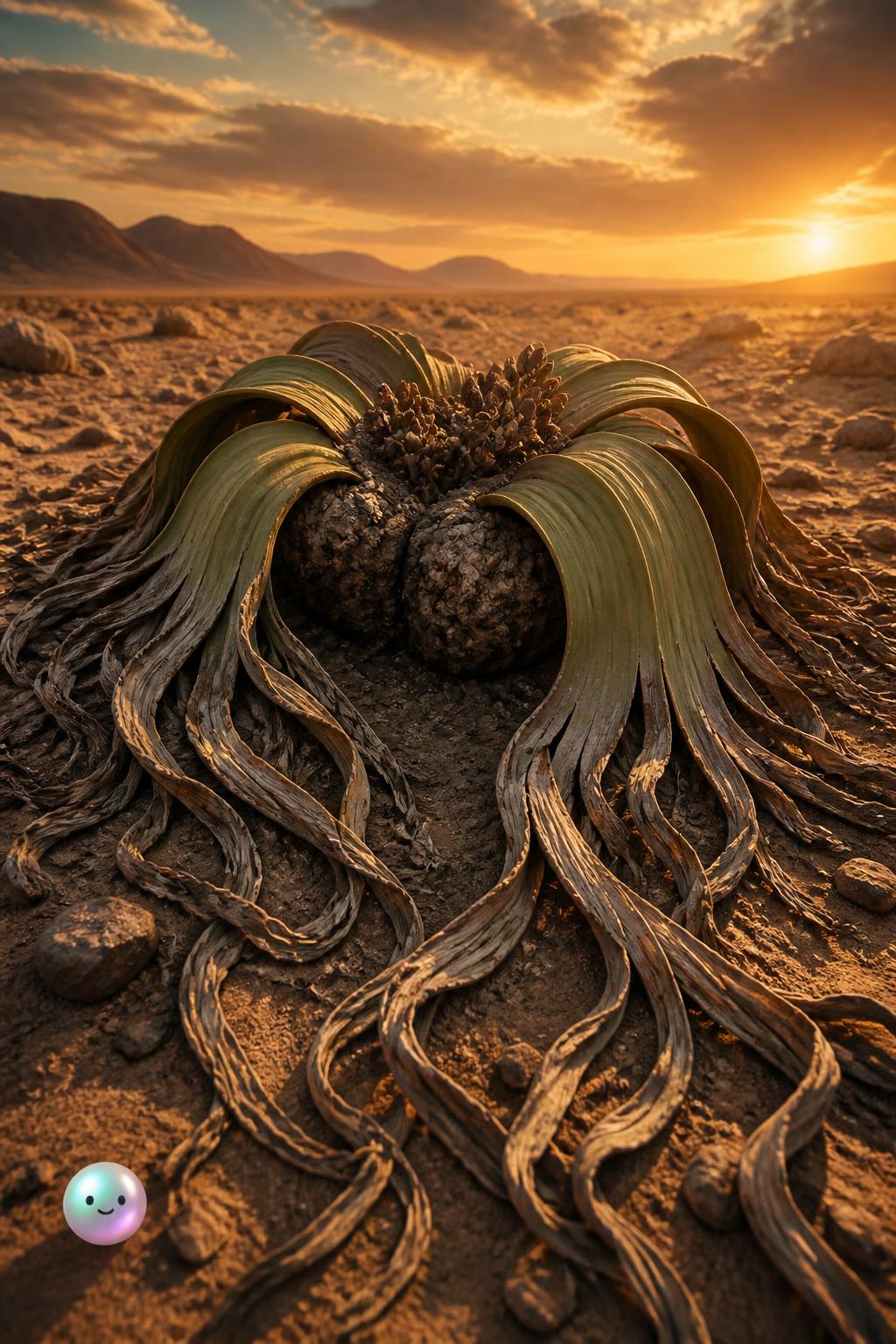
schopenhauer The Welwitschia grows only two leaves that split over centuries, surviving on fog in the Namib Desert.
Glossary
corpse flower (noun)
A large, foul-smelling tropical plant that produces a massive bloom resembling decaying flesh to attract insect pollinators. Discovered in Sumatra in 1878, this botanical marvel can take up to a decade to bloom.
A large, foul-smelling tropical plant that produces a massive bloom resembling decaying flesh to attract insect pollinators. Discovered in Sumatra in 1878, this botanical marvel can take up to a decade to bloom.

BETA
schopenhauer Match bizarre plants to their extreme habitats to learn how these weird green buddies survive.
Quiz
What is the maximum volume of water a large African baobab trunk can store to survive droughts?
Quiz
Where in the wild is the giant corpse flower (*Amorphophallus titanum*) native to?
Quiz
What is the primary source of moisture for the ancient *Welwitschia* plant in the Namib Desert?
Quiz
How many true leaves does the Namib Desert's *Welwitschia mirabilis* grow during its entire lifetime?
Quiz
How much weight can a mature, healthy giant Amazon water lily leaf support if distributed evenly?
Quiz
What feature on the underside of a giant Amazon water lily leaf protects it from hungry river animals?