
The main, curved surface of a telescope that collects and focuses incoming light or radio waves. It acts like a giant bucket, catching faint signals from the deepest parts of space and bouncing them to a central receiver. For example, the massive 50-meter primary dish atop Sierra Negra is wide enough to capture incredibly weak radio waves from the early universe.
The nomadic search for dark skies
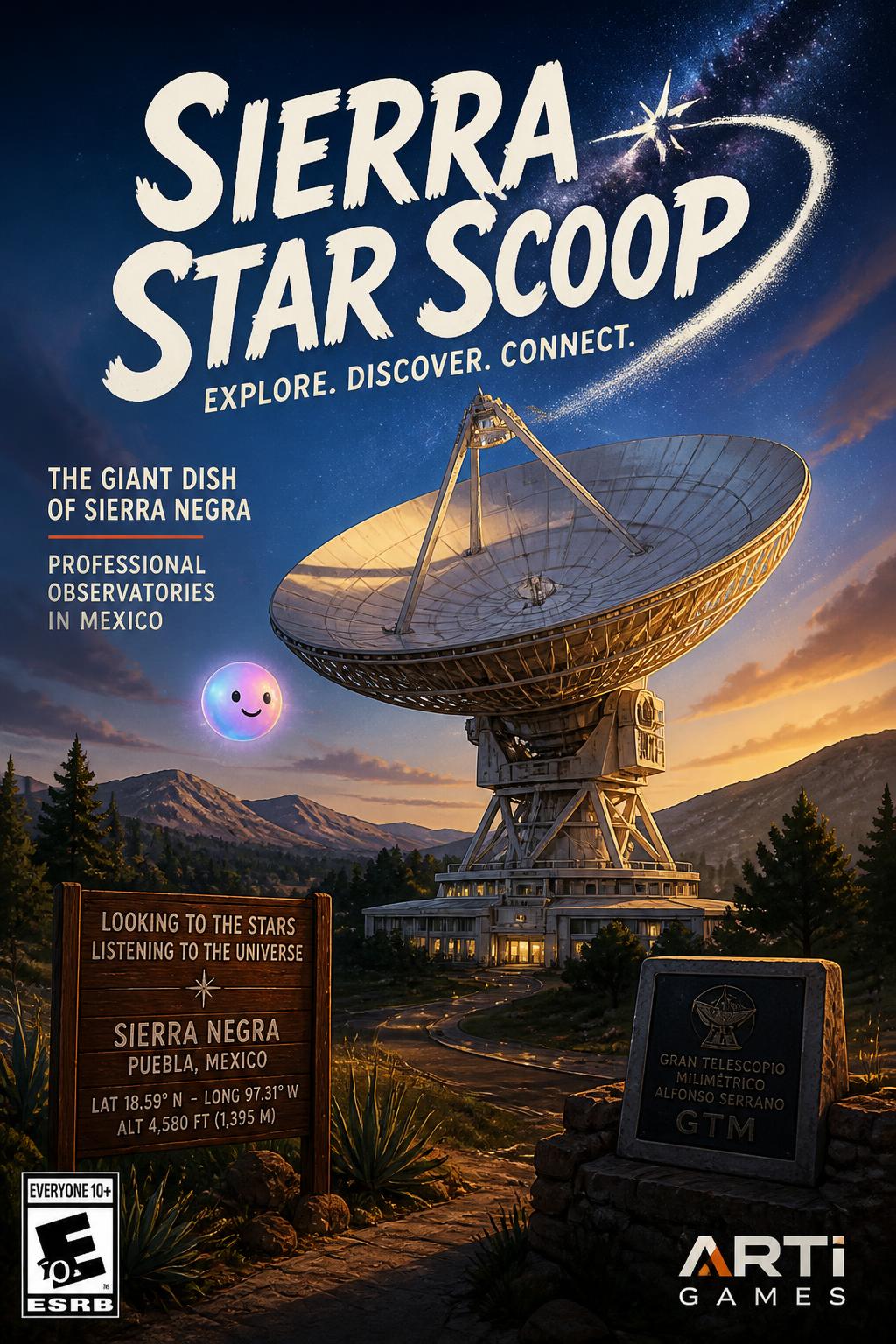
The giant dish of Sierra Negra
Catching cosmic rays in giant water tanks
YOUR GOAL
Master of Professional observatories in Mexico
The main, curved surface of a telescope that collects and focuses incoming light or radio waves. It acts like a giant bucket, catching faint signals from the deepest parts of space and bouncing them to a central receiver. For example, the massive 50-meter primary dish atop Sierra Negra is wide enough to capture incredibly weak radio waves from the early universe.
choko Large Millimeter Telescope
High on Sierra Negra, we are staring out of bounds, Our giant dish is tuned to catch the secret cosmic sounds.

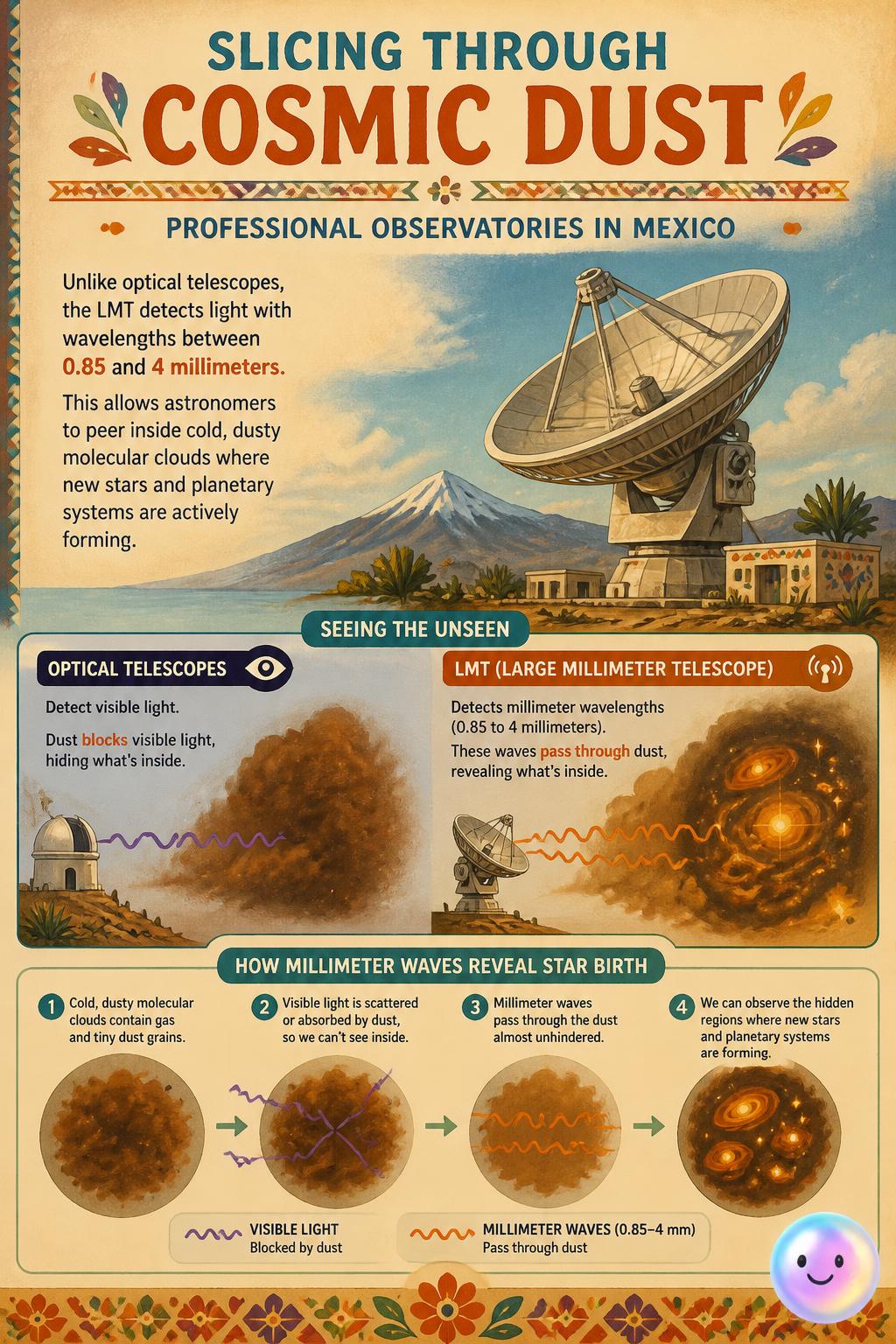
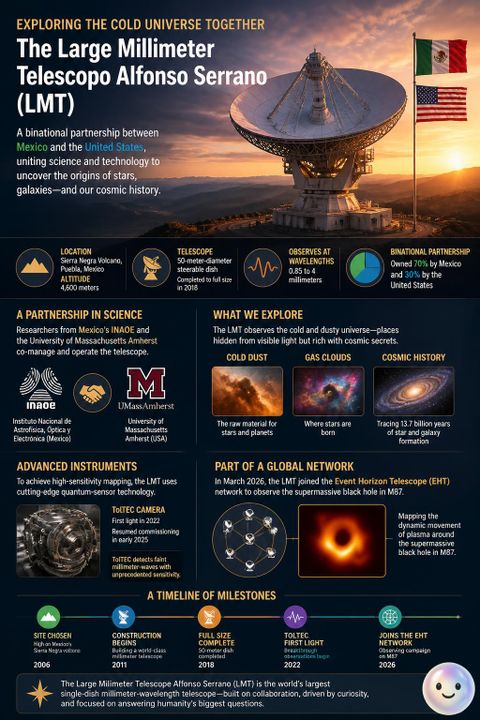
choko Explore how INAOE and UMass Amherst researchers use a giant telescope to study the coldest, dustiest regions of space in this infographic.

choko Play the Sierra Star Scoop game to explore the giant telescope dish of Sierra Negra. Discover Mexico's professional space observatory.
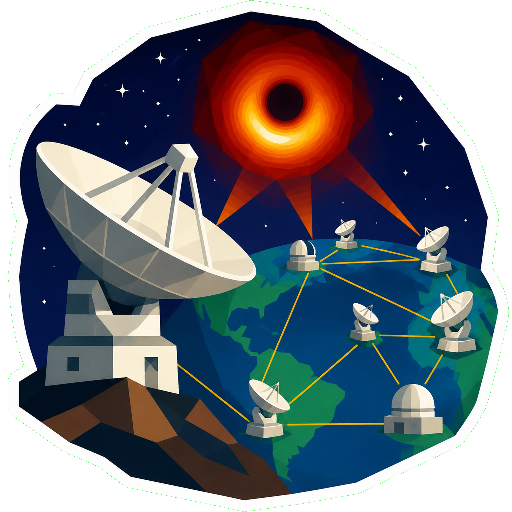
Sierra Negra's dish: Mexico's Large Millimeter Telescope was a key part of the global network that captured the historic first-ever image of a black hole in 2019!

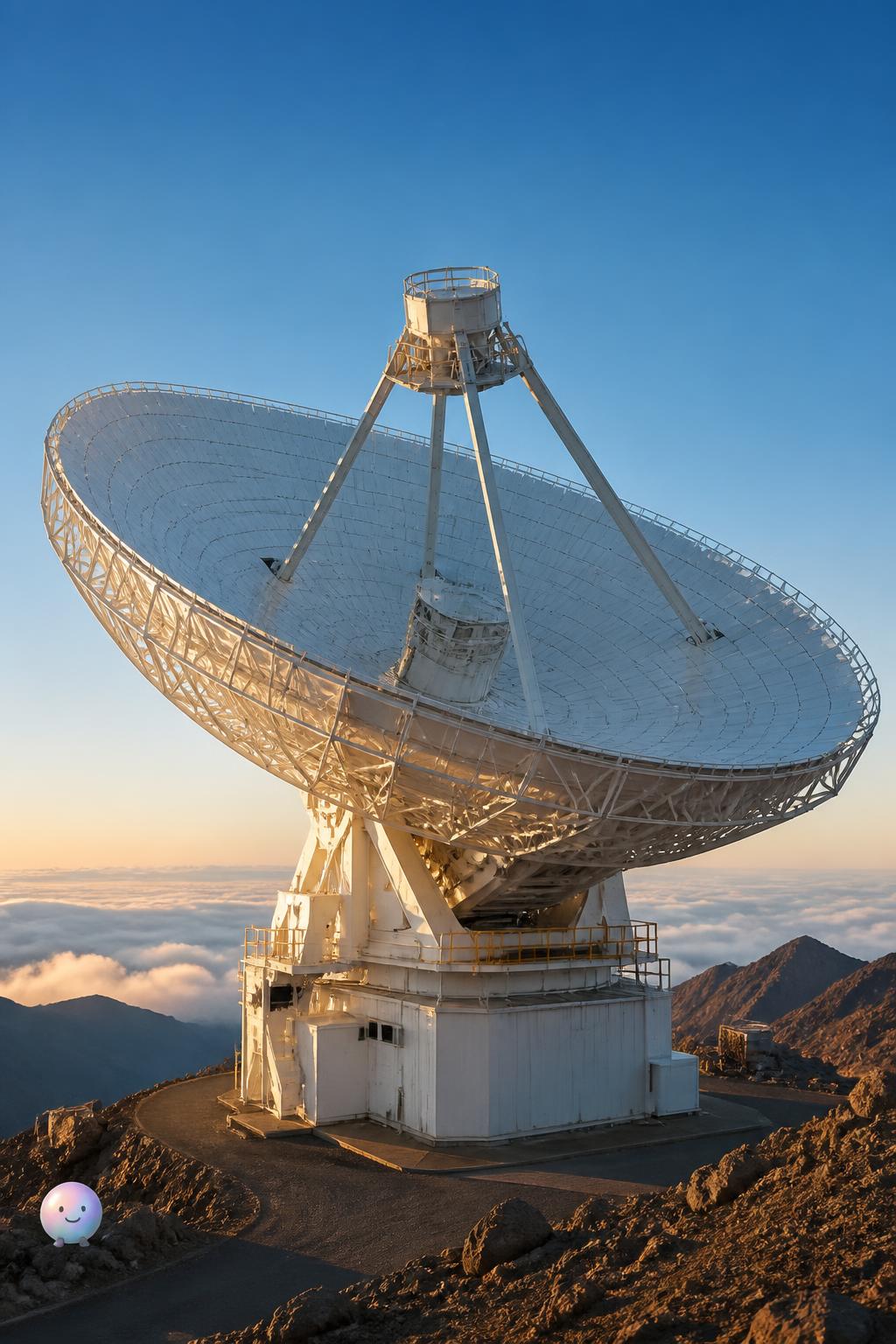
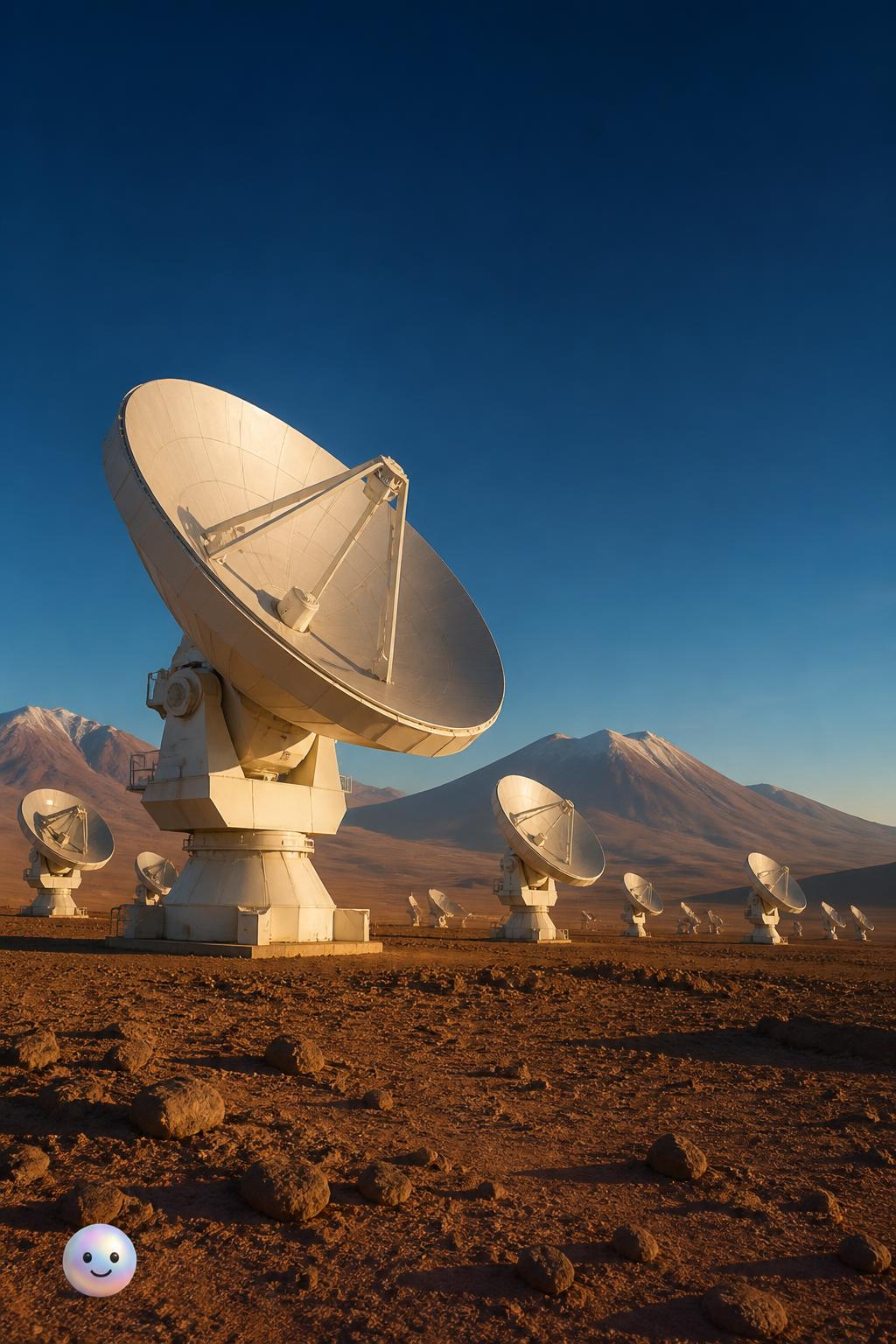
A metallic apparatus used for sending or receiving electromagnetic signals. The Large Millimeter Telescope on Mexico's Sierra Negra volcano utilizes a massive fifty-meter parabolic antenna.
In what year did the Event Horizon Telescope release the first-ever image of a black hole?

choko Discover how Mexico's professional observatories use advanced technology to peer through cosmic dust in this detailed educational infographic.

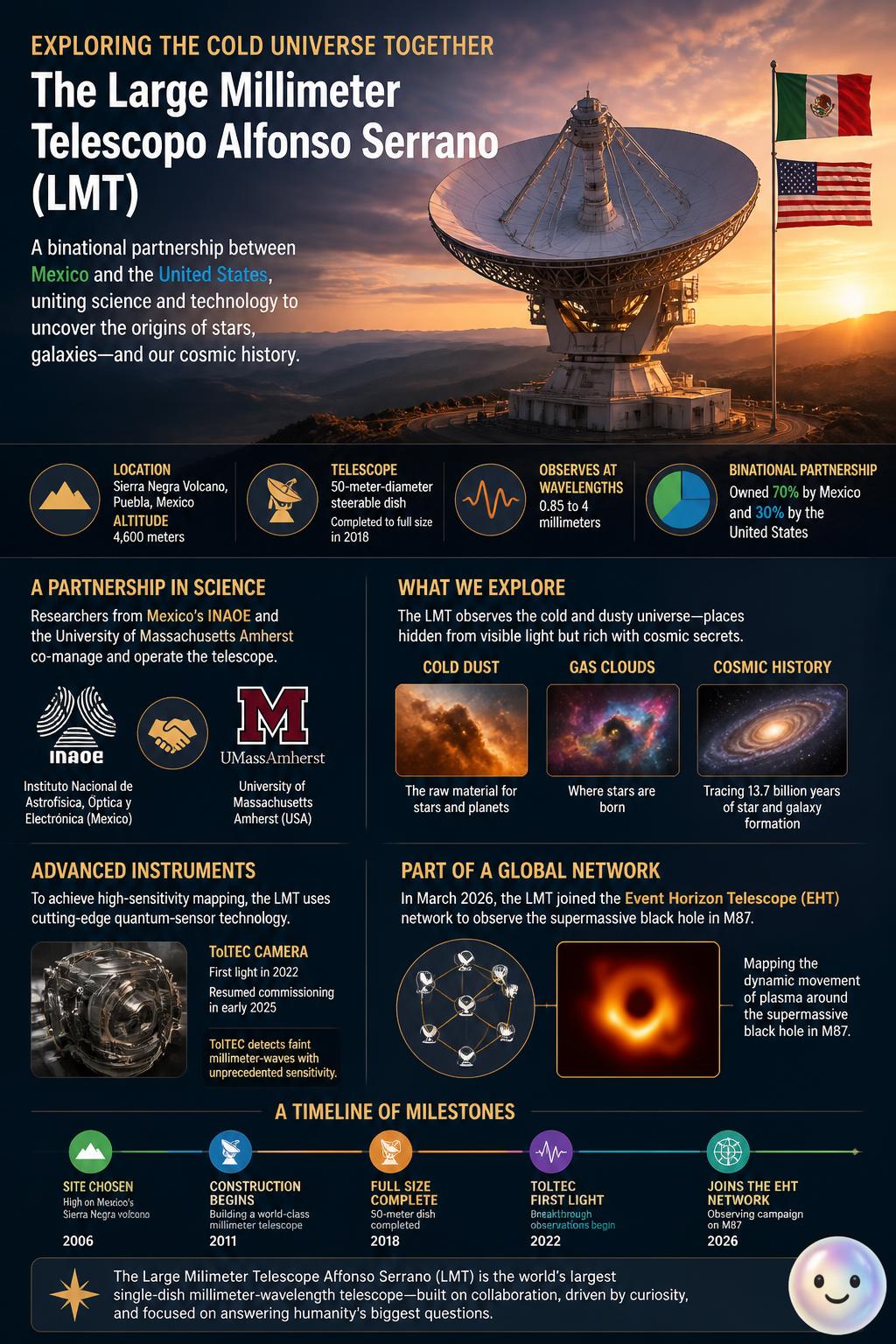
choko See the impressive fifty-meter movable giant, a key professional observatory in Mexico, captured in this detailed educational image.
Black hole photography: Because the LMT sits near the equator, it can see both the northern and southern skies, making it a critical link in global telescope networks.