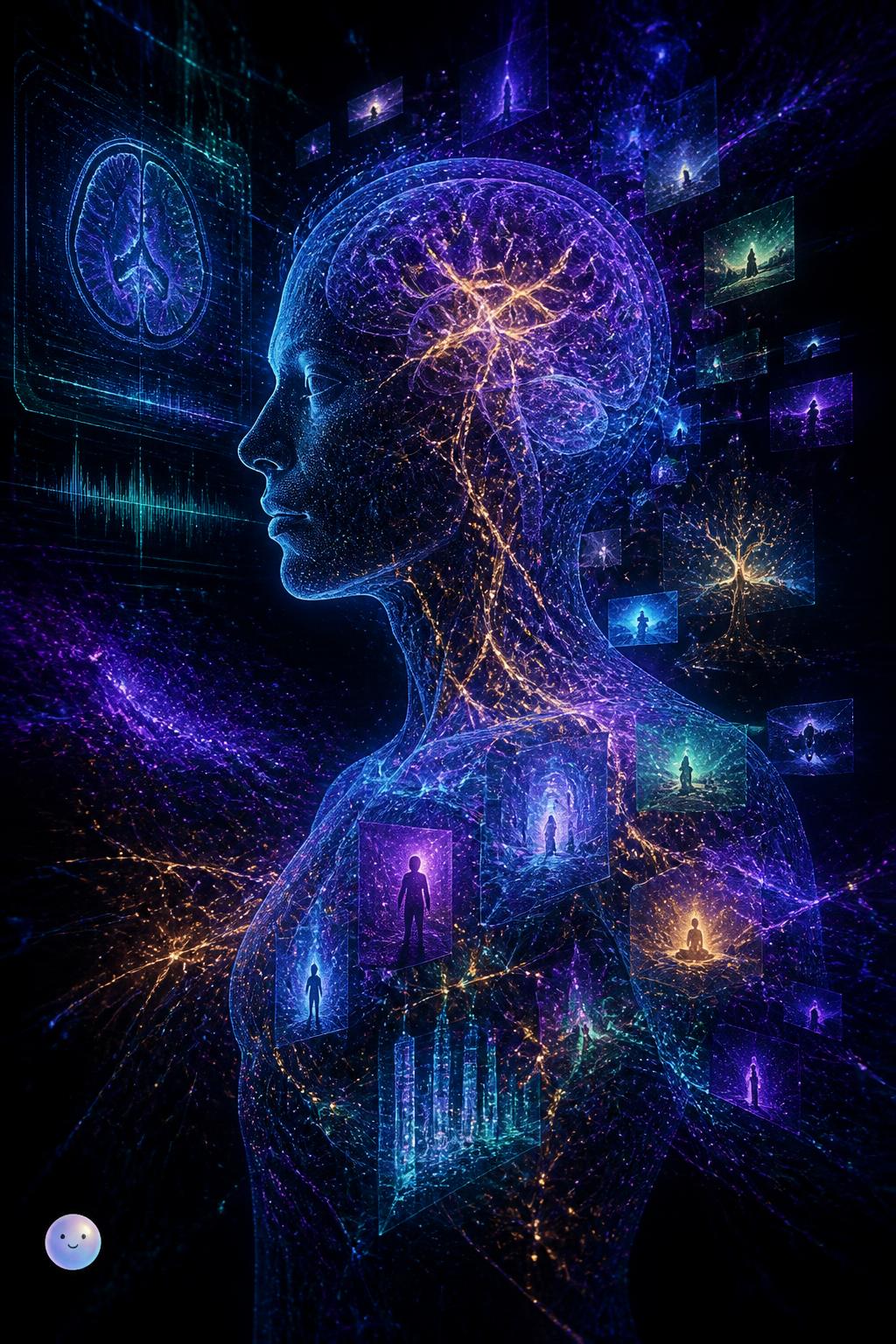
Simulating the Chemical Soup in Digital Brains
A digital brain must simulate chemical neurotransmitters, not just electrical signals, to function.
The fly that mapped the future
The exabyte hurdle of the human brain
Project Humane and the digital twin
Learning and growing in a virtual world
The copy paradox and neuroethics
hazeker999 Virtual neurons process both electrical signals and simulated neurotransmitters. Mapping chemicals like dopamine and serotonin determines the digital twin's mood, focus, and emotional responses.
hazeker999 Traditional computer processors struggle to simulate brains. Intel's Loihi chip mimics biological synapses, allowing millions of simulated neurons to fire simultaneously using very little energy.
hazeker999 Isolated digital brains quickly fail from sensory deprivation. This simulated physics playground provides virtual eyes, ears, and hands to keep the digital twin active and healthy.
hazeker999 Project Humane Digital Twin
Copy the connectome to build a twin (build a twin!) And let the simulation start learning again (learning again!)
hazeker999 Connect neural pathways to learn how digital twins form memories in a simulation.
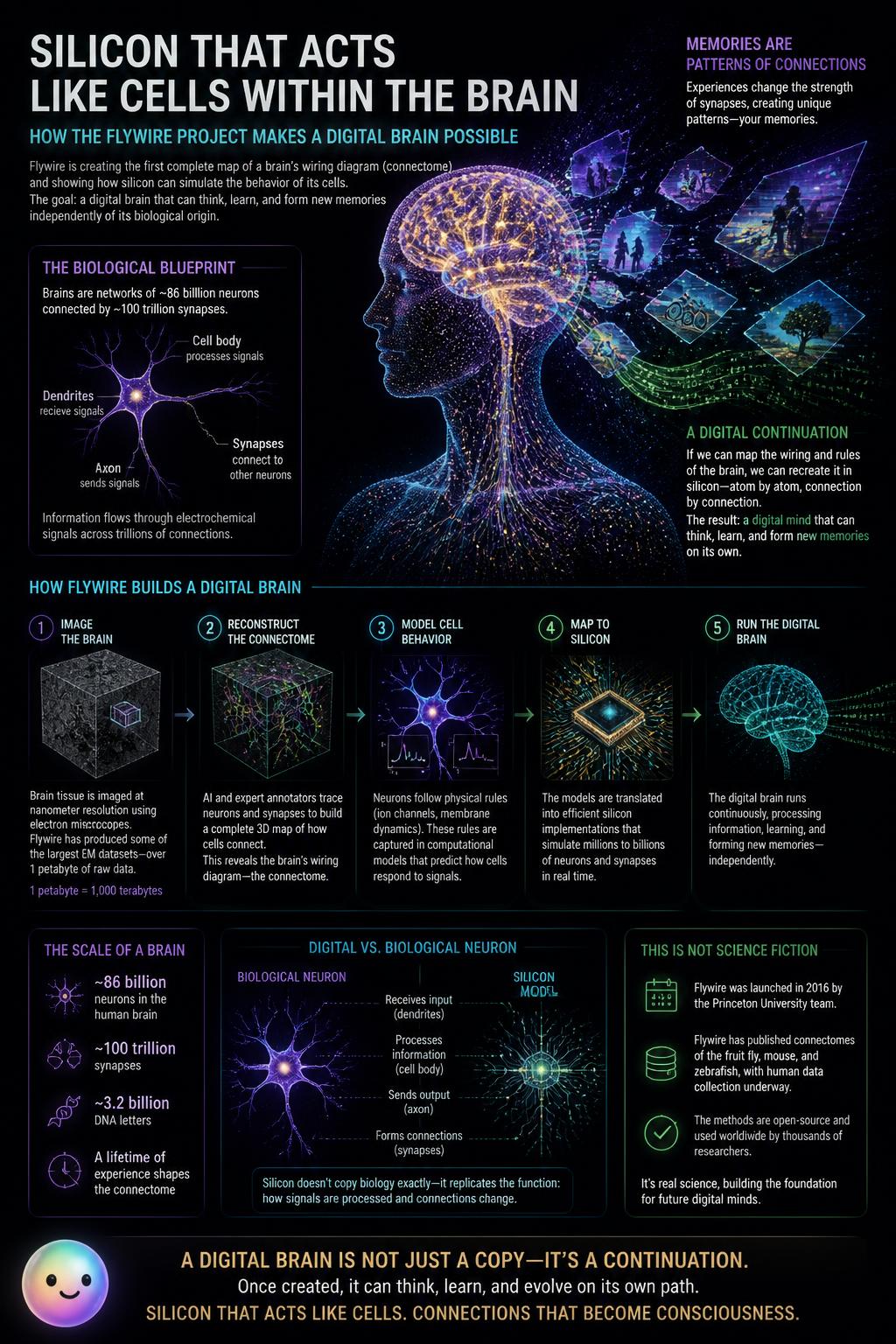
hazeker999 Neuromorphic computing chips are designed to mimic biological brain structures for efficient simulation.
Chemical computers: Over 100 chemical neurotransmitters, including dopamine, must be digitally simulated to recreate a human mind's emotions.
hazeker999 A digital brain must simulate chemical neurotransmitters, not just electrical signals, to function.
A virtual representation of a physical object, person, or system that mimics its real-world counterpart. In 2024, the FlyWire consortium mapped a fruit fly's brain, creating a precursor to human virtual replicas.
What is the scientific term for copying a physical brain into a computer simulation?
What type of computer chips are specifically designed to mimic biological neurons?
What happens if a simulation only copies electrical wiring but ignores chemical neurotransmitters?
In Project Humane, how does the digital twin differ from standard Artificial Intelligence?
Which chemical signal must be simulated to allow a digital brain to feel pleasure or motivation?