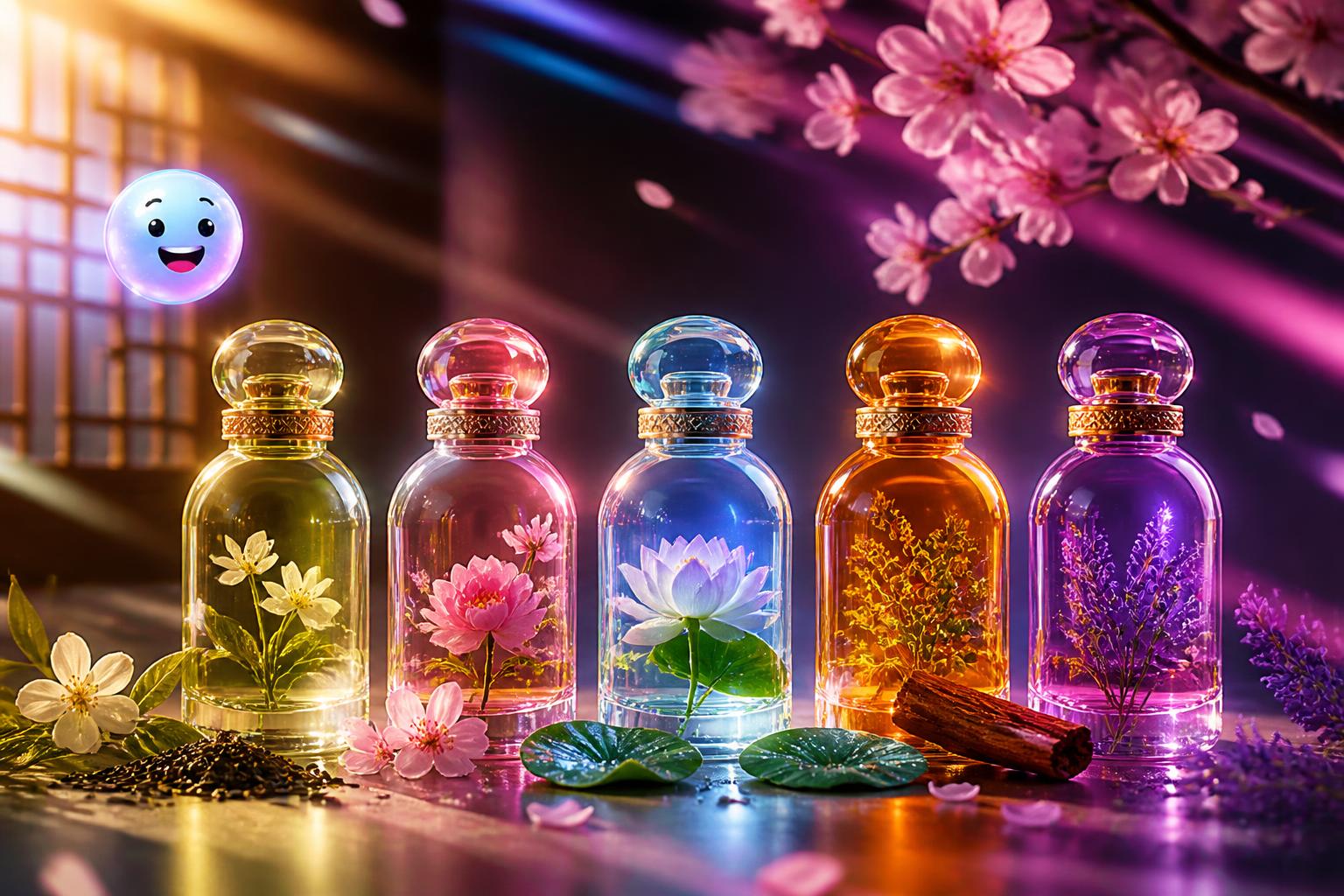
What culinary staple does the 'Jang' fragrance pay tribute to?
The poetry of hyang soo
The cosmic elements of the flag
The forgotten words
Timeless legacy and the scent of Hanok
Savory notes and royal resins
elorea Ancient palace birch wood resin once scented historic royal halls. Ginger, raspberry, and frankincense blend to recreate this spiritual atmosphere from the Joseon Dynasty.
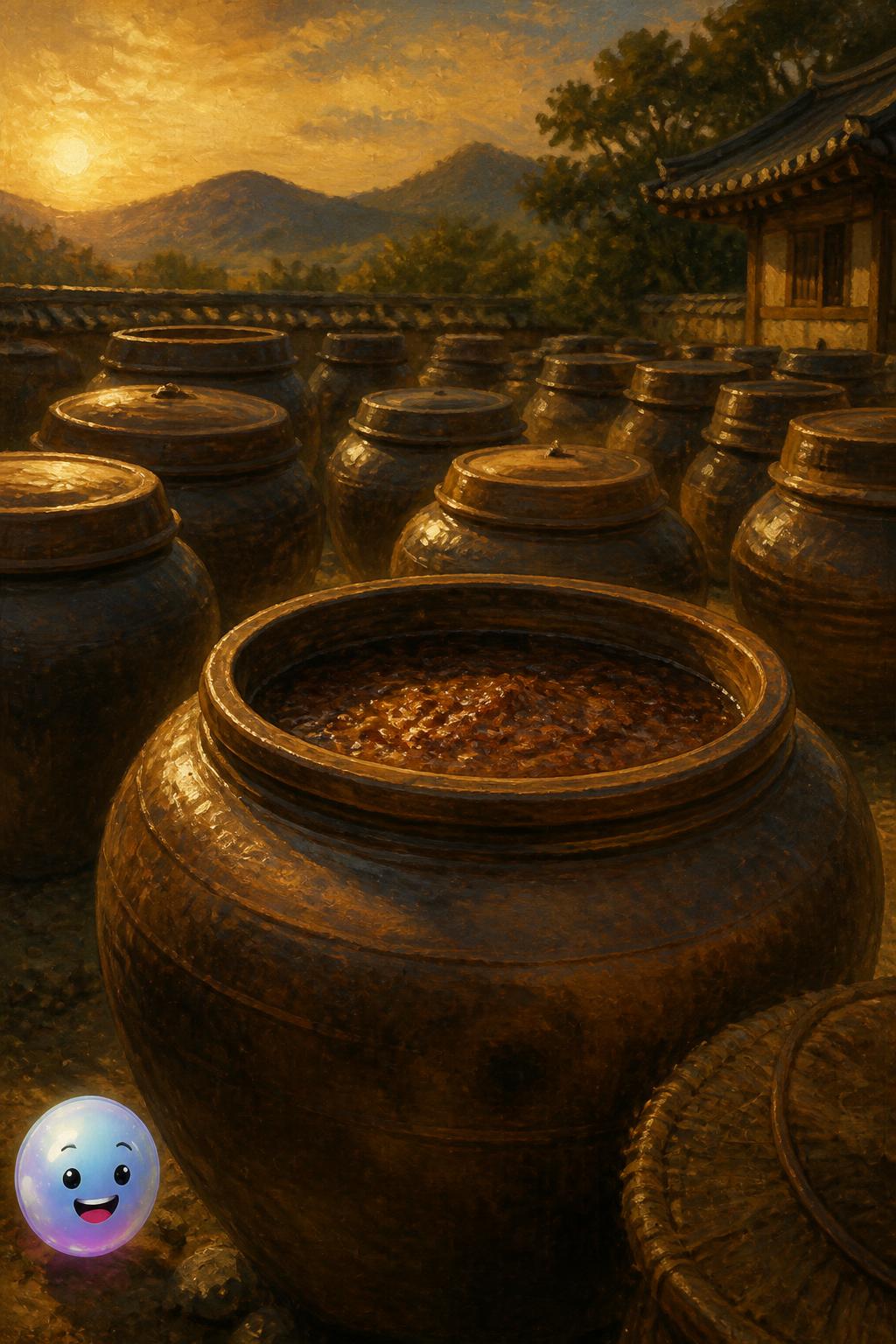
elorea These porous earthenware vessels ferment ingredients for years under the sun. Their mineral aroma inspires a unique perfume with a rich, whiskey-like complexity.
elorea This perfume captures the scent of Korea's massive, juicy welcoming fruit. Sweet pear nectar, bergamot, and warm sandalwood recreate the traditional experience of sharing sliced pears with guests.
elorea A unique smoky perfume captures this rich culinary history. The bold fragrance blends notes of soybean, aged soy sauce, and charcoal to honor Korea's traditional courtyard aromas
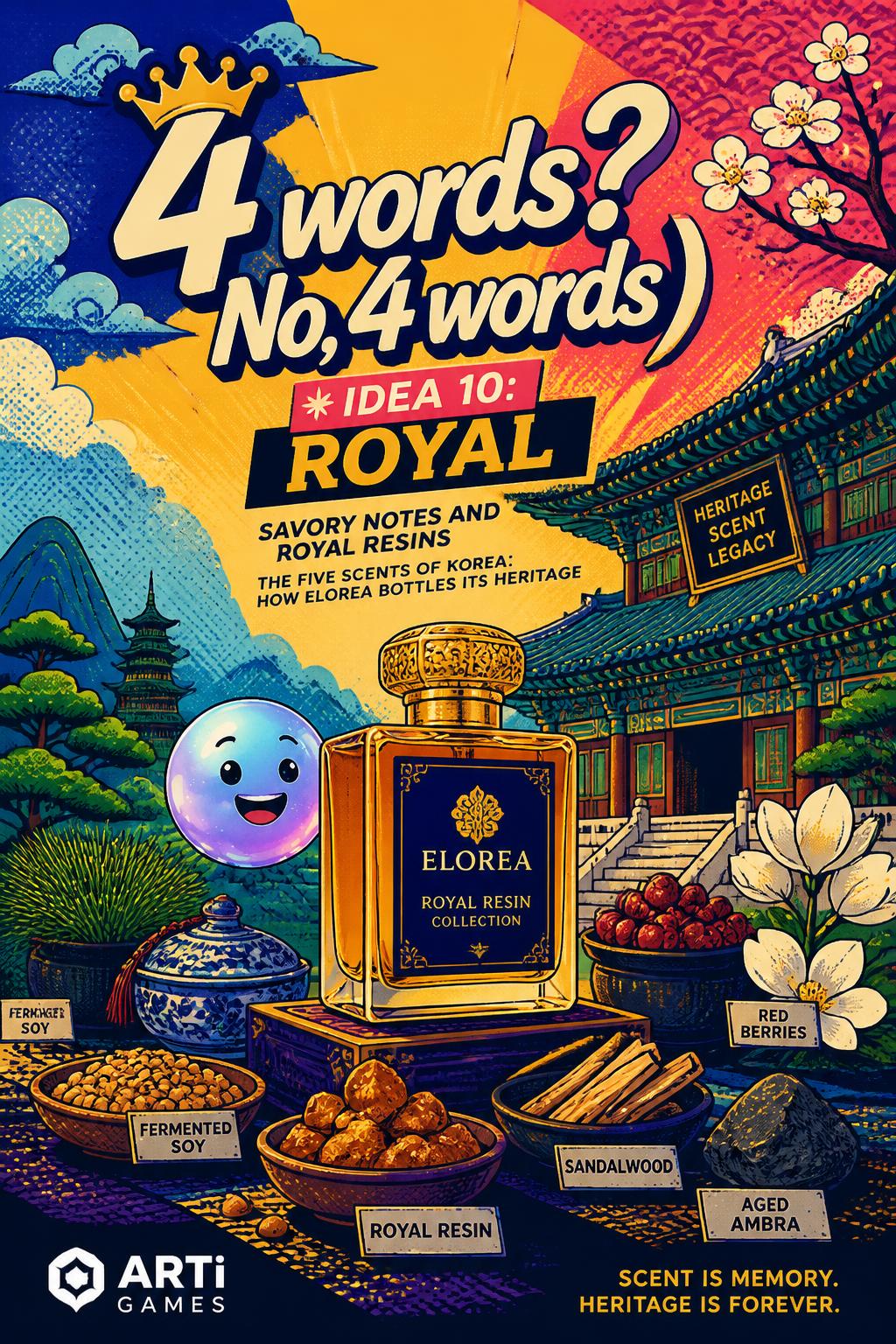
elorea Choose four words to discover how Elorea bottles the scent of Korean royalty.
elorea Savory Notes and Royal Resins
Smoky and rich, smoky and rich, Palace resins in a savory mix!
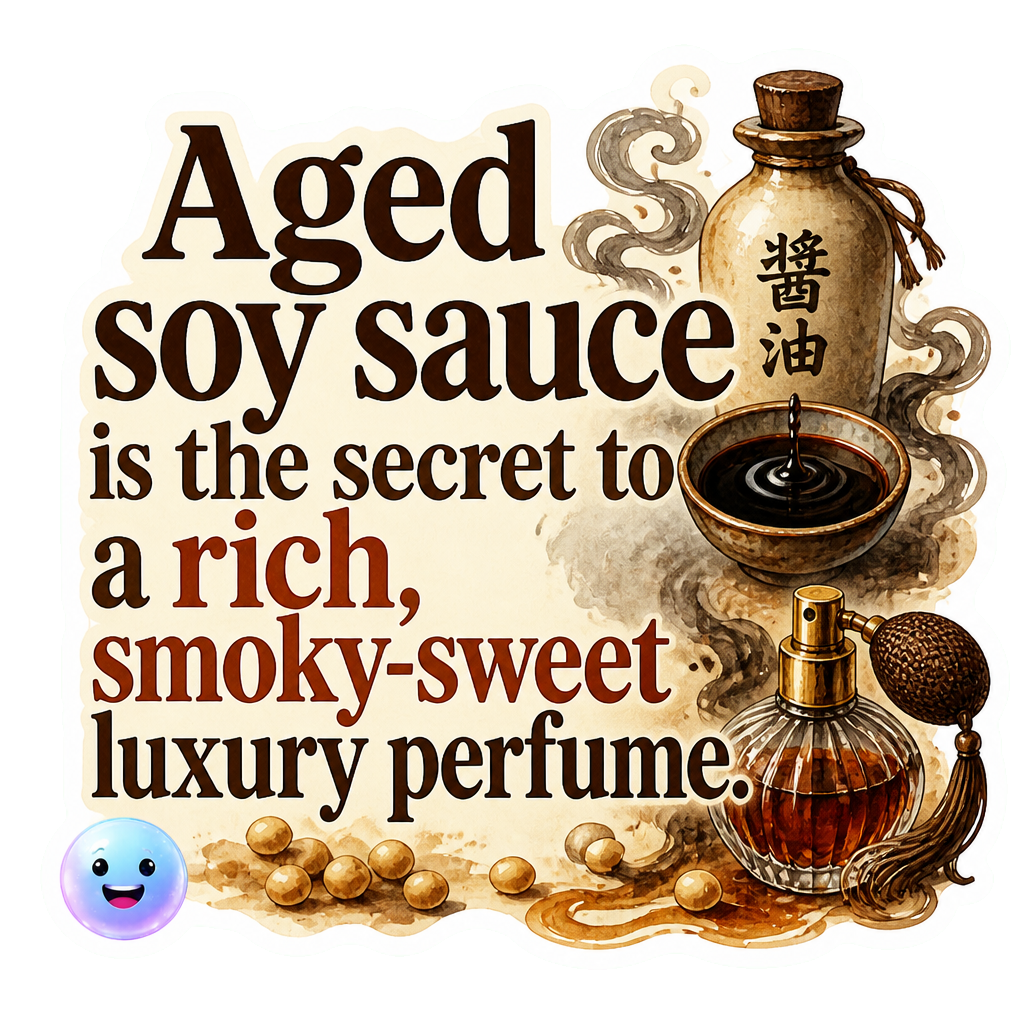
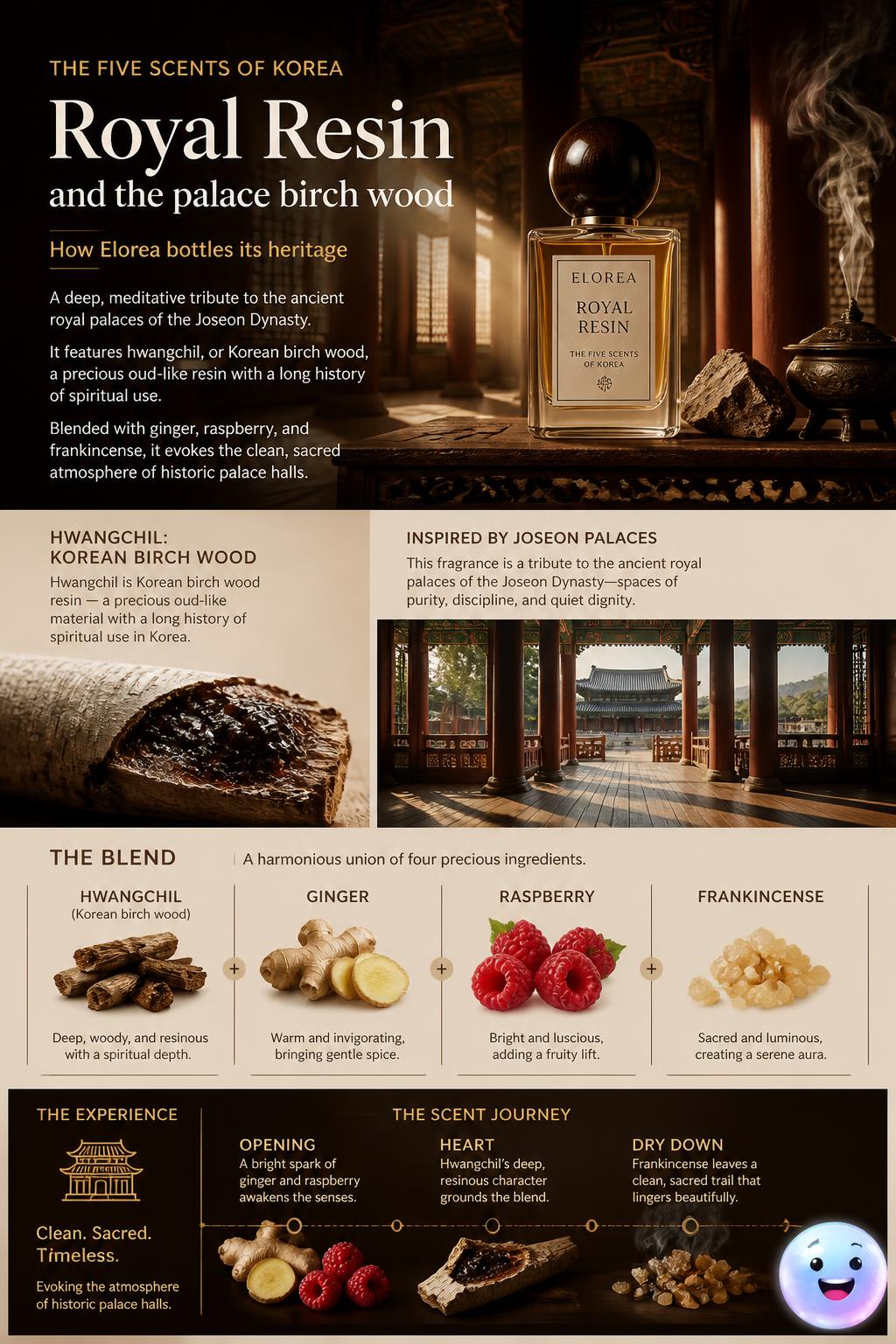
Soy sauce perfume: In fine perfumery, aged soy sauce provides a rich, malty, and incredibly complex smoky-sweet note rather than smelling like a kitchen.
Which surprising, savory kitchen note is blended with jasmine and ylang-ylang in the Jang perfume?
What is the traditional purpose of burning precious resins in ancient Korean royal palaces?
What unique smoky element is used in the Jang fragrance to mimic traditional purification?