
Chapter 1
Built to survive: the physics of endurance
Chapter 2
The alchemy of endurance: chemistry, color, and clay
Chapter 3
The price of patience: the economics of slow value
Chapter 4
The human thread: keeping the lineage alive
Ch 1 · Built to survive: the physics of endurance

louisvuitton Mayan Backstrap Weaving
Tie it to a tree and let it weave! (Oh yeah!) / Lean your body back and watch it breathe! (Oh-oh!)
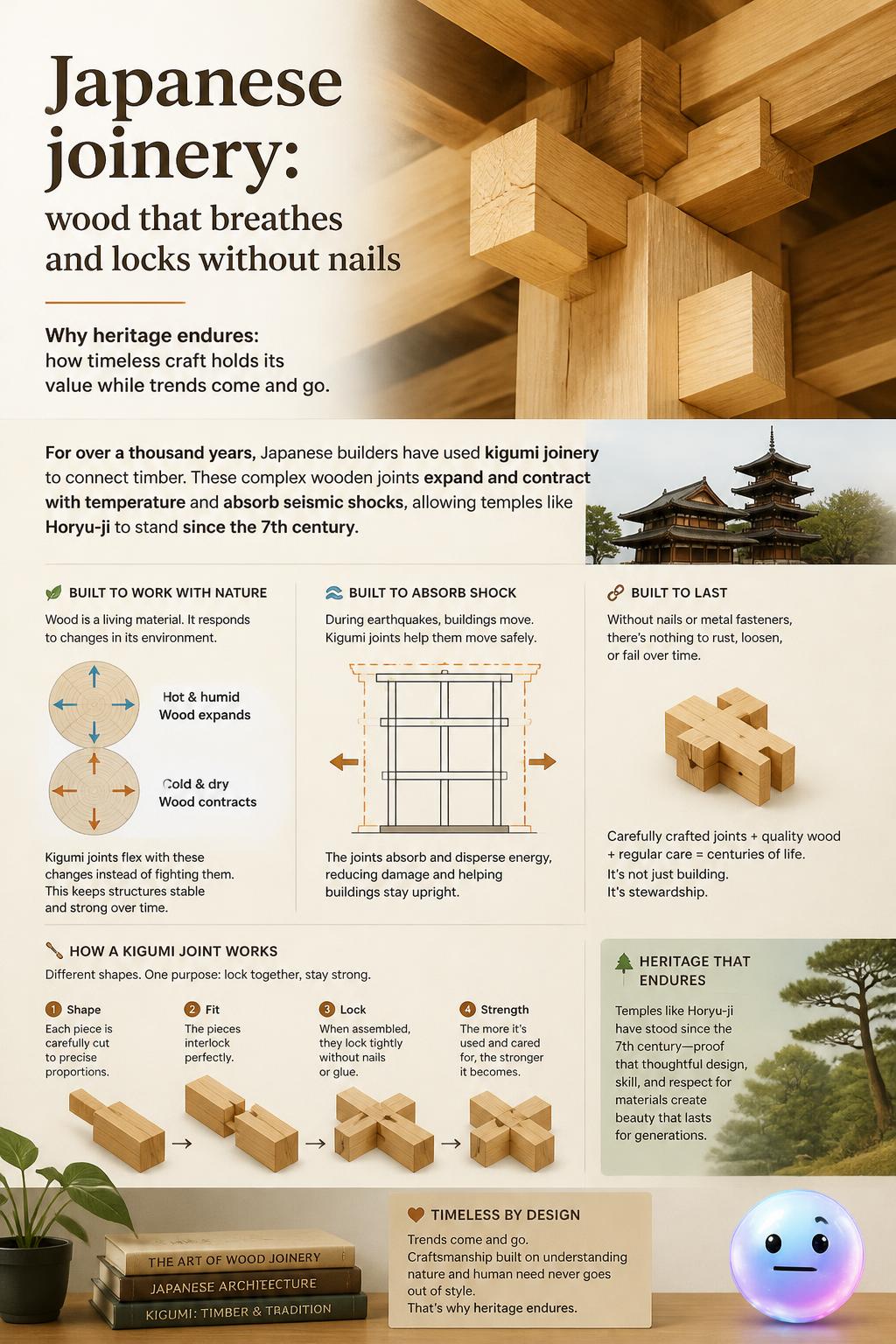
louisvuitton Flexible kigumi joints expand with temperature and absorb seismic shocks, allowing Horyu-ji temple to stand since the seventh century.
Quiz
Which ancient Japanese building, constructed entirely without metal nails, is one of the world's oldest surviving wooden structures?
Quiz
Why do interlocking wooden joints in Japanese kigumi construction make buildings more earthquake-resistant than metal nails?
Fun Fact
Ancient wood: The main hall of Horyu-ji, built in 607 AD using interlocking kigumi joints, is widely considered the oldest surviving wooden building in the world.
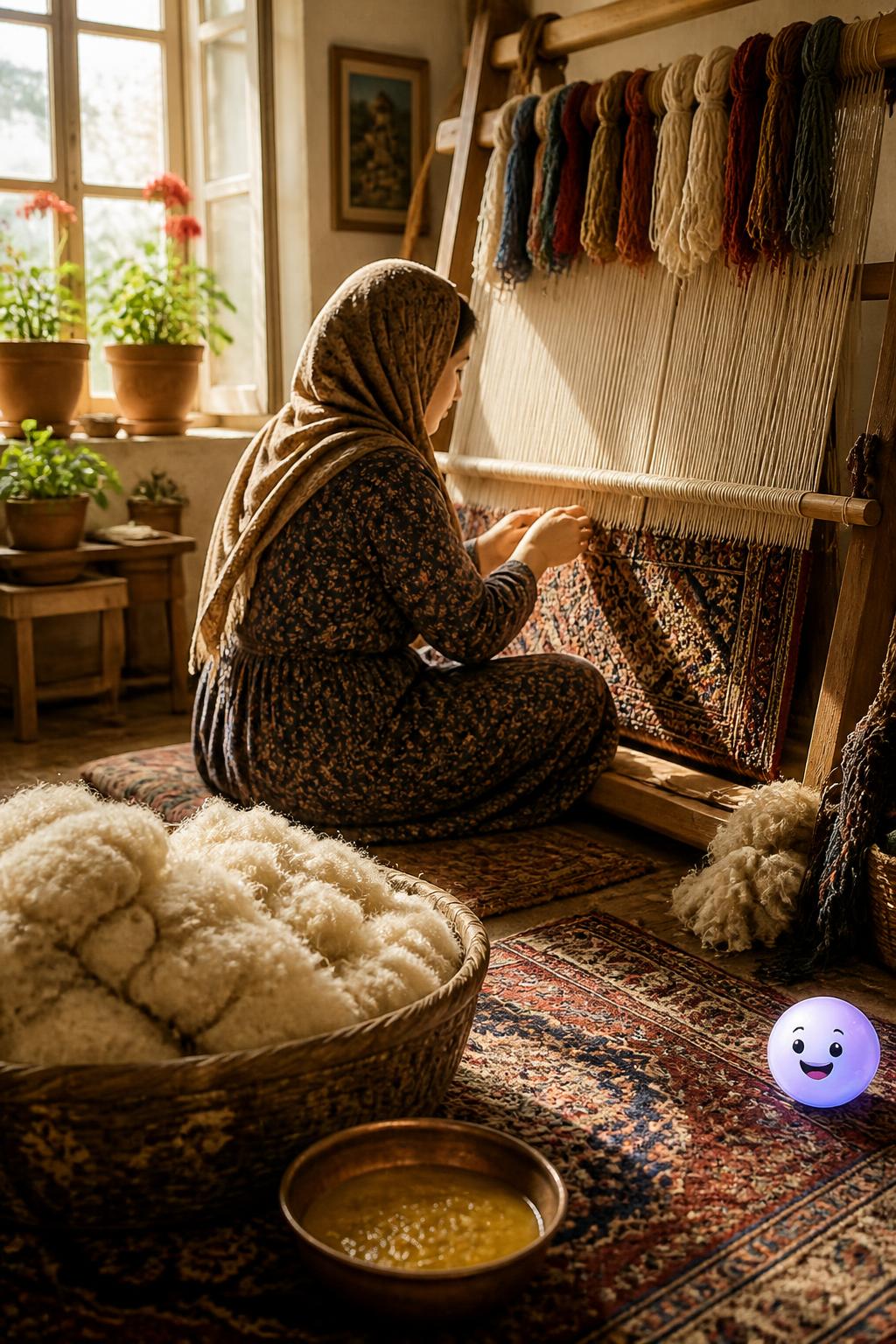
louisvuitton Weavers tie up to one million knots per square meter to create enduring carpets.
Quiz
Which type of hand-tied knot is traditionally used in Persian carpet weaving to create incredibly dense, durable designs?
Quiz
What natural substance found in sheep's wool helps make hand-knotted Persian carpets naturally water-resistant and durable?
Quiz
What climate anomaly between 1645 and 1715 caused the ultra-slow tree growth that produced Stradivarius violin wood?
Quiz
Which Italian city was the home of master luthier Antonio Stradivari and the historic center of violin craftsmanship?
Quiz
For how many years has the backstrap loom technique been continuously practiced by Mayan women in Mesoamerica?
Quiz
How does a weaver control the tension of the warp threads on a traditional Mayan backstrap loom?