
Tanzanite — the single-source wonder
Alexandrite — the color-shifting chameleon
Painite — once the world's rarest mineral
Larimar — the volcanic sea stone
Black Opal — the dark rainbow

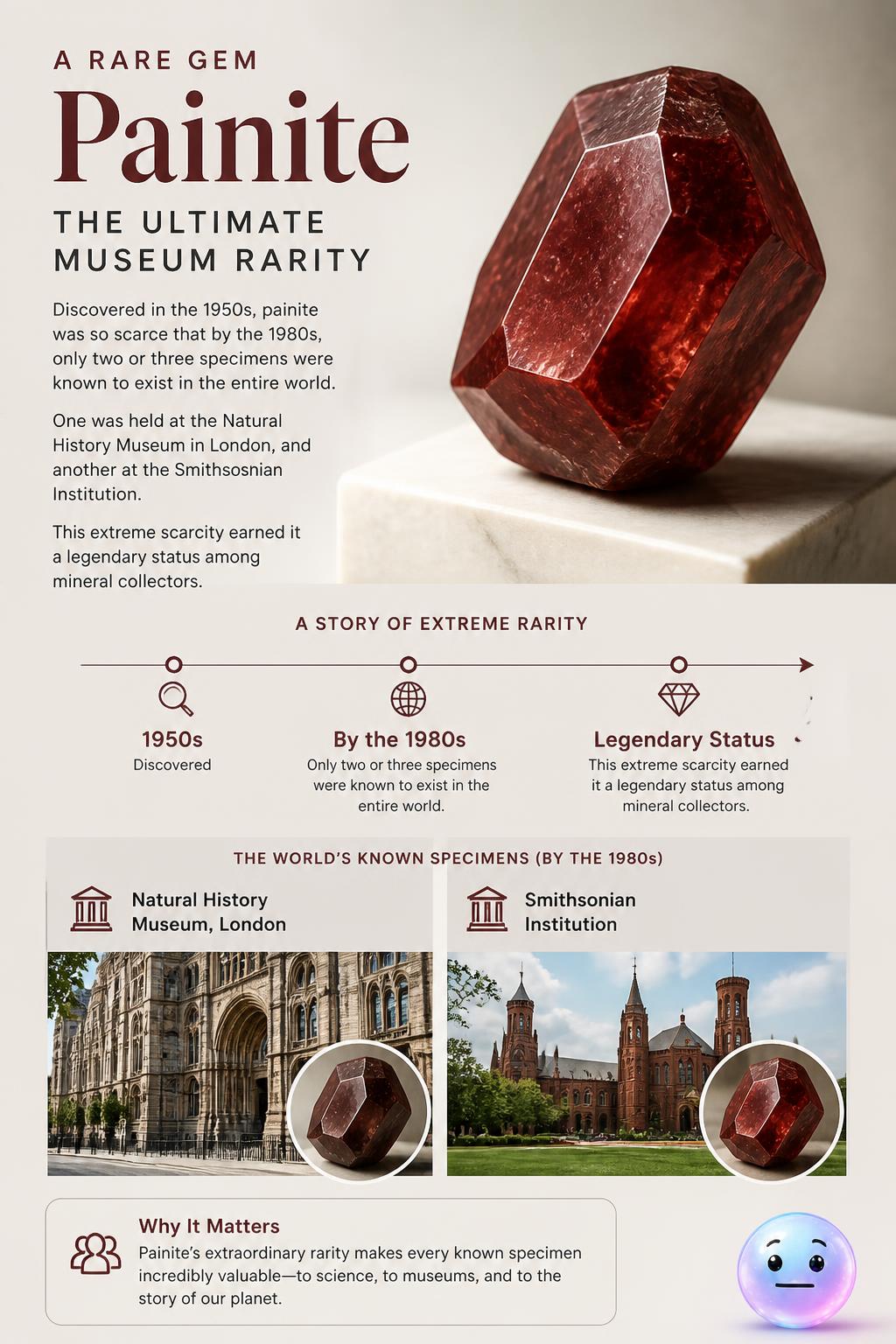
007skaty Discovered in the 1950s, this legendary mineral existed primarily at London's Natural History Museum and the Smithsonian.
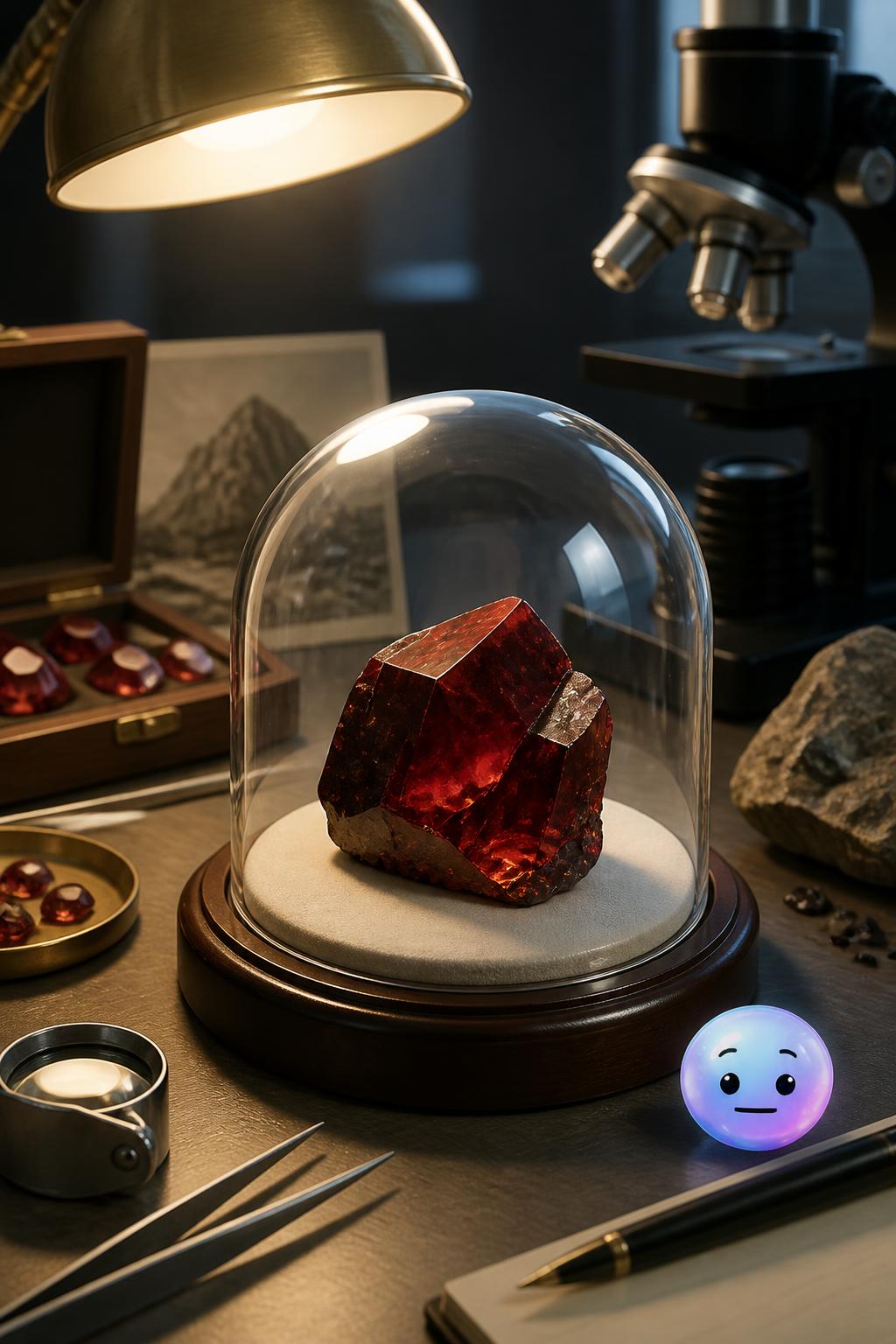
007skaty Laboratory analysis in London later identified the Myanmar crystal as a new mineral
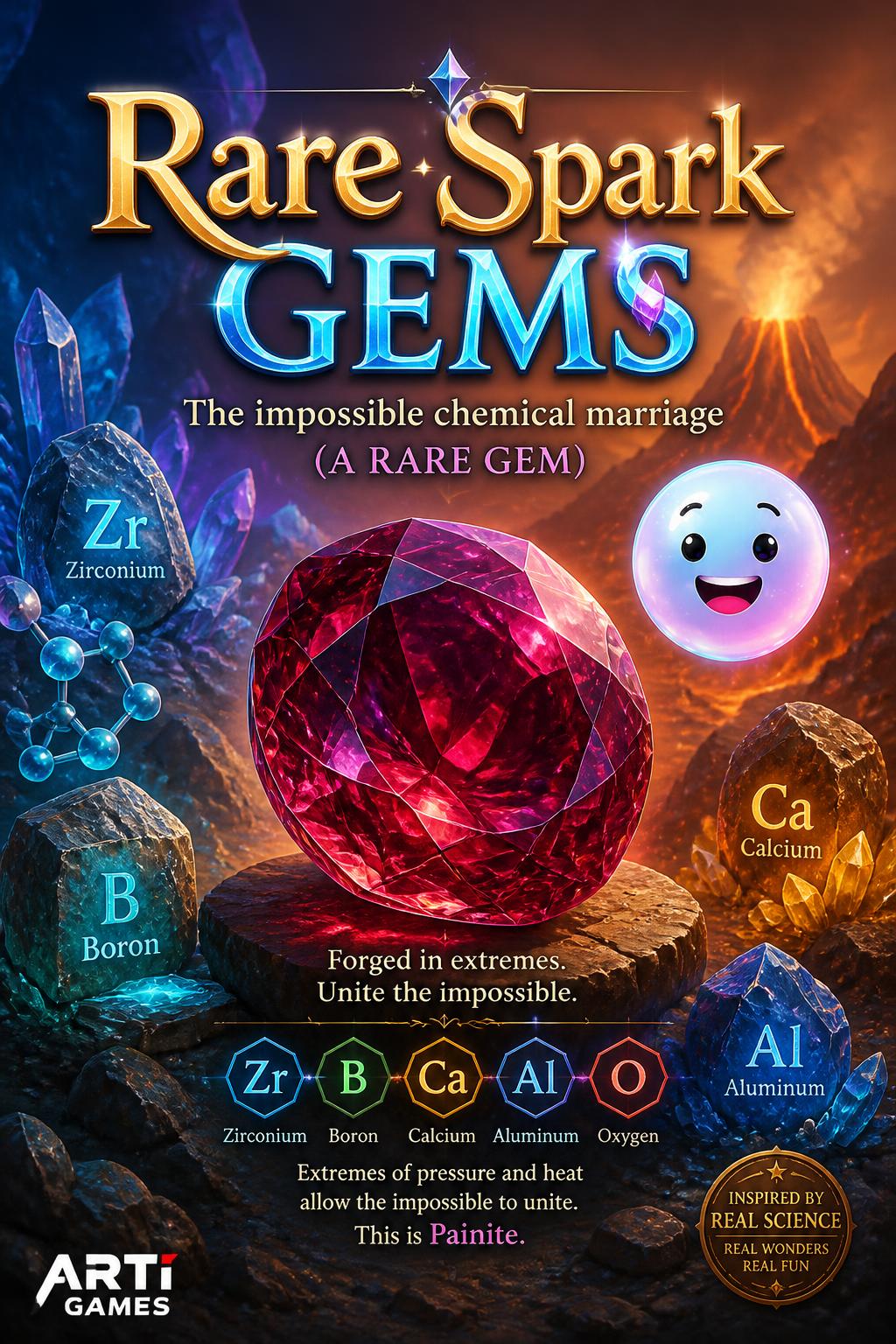
007skaty Match rare spark gems to discover how heat and pressure create brilliant, glowing crystals.
Giant painite: The largest painite crystal ever discovered weighs a mere 25 carats and measures just 2.5 centimeters in length.
An extremely rare borate mineral composed of calcium, zirconium, boron, aluminum, and oxygen, typically occurring in reddish-brown or orange-red crystals. British gemologist Arthur C.D. Pain first discovered the mineral in Mogok, Myanmar, during the early 1950s.
Which global record book officially listed painite as the rarest mineral on Earth for decades?
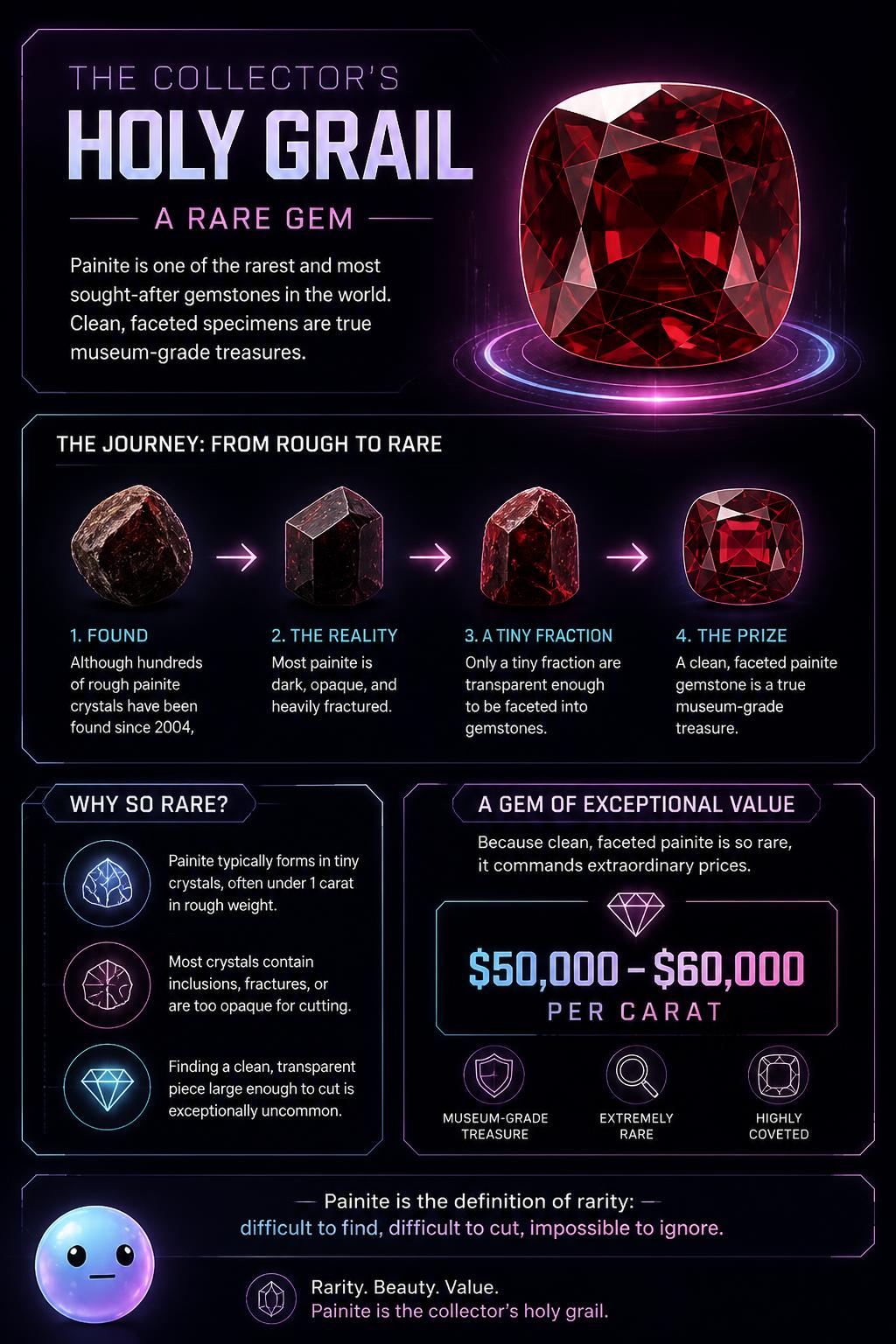
007skaty Since 2004, people found hundreds of rough painite crystals, but almost all are too dark and fractured to become faceted gems.
As late as the 1980s, approximately how many painite crystals were known to exist in the world?
In which Southeast Asian nation did Arthur C.D. Pain discover the first recognized painite specimen?
What gemstone did Arthur C.D. Pain initially mistake his newly discovered painite crystal for?
What trace elements are responsible for the orange-red to brownish-red color of painite?
Which two incompatible elements make painite exceptionally rare by bonding together in its crystal structure?
In which famous gemstone-rich valley of Myanmar was a new painite deposit discovered in 2004?