
What is the main architectural advantage of a GPU over a traditional
What is the main architectural advantage of a GPU over a traditional CPU for AI tasks?
Inside the machine's mind
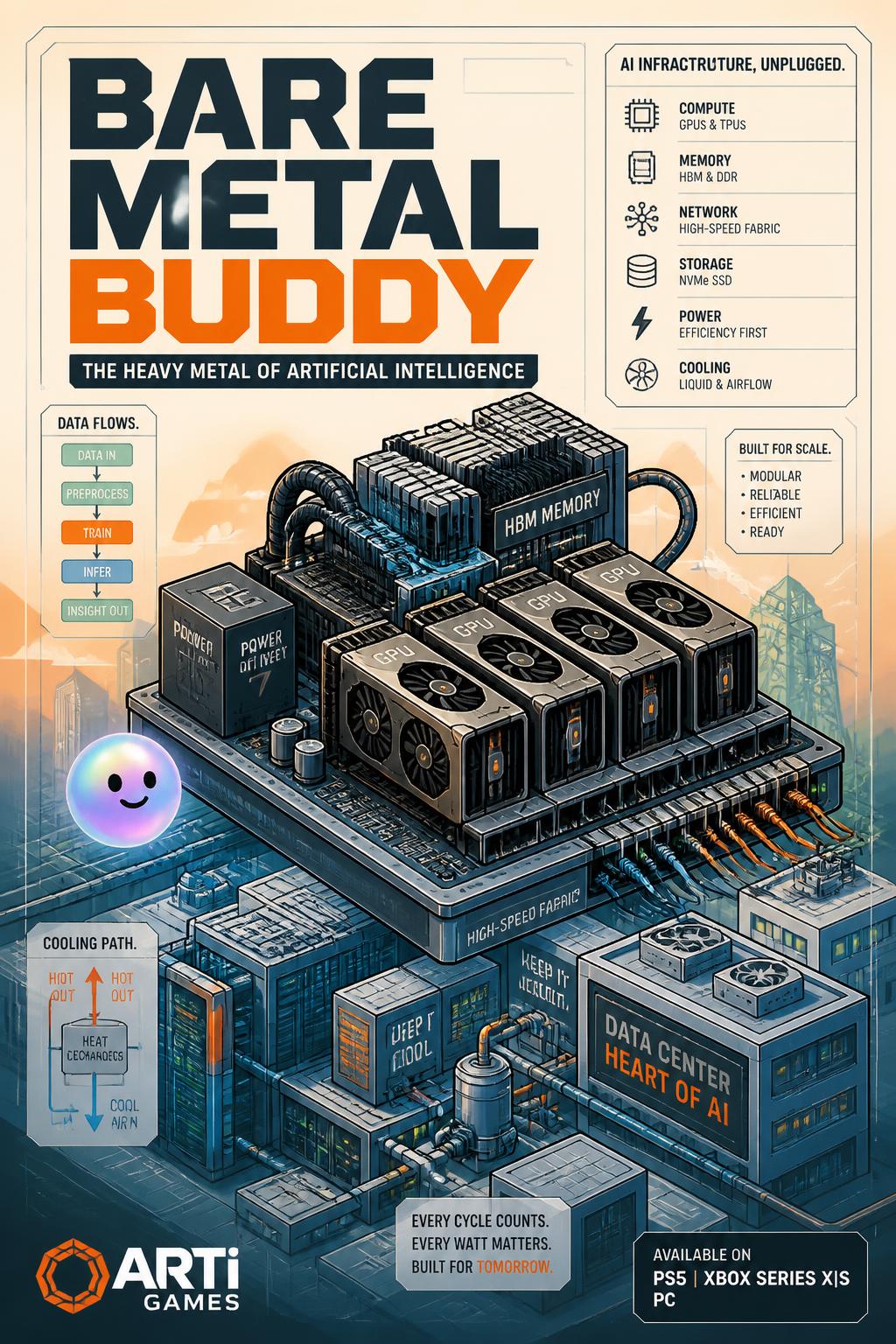
The heavy metal of artificial intelligence
The daily grind in the AI gold rush
Rules, red teams, and the global guardrails

sonia Inside data centers, tens of thousands of GPUs run for months to train 2026 AI models. This process devours millions of kilowatt-hours of electricity, raising carbon footprint concerns.
sonia Building one TSMC fabrication plant in Taiwan costs fifteen billion dollars. This extreme price tag concentrates global AI chip production into a fragile geopolitical bottleneck.
sonia Created in the 1990s for 3D video games, GPUs solve thousands of math problems at once. This parallel processing architecture trains neural networks faster than traditional computer processors.
sonia Heavy Metal of AI
Forget the virtual clouds, the heavy metal is real, stacking racks of GPUs to power the machine
sonia Microchips process data locally to translate languages and recognize faces instantly without an internet connection. This on-device method keeps personal data private and eliminates server delays.
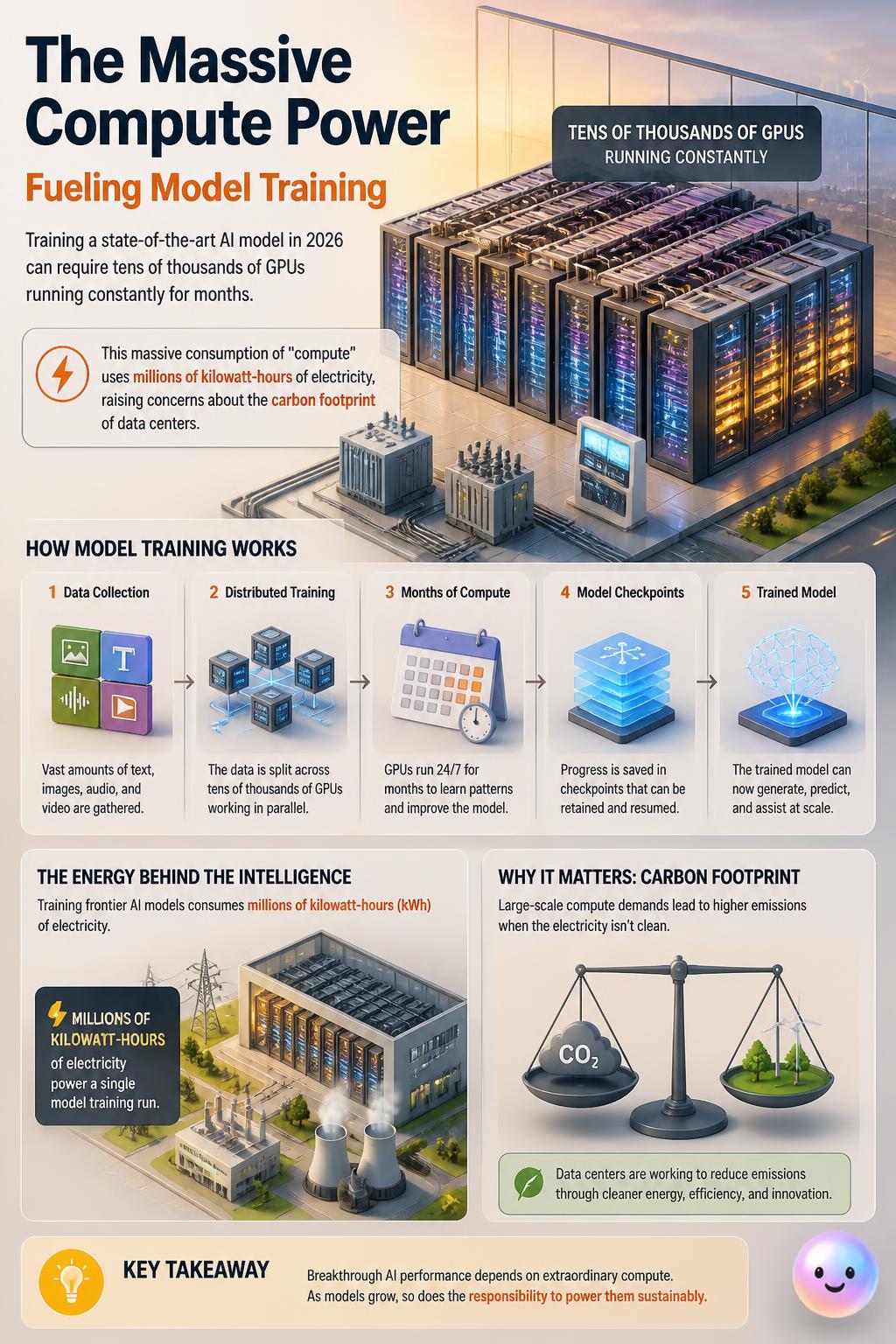
sonia Compute refers to the total computational power and electricity required to train AI models.
Expensive chip factories: A single state-of-the-art microchip factory can cost up to 20 billion dollars, making them some of Earth's most expensive structures.

sonia Semiconductor fabrication plants manufacture the physical microchips that make advanced AI possible.
A specialized electronic circuit designed to rapidly manipulate and alter memory to accelerate the creation of images. Nvidia introduced the first graphics processing unit in 1999, which later revolutionized deep learning.
Why did GPUs, originally designed for 3D video games, become the standard for training modern AI?
How much does it typically cost to build a single modern semiconductor fabrication plant ("fab")?
Which company, located in Taiwan, produces the vast majority of the world's highly advanced AI microchips?