Han Youngsoo and the camera of hope
The bold strokes of Chusa-che
Do Ho Suh and the portable home
Joung Young-ju and the glowing moon villages
Woo Kukwon and the playful impasto
YOUR GOAL
Master of Stitching space and brushing ink in Korean art
매운김치 The Chusa-che Calligraphy Style
Ten inkstones ground to dust and a thousand brushes worn, The bold and wild strokes of Chusa-che were born.
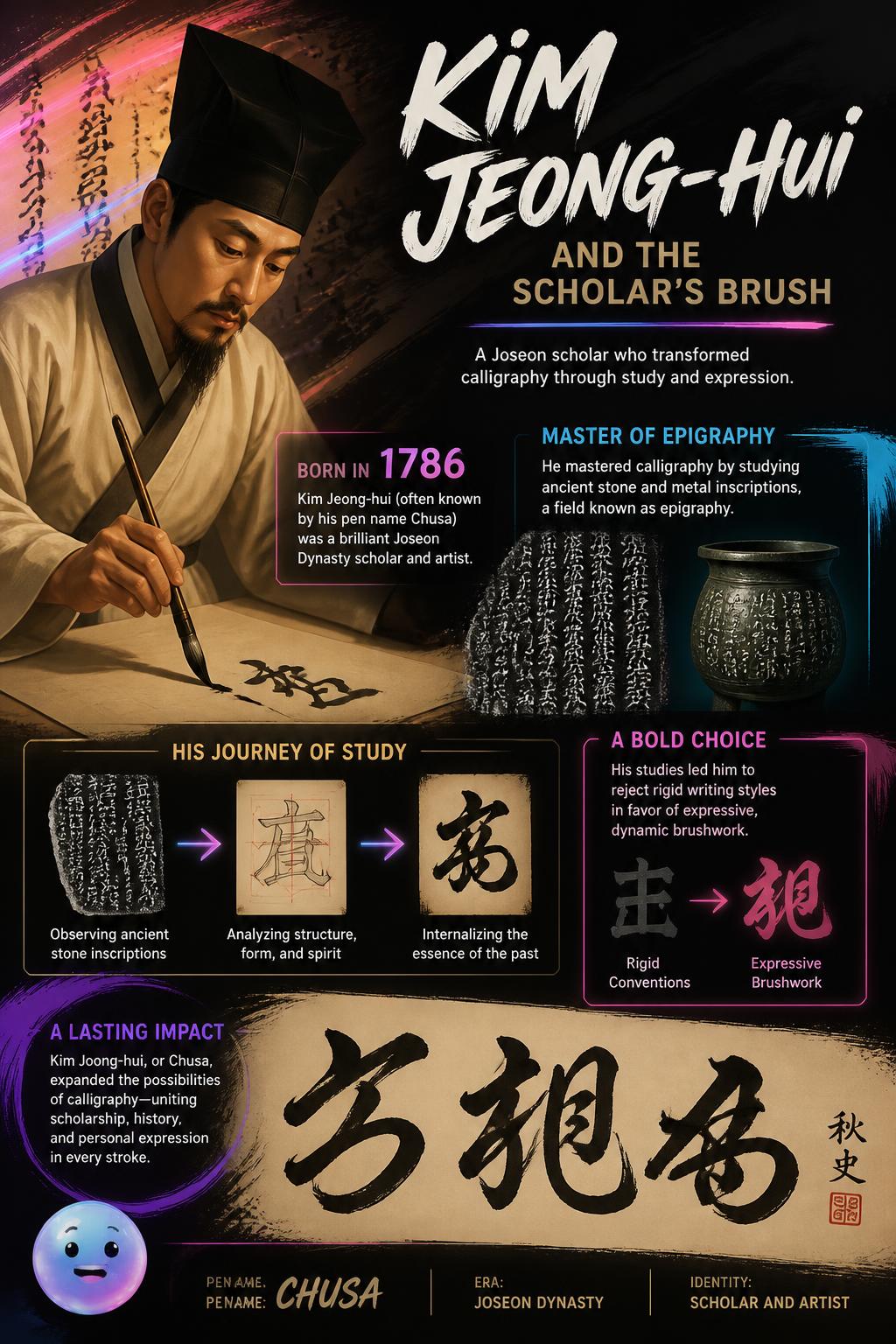
매운김치 Born in 1786, Joseon scholar Kim Jeong-hui, or Chusa, studied epigraphy to replace rigid writing with expressive brushwork.
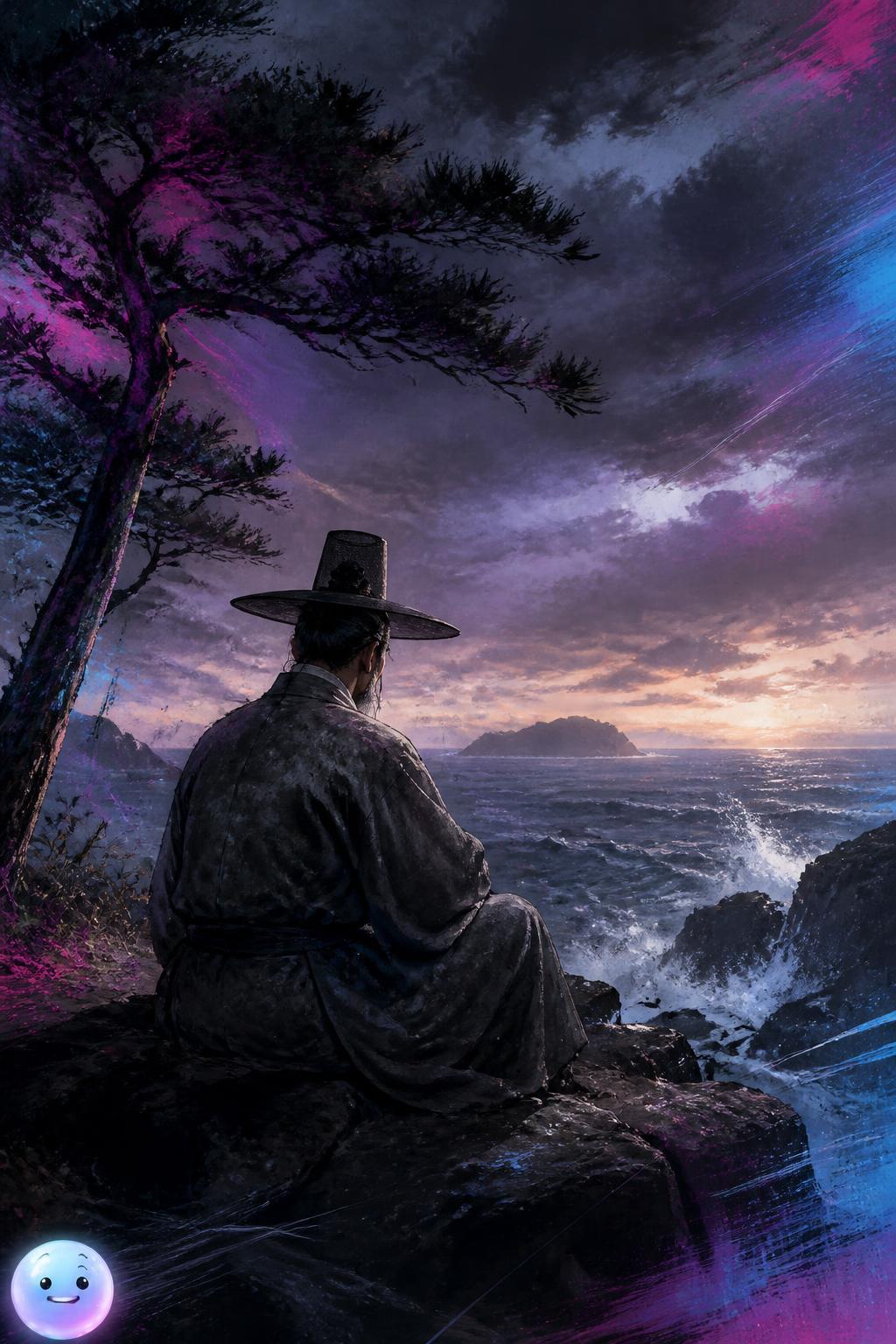
매운김치 Political factionalism in 1840 forced a master calligrapher to reinvent Korean brushwork in isolation
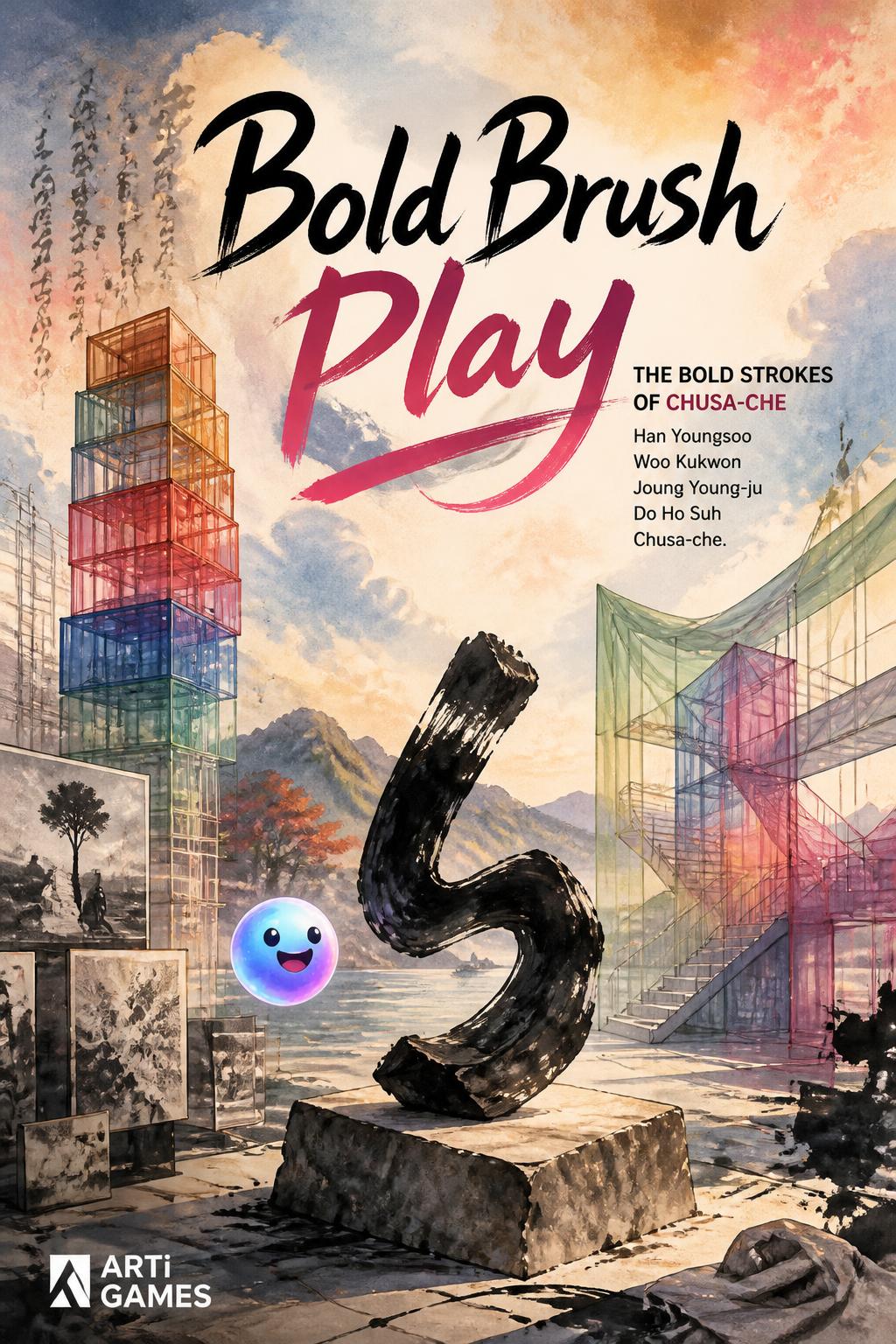
매운김치 Swipe to paint bold strokes to discover the expressive power of Korean gestural art.
Calligraphy prodigy: When Kim Jeong-hui was only seven, a famous prime minister was amazed by a spring good-luck charm the boy wrote.
A distinctive style of Korean calligraphy characterized by bold, asymmetrical, and expressive brushstrokes. Joseon scholar Kim Jeong-hui perfected this aesthetic during his nineteenth-century exile on Jeju Island.
What is the name of the unique, expressive calligraphy style created by scholar Kim Jeong-hui?
What scientific field of study did Kim Jeong-hui use to reform Korean calligraphic styles?
On which island was Kim Jeong-hui exiled when he developed his famous Chusa calligraphy style?
Approximately how many different pen names (Ho) did Kim Jeong-hui use throughout his artistic life?
To whom did Kim Jeong-hui dedicate his masterpiece 'Sehando' as a thank-you for sending books?
Which ancient Silla Kingdom ruler did Kim Jeong-hui prove had erected the Mount Bukhan monument?