
Chapter 1
The roots of raw design
Chapter 2
Materials in their element
Chapter 3
The digital and graphic rebellion
Chapter 4
Making it work at home
YOUR GOAL
Master of The art of keeping it rough and unfinished
Ch 1 · The roots of raw design

007skaty Roots of Raw Design
Unpolished walls, / Bare béton brut, / Raw design's true roots.

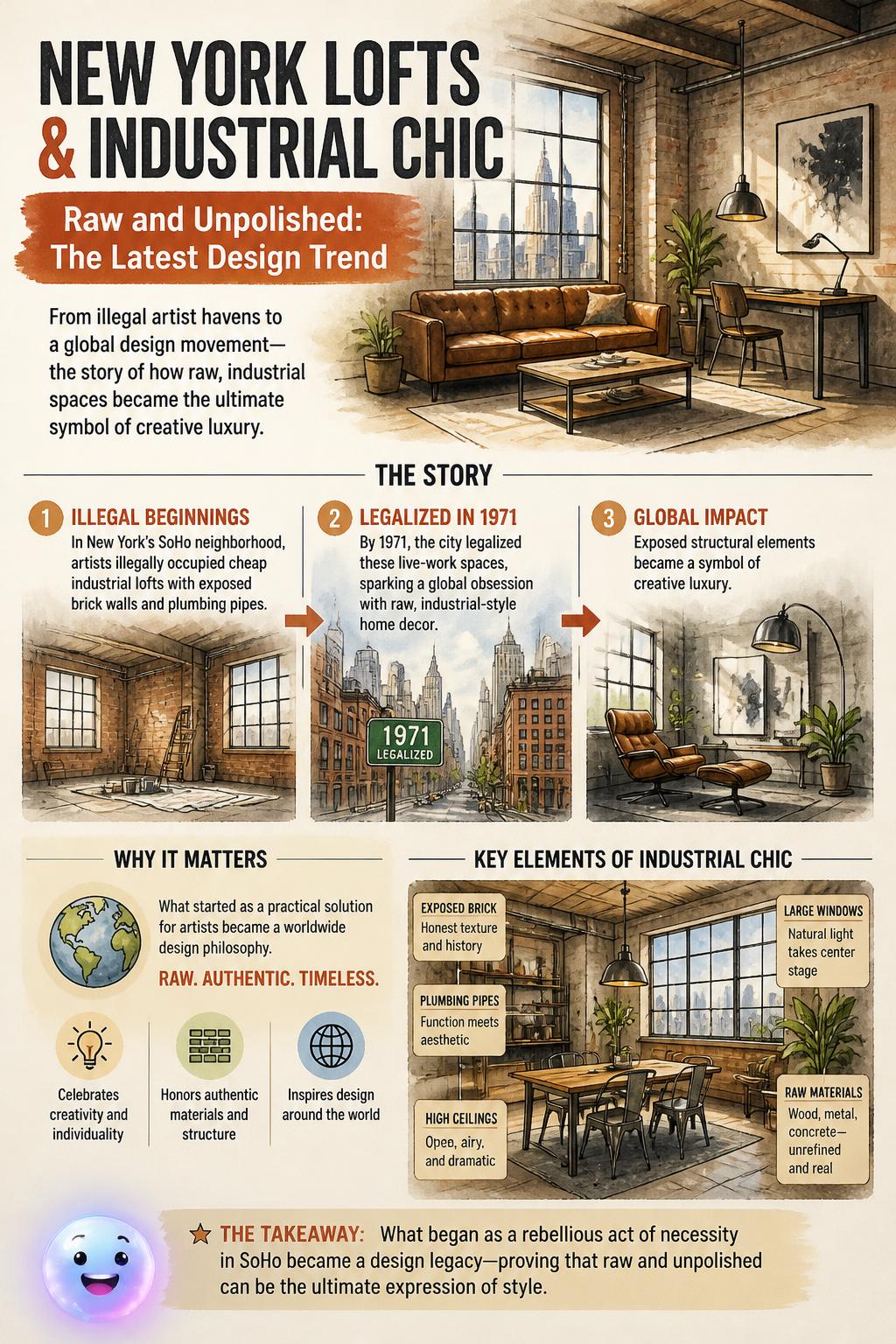
007skaty Cheap industrial lofts with exposed brick and plumbing pipes transitioned from illegal workspaces into a worldwide obsession with
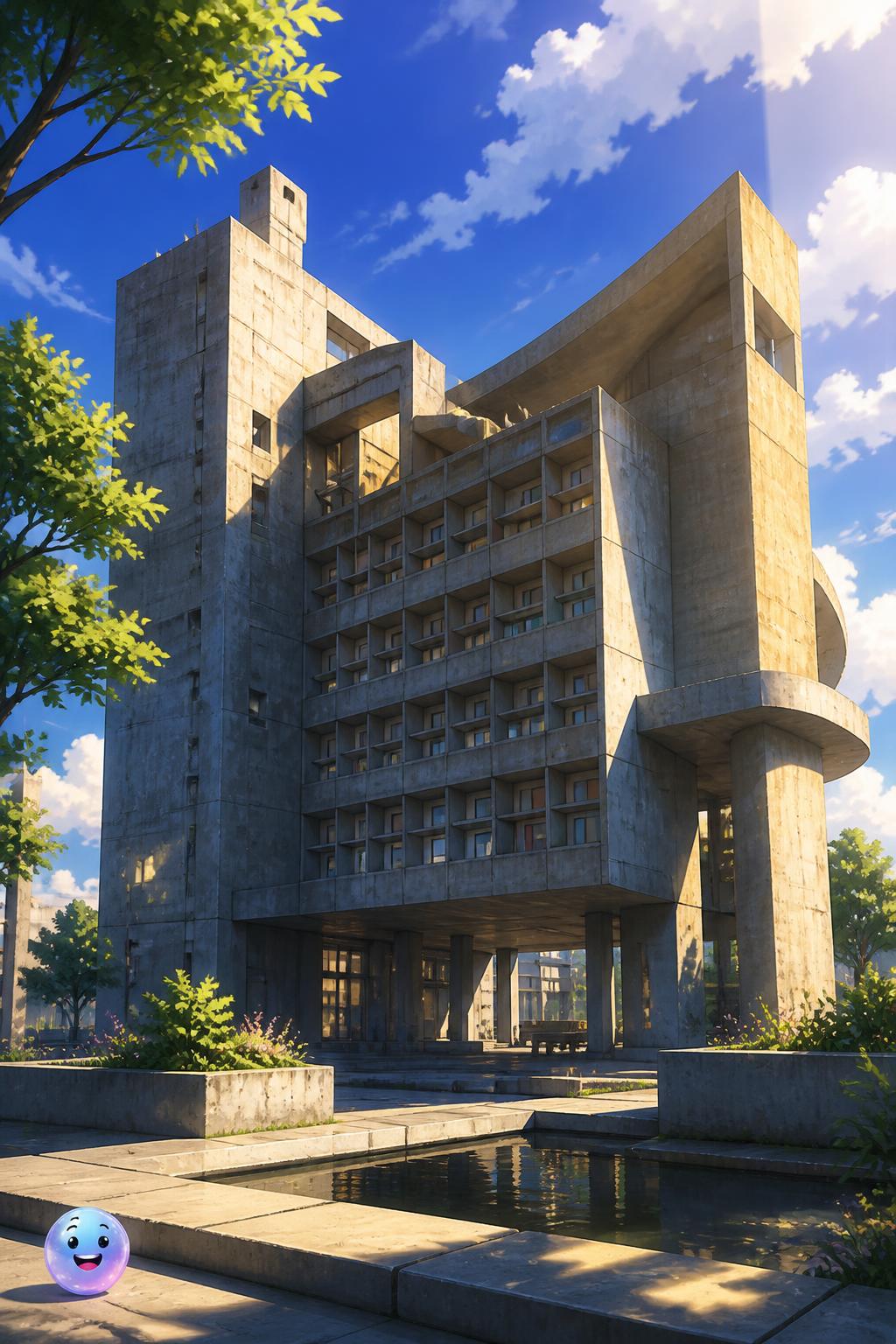
007skaty Marseille's Unité d'Habitation rejected decorative facades for massive, rough concrete forms.
BETA
007skaty Match raw textures to their history to discover where unpolished design trends come from.
Fun Fact
Wabi-sabi tea: The 15th-century Japanese tea master Sen no Rikyu chose simple, cracked local clay cups over flawless Chinese porcelain.
Glossary
brutalism (noun)
An architectural style characterized by massive, blocklike structures and raw, unfinished concrete. This 1950s movement pioneered the use of honest, unpolished materials in structural design.
An architectural style characterized by massive, blocklike structures and raw, unfinished concrete. This 1950s movement pioneered the use of honest, unpolished materials in structural design.
Quiz
In which New York neighborhood did artists illegally occupy industrial warehouses in the 1960s, creating 'loft style'?
Quiz
Which Zen monk popularized simple, cracked clay tea vessels over flawless imported Chinese porcelain?
Quiz
When did the city of New York officially legalize living in SoHo's industrial loft spaces?
Quiz
What is the main goal of the traditional Japanese pottery repair technique known as kintsugi?
Quiz
What 15th-century Japanese philosophy celebrates beauty in the imperfect and incomplete?
Quiz
What material is mixed with gold or silver powder in the Japanese art of kintsugi to repair broken pottery?
Quiz
Which Swiss-French architect popularized Brutalism with his use of 'béton brut' (raw concrete)?