Chapter 1
Art born in captivity
Chapter 2
The Black Mountain College experiment
Chapter 3
Weaving space and shadows
Chapter 4
The public citizen of San Francisco
Chapter 5
The domestic studio
YOUR GOAL
Master of The art of Ruth Asawa
Ch 3 · Weaving space and shadows
choko Ruth Asawa's Wire Sculptures
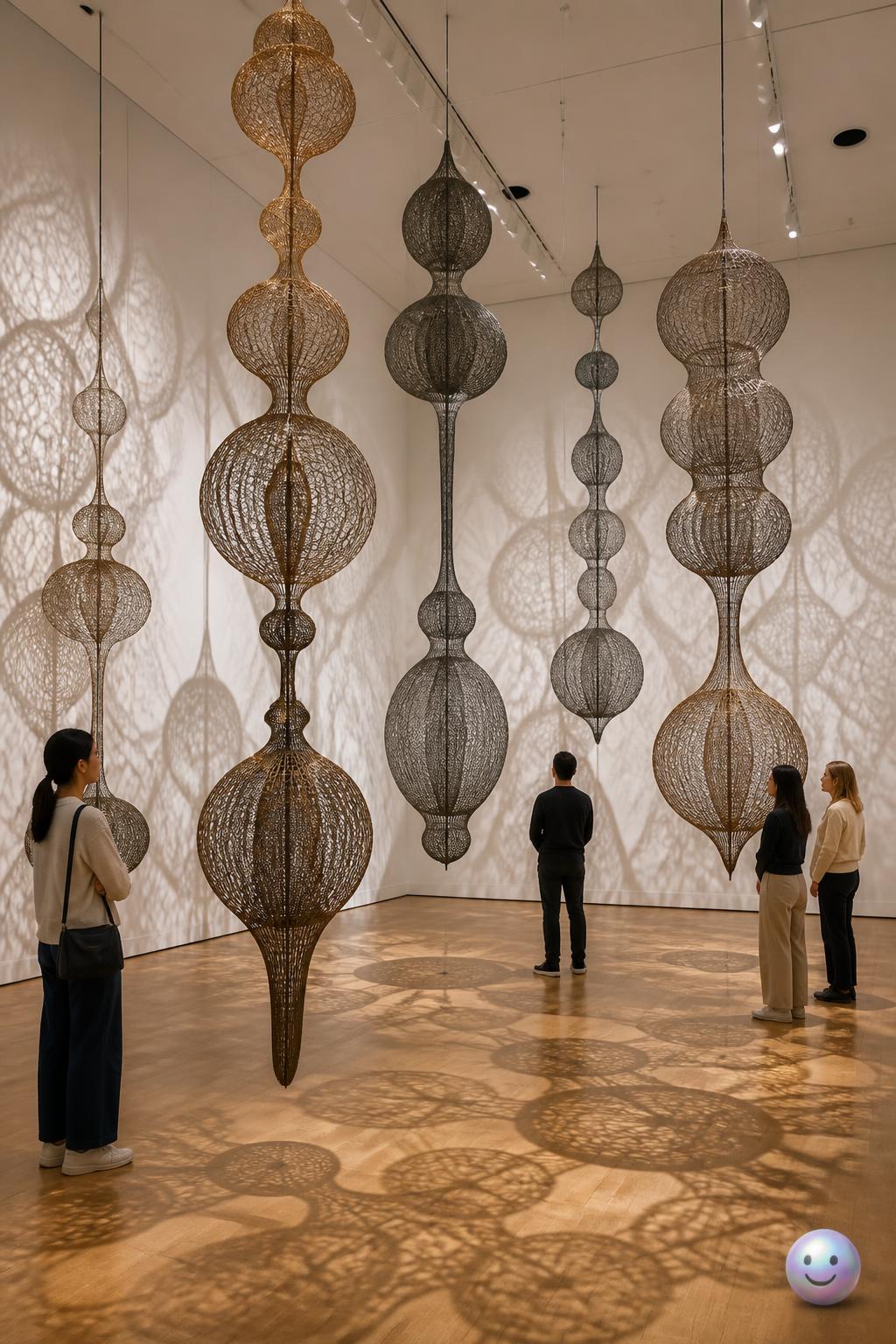
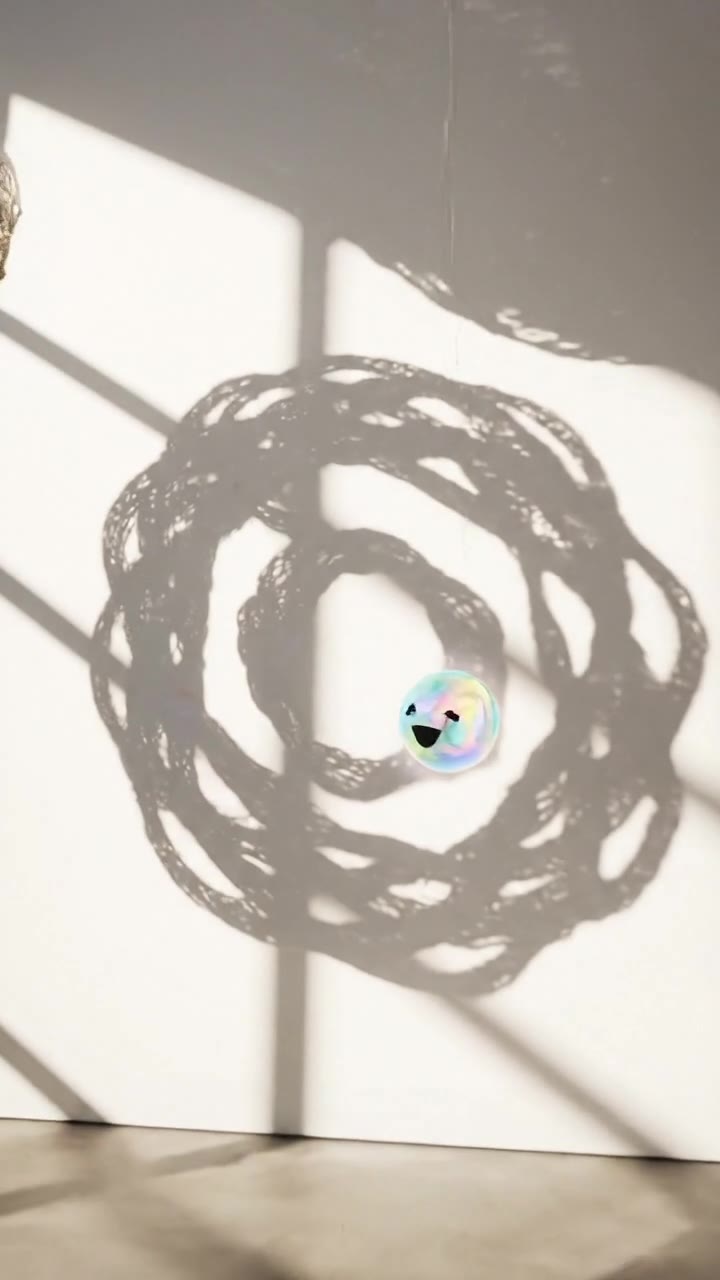
Woven wire, catching light, painting shadows on the wall.
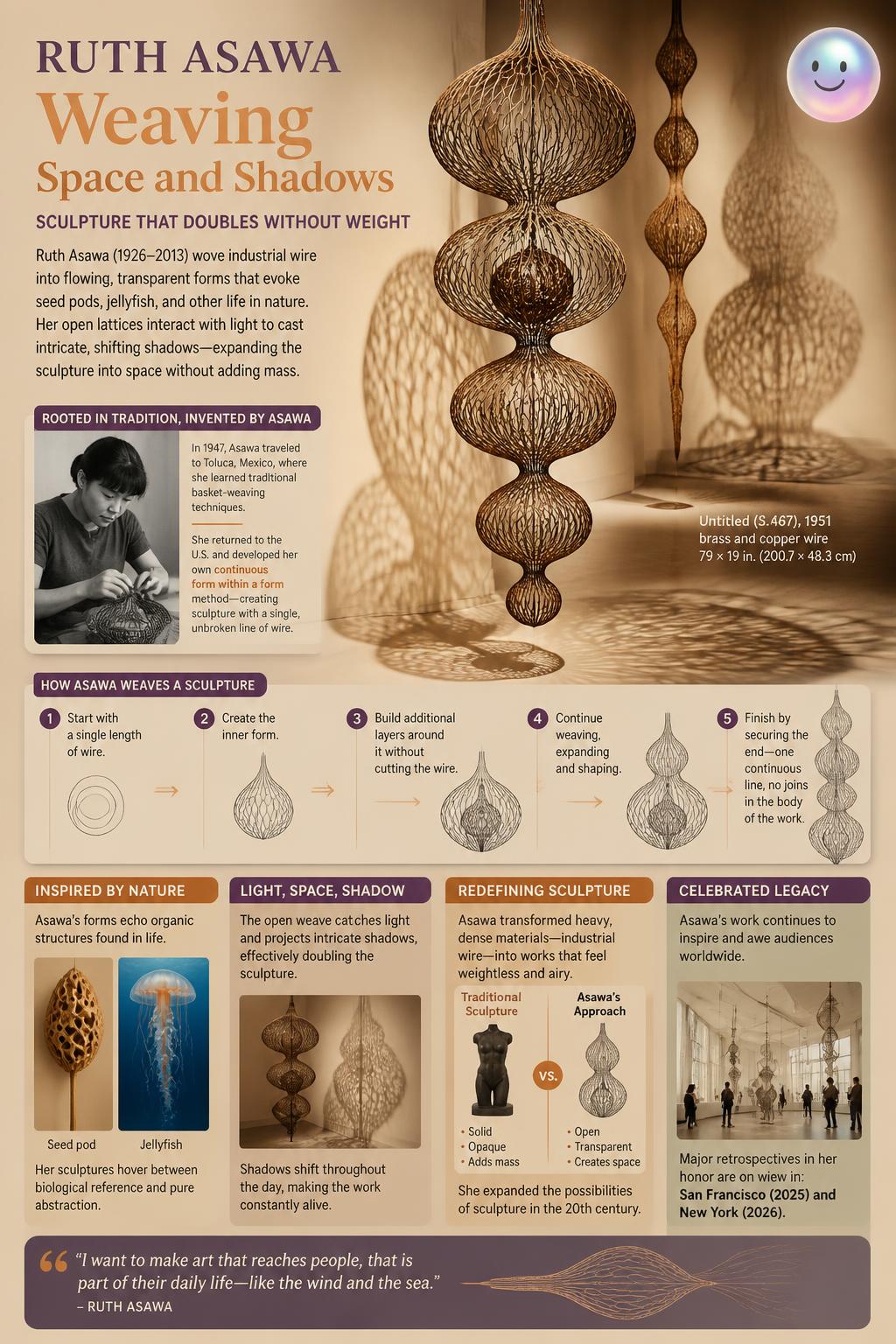
choko Nested layers of woven wire create transparent, flowing shapes resembling organic seed pods.
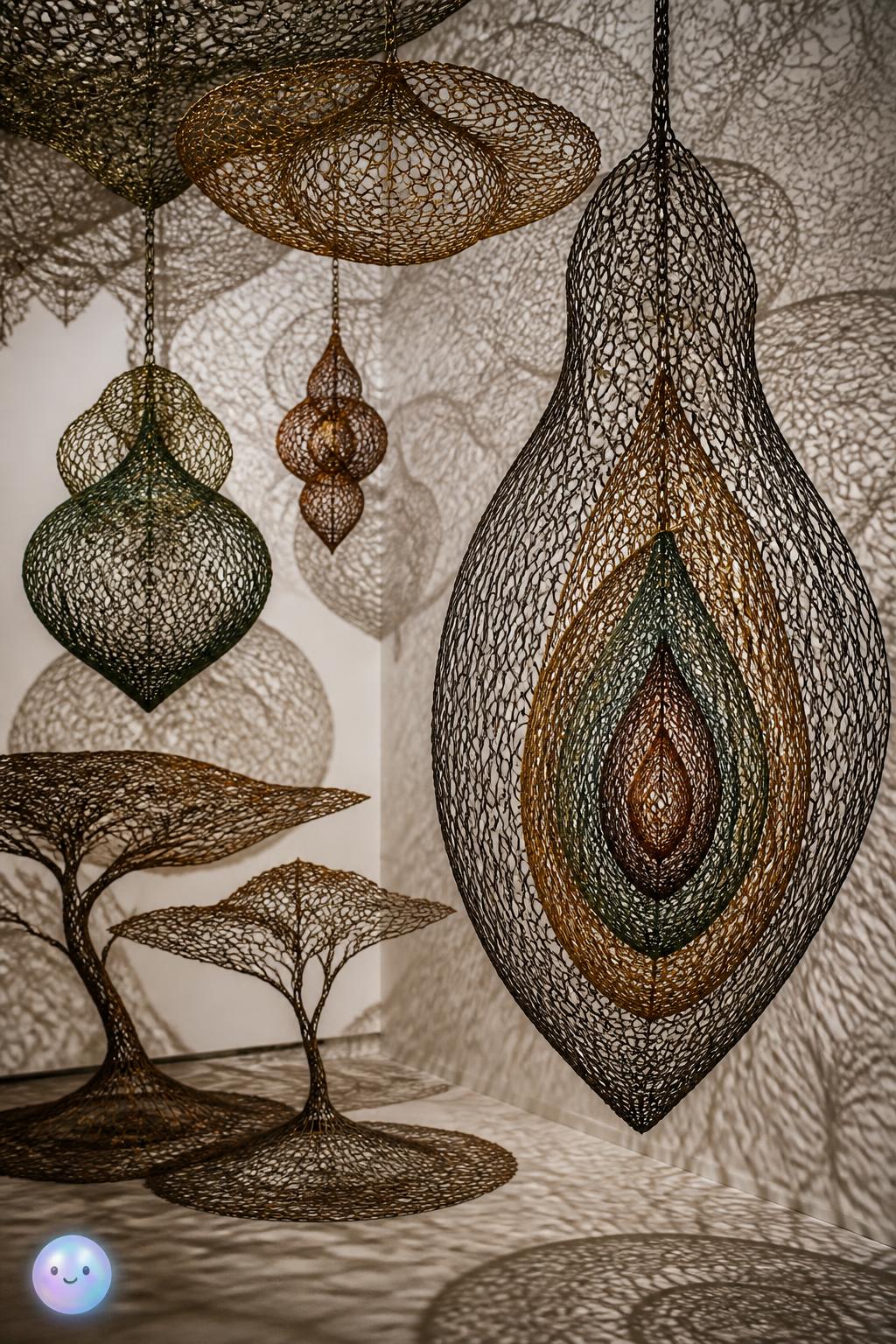
choko The shadows cast by Asawa's wire sculptures were as important as the physical metal itself.
BETA
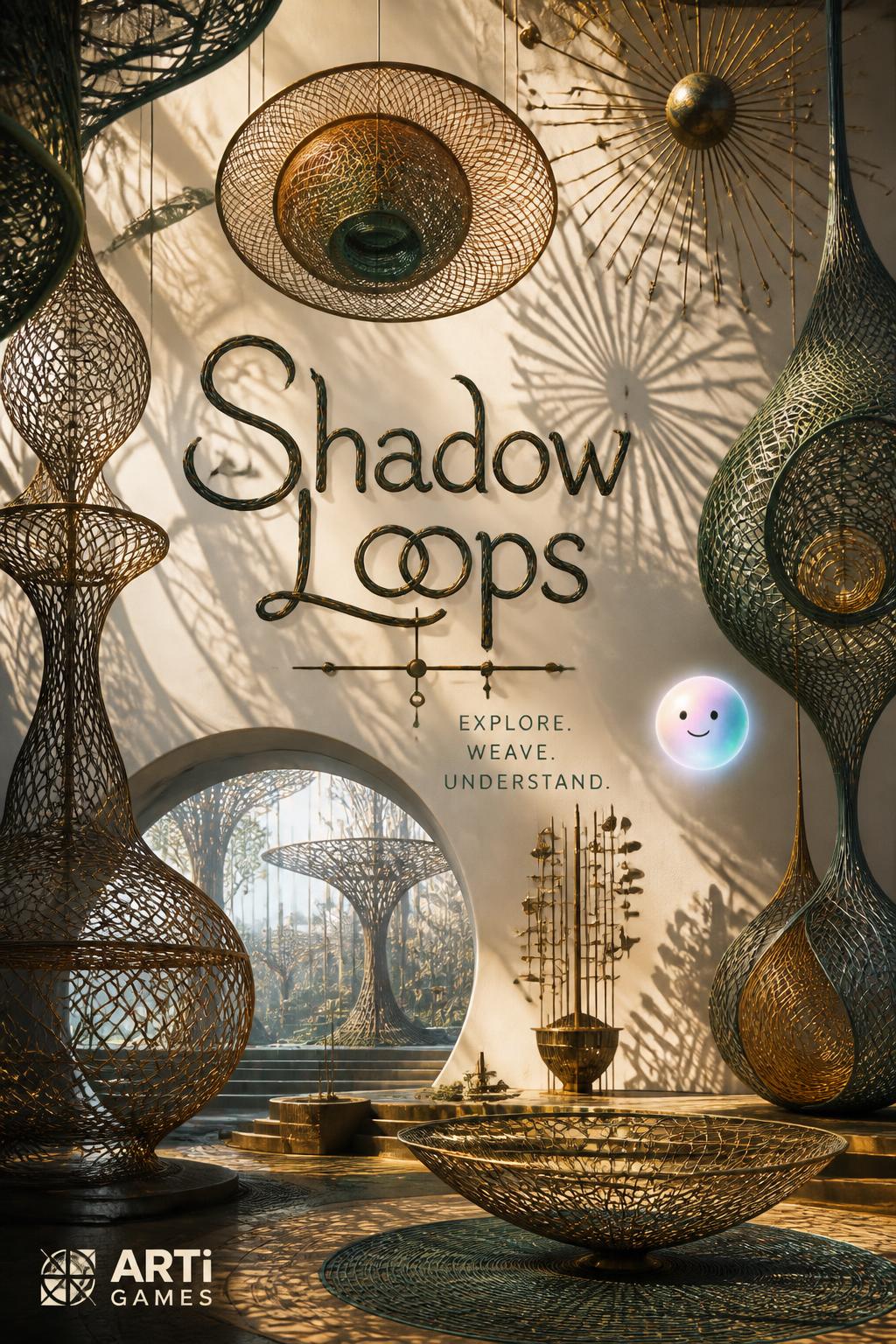
choko Match the wire loops to their shadows to discover how Ruth Asawa sculpted with light.

Fun Fact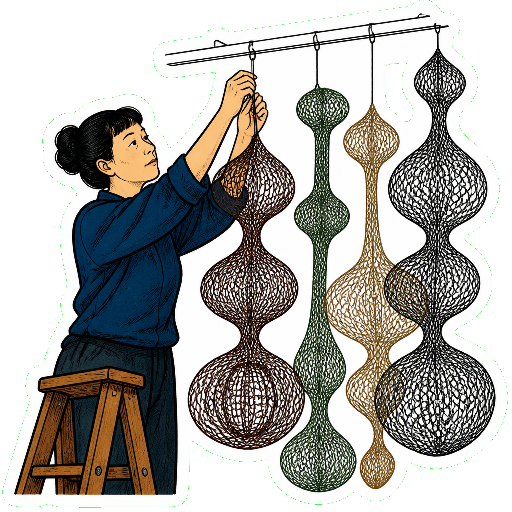
Suspended wire: Ruth Asawa hung her looped-wire sculptures from the ceiling so they floated, gently swaying to cast mesmerizing, shifting shadows that wove wonder across the space.
Glossary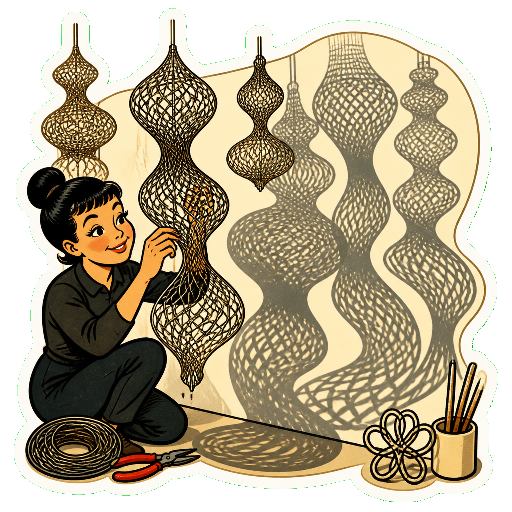
shadows (plural noun)
The dark silhouettes cast when light shines through Asawa's woven wire sculptures. Serving as an essential, active part of the installation, they create a shifting second drawing, transforming static metal into dancing illusions.
The dark silhouettes cast when light shines through Asawa's woven wire sculptures. Serving as an essential, active part of the installation, they create a shifting second drawing, transforming static metal into dancing illusions.
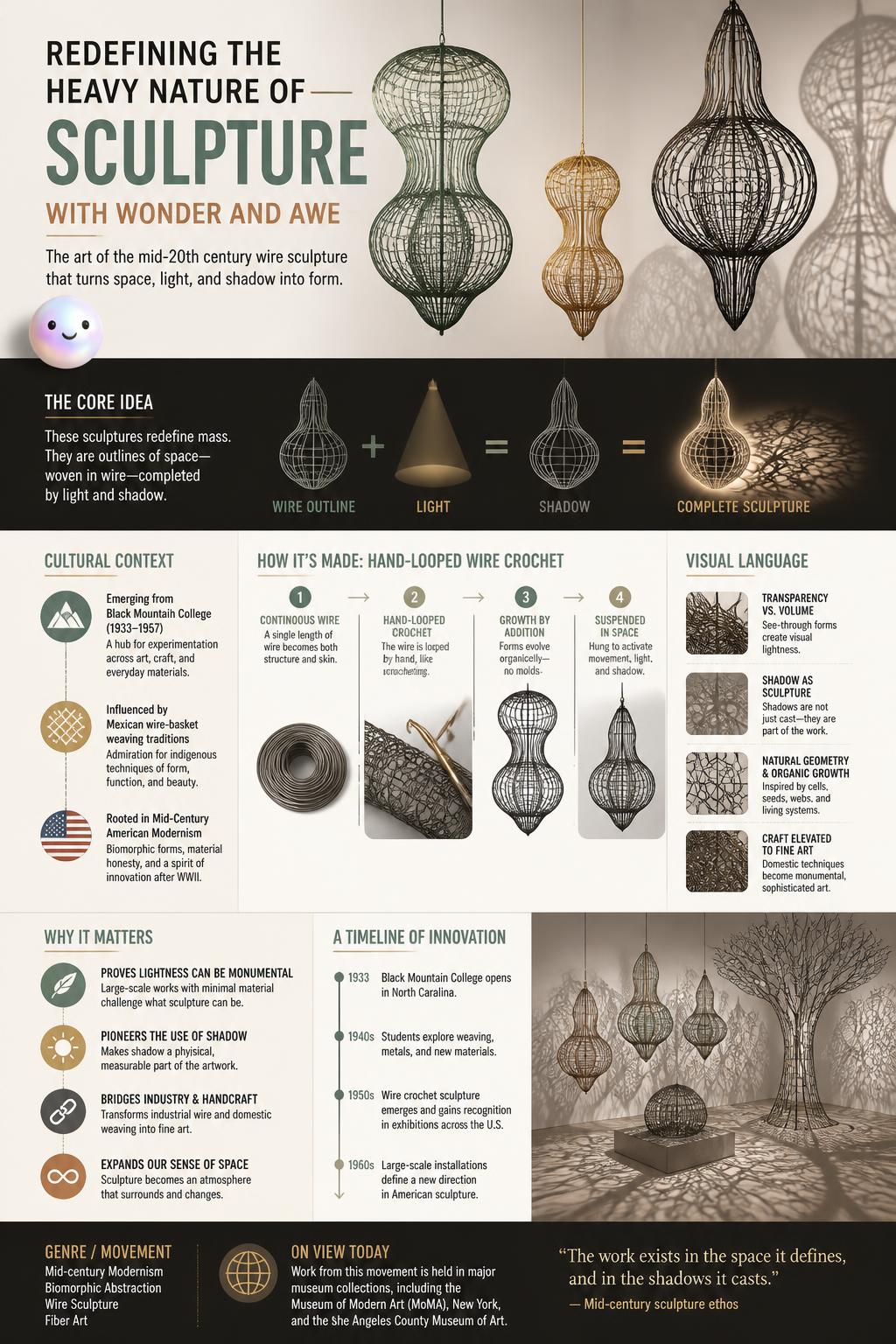
choko Asawa challenged the traditional concept of sculpture as heavy, solid, and earthbound.
Fun Fact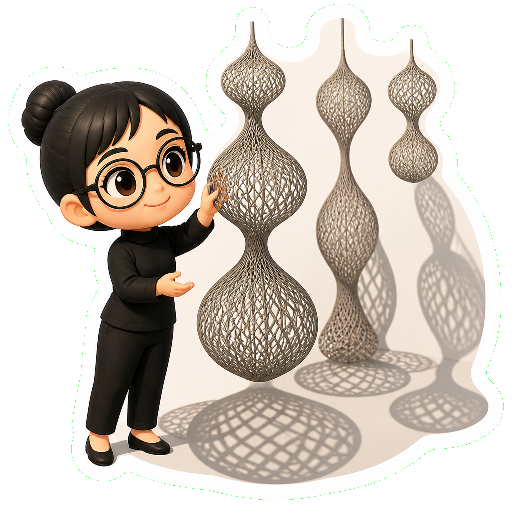
Shadow art: Ruth Asawa insisted that her sculptures be exhibited with strategic lighting so their shadows would project onto the walls, doubling the artwork's visual impact.
Glossary
wire (noun)
A thread or slender rod of metal. After visiting Mexico in 1947, Ruth Asawa began looping wire to create three-dimensional hanging sculptures.
A thread or slender rod of metal. After visiting Mexico in 1947, Ruth Asawa began looping wire to create three-dimensional hanging sculptures.
Quiz
What did Ruth Asawa consider to be an essential, active part of her hanging wire installations?