The mysterious northern hexagon
Discovered by the Voyager mission in 1981, this hexagonal storm spans about 30,000 kilometers (18,600 miles) wide. Scientists believe it is a bizarre atmospheric wave pattern caused by winds howling at 360 kilometers per hour.
The anatomy of a gas giant
Rings of ice and dust
The wild worlds of Saturn's moons
Humanity's eyes on the giant

sonia Rising internal heat and a rapid 10.7-hour rotation whip these equatorial currents to speeds of 1,800 kilometers per hour.
sonia The Voyager spacecraft revealed this 30,000-kilometer-wide wave pattern in 1981. Howling winds screaming at 360 kilometers per hour shape the bizarre polar structure.
sonia This massive ball of hydrogen and helium would float inside a giant bathtub, despite holding 760 times the volume of Earth.

sonia Drag the icy particles into orbit to discover how Saturn's majestic rings are formed.
sonia Anatomy of a Gas Giant
Down where the pressure turns the gas to metal, a giant current starts to flow
sonia Extreme pressure inside Saturn squeezes hydrogen gas into an electricity-conducting liquid at 11,700°C. This dense central core outweighs Earth by up to 22 times.
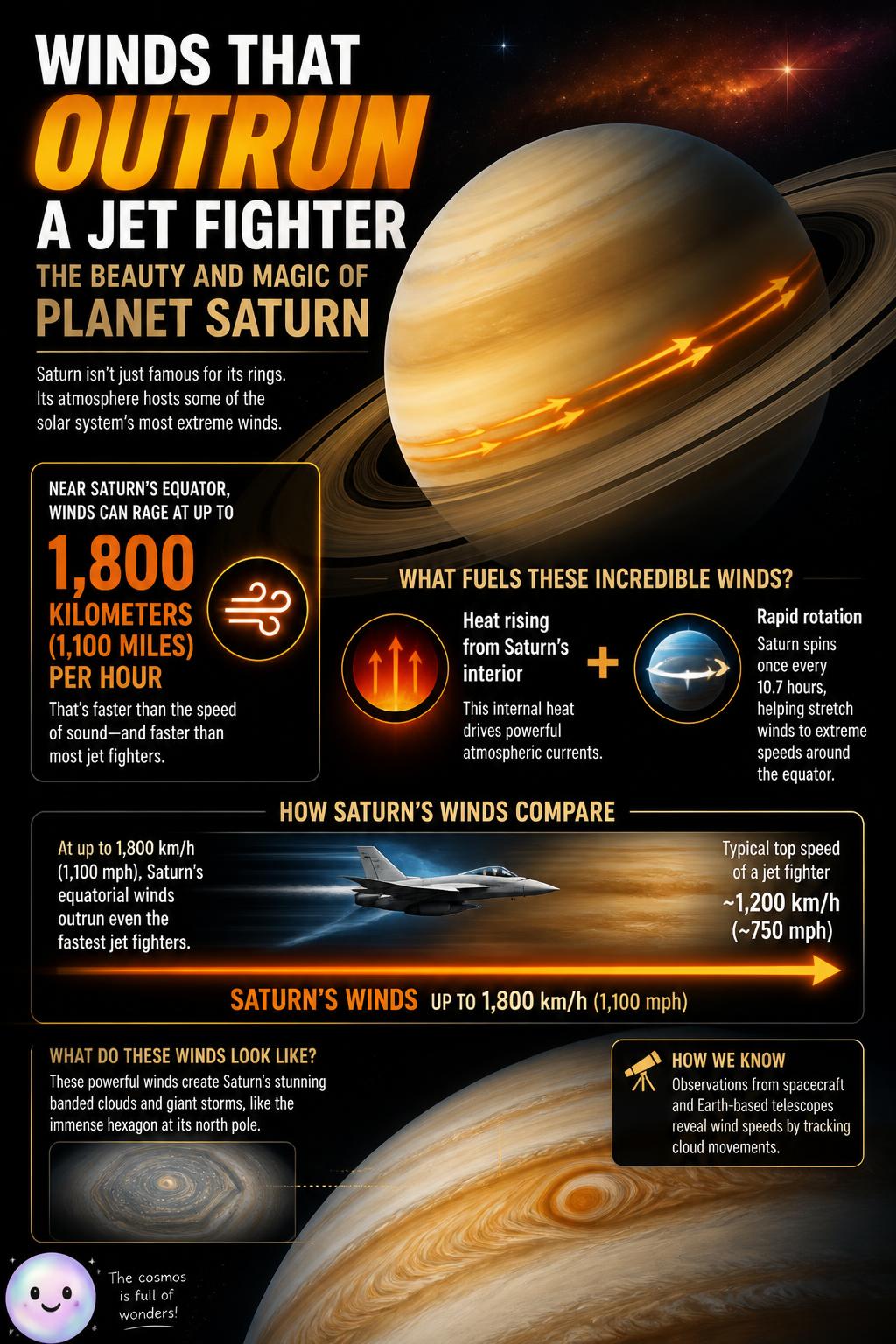
sonia Saturn's equatorial winds are among the fastest in the solar system, reaching speeds that would shred any earthly structure.
Floating giant: Saturn is less dense than water and would float in a giant bathtub, though it would leave a greasy ring.
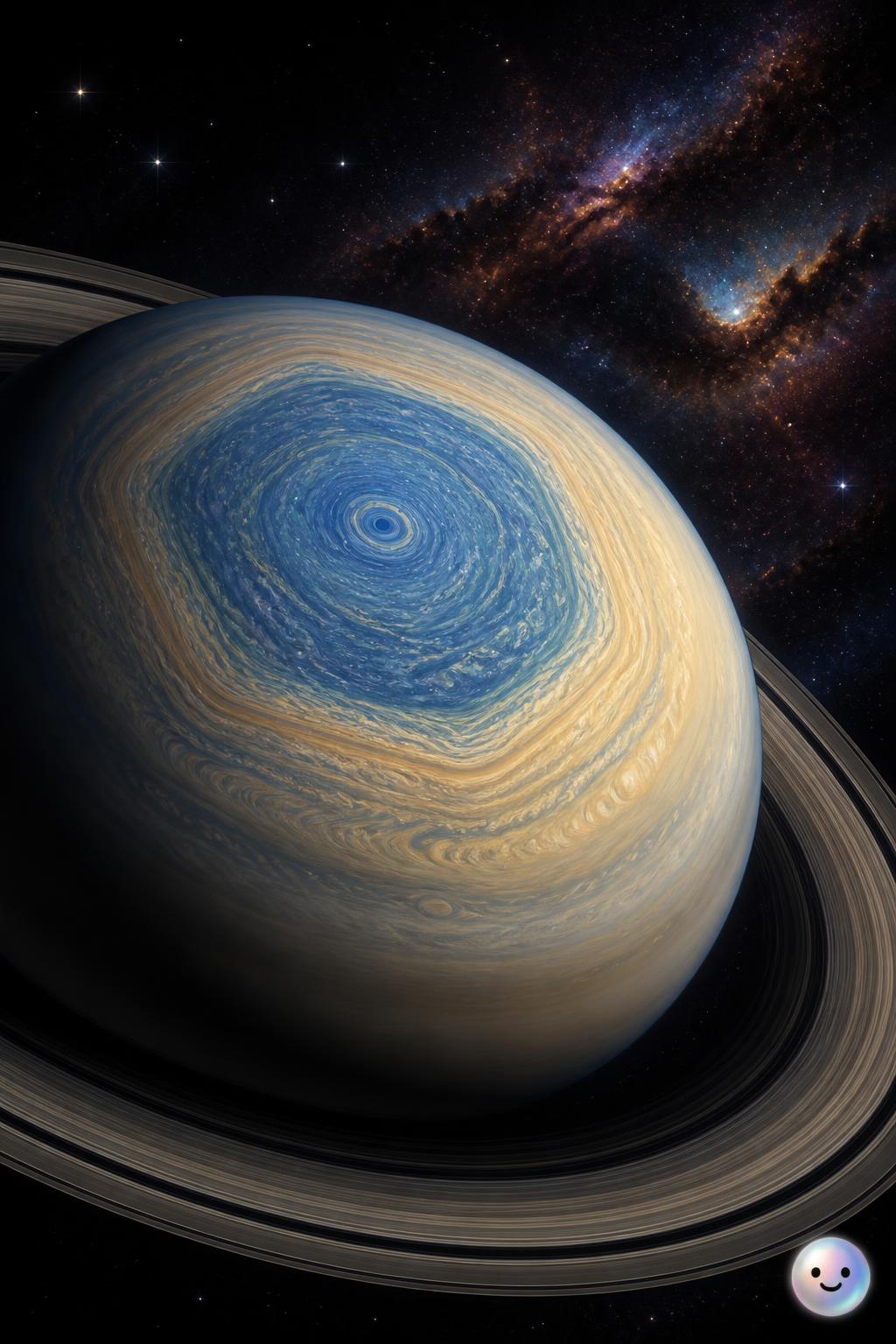
sonia Saturn's north pole hosts a massive, permanent six-sided jet stream that could swallow Earth twice over.
A state of hydrogen under intense pressure that conducts electricity like a metal. This dense, swirling layer lies deep beneath Saturn's clouds, generating its immense planetary magnetic field.