
Fastest Runner on the Planet: World Records
The sesame-seed-sized mite Paratarsotomus macropalpis can run at 322 body lengths per second on concrete driveways. If a human could scale up this relative speed, they would be running at approximately 1,300 miles per hour, breaking the sound barrier.
Bizarre human limits and physical anomalies
Nature's wildest and weirdest overachievers
Colossal creations and mega-food
Bizarre endurance and eccentric hobbies

schopenhauer Measuring just two millimeters, this tiny insect rubs its abdomen against its genitalia to create a ninety-nine decibel mating call. The noise rivals a loud motorcycle passing nearby.
schopenhauer In 1956, scientists found this organism surviving gamma radiation inside spoiled meat. It uses multiple genome copies to rebuild its shattered DNA within hours.
schopenhauer The Giant Siphonophore
Way down deep in the sea, this glowing spiral of clones is the longest animal ever found
schopenhauer This sesame-seed-sized mite sprints across concrete driveways at blistering relative speeds. Scaled to human size, its rapid pace would break the sound barrier.
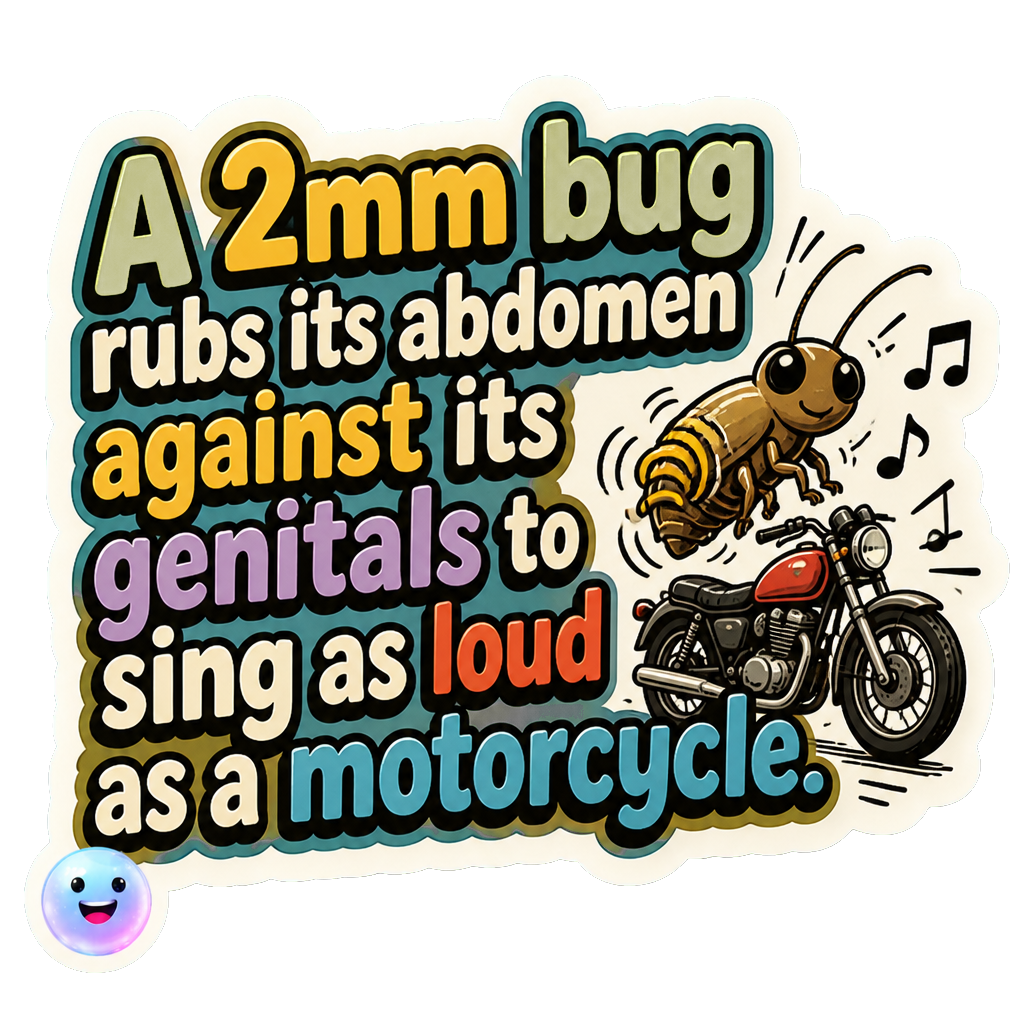
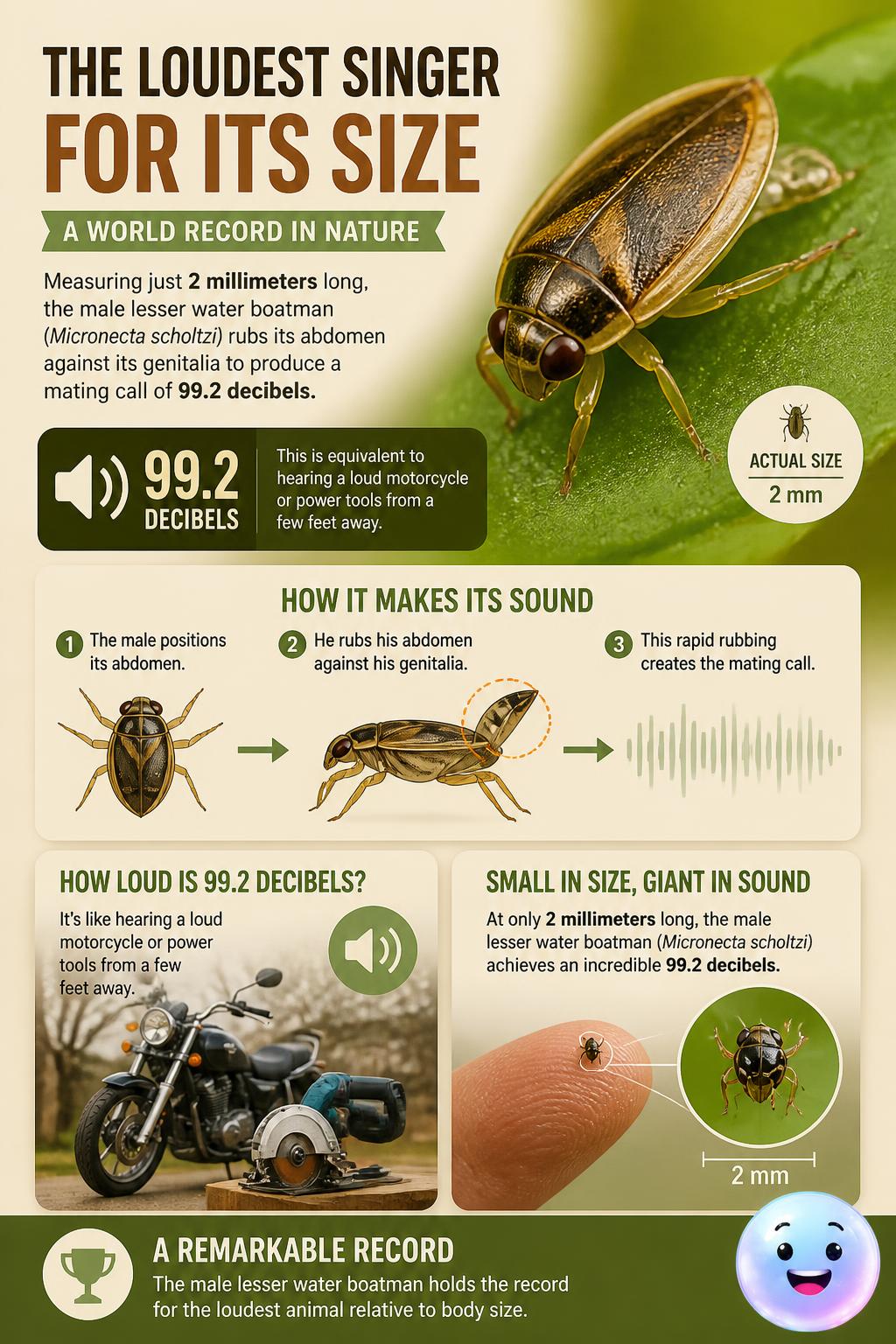
schopenhauer Colorful graphics compare the tiny water insect's volume to a roaring motorcycle
Tough bacteria: Deinococcus radiodurans is so resilient to extreme radiation and dehydration that scientists are studying it to help clean up highly toxic waste sites.
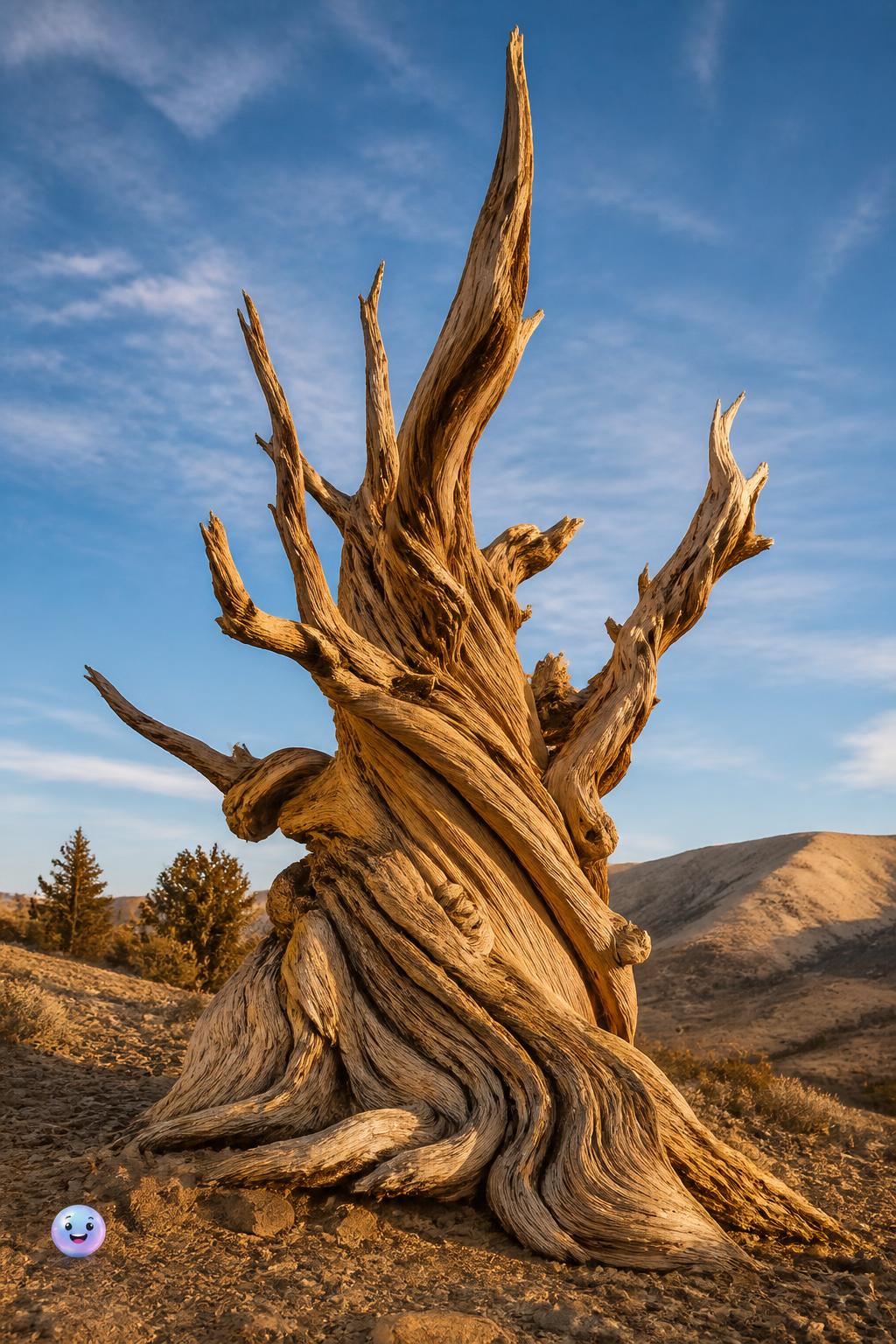
schopenhauer The twisted, weathered trunk of the Methuselah pine stands in California's White Mountains.
Where was the world's toughest microbe, Deinococcus radiodurans, first discovered in 1956?
How does the tiny lesser water boatman insect produce its record-breaking 99-decibel sound?
If a human could run as fast as the Californian mite relative to body size, what speed would they reach?
Why is the exact location of the ancient tree Methuselah kept strictly secret by forest rangers?
What big cat is famous for speed but only moves at a measly 16 body lengths per second?
What is the name of the sound-making method where an insect rubs two body parts together?
How does the tough microbe Deinococcus radiodurans survive extreme radiation that would kill humans?
In what year did the ancient bristlecone pine tree named Methuselah approximately sprout?