
Morning light: synchronizing your master clock
Tactical hydration: the fluid-energy connection
Power naps: the NASA-approved midday reset
Movement snacks: powering up without a workout
Strategic eating: flattening the glucose roller coaster
Forest bathing: plugging into nature's battery
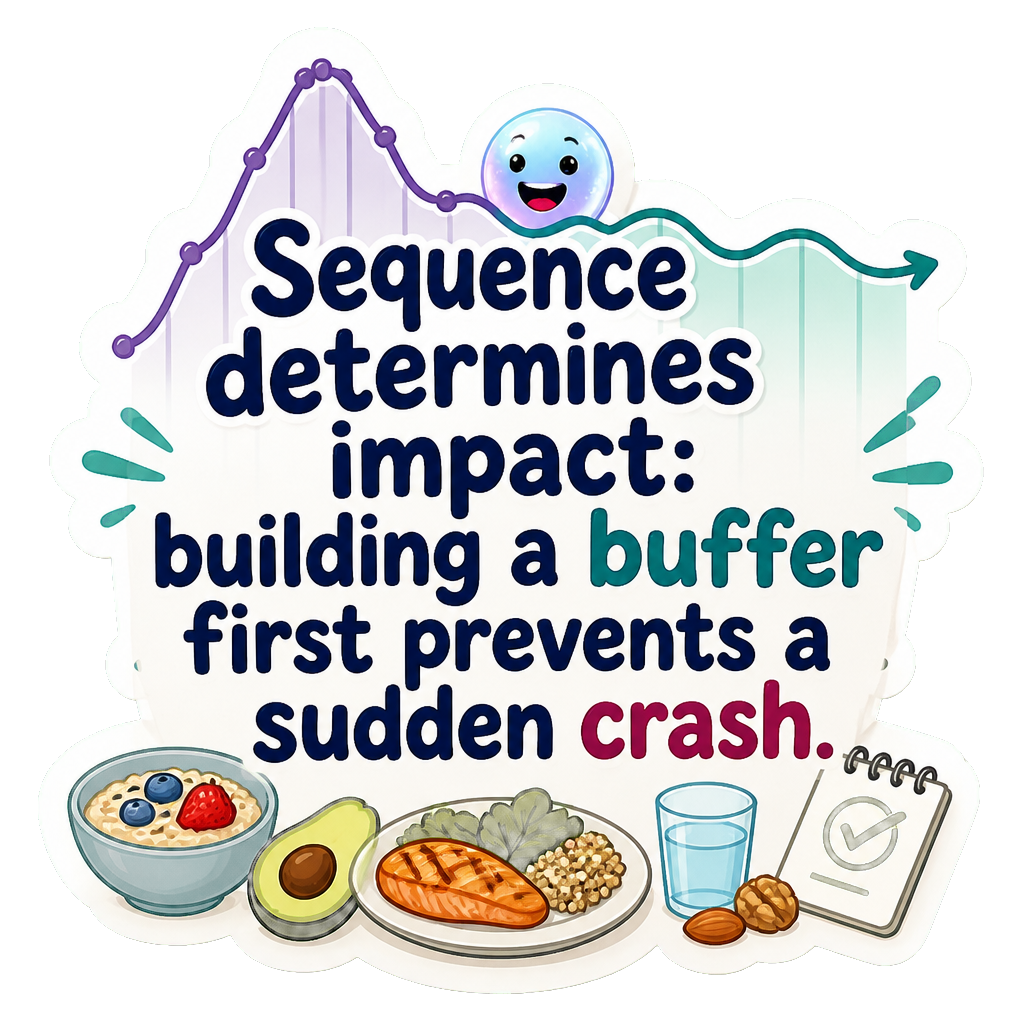
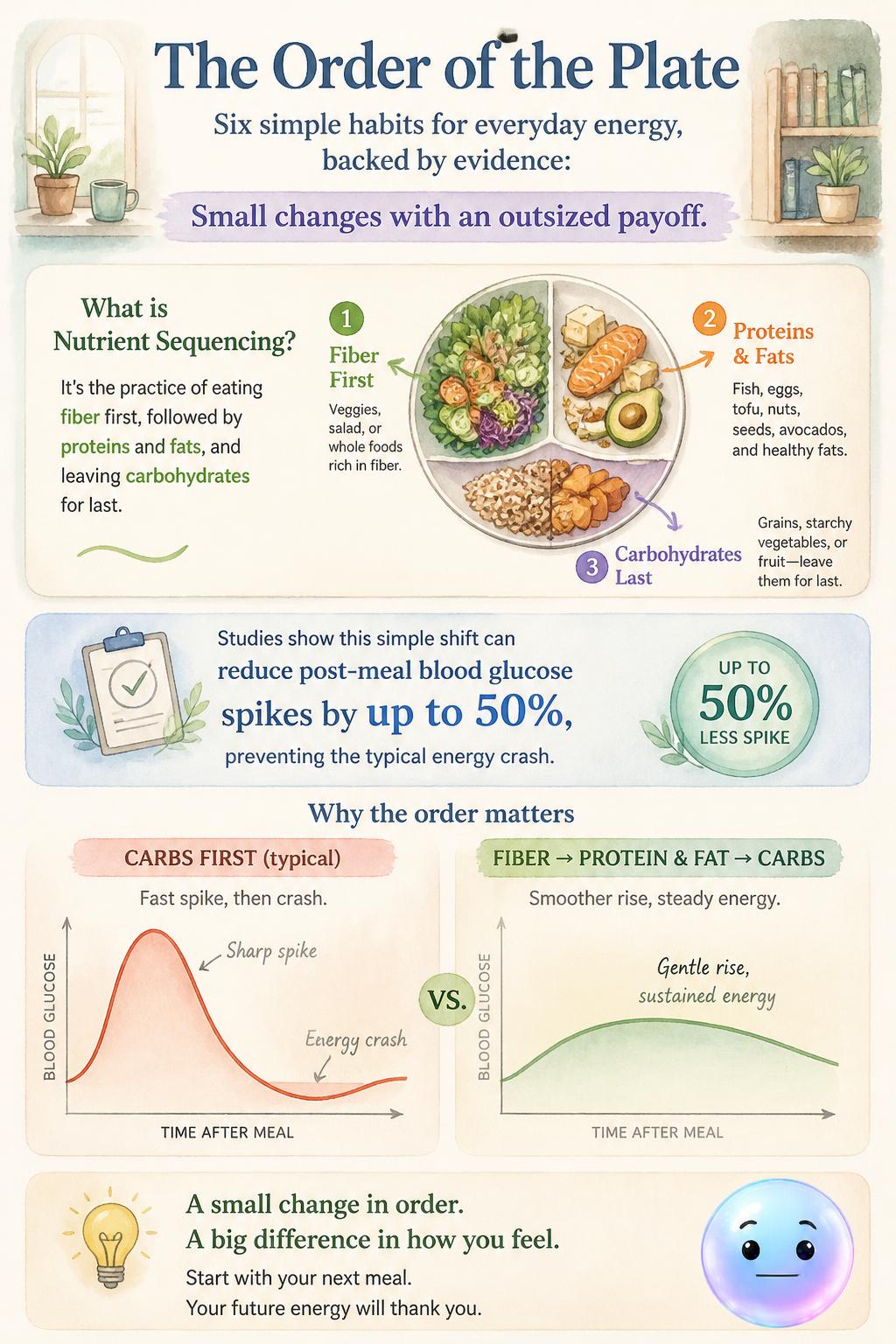
thabo Nutrient sequencing prioritizes eating fiber first, proteins and fats next, and carbohydrates last to prevent a post-meal energy crash.
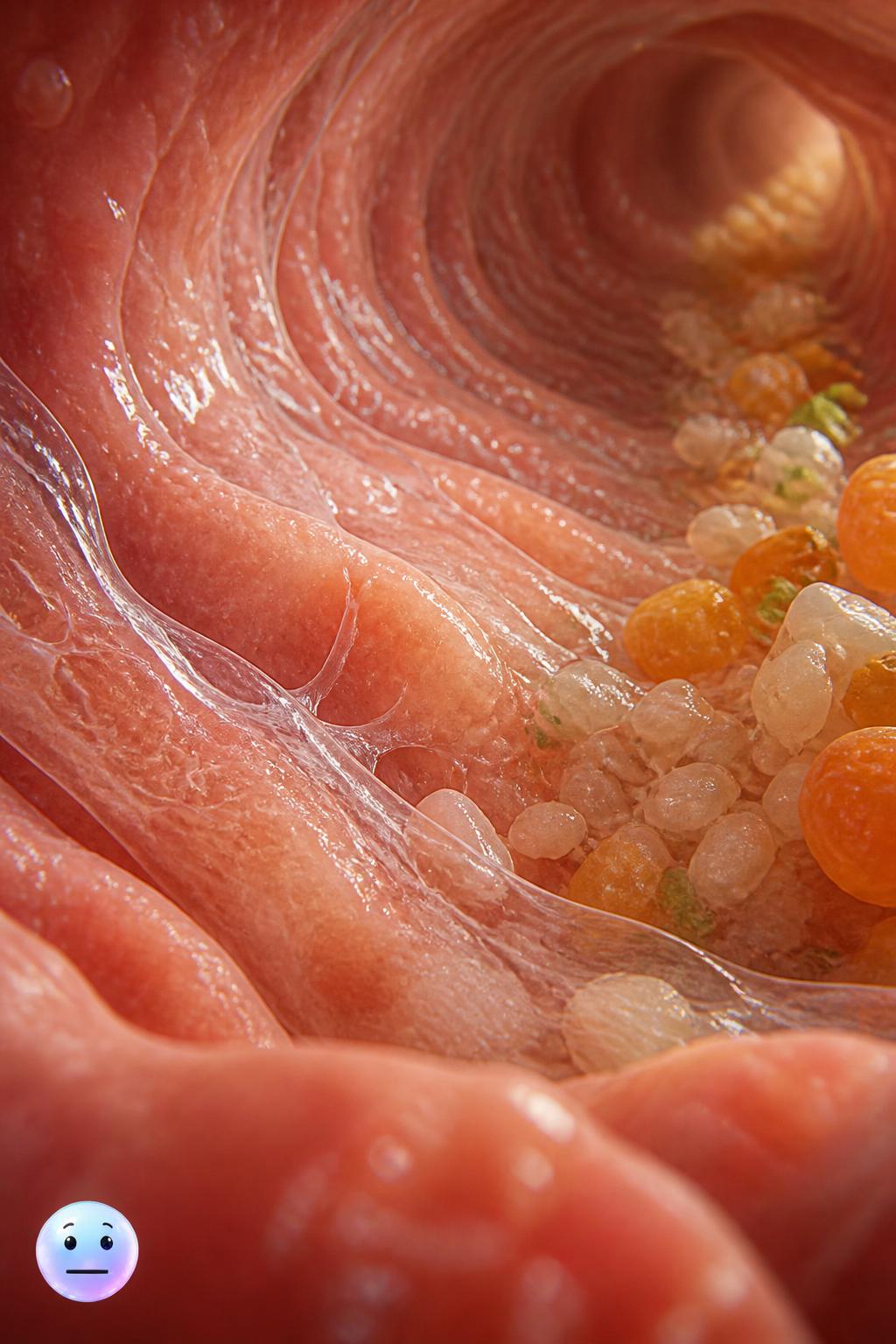
thabo An intestinal fiber barrier prevents energy crashes by regulating how you process carbs.

thabo Steer your glider along the curve to discover how stable blood sugar prevents energy crashes.
Plate sequencing: Eating your vegetables and proteins before your carbs can cut your post-meal blood sugar spike in half, completely skipping the afternoon food coma.
A simple sugar that is an important energy source in living organisms and is a component of many carbohydrates. Eating proteins and vegetables before carbohydrates helps prevent rapid spikes in blood glucose during a meal.
According to nutrient sequencing studies, which food group should be eaten first to minimize blood sugar spikes?
Eating carbohydrates last during a meal can reduce post-meal blood glucose spikes by up to what percentage?
In what organ of the digestive system does fiber form a gel-like mesh that slows down glucose absorption?
How does the fiber mesh barrier affect the rate at which carbohydrates are absorbed into the bloodstream?
What is the scientific term for the rate at which the stomach empties its contents into the small intestine?
Which hormone, triggered by eating protein and fat, helps slow down digestion and regulate appetite?
What is the medical term for the sudden drop in blood sugar that occurs after a large insulin spike, causing fatigue?