The world on the move
Words, worlds, and pages
Soundwaves and screens
Sparks of progress
schopenhauer On April 8, 1911, the Dutch physicist cooled mercury to near absolute zero. Its electrical resistance completely vanished, a breakthrough that revolutionized modern physics.
What was the first international treaty signed in 1911 to address global wildlife conservation and save an endangered marine mammal?
What was the name of the world's first national park service, established by Canada in May 1911?
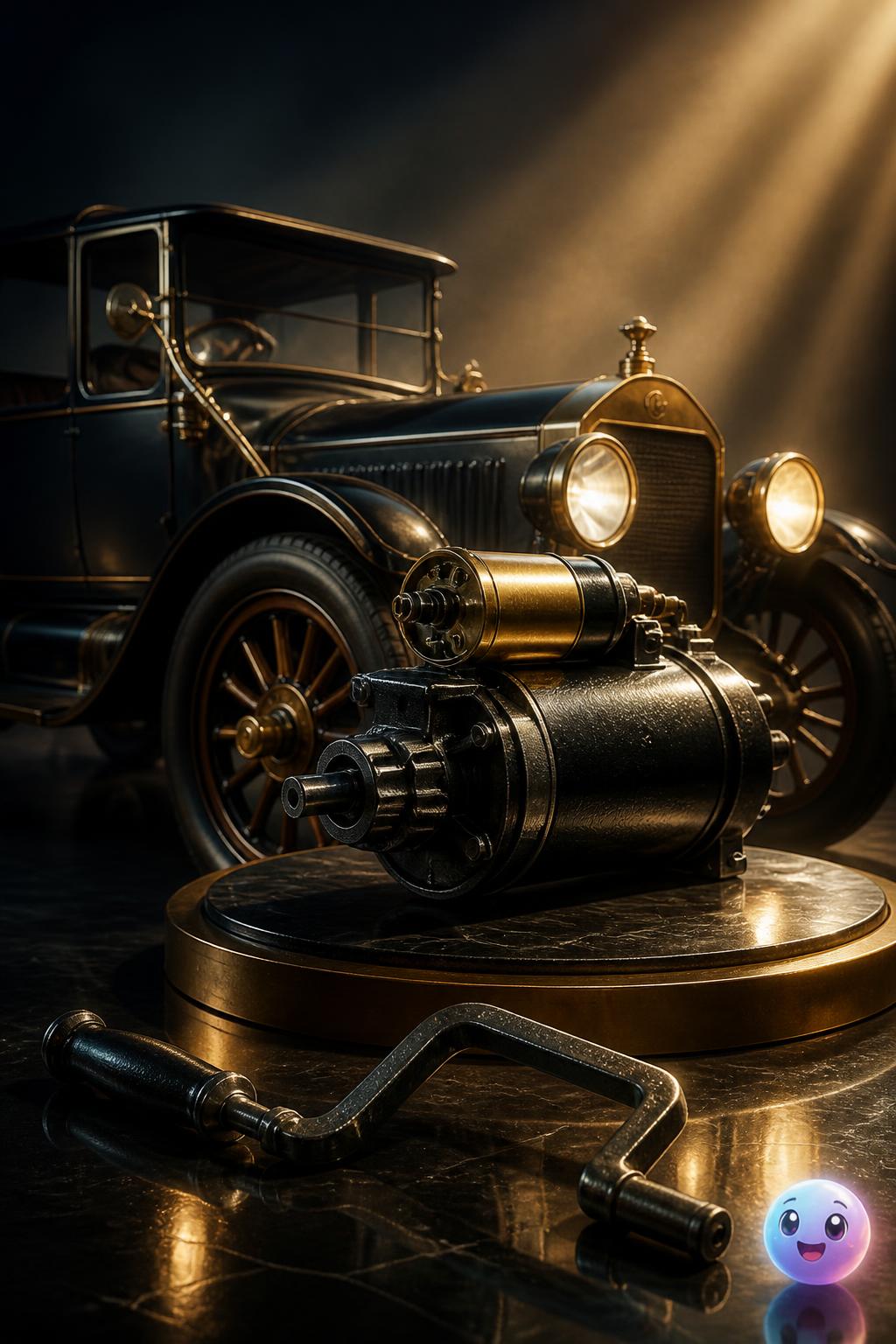
schopenhauer 1911 Electric Automobile Starter
Drop the crank, catch the spark, drive away!
schopenhauer Charles Kettering patented the electric starter motor on June 5, 1911. This invention eliminated bone-breaking hand cranks and allowed millions of new drivers to safely operate automobiles.
What fell from space and landed in Egypt in June 1911, providing scientists with the first physical clues of water on Mars?
Which Dutch physicist discovered the phenomenon of superconductivity on April 8, 1911?
Martian dog strike: The Nakhla meteorite, which landed in Egypt in 1911, supposedly vaporized a local dog, though no physical evidence of the pup was ever found.
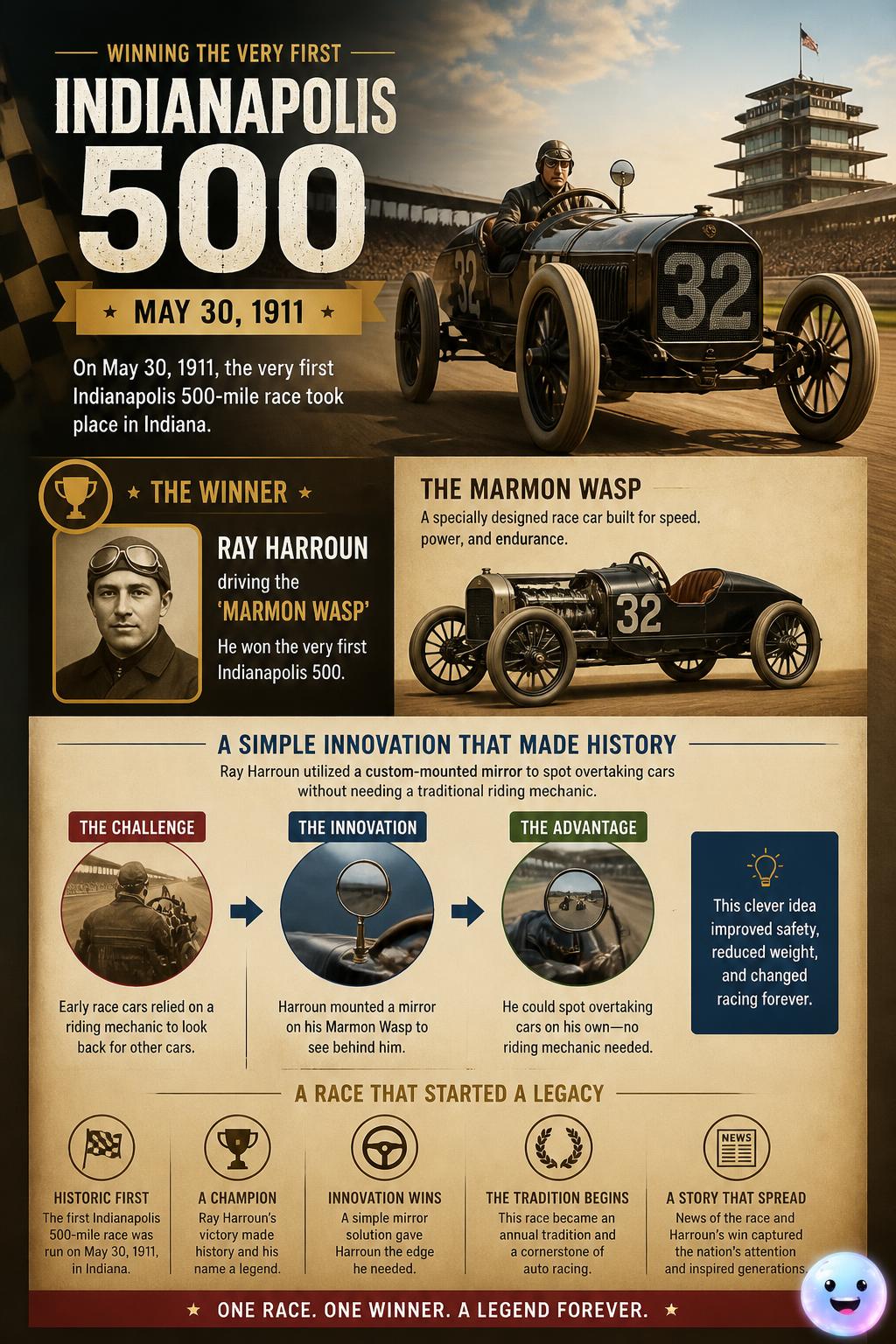
schopenhauer On May 30, 1911, Harroun drove the Marmon Wasp to victory in Indiana. He used a custom-mounted mirror to spot overtaking cars without a riding mechanic.
In 1911, Ernest Rutherford published his nuclear model of the atom. What did he prove exists at the very center of an atom?
An electric motor used to automatically start an internal combustion engine. In February 1911, Charles Kettering successfully demonstrated this revolutionary automotive device on a Cadillac.
schopenhauer In 1911, Ernest Rutherford shot particles at gold foil to map the atom. He proved atoms are mostly empty space surrounding a tiny, dense, positively charged nucleus.
What safety device did Charles Kettering patent in 1911 that eliminated the dangerous manual hand crank for starting cars?
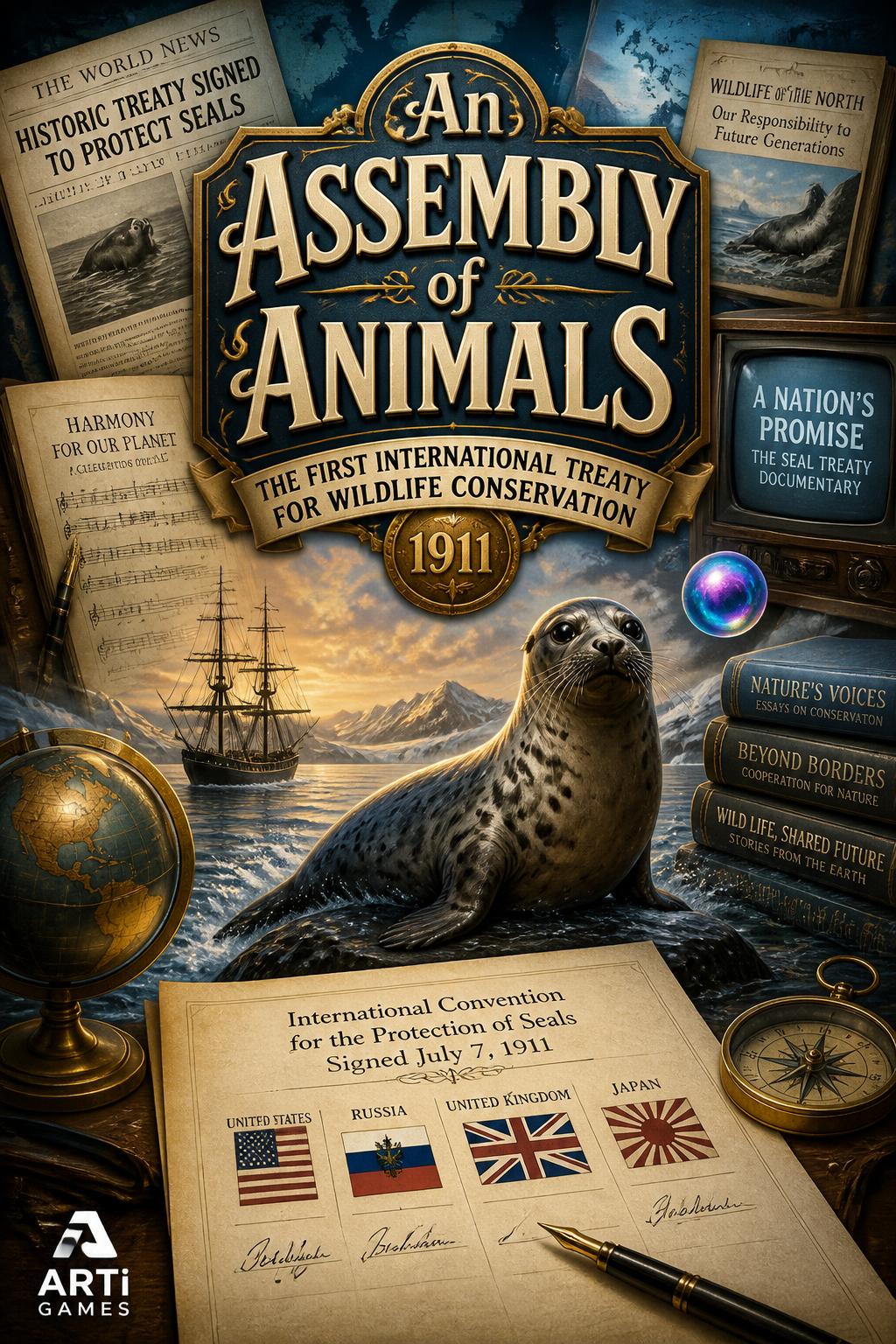
schopenhauer Drag animals into their correct groups to discover the quirky collective nouns of literature.
What simple, everyday automotive feature did Ray Harroun introduce to racing during the 1911 Indianapolis 500?