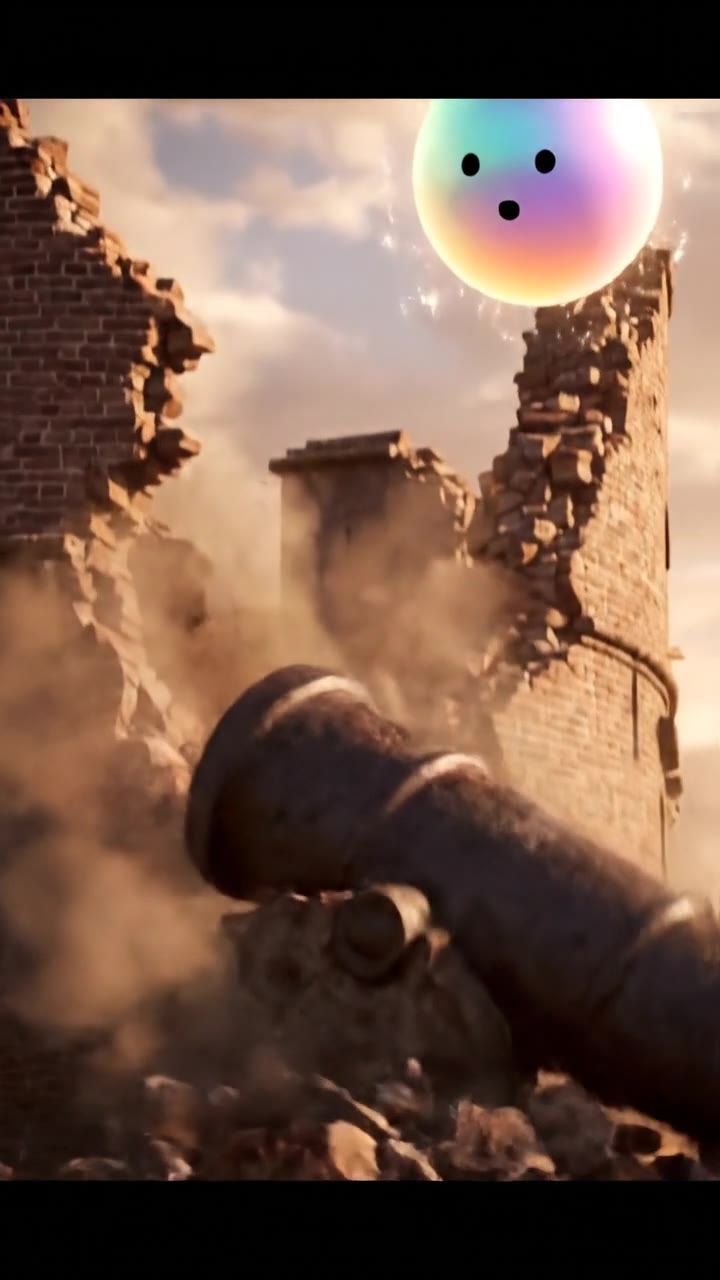
The egg that was actually a cannon
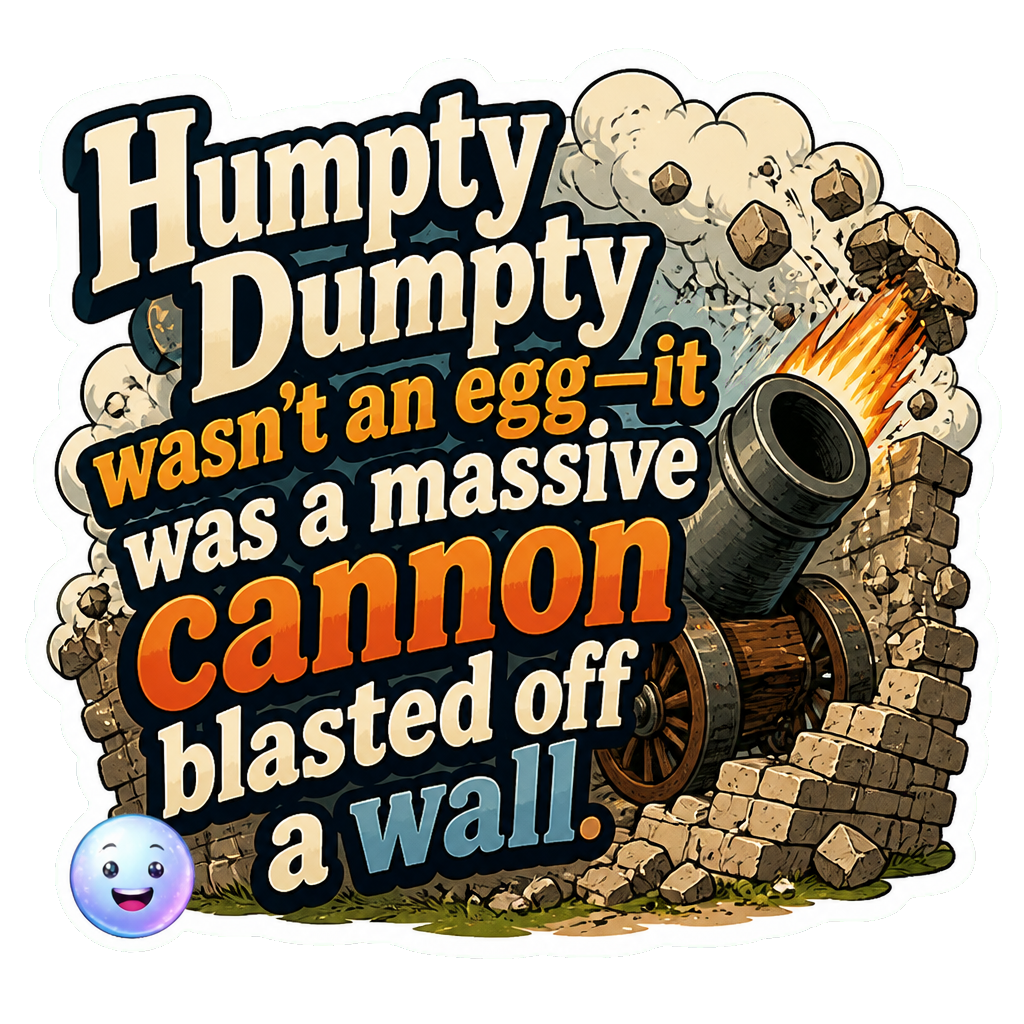
During the 1648 Siege of Colchester, Royalists placed a massive cannon nicknamed 'Humpty Dumpty' on the town wall. Parliamentary forces blasted the wall, causing the weapon to crash down. Because of its immense weight, the King's soldiers could not rebuild or lift it back up.
Secret histories of English rhymes
Global melodies and historical echoes
The brain science of baby beats
Nursery rhymes in modern media
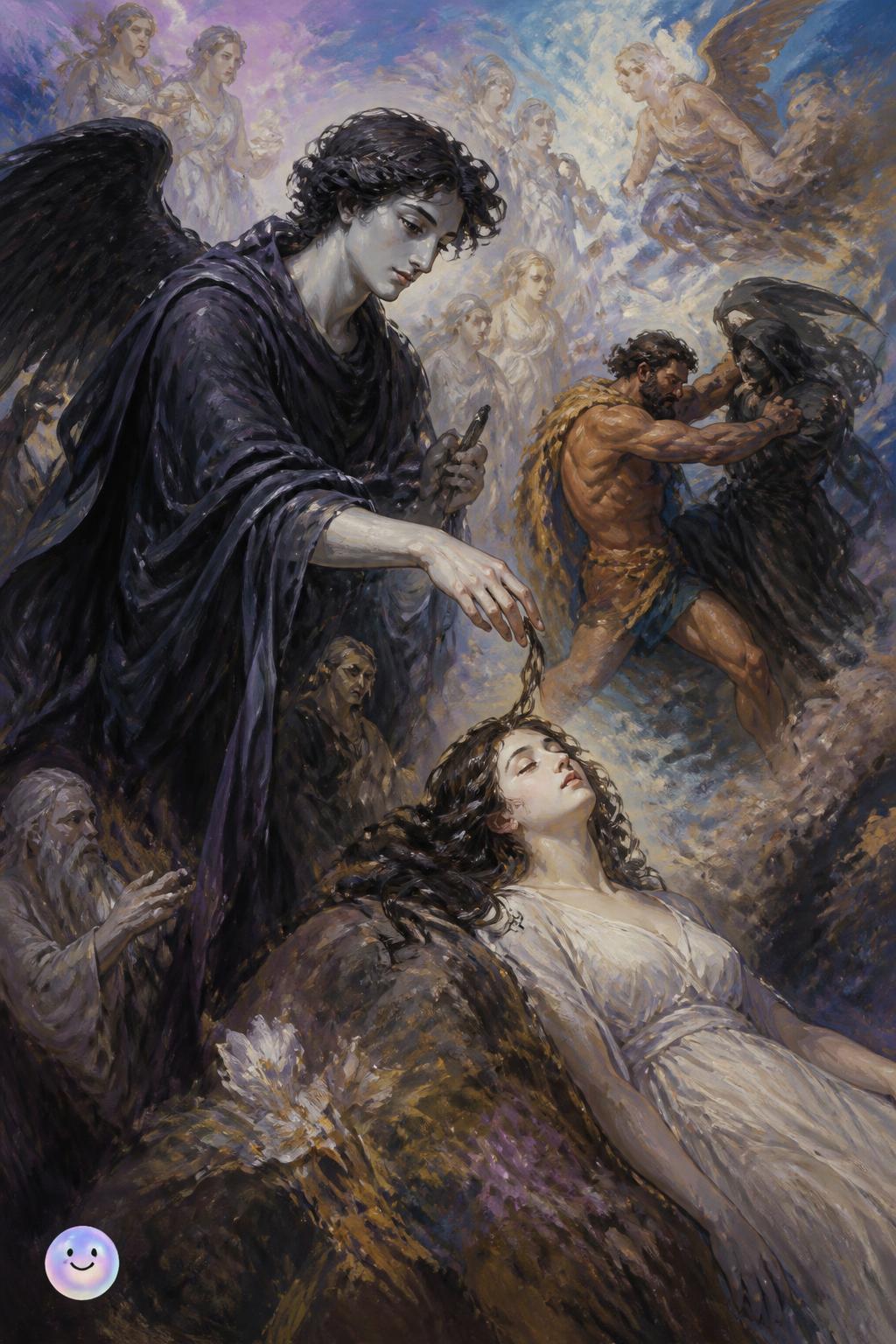
schopenhauer Queen Mary I executed hundreds of Protestants to restore Catholicism in England. This history reveals how silver bells and cockle shells actually refer to Tudor-era torture instruments.
schopenhauer Historical records from 1881 show the famous song originally ended with a playful curtsy. The deadly plague connection only emerged as a viral rumor in the mid-twentieth century.
schopenhauer During the 1648 Siege of Colchester, Parliamentary forces blasted a massive Royalist cannon off the town wall. The heavy weapon fell and soldiers could never lift it back up.
schopenhauer Nursery Rhyme Secret Histories
Lost her pocket! (Lost her pocket!) Kitty found the ribbon but the money was gone!
schopenhauer Decode pop culture trivia and nursery rhymes to discover the surprising history behind them.
schopenhauer In 1014, King Olaf Haraldsson pulled down London Bridge to help King Æthelred fight Danish occupiers. Norse poetry celebrating this victory inspired the famous nursery rhyme.
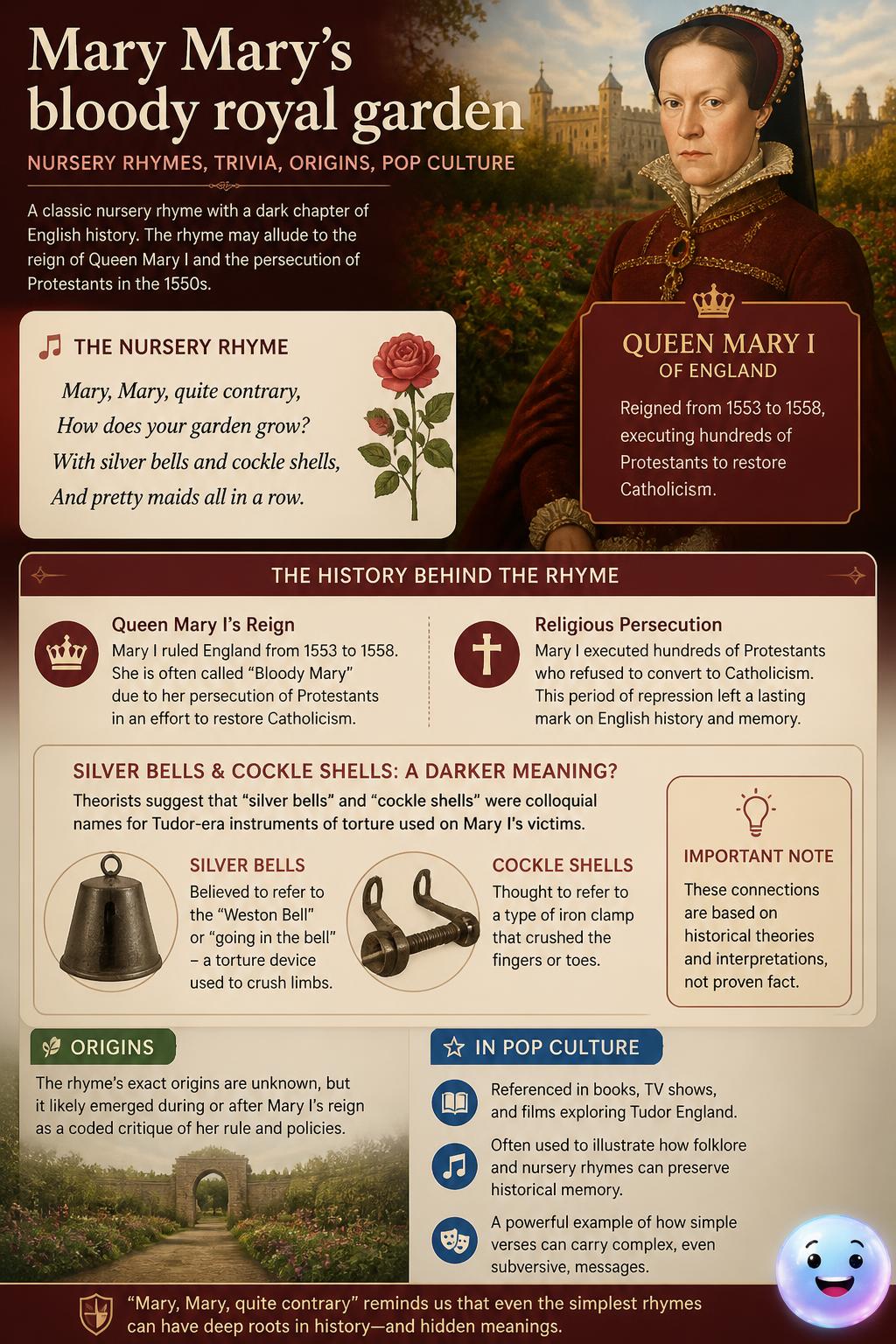
schopenhauer Illustrated garden flowers represent Tudor torture instruments used during Queen Mary I's reign
Humpty Dumpty's form: The famous rhyme never actually mentions that Humpty Dumpty is an egg, a detail popularized later by Lewis Carroll's illustrations.
schopenhauer A child curtsies under dramatic studio lights on a bold magazine cover.
A short, traditional song or poem written for young children. Many scholars trace their origins to historical events like the Great Plague of 1665.
According to Viking saga theories, which king destroyed London Bridge in 1014?
What is the name of the dark historical practice of burying someone in a building's foundation for stability?
Why do folklorists reject the theory that 'Ring Around the Rosie' is about the Black Death?
Which English monarch is most commonly linked to the dark theories of 'Mary, Mary, Quite Contrary'?
What popular character was first depicted as an egg in Lewis Carroll's 1871 book?
Which 1648 battle is famously linked to the legend of Humpty Dumpty being a massive cannon?
What are the 'silver bells' in the dark Mary Mary theory believed by some to represent?