Ancient roots and folklore fiends
Shakespearean schemers and classic masterminds
Gothic monsters and the darkness within
Modern tyrants and dystopian overlords
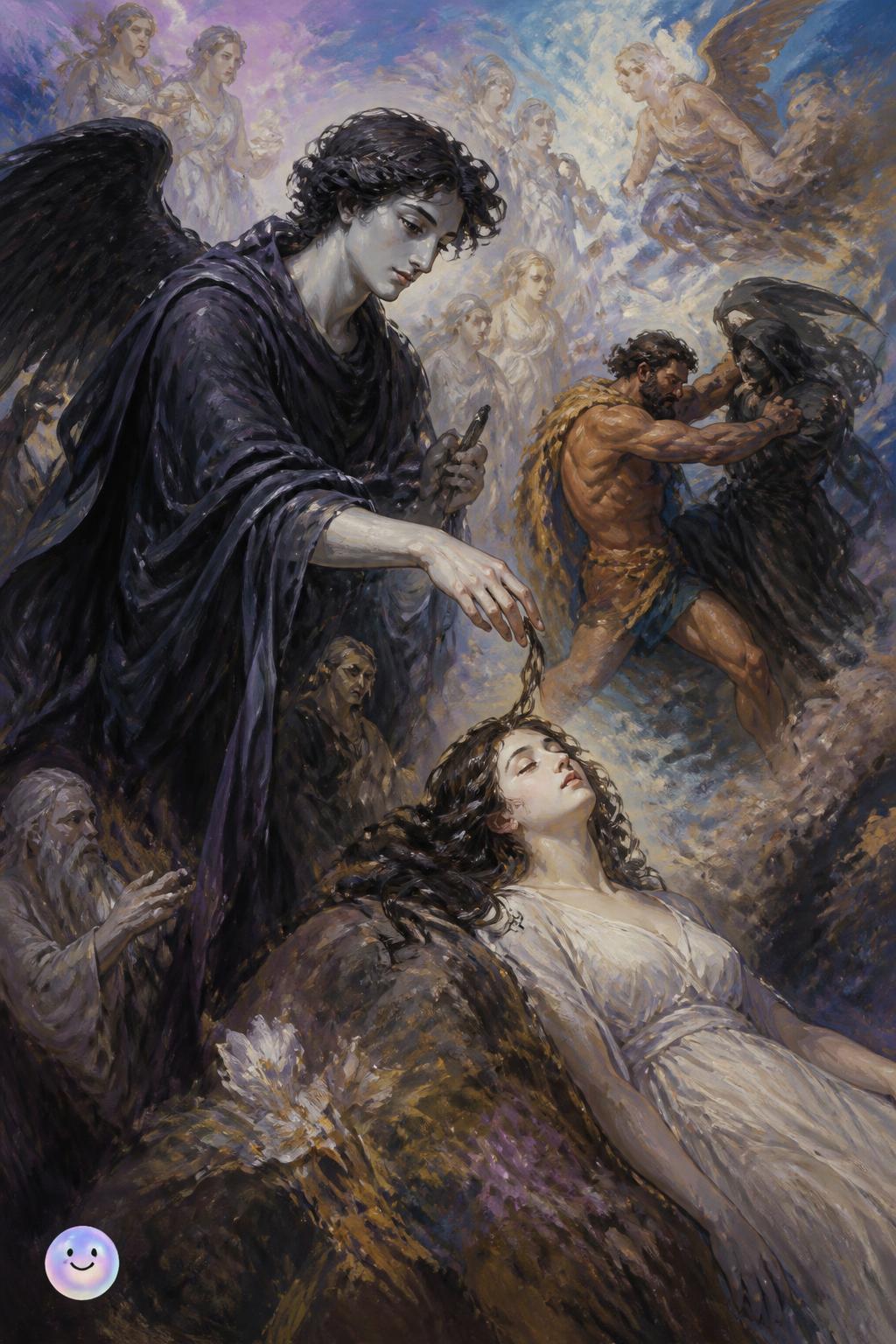
schopenhauer Grendel terrorizes the Danish mead-hall Heorot in the epic poem Beowulf
How many heads is the demon king Ravana traditionally depicted with in the Ramayana?
In the ancient Sanskrit epic Ramayana, which island kingdom does the ten-headed demon king Ravana rule?
schopenhauer Match classic and modern villains to discover how literary fiends have evolved over time.

schopenhauer Ravana is a brilliant scholar and multi-headed king whose tragic flaws lead to an epic battle in the ancient Sanskrit Ramayana.
In Journey to the West, why does the White Bone Demon target the monk Tang Sanzang?
In the Epic of Gilgamesh, which sacred location does the giant monster Humbaba guard?
schopenhauer Ancient Folklore Fiends
That scary walking cabin spinning on its chicken feet Was just a Sámi storehouse built to save the winter meat!
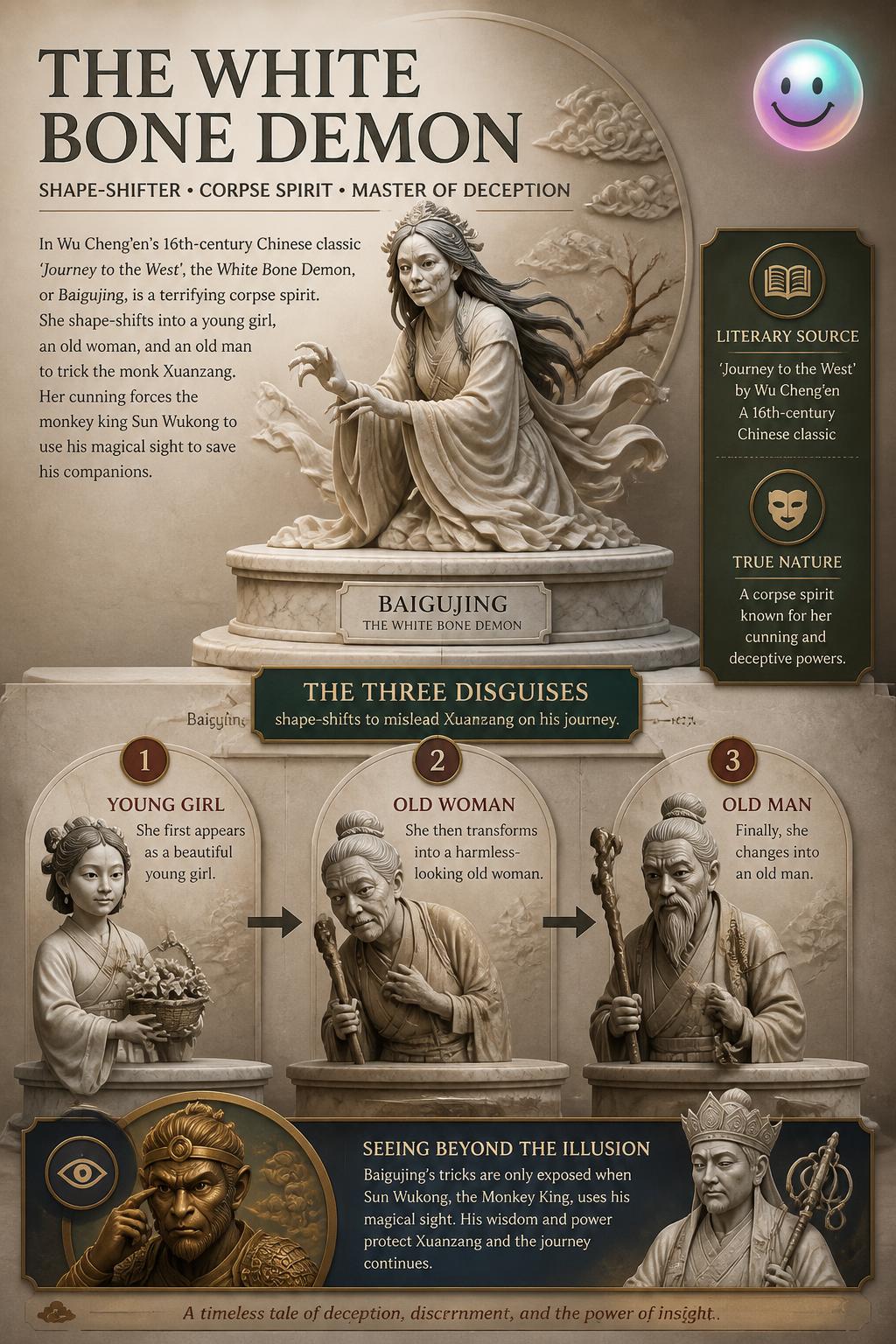
schopenhauer The White Bone Demon uses cunning illusions and shape-shifting to terrorize travelers in the Chinese classic Journey to the West.
Which Mesopotamian god sends thirteen powerful winds to help Gilgamesh defeat Humbaba?
In the 16th-century Chinese classic Journey to the West, what is the true form of the shape-shifting Baigujing?
Ancient villain origins: The Epic of Gilgamesh, featuring the monster Humbaba, was written on clay tablets over 1,000 years before the founding of Rome.
In the Old English epic Beowulf, Grendel is described as a descendant of which biblical figure?
An imaginary creature that is typically large, ugly, and frightening. The Old English epic Beowulf featured Grendel, one of the earliest mythical antagonists in literature.