The rise of eco-anxiety and the plastic guilt trip
The brain chemistry of the zero-waste aesthetic
Global responses and the illusion of individual action
Beyond the bottle: Designing a plastic-free future
YOUR GOAL
Master of The mind of a plastic detoxer
007skaty Zero-waste influencers use specific design styles to attract social media followers.
007skaty Digital Minimalism and Zero Waste
Clear out the dark data to help the hot servers cool down
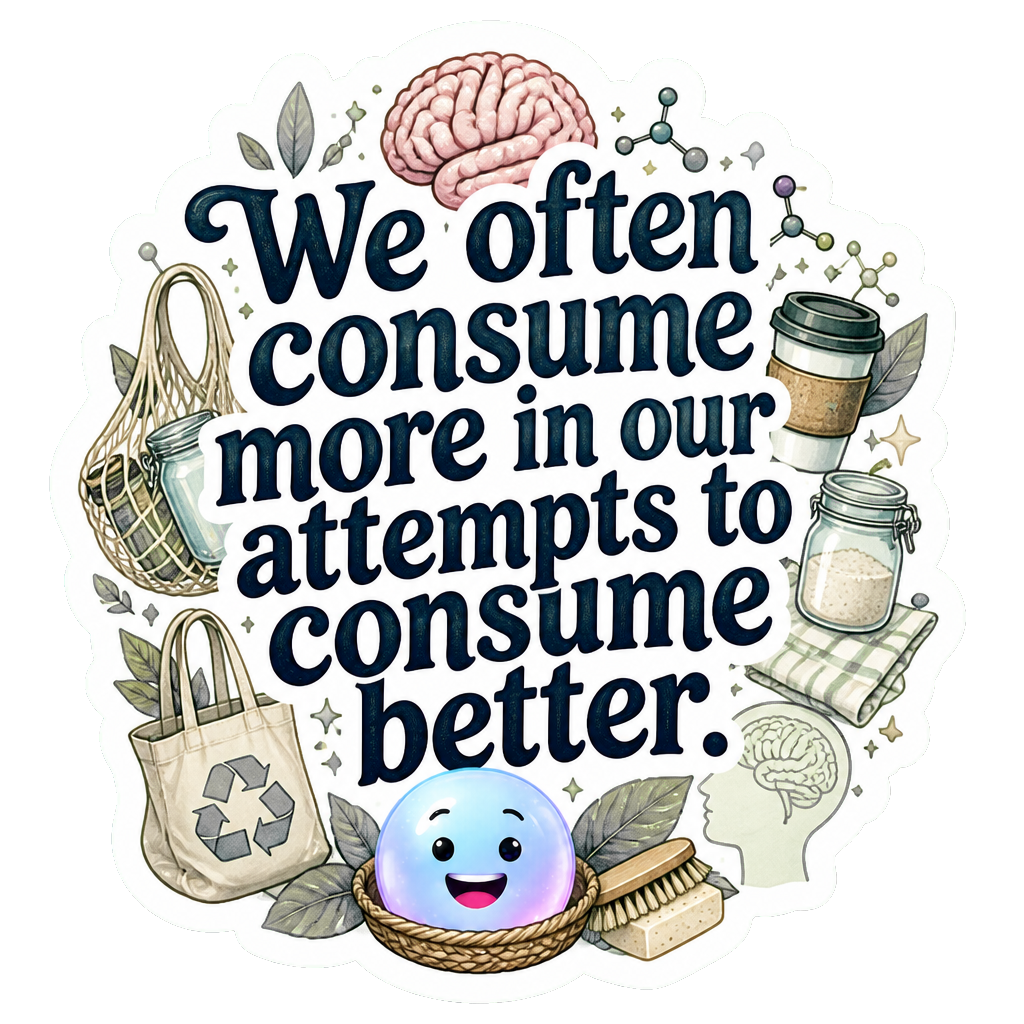
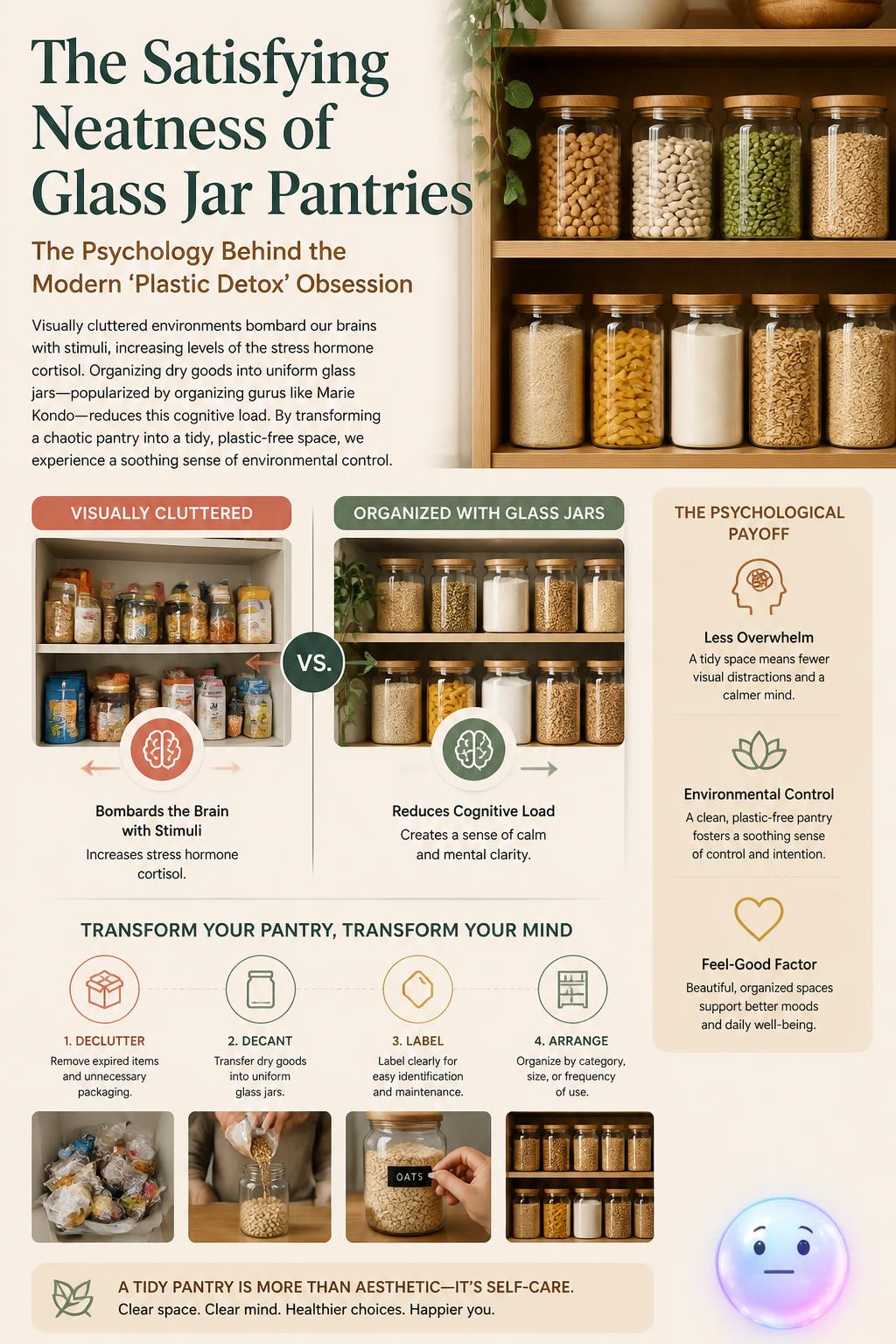
007skaty Chaotic plastic packaging bombards the brain with stimuli, while uniform glass containers restore a soothing sense of environmental control.
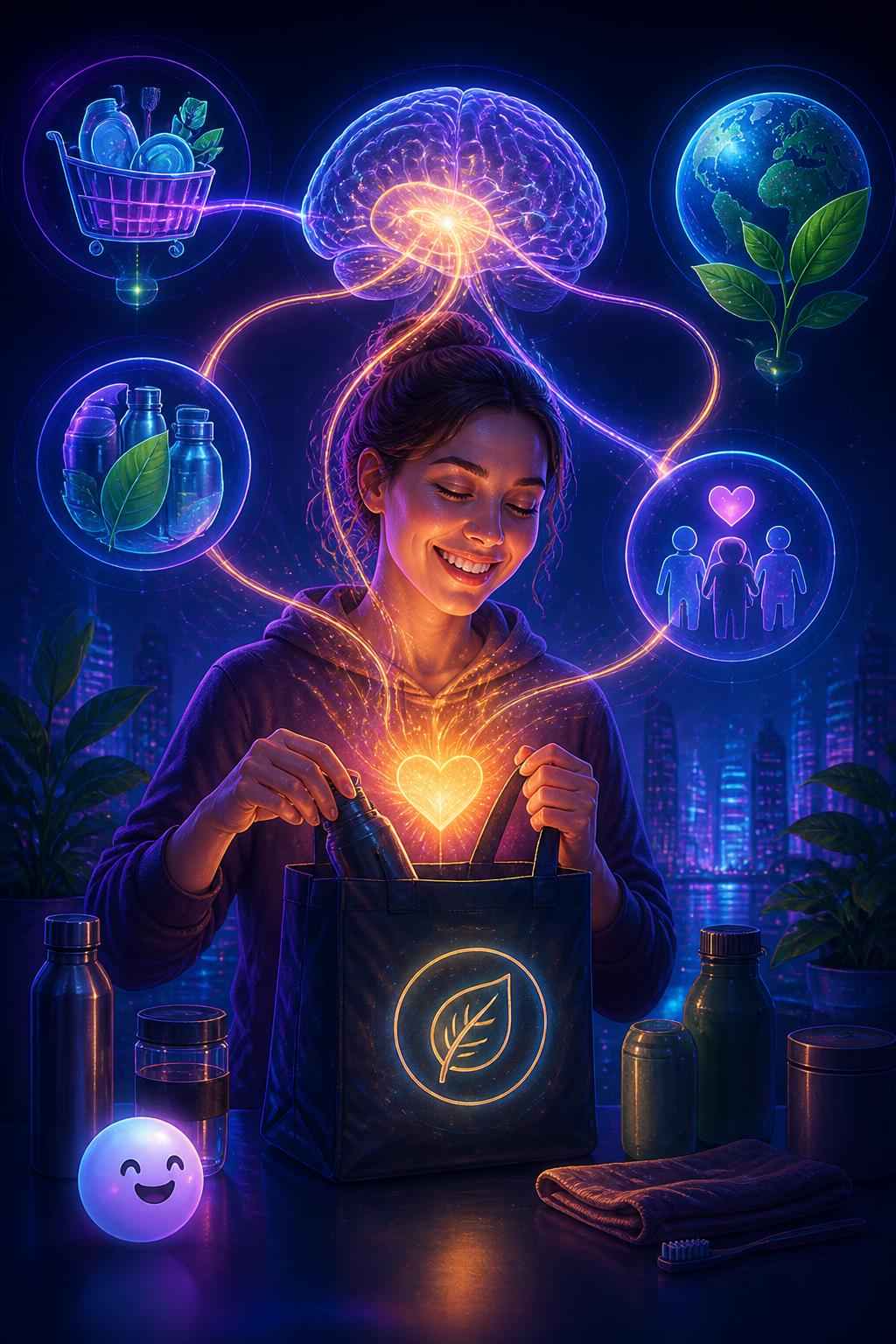
007skaty The warm glow effect drives the modern obsession with buying plastic-free gadgets
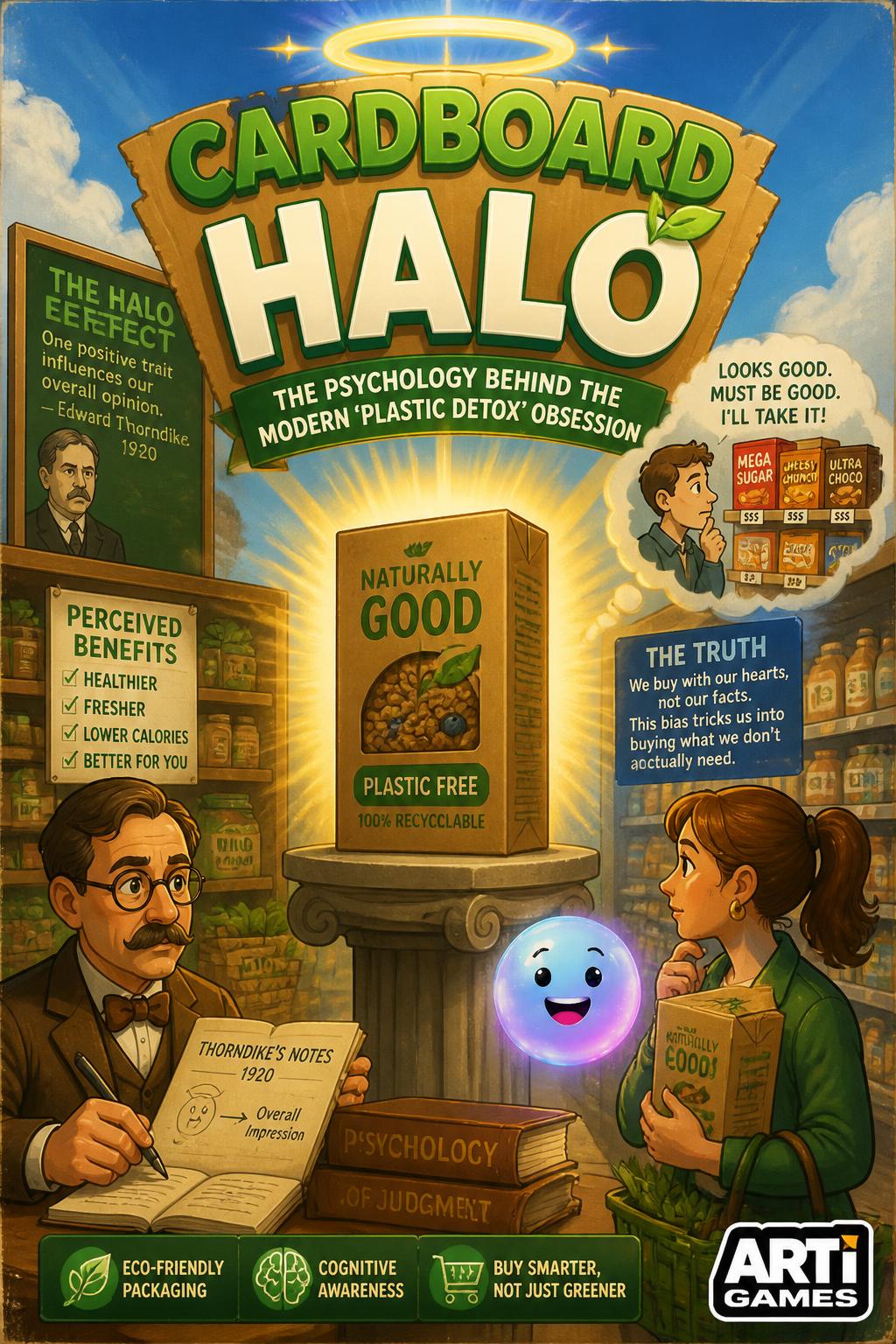
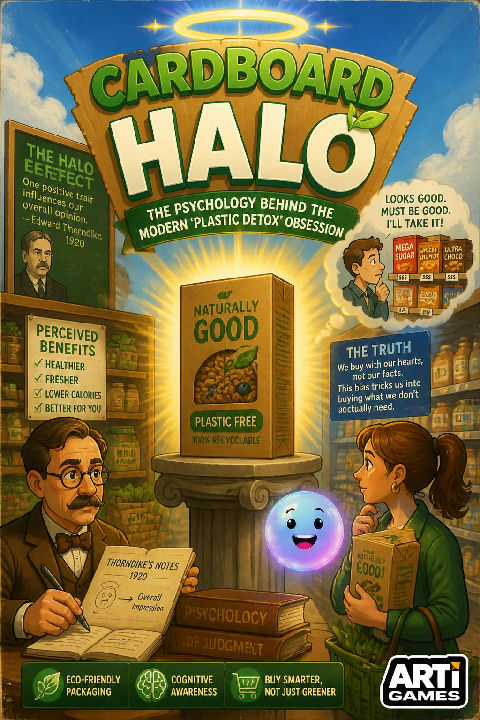
007skaty Place a cardboard halo on plastic items to discover how green packaging tricks our brains.
Aesthetic trap: Studies show that shoppers are willing to pay up to 25% more for products packaged in glass or paper simply due to the premium feel.
A neurotransmitter in the brain that plays a major role in regulating motivation, pleasure, and reward. A 2026 study revealed that organizing glass jars triggers this chemical, reinforcing the modern plastic-free home trend.
Which hormone's levels can increase in our bodies when we are exposed to visually cluttered environments?
Why does decanting pantry items into matching glass jars feel psychologically soothing?
Which region of the brain is known as the "reward center" and is activated during a satisfying purchase?
What is the psychological term for the emotional reward and warm feeling people get from performing an altruistic act?
How does the "halo effect" influence our perception of food packaged in brown paper instead of plastic?
Why do humans evolutionarily prefer clean, natural aesthetics over cluttered, synthetic ones?