The birth of a pen name
Masterpieces and social commentary
The globe-trotting observer
The white suit, inventions, and late wit
schopenhauer Explore the history, trivia, and famous quotes behind Mark Twain's classic whitewashed fence trick in this educational video.
In which year was "Adventures of Huckleberry Finn" first published in the United States?
What is the main theme of Mark Twain's 1881 novel "The Prince and the Pauper"?

schopenhauer Sort Twain's classic works and quotes to discover the history behind his legendary wit.
schopenhauer Explore Mark Twain's Huckleberry Finn in this video. Discover the symbolism of the river, famous quotes, historical context, and literary trivia.
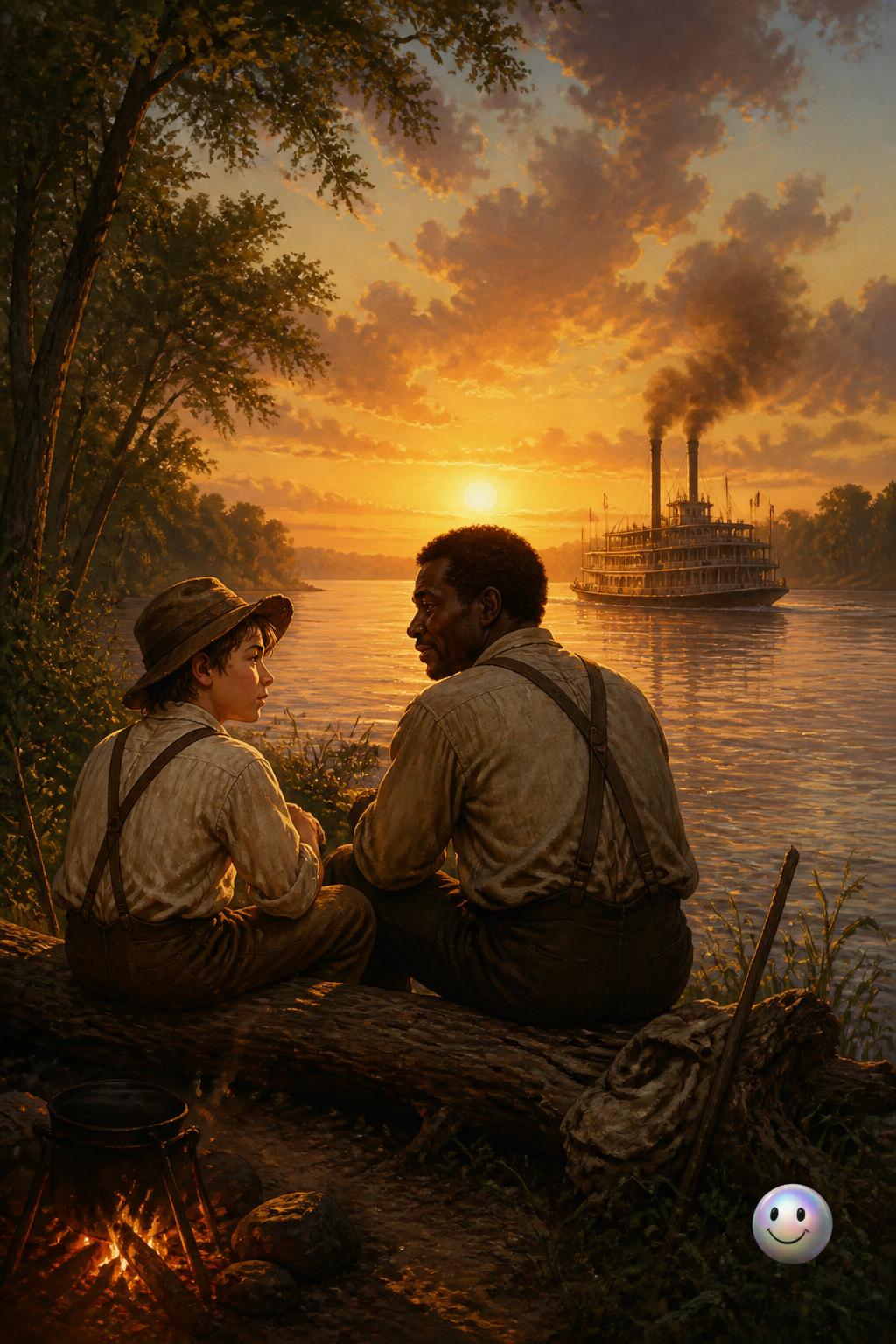
schopenhauer Twain's masterpiece used a raft journey to critique the deep moral failures of American society.
Who is the escaped enslaved man that Huck Finn travels with on the Mississippi River?
Which character swaps places with Prince Edward VI in "The Prince and the Pauper"?
schopenhauer Masterpieces and Social Commentary
A thin coat of gold on a corrupt machine, Twain wrote the book that named the Gilded Age!
schopenhauer Watch our video on Mark Twain's classic book. Discover famous quotes, trivia, and the history behind A Connecticut Yankee in King Arthur's Court.
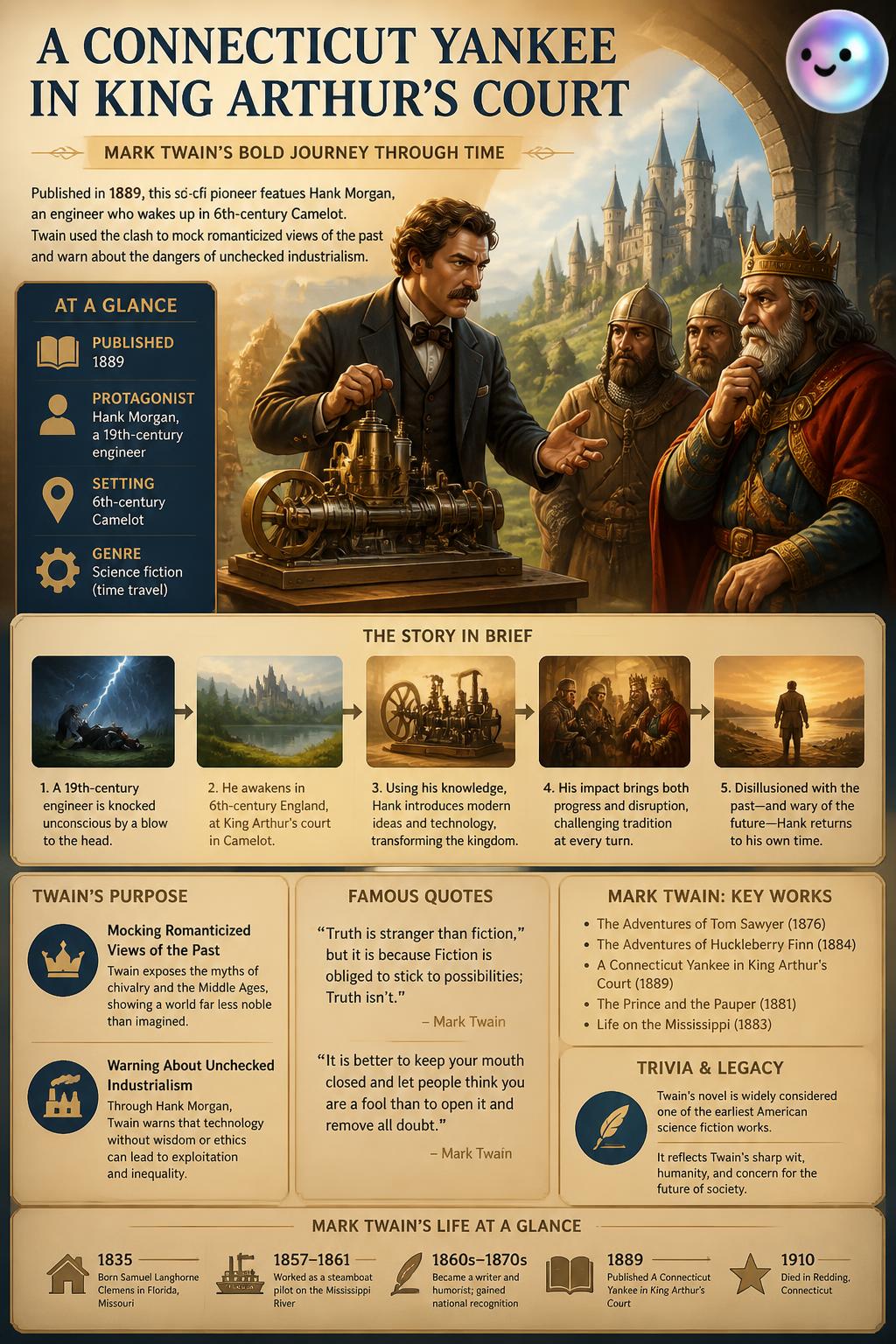
schopenhauer Twain combined time travel and satire to critique both medieval feudalism and modern technology.
Which historical period does the protagonist of "A Connecticut Yankee" travel back to?
Banned books: Adventures of Huckleberry Finn was banned by Concord Public Library in 1885, just a month after release, for being trashy.
schopenhauer Explore Mark Twain's classic The Prince and the Pauper. Watch this video to discover famous quotes, historical context, and fascinating trivia.
In "The Adventures of Tom Sawyer," what chore does Tom trick other children into doing for him?
Where did Tom Sawyer and Huckleberry Finn find a hidden chest of gold in their adventures?
The use of humor, irony, exaggeration, or ridicule to expose and criticize human vices or folly. Mark Twain utilized this technique in his 1884 novel Adventures of Huckleberry Finn to critique American racism.