
Chapter 1
The science of swicy
Chapter 2
Global roots of sweet and spicy
Chapter 3
The modern swicy explosion
Chapter 4
The next generation of flavors
YOUR GOAL
Master of The rise of swicy flavors
Ch 1 · The science of swicy

alicecooks The science of swicy
Capsaicin lights a fire on your TRPV1, But sugar coats your tongue until the sweetness has won.
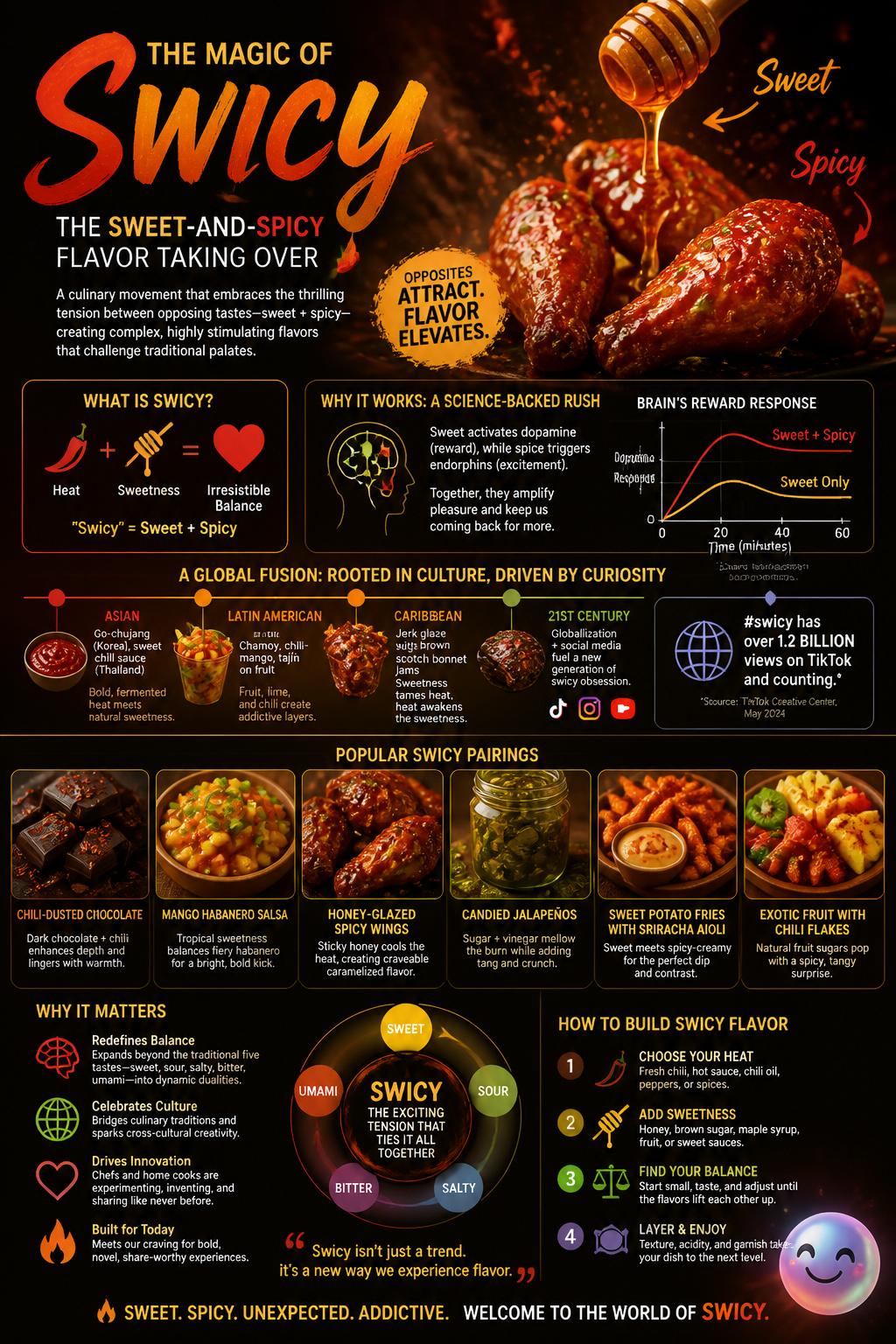
alicecooks Combining sweet and spicy creates a complex sensory experience greater than its parts.
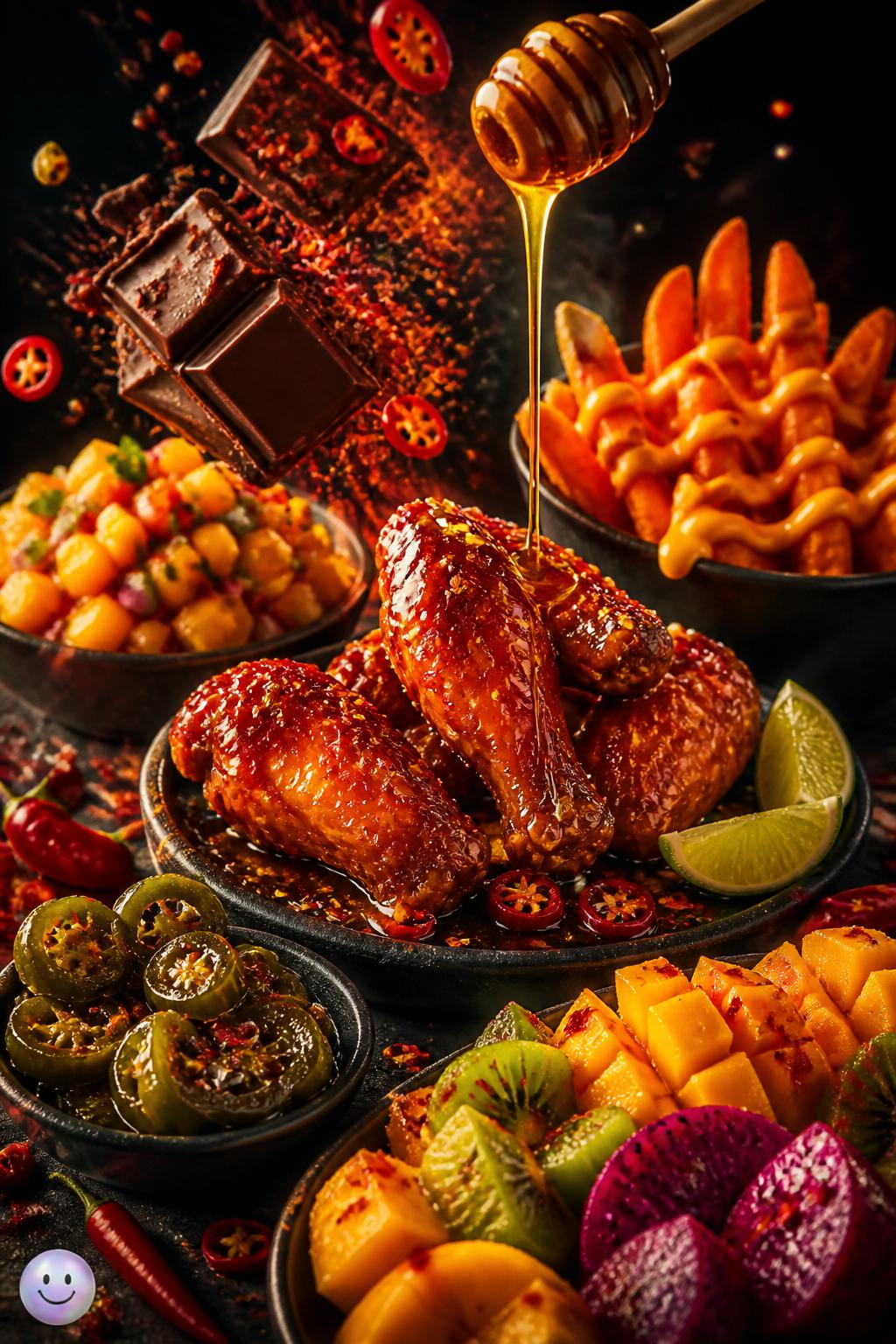
alicecooks Sweetness acts as a molecular distraction to quiet down the spicy pain signals.
BETA
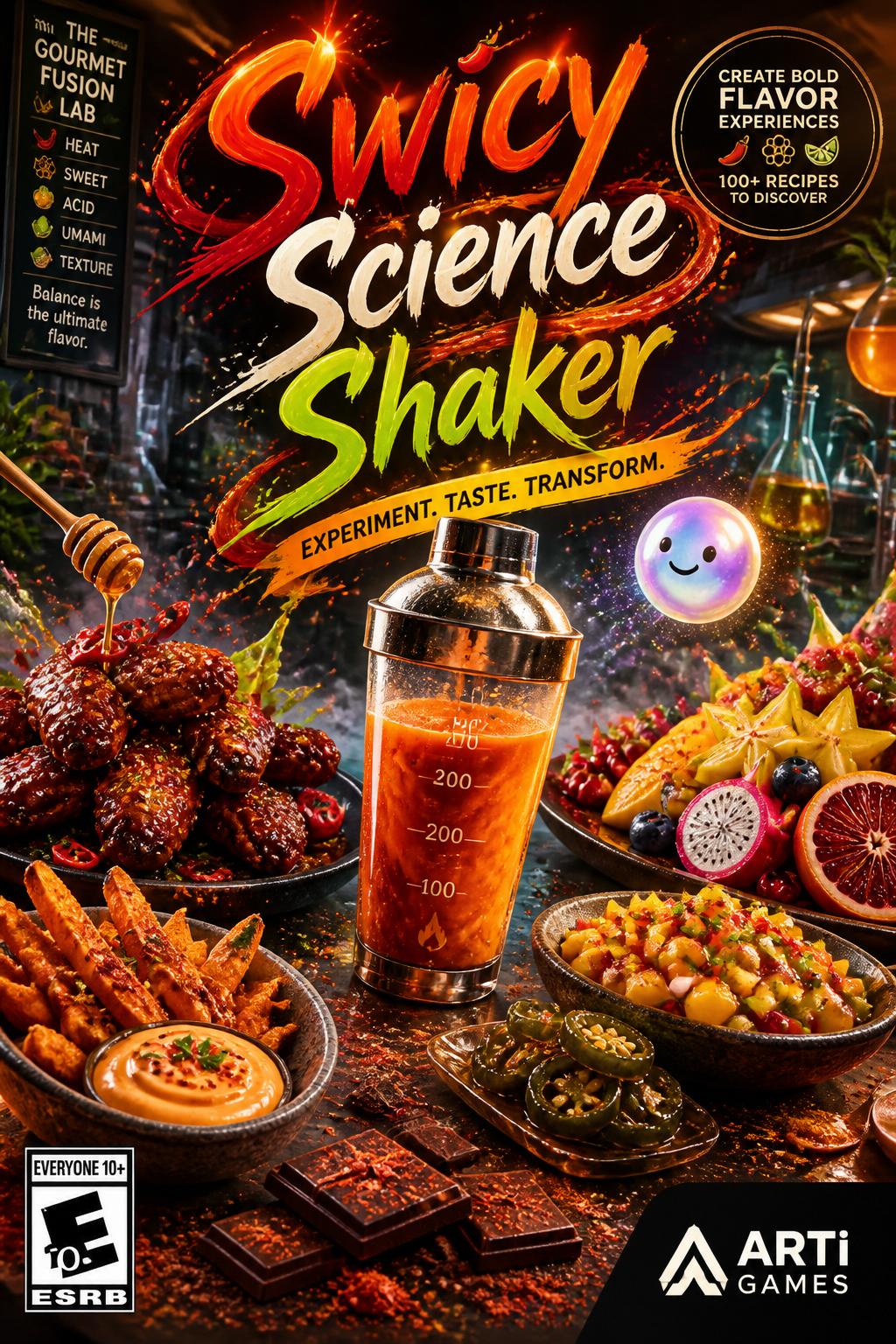
alicecooks Shake the ingredient bottles to discover how sugar chemically tames the heat of hot peppers.
Fun Fact
Heat receptors: Your tongue has receptors that detect spice, and they are the exact same ones that tell your brain when water is boiling hot!
Glossary
capsaicin (noun)
A chemical compound found in chili peppers that causes a burning sensation on the tongue. The molecule binds to human TRPV1 receptors, triggering an endorphin release that sugar helps to balance.
A chemical compound found in chili peppers that causes a burning sensation on the tongue. The molecule binds to human TRPV1 receptors, triggering an endorphin release that sugar helps to balance.
Quiz
Which receptor on the human tongue does capsaicin bind to, mimicking physical heat?
Quiz
What natural chemicals does the brain release in response to the pain of spicy food?
Quiz
At what physical temperature do TRPV1 receptors naturally activate without spice?