The birth of a scientific mystery
Deep lake denizens and watery wonders
Giants of the forest floor
Modern myths and biological misidentifications
Which famous American founding father inadvertently helped create the 'Jersey Devil' legend through political satire?
In which island nation did the legend of the goat-sucking 'chupacabra' originate in 1995?
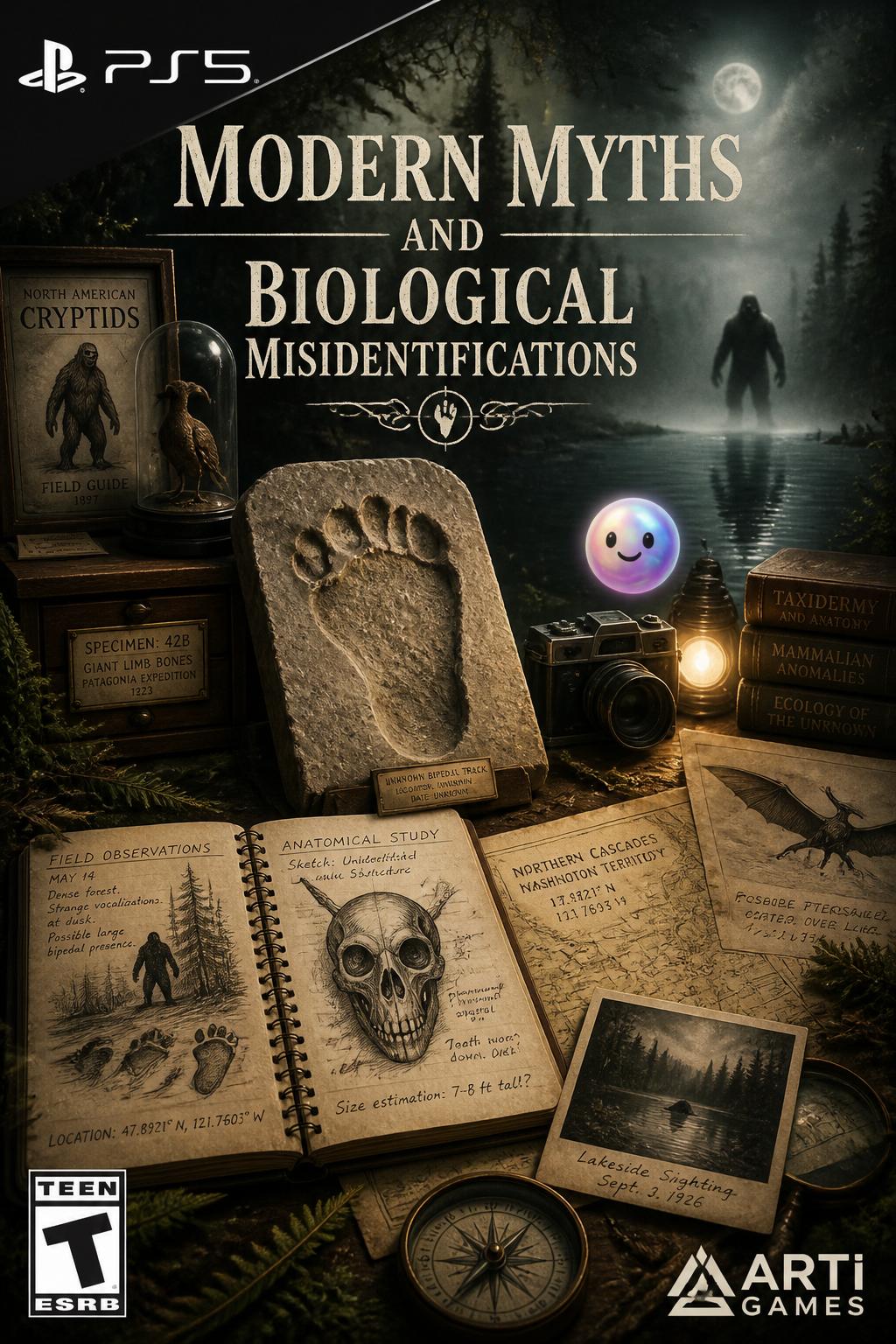
renaissanceman Drag real animals onto legendary beasts to discover how biological misidentifications create modern myths.
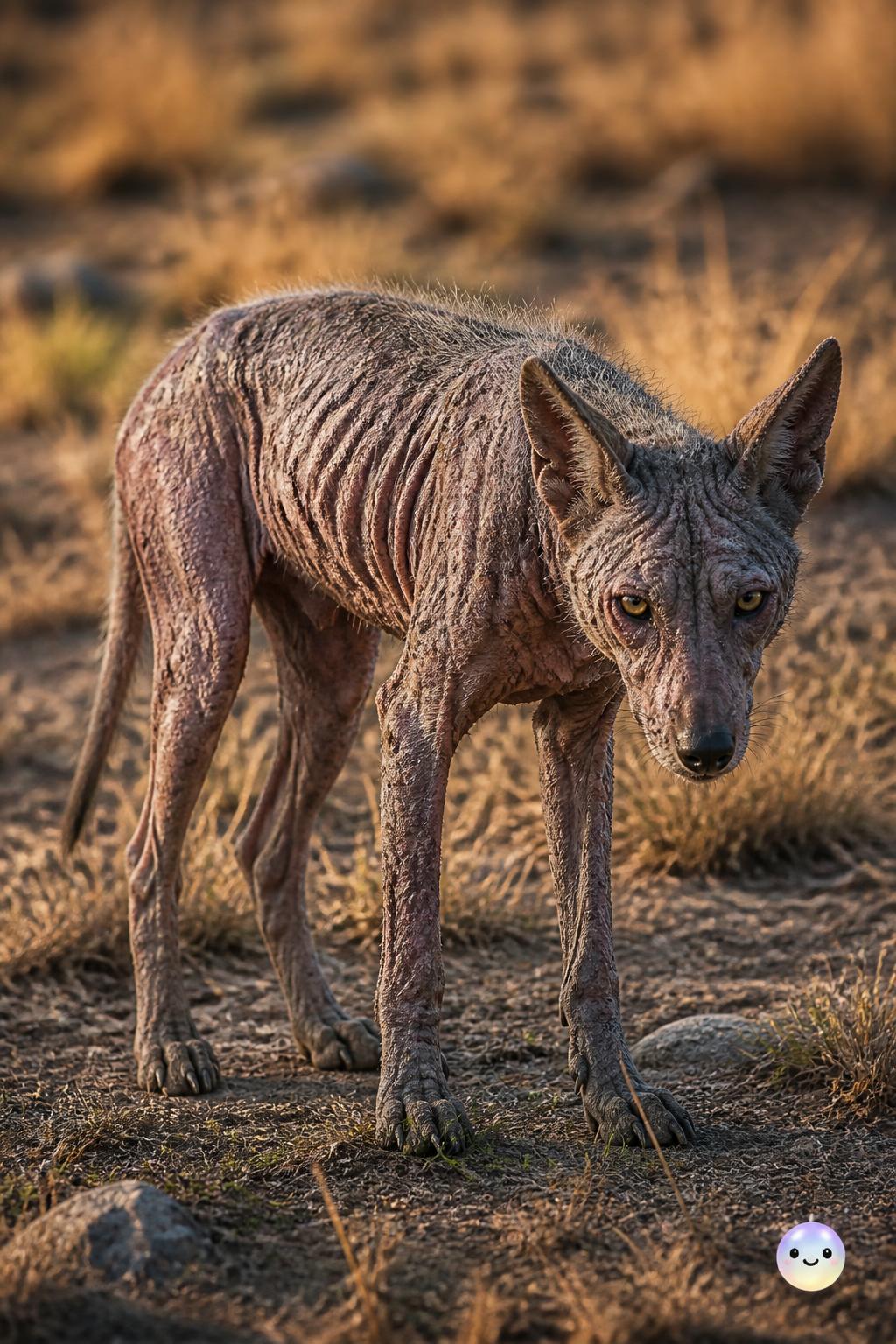
renaissanceman Severe mite infections transform familiar wild canines into hairless, blue-skinned, monstrous-looking beasts.
What is the name of the pine-covered wilderness in New Jersey where the Jersey Devil is said to live?
What movie, released in 1995, inspired the original eyewitness description of the Puerto Rican chupacabra?
renaissanceman Coelacanth Living Fossil Rediscovery
They thought it long extinct, A fossil from the past, But the coelacanth returned, alive at last!
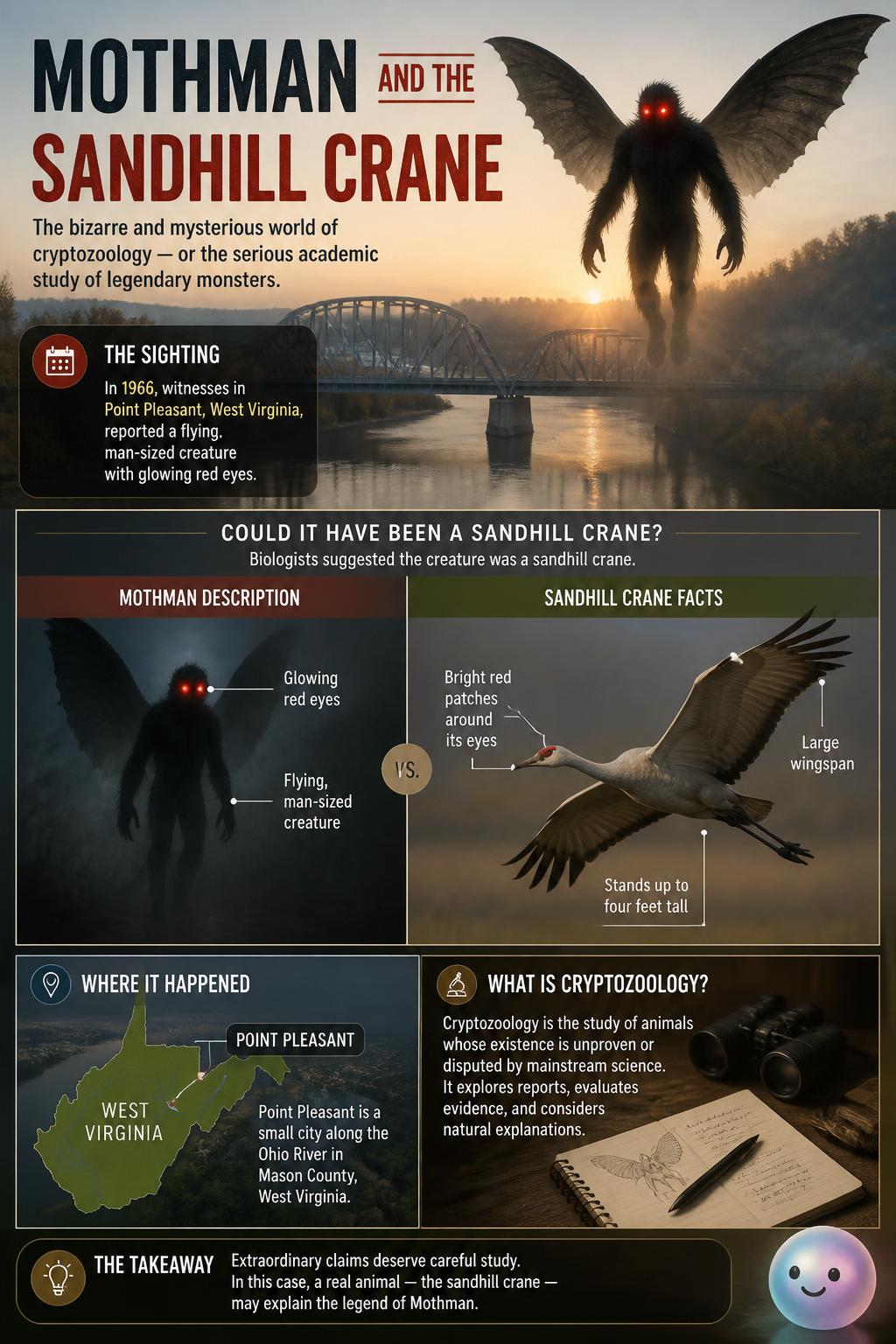
renaissanceman The red-eyed Mothman of West Virginia may have been a misidentified sandhill crane or a giant barn owl.
In which year did the famous series of 'Mothman' sightings begin in Point Pleasant, West Virginia?
Which large bird with red eye patches is often blamed for the 1966 'Mothman' sightings?
The Chupacabra movie link: The original 1995 description of the Puerto Rican chupacabra closely matched the alien hybrid creature from the sci-fi movie 'Species,' which had just opened in local theaters.
What skin condition is responsible for turning ordinary coyotes into hairless 'chupacabras'?
What animal's face, with its forward-facing eyes and eerie screech, is often mistaken for a forest cryptid?
A legendary creature rumored to inhabit parts of the Americas, said to attack and drink the blood of livestock. In 1995, Puerto Rican sightings of this creature were scientifically explained as coyotes suffering from severe mange.