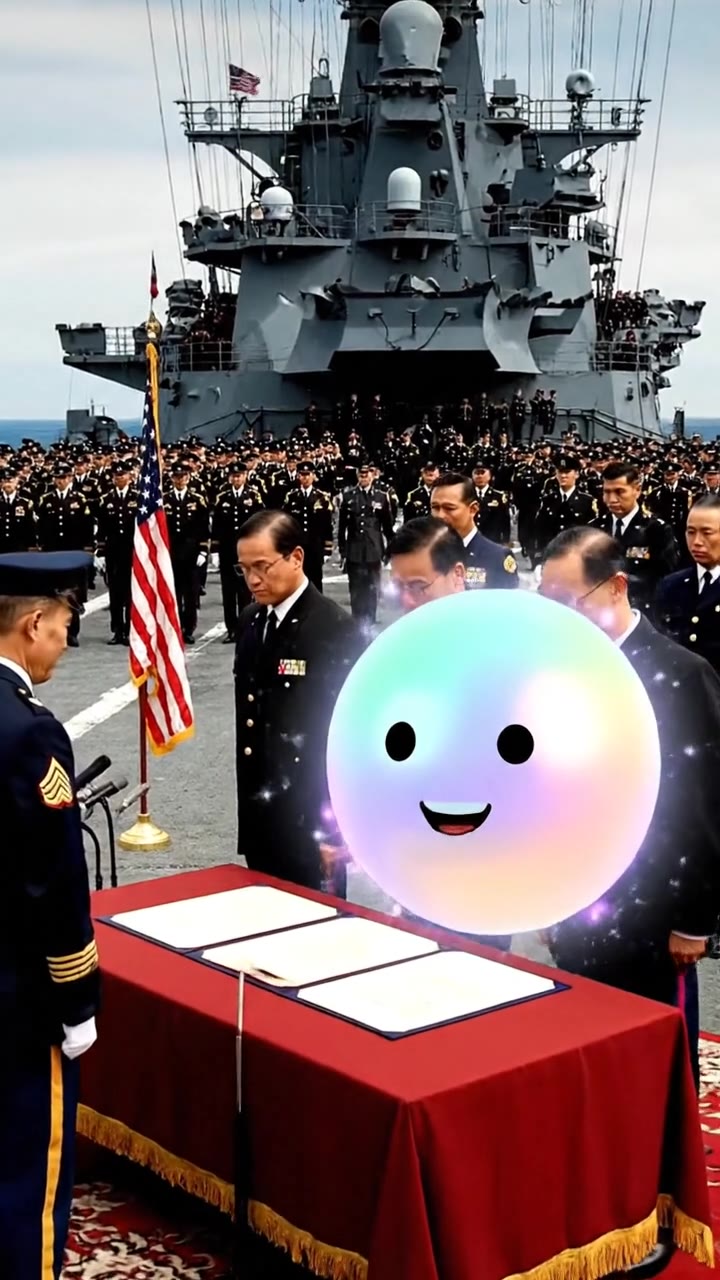
Atomic Bomb and Pacific Surrender in WWII
On August 6 and 9, 1945, the United States dropped atomic bombs on the Japanese cities of Hiroshima and Nagasaki, killing over 100,000 people instantly. Japan announced its surrender on August 15, 1945. This devastating event ushered humanity into the nuclear age.
Sparking a global conflict
Secrets, codes, and silent weapons
Everyday life on the home fronts
Turning tides and lasting legacies
tester Explore the history of the Normandy D-Day landings. Watch this video to learn how this pivotal WWII operation changed the course of the war.
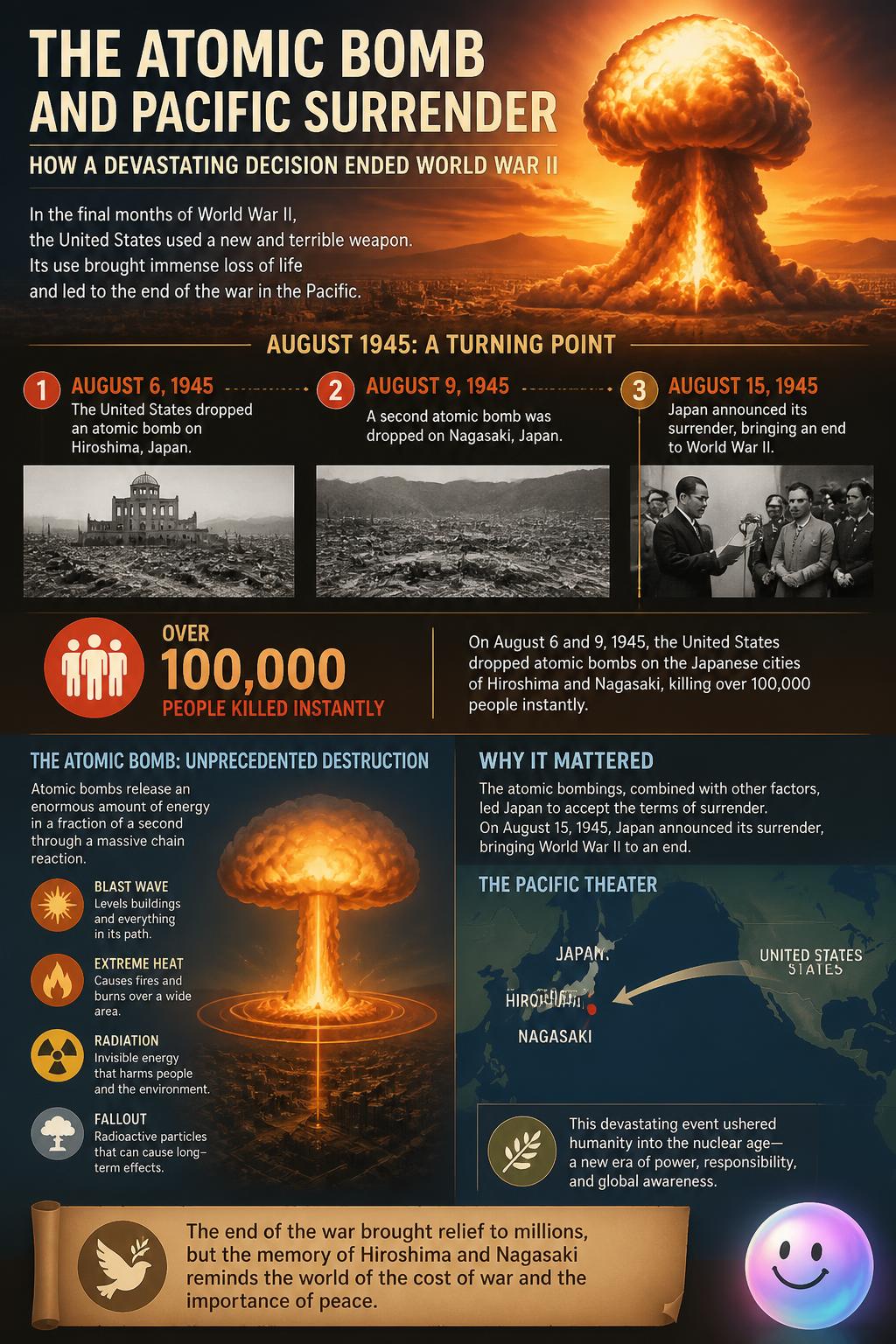
tester The deployment of atomic bombs on Hiroshima and Nagasaki led directly to Japan's unconditional surrender.
Unusual soldier: A Syrian brown bear named Wojtek was officially enlisted in the Polish Army and helped carry ammunition during Italian battles.
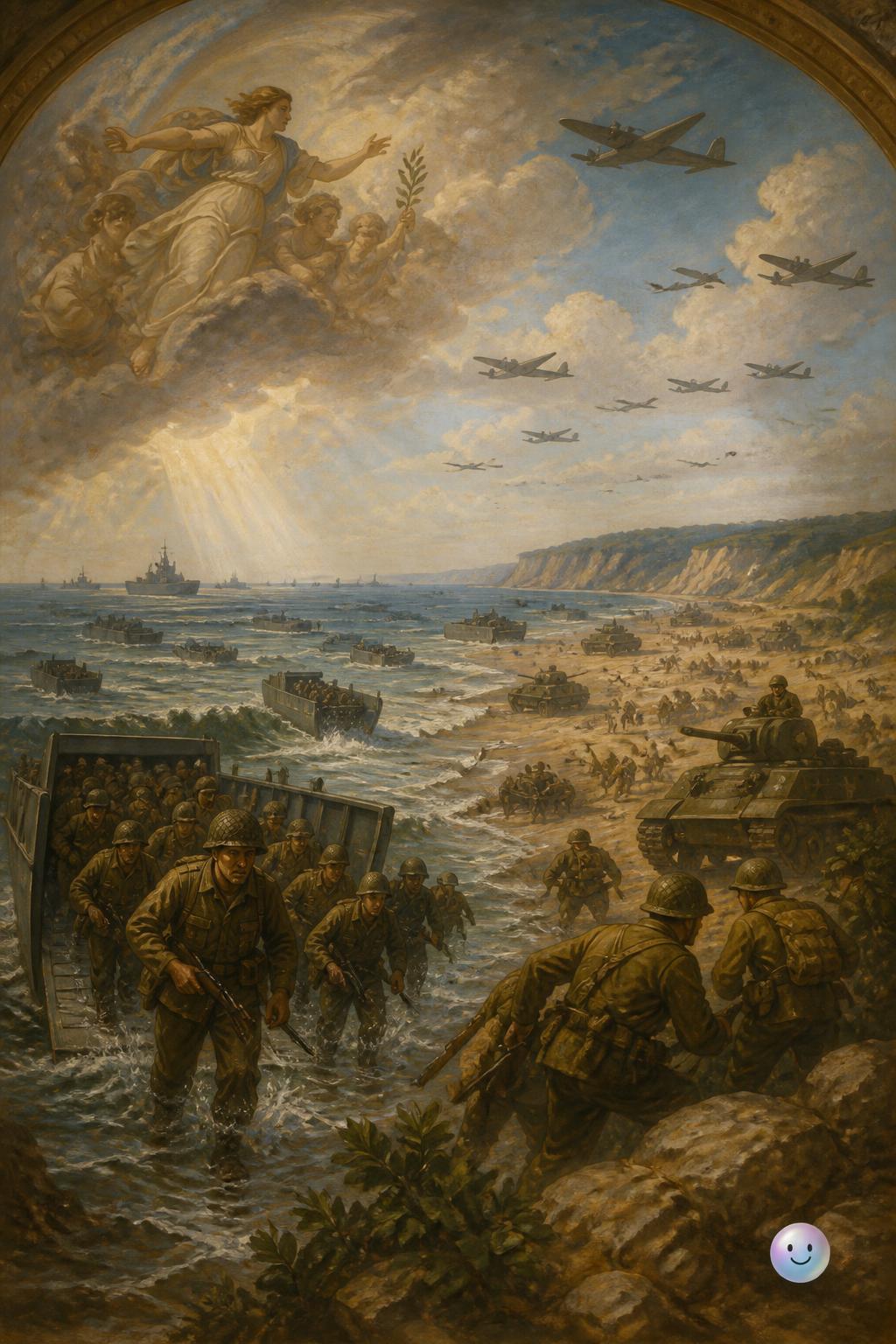
tester Allied forces launched the largest amphibious invasion in history to liberate Western Europe from Nazi control.
An extremely powerful nation, especially one capable of influencing international events and other, less powerful countries. In 1945, the Allied victory elevated the United States and the Soviet Union to global superpowers.
Which failed international organization did the United Nations replace after World War II?

tester Explore the history of the atomic bomb and its role in the Pacific surrender during World War II in this educational video.
tester Discover why the Battle of Stalingrad was the key turning point of World War II in this educational video exploring this critical historic event.
In which city did representatives from 50 nations meet in 1945 to sign the United Nations Charter?
tester Learn how the United Nations was established to rebuild the world and maintain peace in the aftermath of World War II.
Which battle fought between 1942 and 1943 is widely considered the deadliest battle in human history?
On which two Japanese cities did the United States drop atomic bombs in August 1945?
Which German field army surrendered at Stalingrad, marking a catastrophic defeat for Nazi Germany?
What document did the United Nations adopt in 1948 to outline the basic rights of every human being?