Parisian pioneers and their engineering marvels
The American dreamers and legendary stones
Eastern mastery and philosophical carvings
Natural wonders and unconventional materials
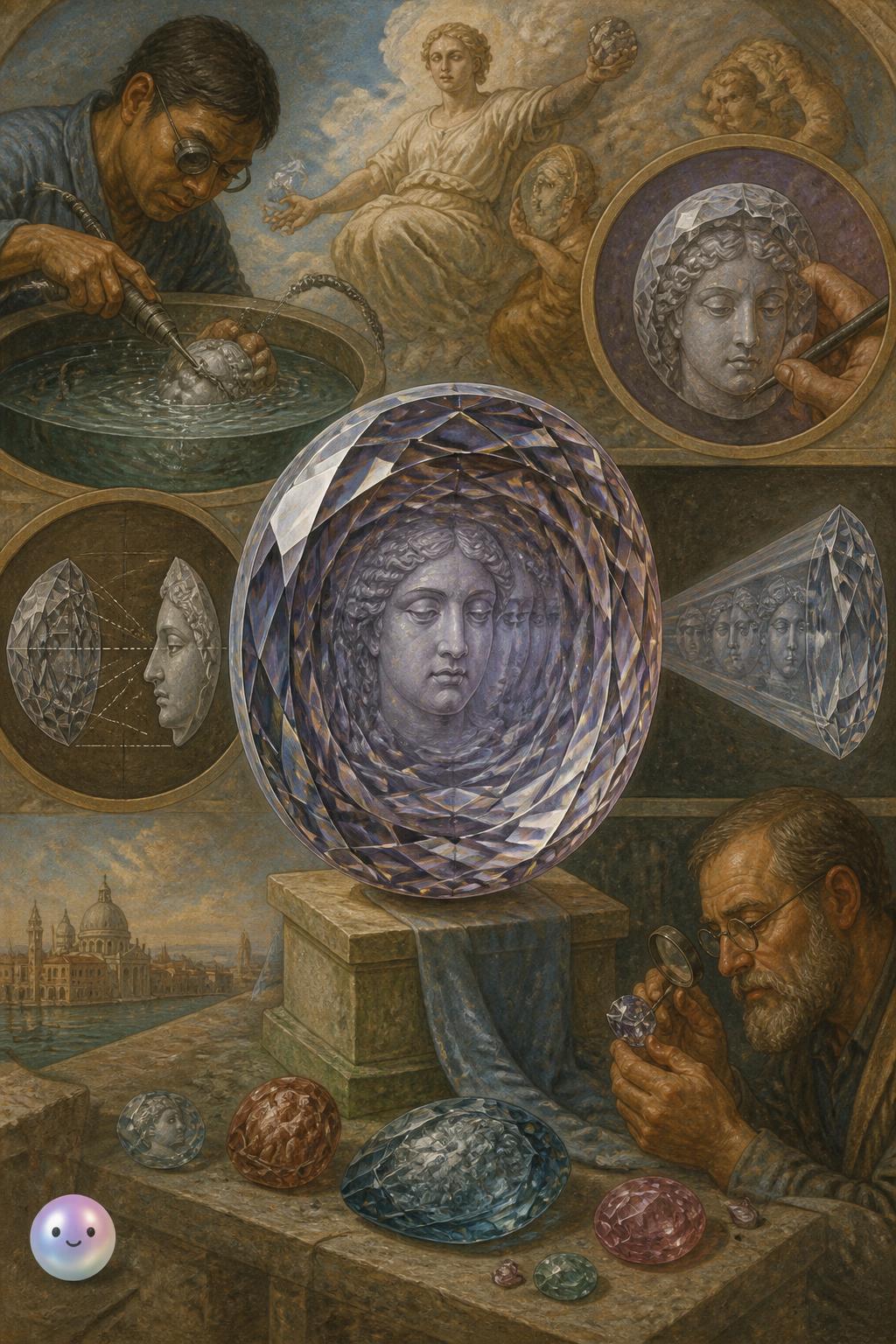
schopenhauer An innovative carving technique creates multiple floating faces inside a single gem.
Which lightweight metal did Wallace Chan spend eight years researching to use as a jewelry frame?
What ancient setting technique uses pure gold foil to hold gems without claws, popular in Indian Mughal jewelry?
What specific gemstone is highly prized in Chinese culture and featured centrally in the Zen Cicada brooch?
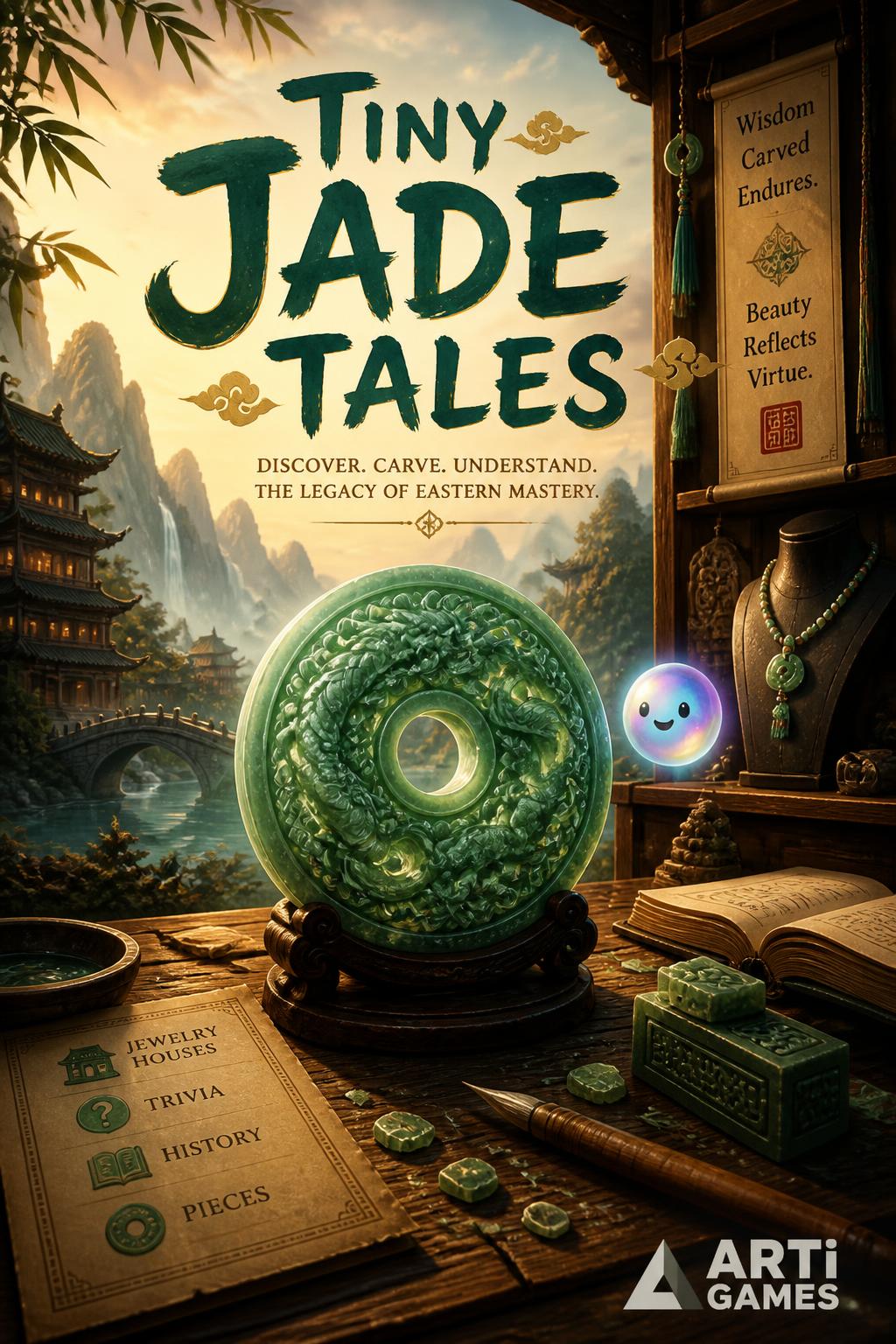
schopenhauer Match legendary jade pieces to discover the stories behind history's greatest jewelry houses.
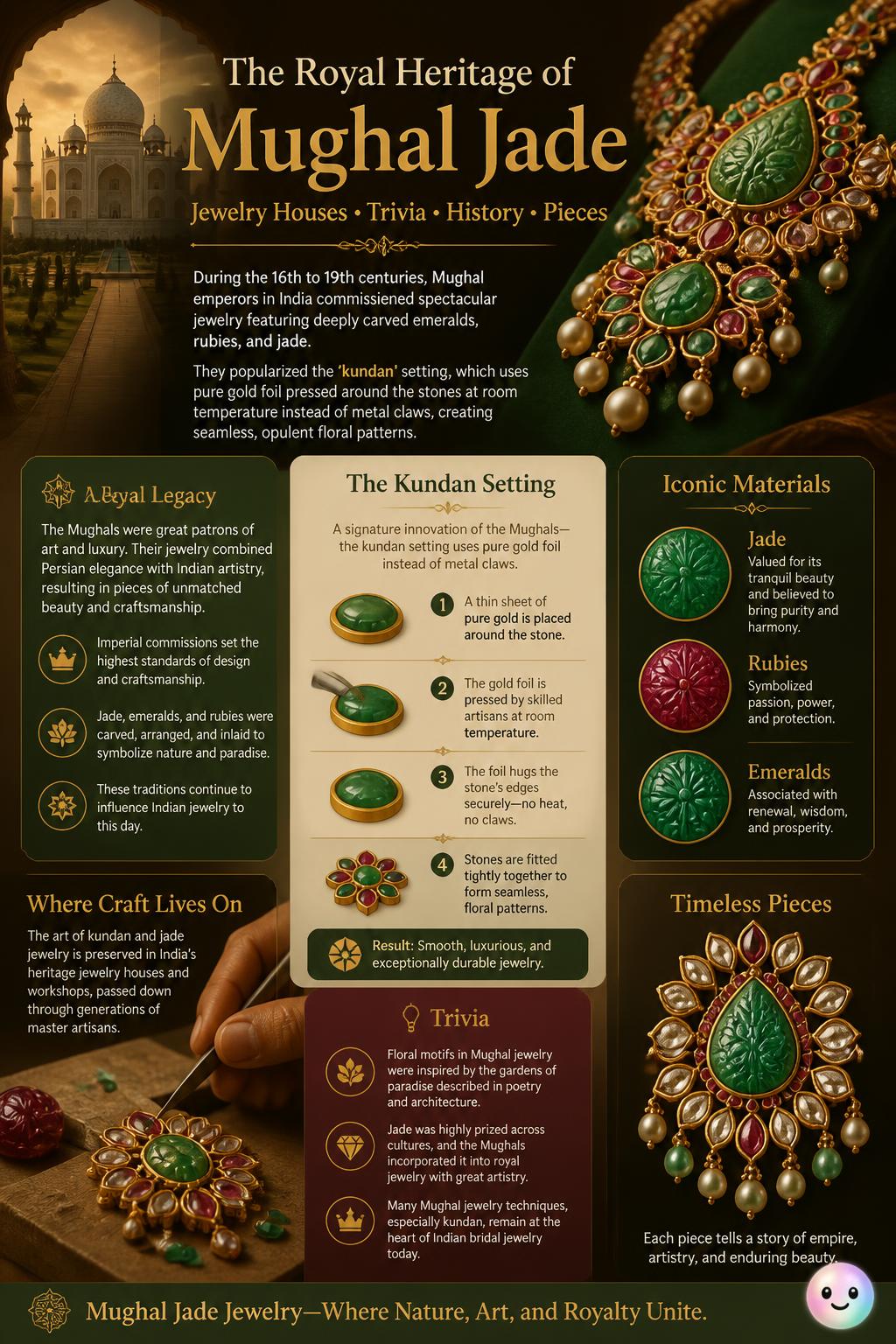
schopenhauer Indian jewelry history features breathtaking carved emeralds and jade from the Mughal Empire.
What insect did Wallace Chan use to symbolize rebirth in his famous 'Zen' brooch?
What optical illusion technique did Wallace Chan invent that shows five identical faces inside a single gemstone?
Which historical empire in India was famous for its deeply carved emeralds and exquisite jade jewelry?
schopenhauer The Wallace Cut
Just one face carved inside the stone (one face!) / Now five reflections shine on their own (shine on!)
In what city did master jeweler Wallace Chan begin his career as a gemstone carving apprentice?
Why must Wallace Chan carve his intricate 3D gemstone designs entirely underwater?
Gemstone carving: Wallace Chan must carve his 3D illusions underwater because the high-speed drill would otherwise crack the delicate gemstone from heat.
A hard, typically green gemstone used for ornaments and jewelry, consisting of jadeite or nephrite minerals. Chinese artisans historically carved this stone with symbolic motifs to represent virtues like wisdom and moral purity.