Chapter 1
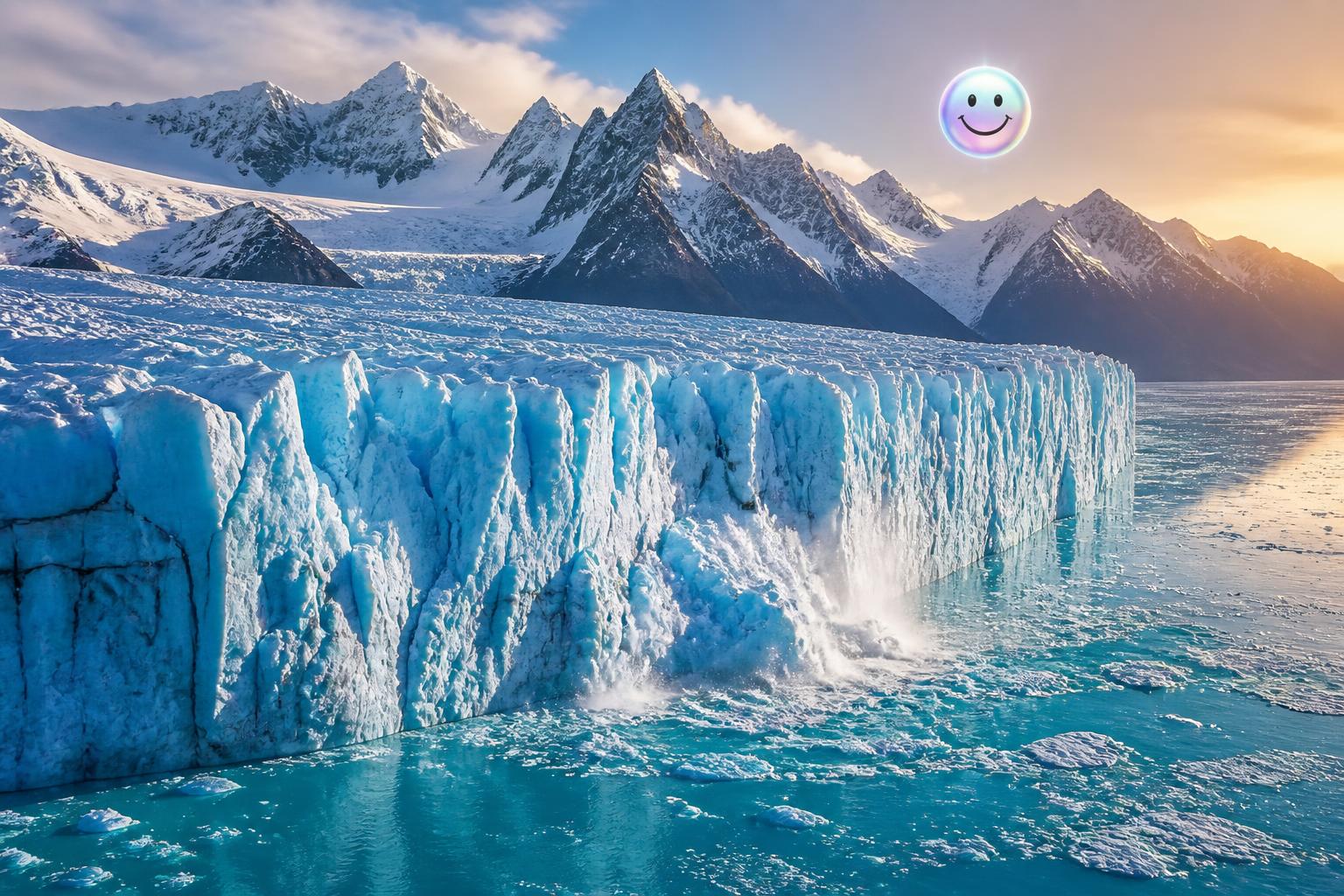
The planet's colossal ice giants
Chapter 2
Colorful anomalies and weird ice phenomena
Chapter 3
Extreme mountain glaciers and moving ice
Chapter 4
Deep freeze secrets and ancient time capsules
YOUR GOAL
Master of The secret life of glaciers
Ch 2 · Colorful anomalies and weird ice phenomena
schopenhauer Striped Icebergs of Antarctica
Icebergs are wearing stripes of blue! (oh yeah!) / Saltwater and algae make the green ones too! (it's true!)
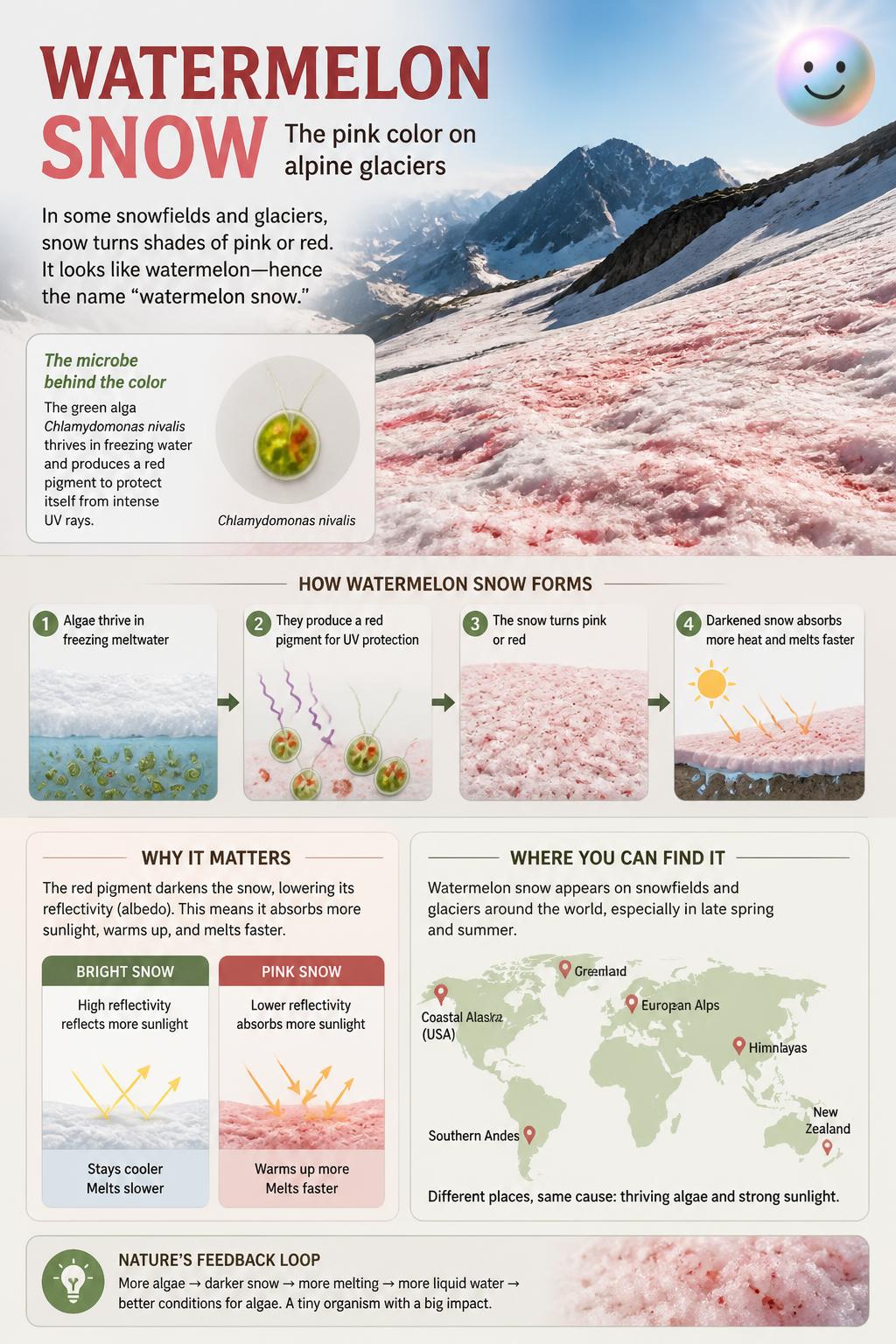
schopenhauer High-altitude glaciers sometimes turn pink and smell like fresh watermelons due to microscopic algae.
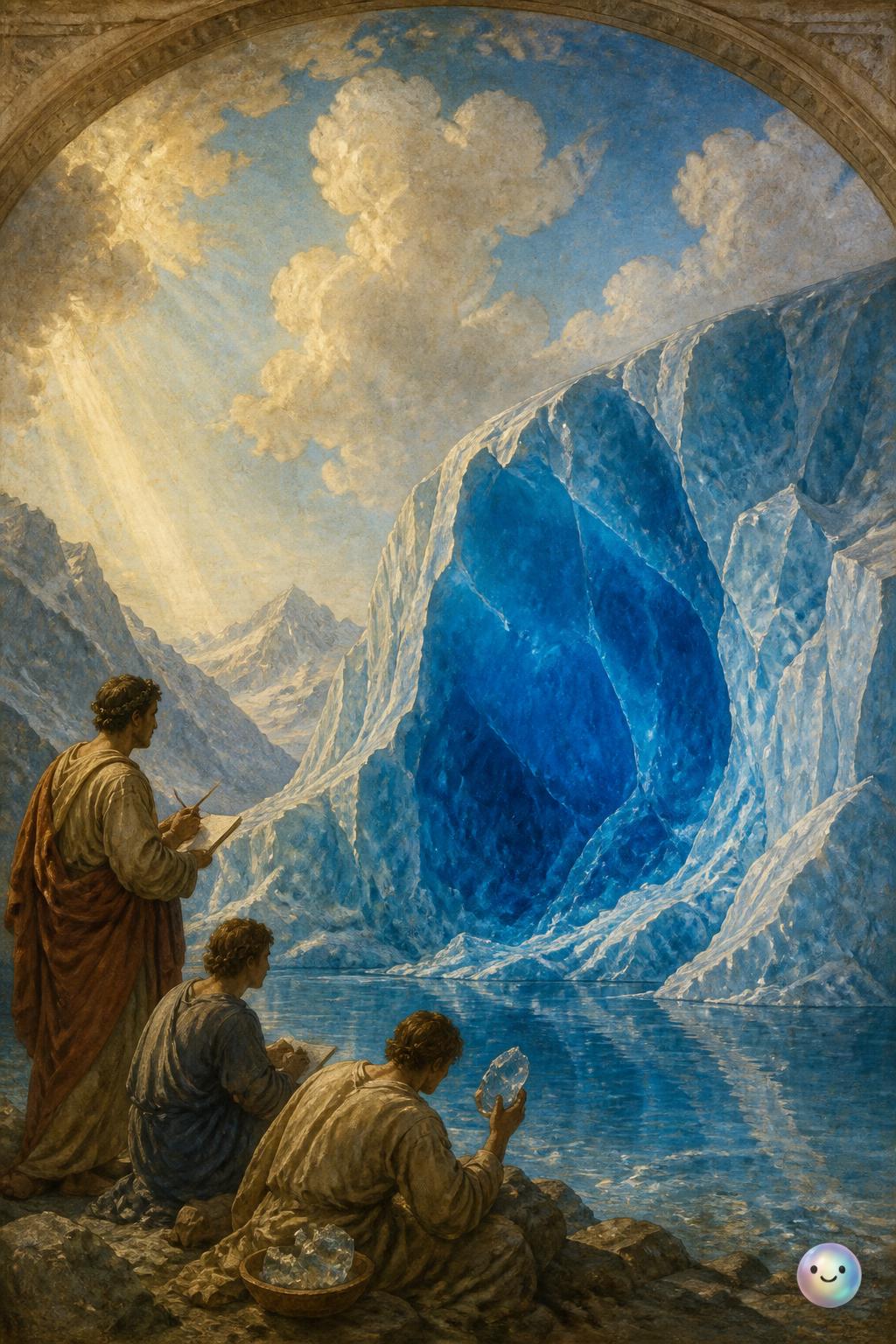
schopenhauer Glacial ice appears intensely blue because centuries of heavy pressure squeeze out all trapped air bubbles.

BETA
schopenhauer Sort wacky glaciers by size and location to discover Earth's strangest frozen wonders.
Fun Fact
Singing glaciers: Glaciers make low-frequency humming sounds, called seismic tremors, caused by the movement of water and ice scraping against bedrock.
Glossary
watermelon snow (noun)
A pink or reddish coloration of alpine or polar snow caused by a species of green algae. In 1818, British explorer John Ross first documented this phenomenon on Greenland's cliffs during an Arctic voyage.
A pink or reddish coloration of alpine or polar snow caused by a species of green algae. In 1818, British explorer John Ross first documented this phenomenon on Greenland's cliffs during an Arctic voyage.
Quiz
What organism is responsible for the pink 'watermelon snow' found on high-altitude glaciers?
Quiz
What is the name of the white, powdery snow that has not yet been compressed into solid glacial ice?
Quiz
What special feature allows microbes under Blood Falls to survive without sunlight or oxygen?
Quiz
What color do icebergs sometimes turn when seawater rich in dead plankton freezes to their underside?
Quiz
What causes the dark brown or black stripes sometimes visible in floating icebergs?