

Chapter 1
Garments of major social revolutions
Chapter 2
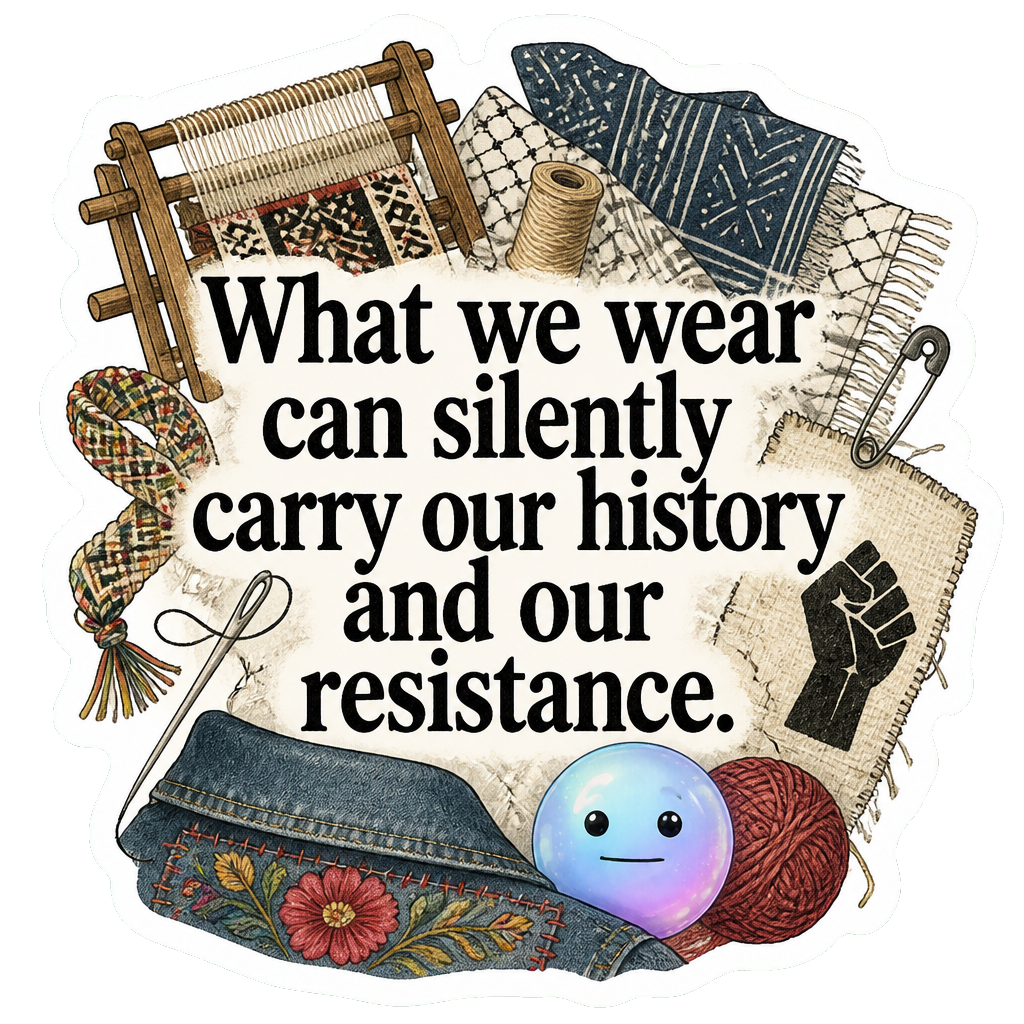
Weaving identity and political resistance
Chapter 3
Street style as a cultural megaphone
Chapter 4
Wearable survival in extreme climates
Ch 2 · Weaving identity and political resistance
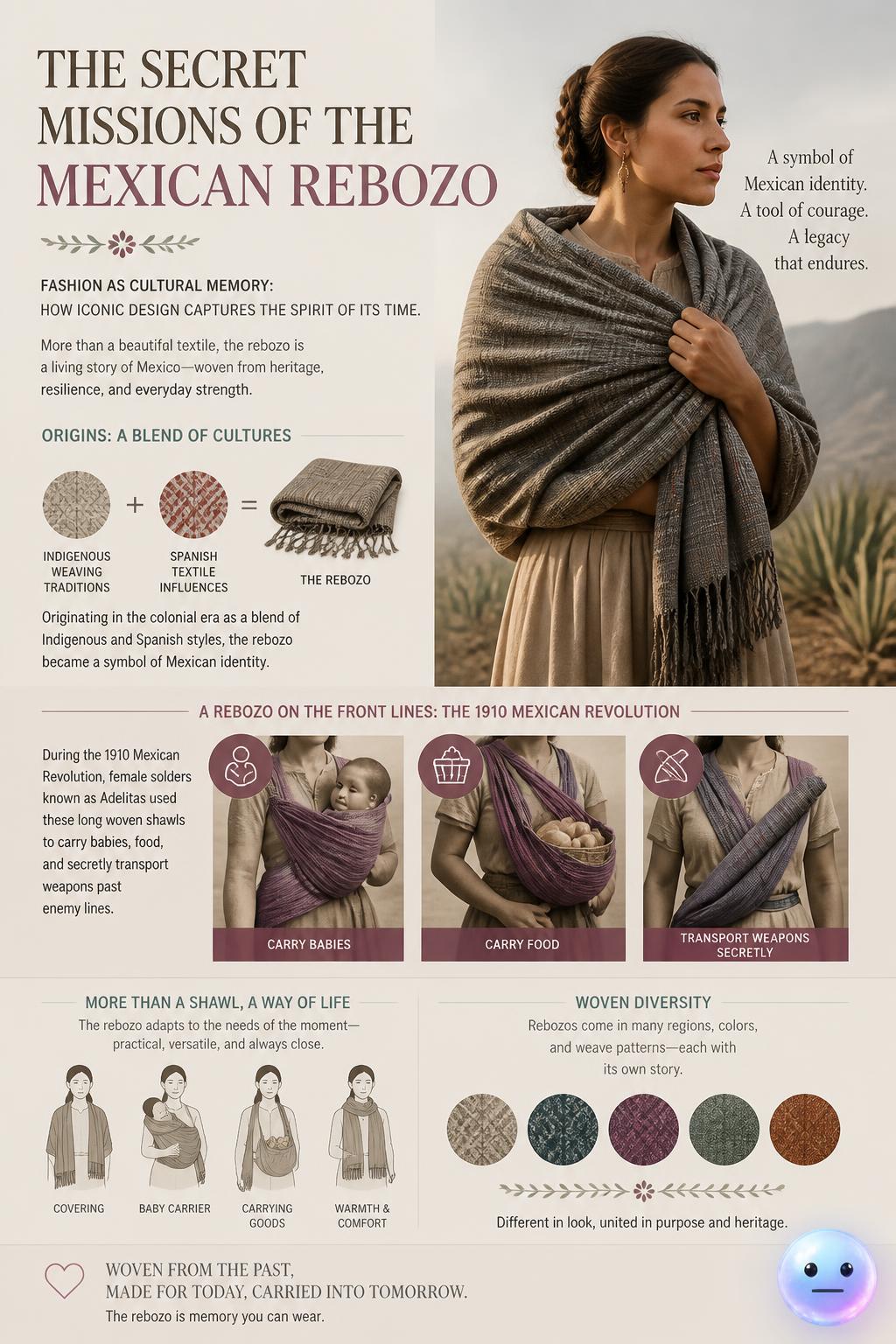
louisvuitton Originating as a colonial blend of Indigenous and Spanish styles, this iconic Mexican shawl carried babies, food, and weapons for Adelitas in 1910.
Quiz
The Mexican rebozo shawl is a cultural blend of Spanish styles and which other tradition?
Quiz
During which historic conflict did female Mexican soldiers, or Adelitas, use rebozos to smuggle weapons?
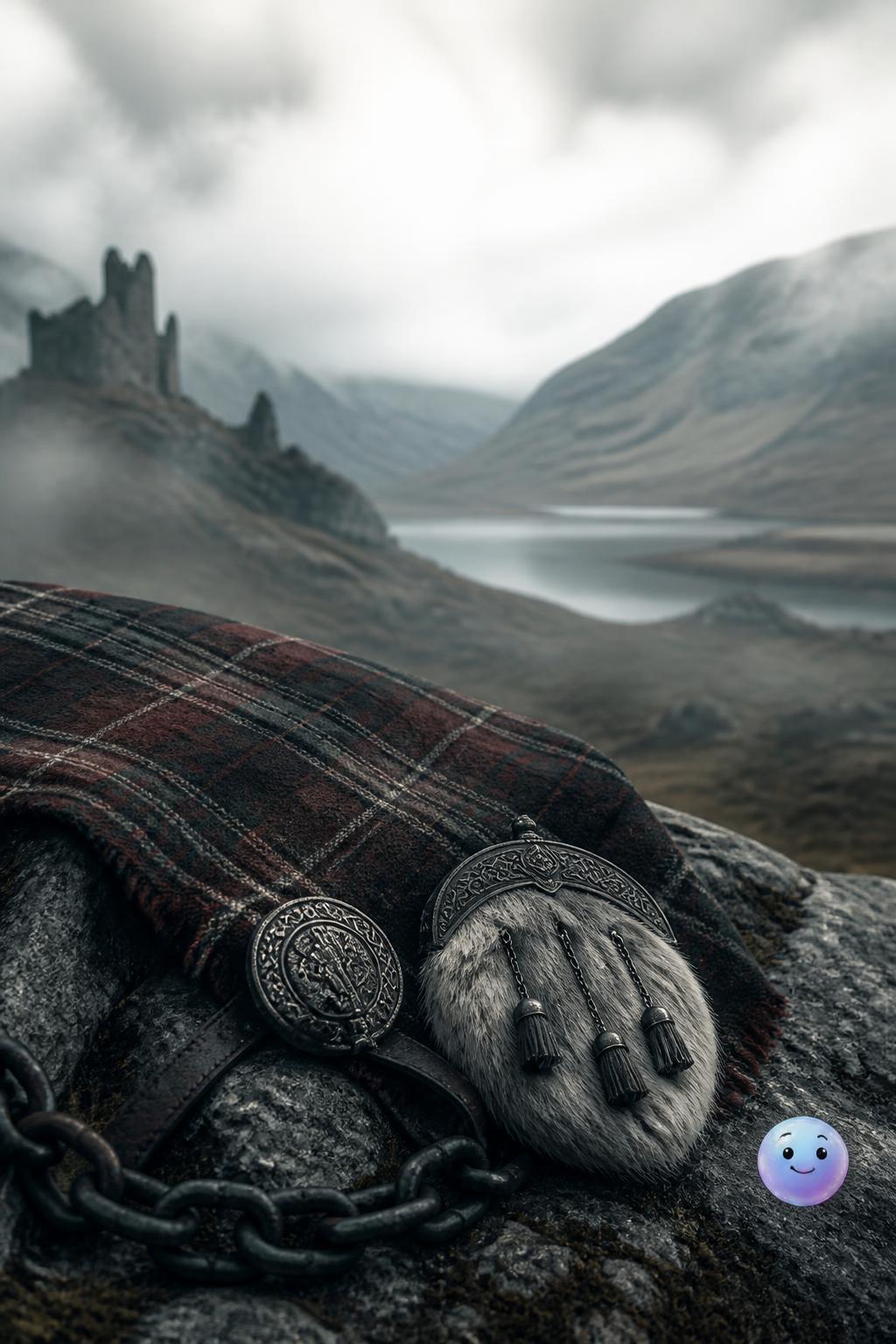
louisvuitton Outlawed Highland tartan represents how Scottish communities preserved their identity through banned clothing.
Quiz
Which 1746 battle led to the British ban on wearing tartan and kilts in Scotland?
Quiz
For how many years did the British Dress Act of 1746 ban the civilian wearing of traditional Scottish Highland dress?
Fun Fact
Maori cloaks: Since 2004, the flagbearer for the New Zealand Olympic team wears a sacred feathered Maori cloak named Te Mahutonga, meaning the Southern Cross.
Quiz
In traditional Ghanaian Kente cloth patterns, what does the color gold represent?
Quiz
Which West African ethnic group in Ghana originally created and reserved Kente cloth for royalty?
Glossary
tatreez (noun)
A traditional Palestinian style of cross-stitch embroidery typically used to decorate garments. During the First Intifada, Palestinian women embroidered national symbols onto dresses as a form of political protest.
A traditional Palestinian style of cross-stitch embroidery typically used to decorate garments. During the First Intifada, Palestinian women embroidered national symbols onto dresses as a form of political protest.
Quiz
What native New Zealand plant fiber is traditionally used to weave Maori kakahu cloaks?
Quiz
What is the Maori term for the spiritual power and prestige that a kakahu cloak accumulates over generations?