Secrets of the ancient nanotech masters
When shrinking down changes the rules
Tiny doctors inside our bodies
Nanomaterials shaping our future world

007skaty Lotus Leaf Nanotechnology
Wax-coated nanobumps trap a cushion of air, rolling perfect water beads away with every speck of dirt!

007skaty The microscopic structure that gave Damascus steel blades their legendary strength
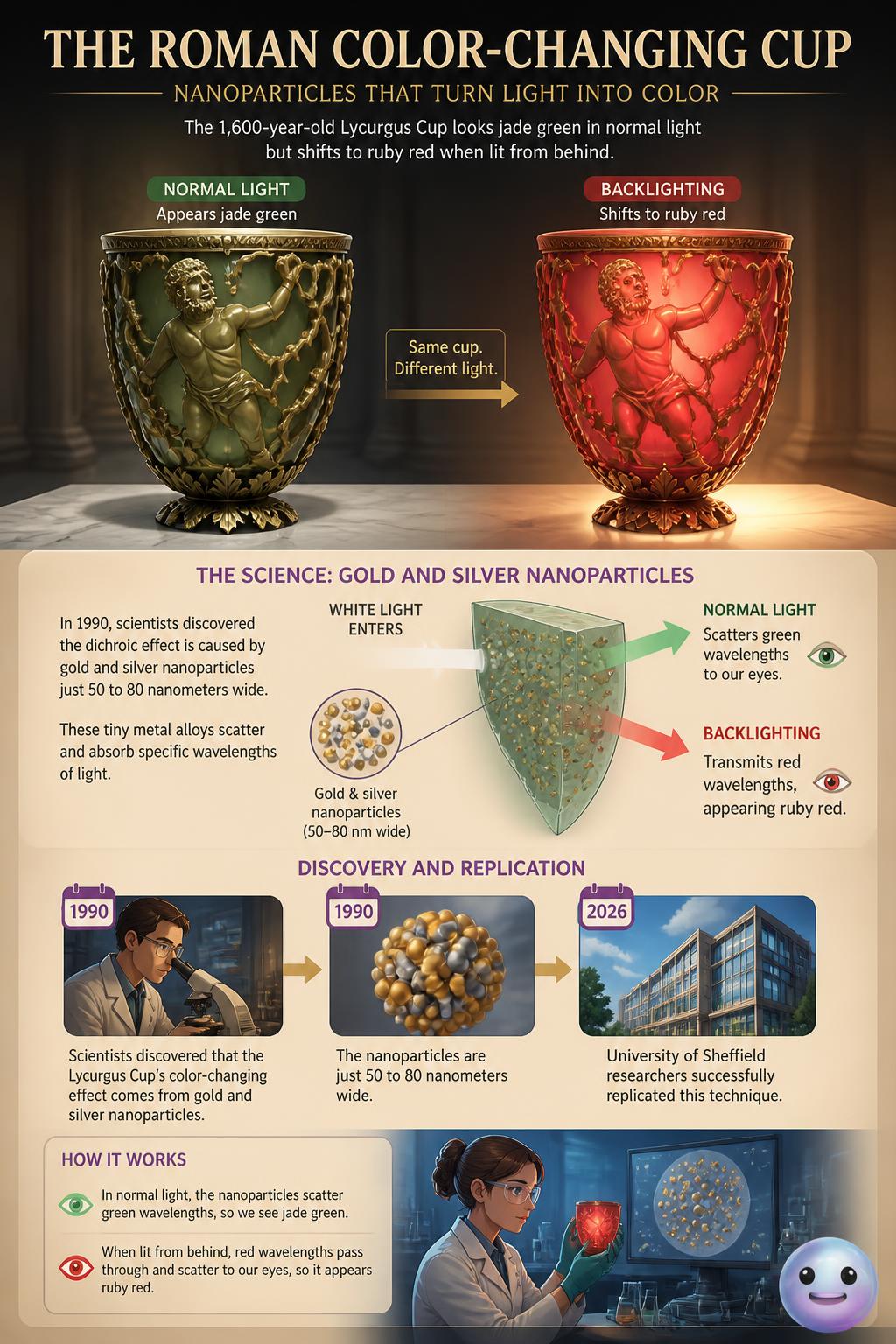
007skaty In 1990, scientists discovered how 50-to-80-nanometer metals scatter light, a process University of Sheffield researchers replicated in 2026.
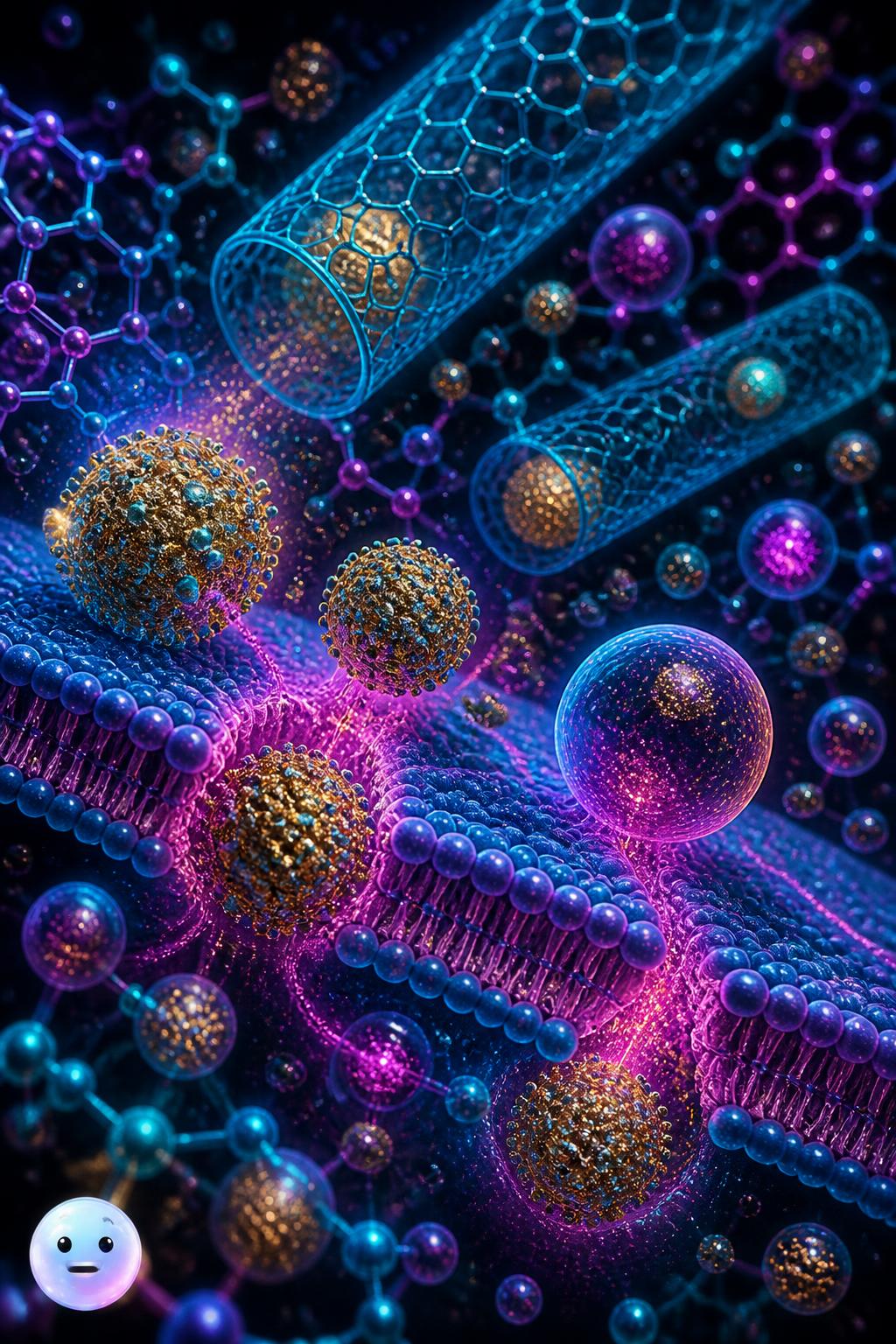
007skaty Carbon nanotubes protected cementite nanowires inside Indian wootz steel from the 13th century.
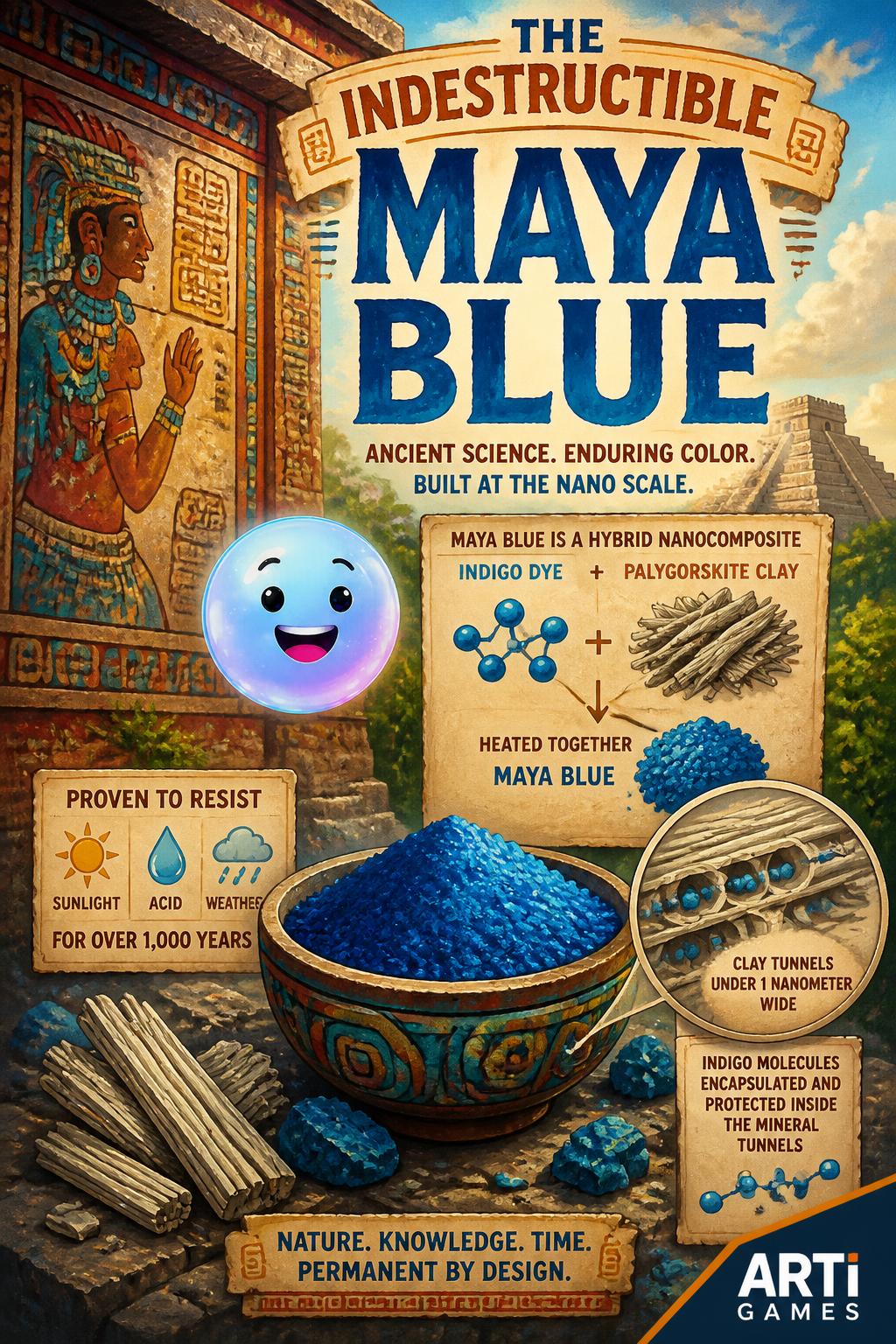
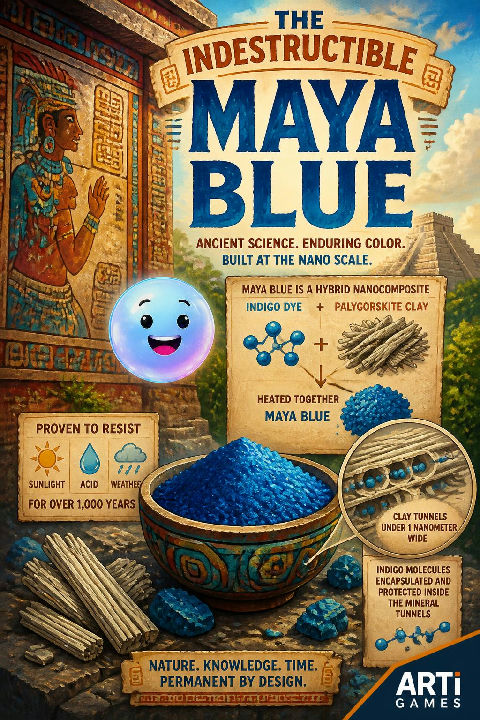
007skaty Match clay and dye molecules to discover the nanoparticle secret behind indestructible Maya blue.
Ancient nanotech: The Roman Lycurgus Cup changes color because of tiny gold and silver nanoparticles that are 1,000 times thinner than a human hair.
A microscopic particle of matter that is between 1 and 100 nanometers in size. Roman artisans used gold and silver nanoparticles to build the dichroic Lycurgus Cup in the fourth century.
How small are the metal nanoparticles embedded in the glass of the Roman Lycurgus Cup?
Which ancient Roman artifact is famous for changing from green to red due to embedded gold and silver nanoparticles?
What type of nanoscale structures were found inside a 17th-century Damascus steel sword in 2006?
What raw material from India was used to forge the legendary Damascus steel blades?
What rare fibrous clay mineral did the Maya mix with indigo to create their indestructible blue pigment?
How does the nanoscale structure of Maya blue protect the pigment from fading or acid damage?
What natural phenomenon allows lotus leaves to remain completely clean in muddy water?